





 Portuguese
  English
  Spanish
  5 min of reading
  1 comment


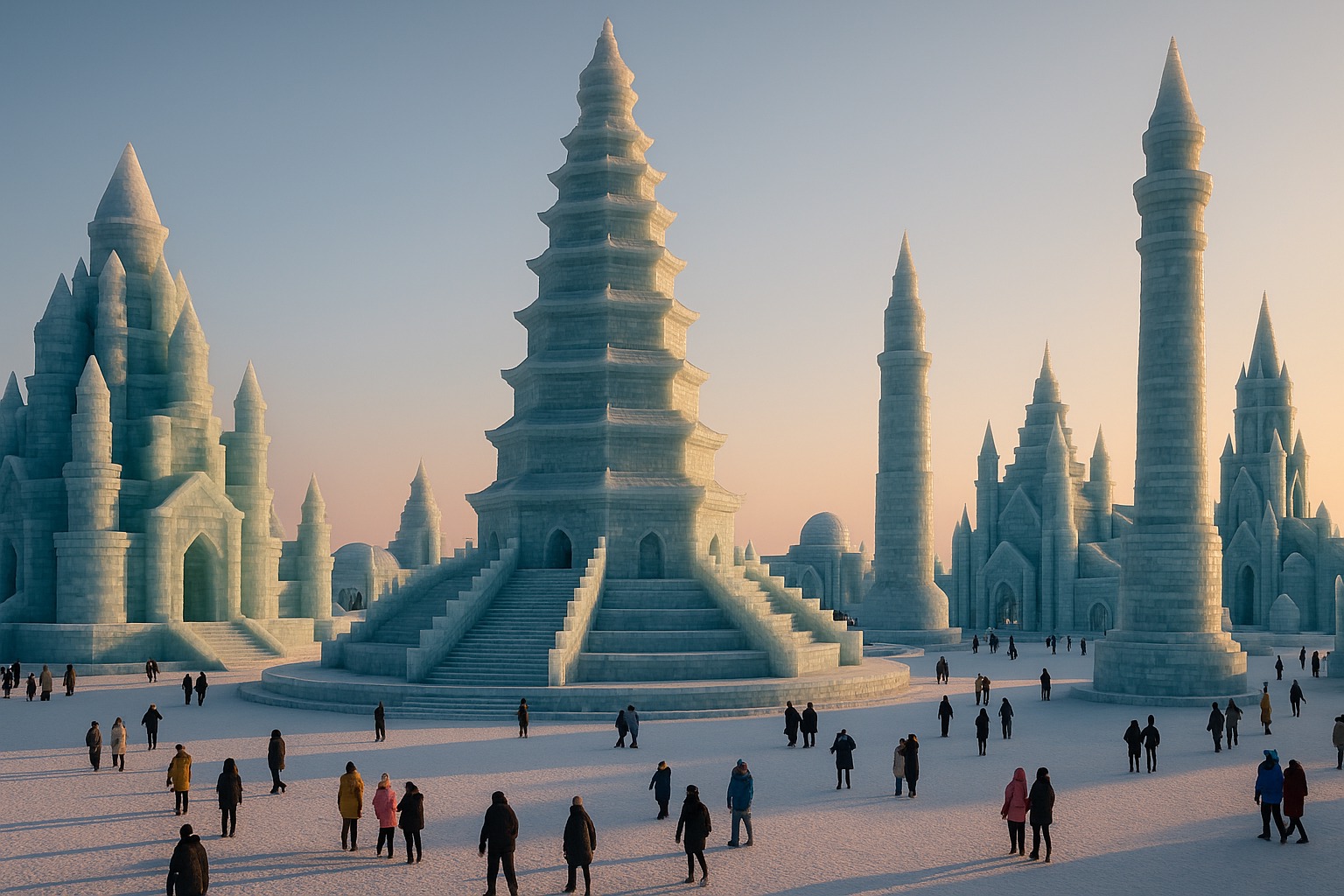


With Giant Structures Sculpted Directly from the Songhua River, the Harbin International Ice and Snow Festival Moves Millions, Expands Attractions, and Preserves Traditions That Began in 1963
The Harbin International Ice and Snow Festival has established itself as one of the largest winter celebrations on the planet because it features monumental sculptures, tourist attractions, and competitions that attract millions of visitors every year.
The Chinese city of Harbin, located in Heilongjiang, hosts the event at the peak of the cold season, when Siberian winds intensify the low temperatures and allow for the creation of giant structures made directly from ice collected from the Songhua River.
Moreover, the festival has evolved since its inception and expanded its range of attractions. The event, which has already welcomed 18 million visitors and generated 28.7 billion yuan, has become a cultural symbol of the region.
-
Mr. Mário reveals the technique of the caipira papaya: he cuts the fruit in half, discards the seeds from the tip, and plants the ones from the back to increase the chance of a productive female tree.

-
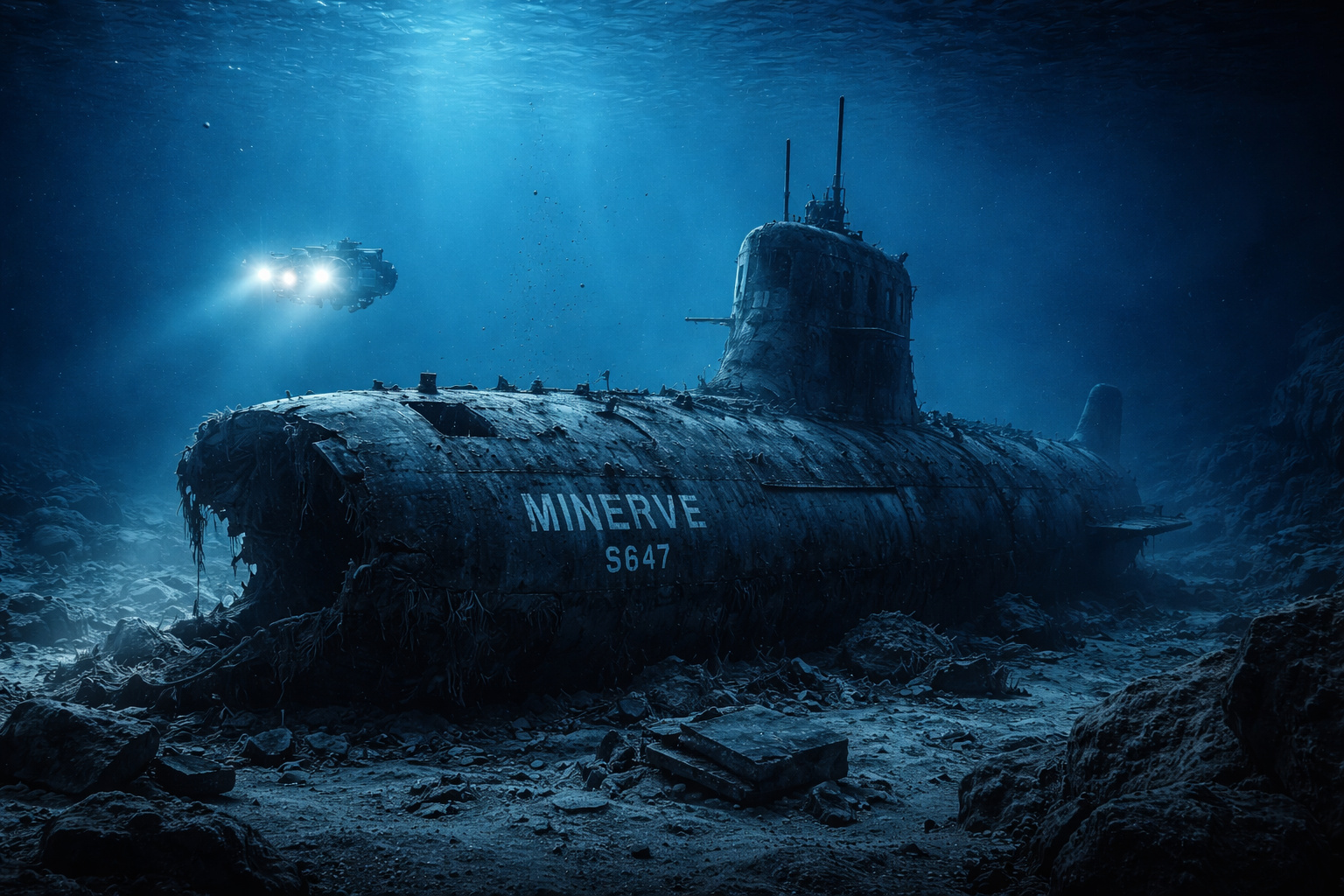
Few remember, but the submarine that disappeared in 1968 with 52 crew members was found after 51 years at the bottom of the sea at more than 2,000 meters, intriguing the entire world.
-
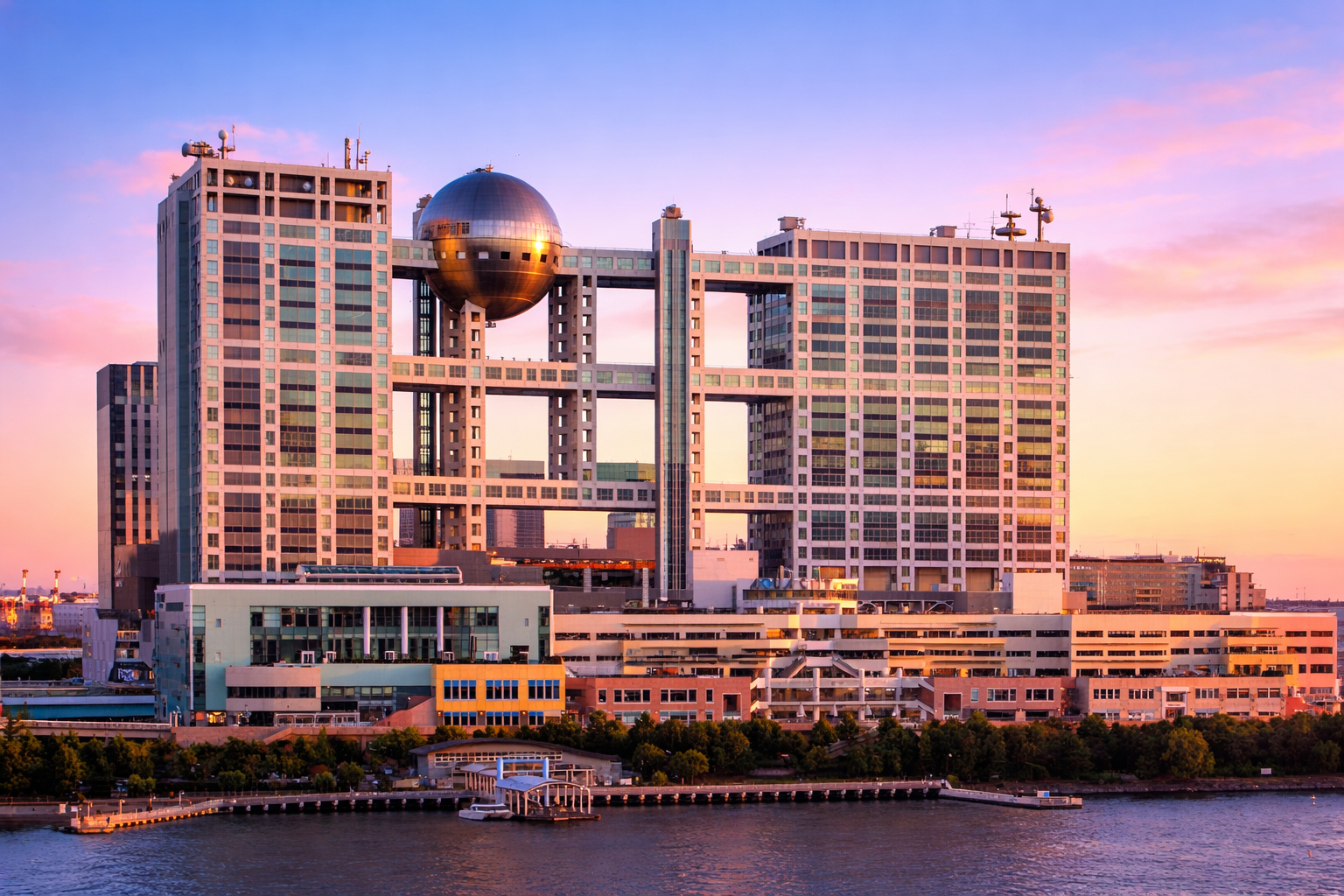
With 1,200 tons suspended, the Japan mega-structure in a grid shape with a floating sphere from Fuji TV features two 25-story towers connected by elevated walkways, titanium panels, and impresses the world with its ability to reduce wind impact.
-
The village where two rivers run side by side without mixing in Santarém and Alter do Chão reveals some of the most beautiful freshwater beaches on the planet.

It also stands out because it showcases some of the largest ice sculptures in the world, bringing together teams of Chinese and international artists.
The festival remains open from late December to late February.


Spaces That Concentrate the Main Attractions
Two locations organize the most sought-after structures. Sun Island, located on the opposite bank of the river, houses giant snow sculptures and serves as a vast leisure area.
The other is the Ice and Snow World, which opens in the afternoon and at night, offering large illuminated constructions made with ice blocks 60 to 90 centimeters thick taken from the Songhua River itself.
The park needs to be rebuilt every year. With each edition, new ice sculptures and buildings emerge.
In 1999, the first park in this configuration was inaugurated to mark the turn of the millennium. In the following years, the area reached 800,000 square meters, equivalent to 80 hectares, transforming into a temporary city entirely sculpted from ice.
Activities That Engage Tourists and Residents
The festival promotes visits to parks with ice lanterns scattered across Harbin and maintains a series of recreational practices typical of Chinese winter.
Among them are alpine skiing in Yabuli, swimming in the Songhua River, and the ice lantern exhibition at Zhaolin Park.
These activities increase the flow of visitors by offering different experiences, helping to maintain a varied program throughout the event.
Origins That Trace Back to Traditional Lanterns
The history of the festival is older than it seems. The event arose from the local custom of producing ice lanterns, a tradition that began in the Harbin garden in 1963.
This practice was interrupted during the Cultural Revolution but returned when Zhaolin Park began holding the lantern festival annually starting January 5, 1985.
Thus, the current festival is the result of the expansion of this tradition, which gained strength and audience over the decades.

Changes and Expansions Over the Years
In 2001, the Harbin Ice Festival was unified with the Heilongjiang International Ski Festival. The new format became known as the Harbin International Ice and Snow Sculpture Festival, reinforcing the variety of attractions.
In 2007, a Canada-inspired sculpture honored the doctor Norman Bethune. The work received the world record as the largest snow sculpture on the planet, measuring 250 meters in length and 8.5 meters in height, using over 13,000 cubic meters of snow.
It had two main parts: Niagara Falls and the Bering Strait crossing, which represented the migration of First Nations.
This work marked one of the most celebrated editions. The festival became even more known abroad.
Expansion and New Themes in Each Edition
The festival celebrated its 30th anniversary in 2014 with the theme “50 Years of Ice and Snow, Enchanting Harbin.” The program included competitions, fairs, and exhibitions from December 20, 2013, to February 28, 2014.
In 2015, the event was inaugurated on January 5. The chosen theme was “Ice and Snow of Harbin, Enchanting Dreams of China Around the World.”
The program included fireworks, anniversary parties, swimming in the ice, fishing, group weddings, fashion shows, performances, and games.
The festival lasted from December 22, 2014, to early March 2015.

The Grandeur Presented in 2019 and 2020
The 35th edition, in 2019, brought to the public over 600,000 square meters of attractions and more than 100 tourist spots.
110,000 cubic meters of ice and 120,000 of snow were used. Artists from 12 countries competed in the annual sculpture contest.
In 2020, the 36th edition reinforced the event’s global status. The sculptures were produced with approximately 220,000 cubic meters of ice, taken from the Songhua River.
The festival was recognized as one of the largest winter celebrations in the world, alongside the Sapporo Snow Festival, the Quebec Winter Carnival, and the Holmenkollen Ski Festival.
Recent Impacts and Participation in Major Events
In 2021, the festival did not occur in full operation due to the COVID-19 pandemic.
Even so, it maintained its relevance.
The event also integrated the cultural programming of the Winter Universiade of 2009 and the Asian Winter Games of 2025. On those occasions, the Olympic flame was part of the activities in the festival’s main square.
How Each Sculpture Takes Shape
The ice blocks are cut from the frozen surface of the river with band saws. Then, sculptors use chisels, picks, and various types of saws to shape the pieces. Work continues day and night until the festival opens.
Deionized water can be applied to create blocks that are transparent like glass.
At night, multicolored lights illuminate the structures, creating effects that change with the intensity of the lighting.
The final result includes buildings, monuments, animals, human figures, mythical creatures, slides, and lanterns.
These detailed sculptures are the main reason tourists travel to the festival every year.
With information from Wikipedia.






Gostaria muito de assistir a contrução, também… Quanto à sensação de frio: quando está próximo de zero grau, ainda positivo sentimos a pior sensação de frio… porque em zero grau zera a umidade e é ela a responsável pelo sensação de frio!