





 Portuguese
  English
  Spanish
  3 min of reading
  0 comments


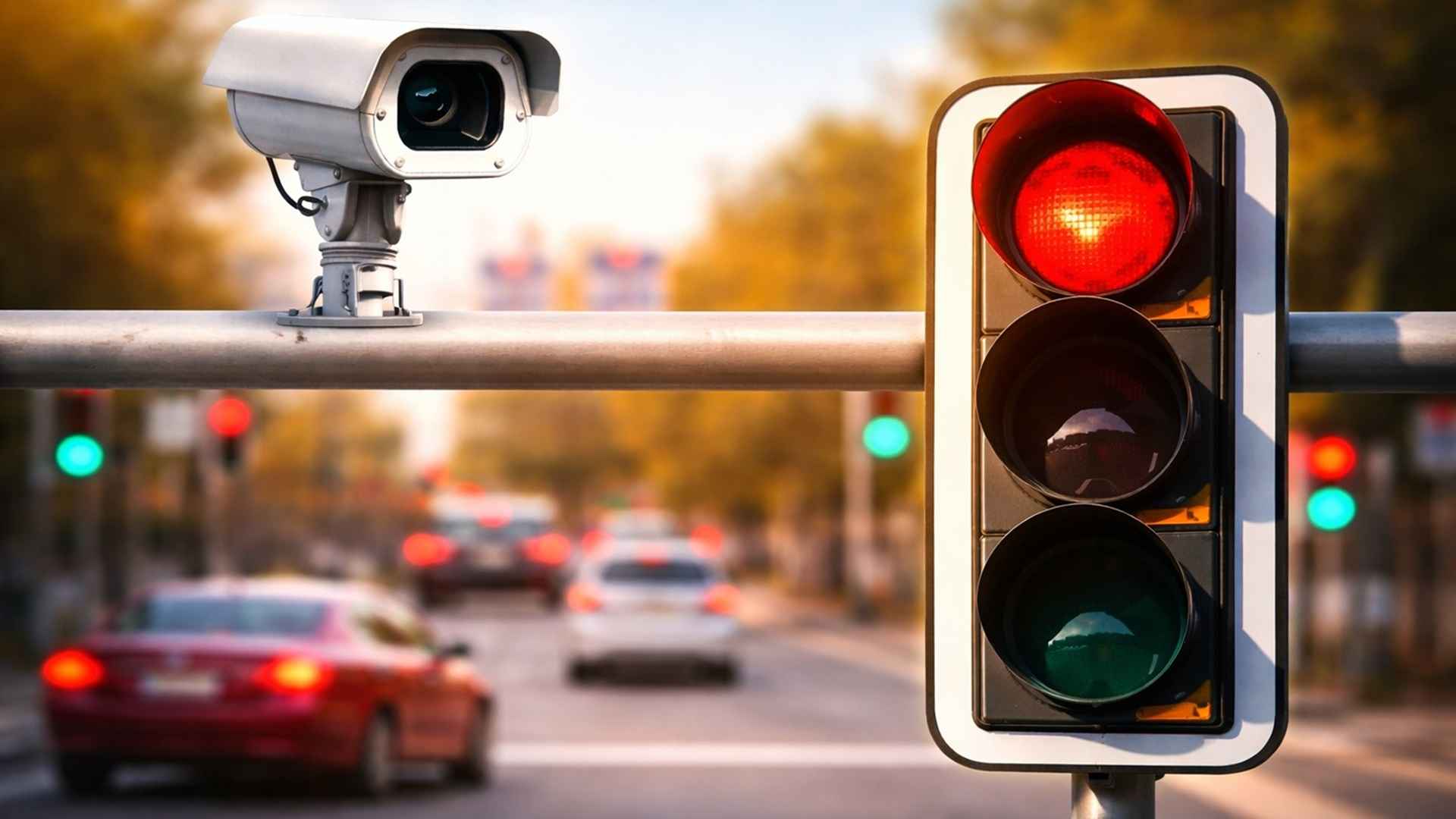
Cameras Installed Above Traffic Lights in the United States Monitor Vehicle Flow at Intersections, Collect Data to Automatically Adjust Signal Timing, and at Some Specific Points Also Record Red-Light Violations, Generating Fines and Feeding Traffic Management Systems
In the United States, small cameras positioned above traffic lights monitor traffic at intersections, collecting data on stopped vehicles and, in some cases, recording violations. These devices help control vehicle flow and may eventually issue fines.
How Cameras Installed on Traffic Lights Work
The cameras installed above traffic lights usually catch the attention of drivers passing through intersections. Upon seeing them, many drivers immediately believe that the device is ready to record any violation committed at the location.
However, not all of these cameras serve a enforcement purpose. In the United States, there are two main types of cameras associated with traffic lights, and only one of them is specifically used to record and penalize red-light violations.
-
Mixing vinegar with detergent in a blender has become the most talked-about cleaning trick on the internet because it solves a problem that everyone has in the kitchen in seconds and uses only two ingredients that you already have at home.

-
The largest fortress on the planet is located in a city with 10 km star-shaped walls, 300 hectares protected, an aqueduct with 843 arches and 7 km long, strategic forts, and a UNESCO title that intrigues specialists.

-
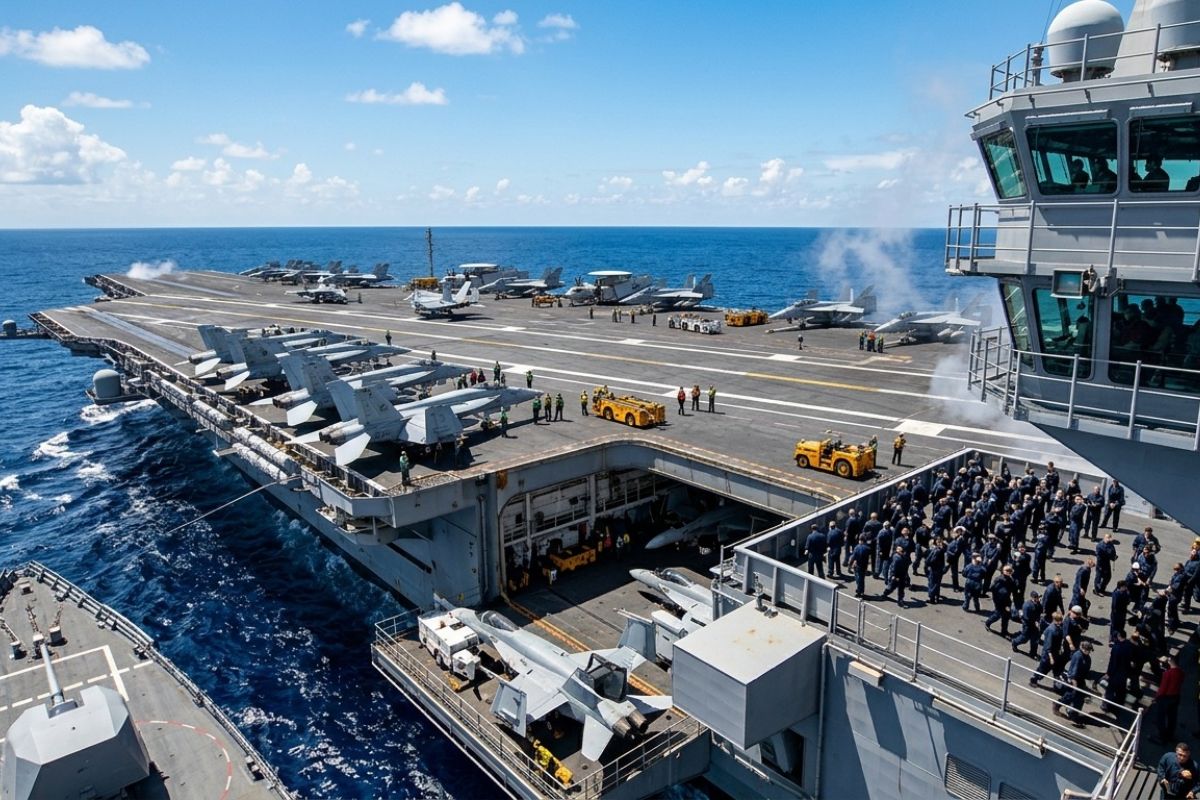
USS Gerald R. Ford: the floating city of $13 billion where 5,000 sailors serve 17,000 meals a day, sleep in stacked bunks, take 10-liter showers, and keep 75 fighter jets ready.
-
Spain surprises the world by erecting 62 artificial dunes, mixing sand with natural remains of posidonia, and causing the structure to lose only 1.4% of its volume in 1 year.


The first type acts as a traffic assistant. These devices analyze the number of vehicles present at an intersection, allowing traffic lights to automatically adjust the timing of each signal according to traffic flow.
Smart Traffic Lights Use Data from Sensors and Cameras
The cameras associated with traffic lights can work in conjunction with sensors installed on the roadway. Some systems use infrared technology to identify vehicles, while others rely on metal detectors buried in the pavement.
When a vehicle remains stationary over these sensors, the system registers the car’s presence and sends the information to the intersection controller. This way, the traffic lights can decide which direction needs to remain open longer.
If one side of the intersection is congested and another is clear, the system can keep the green signal active where there is a higher flow of vehicles. Thus, electronic control seeks to avoid unnecessary queues and improve circulation.
Enforcement Cameras Record Red-Light Violations
The second type of camera installed at traffic lights is the one that generates the most concern among drivers. These are enforcement cameras, specifically designed to record vehicles that cross the intersection on a red light.
When a car passes through a red light, the system is triggered automatically. At that moment, the equipment can take photographs or record videos of the vehicle, including the license plate, which allows for the subsequent issuance of fines.
These cameras are not installed at every intersection. Generally, they appear in high-traffic areas or near schools and hospitals, where enforcement of violations is considered more necessary.
Use of Images and Traffic Planning
In addition to assisting in the operation of traffic lights, the information collected by the cameras can also be used by cities to plan roadway improvements. The data helps identify points that need changes in infrastructure.
Traffic authorities can use this information to assess the need to widen roads or create new lanes of traffic. In some situations, captured images can also aid in investigations related to accidents.
Most of the time, however, these cameras focus primarily on organizing vehicle flow. The goal is to avoid prolonged congestion and reduce motorists’ waiting time at intersections.
Technological Evolution and Debates on Monitoring
Current traffic lights are part of what is known as Intelligent Transportation Systems. Modern cameras can monitor multiple lanes simultaneously and can even connect to other intersections to coordinate traffic in larger areas.
Not everyone, however, views this technological expansion positively. In some cities, the installation of speed cameras and automatic license plate readers has raised concerns related to the sense of constant surveillance.
Despite the advancements, the functioning of these devices can still be affected by weather conditions. Heavy rain, fog, or snow can interfere with camera operation, which also needs to be positioned correctly to function efficiently.






Seja o primeiro a reagir!