





 Portuguese
  English
  Spanish
  4 min of reading
  0 comments


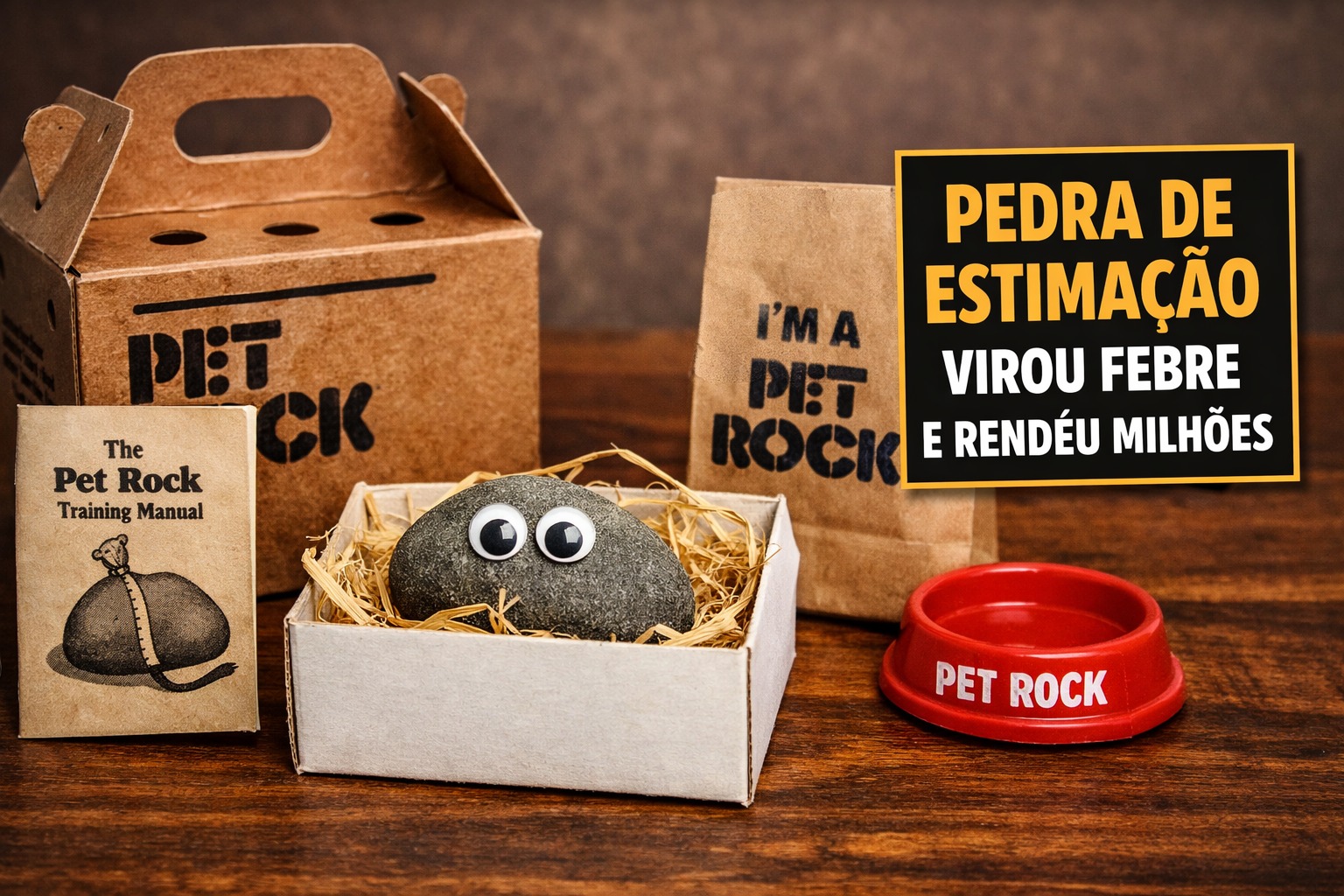
Created by Gary Dahl, the Pet Rock explored humor, packaging, and cultural timing to transform an ordinary stone into a million-dollar product, a lasting symbol of instantaneous fads in urban American consumption
In the 1970s, an improbable idea transformed a simple stone into a global commercial phenomenon, sold as a packaged pet, profiting millions in the United States starting in 1975, by exploring humor, creative marketing, and the desire for carefree solutions.
A Consumption Context Open to Unusual Ideas
The emergence of the Pet Rock occurred during a period marked by experimental products and fleeting trends, when consumption valued curious novelties and creative gifts with strong symbolic and humorous appeal.
In this environment, irreverent proposals found space on shelves, especially during holidays when consumers sought items that could surprise and provoke laughter without requiring traditional practical utility.
-
He started running at 66 years old, broke records at 82, and is now a subject of study for having a metabolic age comparable to that of a 20-year-old, in a case that is intriguing scientists and inspiring the world.

-
Oldest tree on the planet reappears after 130 years of searches: Wattieza, 385 million years old, was 10 meters tall and had no leaves or seeds; Gilboa fossils in New York solved the mystery in 2007.

-
A 48-square-meter house assembled in hours with 4,000 bricks made of recycled plastic that does not absorb moisture, has natural thermal insulation, and costs less than 90,000 reais in a complete kit.

-
Luciano Hang revealed that Havan’s air fleet has already accumulated more than 20,000 landings, 10,000 flight hours, and 6 million kilometers traveled, and he says that without the planes, the company would never have grown so quickly.



How the Pet Rock Concept Worked
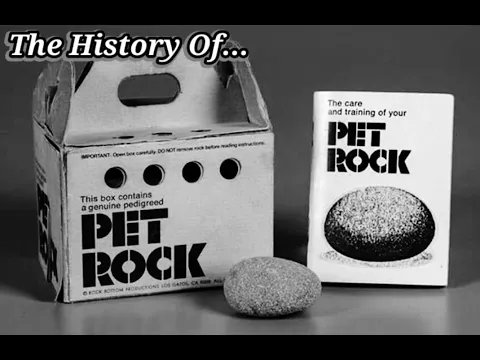
The Pet Rock consisted of a carefully selected stone, placed in a cardboard box with holes simulating ventilation, accompanied by a humorous instruction manual.
The material ironically explained how to care for the new “pet,” highlighting that it did not need to be fed, walked, or cleaned, reinforcing the zero-responsibility proposal.
The simplicity of the product was intentional and part of the central joke, transforming the ordinary into something marketable through a witty narrative and creative presentation.
Who Created the Pet Rock and Why the Idea Gained Momentum
The mind behind the product was Gary Dahl, an advertising copywriter in the United States, who came up with the idea in 1975 during a casual conversation at a bar.
At the time, the discussion revolved around the difficulties of keeping pets, which led Dahl to imagine a “pet” that required no real care.
The proposal took shape when presented as the ultimate solution for those wanting a symbolic animal, exploring irony and humor accessible to a wide audience.
Sales, Prices, and the Financial Impact of the Phenomenon
The commercial success was swift and surprising, placing the Pet Rock among the most sought-after gifts in the United States just months after its initial launch.
Estimates suggest that around 1.5 million units were sold between 1975 and 1976, especially during the holiday season.
Each stone cost approximately $4, a price considered high for such a simple item, but justified by the concept, packaging, and humorous proposal.
The business model ensured substantial margins, as the cost of the stones was minimal, with expenses mainly focused on packaging, distribution, and promotion.
This financial result solidified the Pet Rock as one of the most emblematic examples of how creative marketing can transform banal ideas into highly profitable products.
The Cultural and Commercial Influence of the Pet Rock
In addition to direct sales, the Pet Rock had a lasting influence on the market for creative products and short-term trends, known as instant fads.
The case demonstrated that consumers could be mobilized not by utility, but by experience, shared humor, and the symbolic value of the object.
From this success, products that played with absurd concepts, humorous gifts, and daring advertising campaigns focused on storytelling became more common.
Even with a limited duration on shelves, the cultural impact remained, and the Pet Rock became a reference for quickly scalable commercial creativity.
Curiosities and the End of the Product Cycle
Among the curious details of the phenomenon is the manual, which taught fictional commands like sit and stay, reinforcing the satirical proposition of the product.
The stones used were often acquired from construction yards, then cleaned and prepared to compose the kit sold to the end consumer.
Gary Dahl registered the Pet Rock brand as a way to protect the business against direct imitations, amid the rapidly growing initial demand.
Despite its remarkable success, the product disappeared from stores relatively quickly, becoming a classic symbol of trends that emerge and vanish swiftly.
Decades later, the story of the Pet Rock continues to be remembered as an example of an unlikely commercial phenomenon, revealing how creativity, timing, and humor can redefine the perceived value of something ordinary, even if for a short period and as a fleeting phenomenon.
With information from Terra.








Seja o primeiro a reagir!