





 Portuguese
  English
  Spanish
  3 min of reading
  0 comments


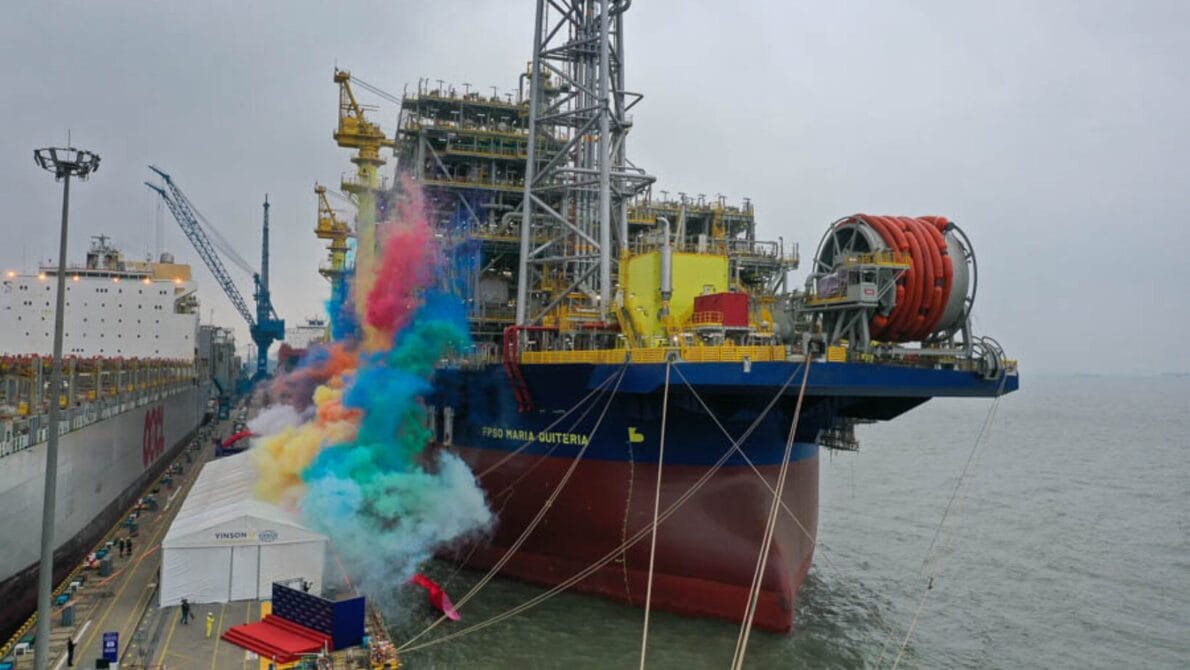
Yinson Officially Named The FPSO Vessel Maria Quitéria, Marking A Milestone In The Development Of The Project In Collaboration With Petrobras. The Vessel Will Have A Production Capacity Of 100 Thousand Barrels Of Oil Per Day And Will Be The First Of The Company To Operate With Heat Recovery Steam Generation.
As reported by PetroNotícias last Friday (04/05), Yinson, an offshore energy service company, marked the beginning of April with a highlight event at the Cosco Shipping Heavy Industry Shipyard in Shanghai, where it officially named the FPSO vessel Maria Quitéria. This naming represents a milestone in the development of the FPSO Maria Quitéria project, an initiative planned by Petrobras in November 2021 in collaboration with Yinson Production.
The FPSO Maria Quitéria is scheduled to be installed in the Jubarte field, located in the Campos Basin, Brazil.
Naming Of The FPSO Vessel Maria Quitéria: A Marking Event At The Shanghai Shipyard
With plans to start its journey to Brazil still in the first quarter of 2024, the expectation is that production in the Jubarte field will begin in 2025.
-
Europe is trying to create an ammonia-powered marine engine without auxiliary fuel, which could unlock the race for giant emission-free ships. The technology aims to eliminate one of the biggest obstacles to clean maritime propulsion.

-
A 4,500-ton frigate with just over 100 crew members, state-of-the-art radar, and cruise missiles is being touted as the new standard of naval warfare in the 21st century.

-
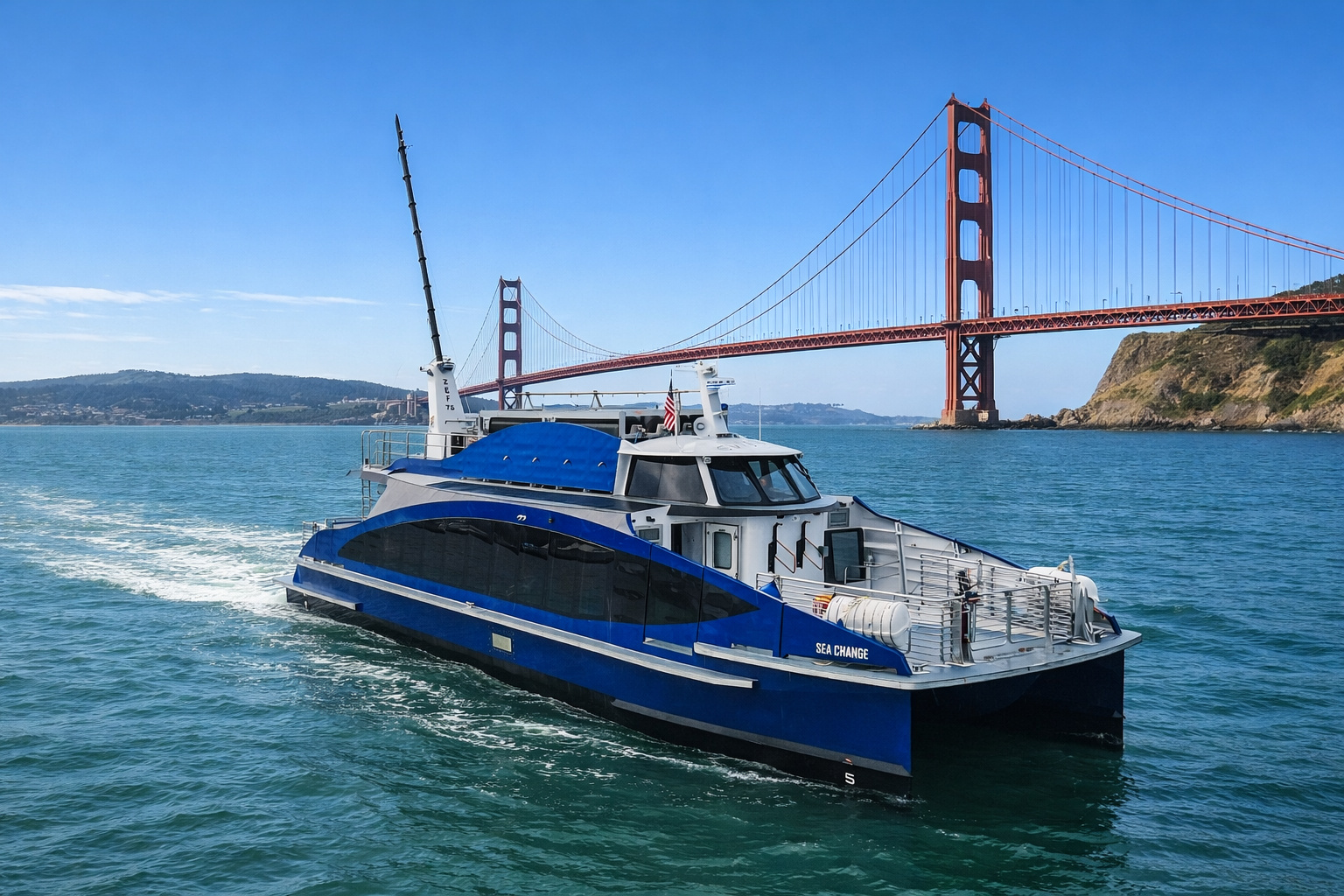
The first commercial hydrogen-powered ferry enters operation in the U.S., eliminates the use of diesel, uses fuel cells to generate clean energy on board, and transforms San Francisco Bay into a landmark of the new era of emission-free navigation.
-
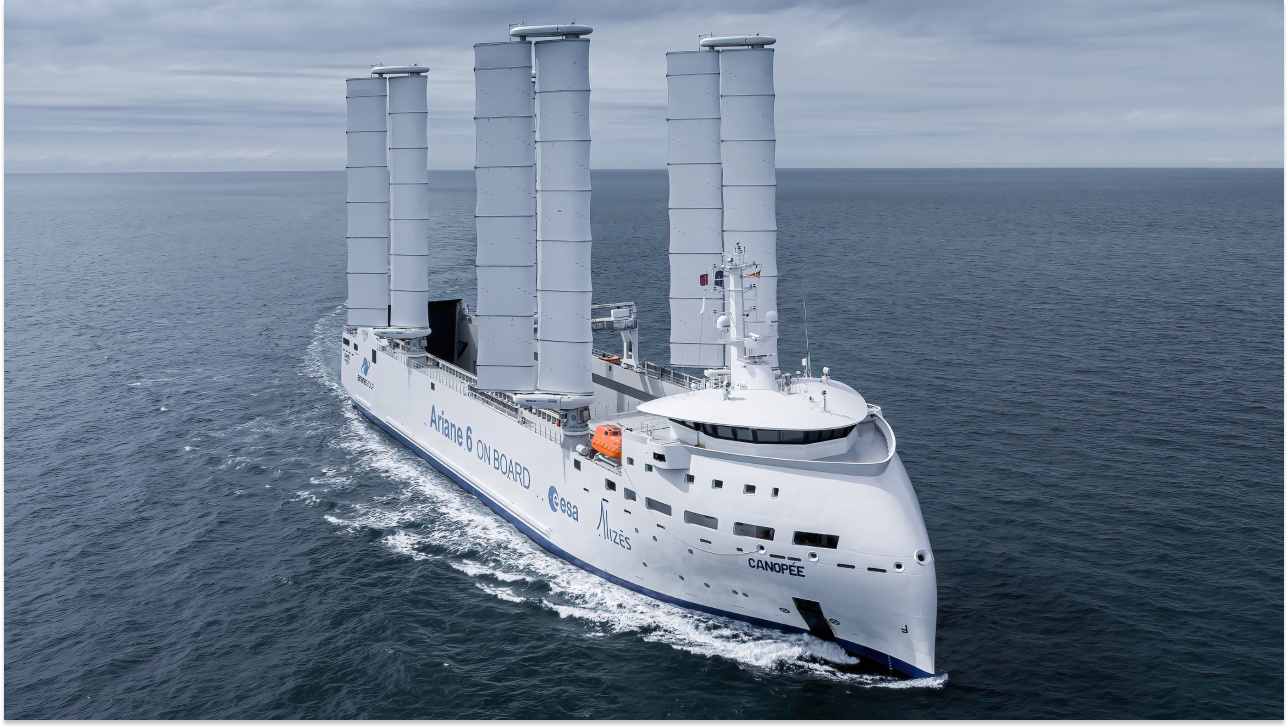
With a length of 121 meters and four rigid sails of 36 meters that automatically rotate to capture the wind, Canopée is the world’s first hybrid industrial cargo ship powered by wind, used to transport rockets and reduce fuel consumption by up to 30% on transoceanic routes.

This FPSO conversion project was designed to have a production capacity of 100 thousand barrels of oil per day, with a storage capacity of up to 1 million barrels.
This initiative marks Yinson’s third collaboration with Petrobras for the development of FPSOs intended for Brazil.
Strategic Partnership With Petrobras
The FPSO Maria Quitéria also brings an innovation: it will be the first FPSO vessel of Yinson to operate with heat recovery steam generation (HRSG) as an integral part of its power generation system.
This technology aims to significantly reduce carbon emissions in the industry, aligning with global efforts towards the goal of net zero carbon emissions.
Flemming Gronnegaard, CEO of Yinson Production, and Tiago Pace Estefen, Contracts Manager at Petrobras, celebrate the partnership between the companies in incorporating technologies for reducing gases while increasing production efficiency.
The FPSO Maria Quitéria’s main demand is to meet the energy needs of the region, and the adoption of practices that increasingly reduce environmental impacts in the energy sector becomes important.
About Petrobras
Petrobras, or Petróleo Brasileiro S.A., is one of the largest energy companies in the world and the largest in Brazil.
Founded in 1953, it is a publicly traded company but with a majority control by the Brazilian government.
The main activities of Petrobras are exploration, production, refining, transportation, and marketing of oil and natural gas.
It also operates in other areas such as renewable energy, biofuels, distribution of petroleum derivatives, petrochemicals, among others.
Throughout its history, Petrobras has been a central player in the Brazilian economy, playing a fundamental role in the country’s development.
Its performance and decisions have a significant impact both on the domestic economy and on the global energy landscape.
As one of the leading companies in the energy sector, the activities and decisions of Petrobras have been the subject of great interest and debate in Brazil and internationally, especially concerning environmental, political, and economic issues.










Seja o primeiro a reagir!