





 Portuguese
  English
  Spanish
  3 min of reading
  0 comments



Ready-To-Deliver Model Reduces Lead Times, Strengthens Distributors, and Follows the Advancement of Solar Energy in the Country
The Brazilian solar energy market, which is growing consistently, reached 63.7 gigawatts of installed capacity in 2026, consolidating Brazil as the sixth largest solar generator in the world, according to data from the Brazilian Photovoltaic Energy Association (Absolar). Given this scenario, Helte, one of the main distributors of photovoltaic kits in the country, is now operating with the ready-to-deliver model of solar systems throughout the national territory, directly responding to the growing demand for logistical agility.
With this initiative, Helte adjusts its commercial and operational strategy to meet integrators and distributors operating in an increasingly competitive sector. At the same time, the company structures dedicated stocks and optimizes transport flows, allowing for express deliveries and shortening the interval between the order and installation of the systems.
According to Helte, the new format significantly reduces delivery times, which can be as short as a few days, depending on the region served. This way, partners gain commercial speed, as well as increased responsiveness to the demands of end customers. For Dimael Monteiro, the company’s general director, logistical efficiency has become a decisive factor for closing deals in the Brazilian photovoltaic sector in 2025 and 2026.
-
Seagri’s headquarters invests in solar energy with Neoenergia Coelba and promises to cut electricity costs, highlighting a strategic advance in sustainability and energy efficiency within state public administration.

-
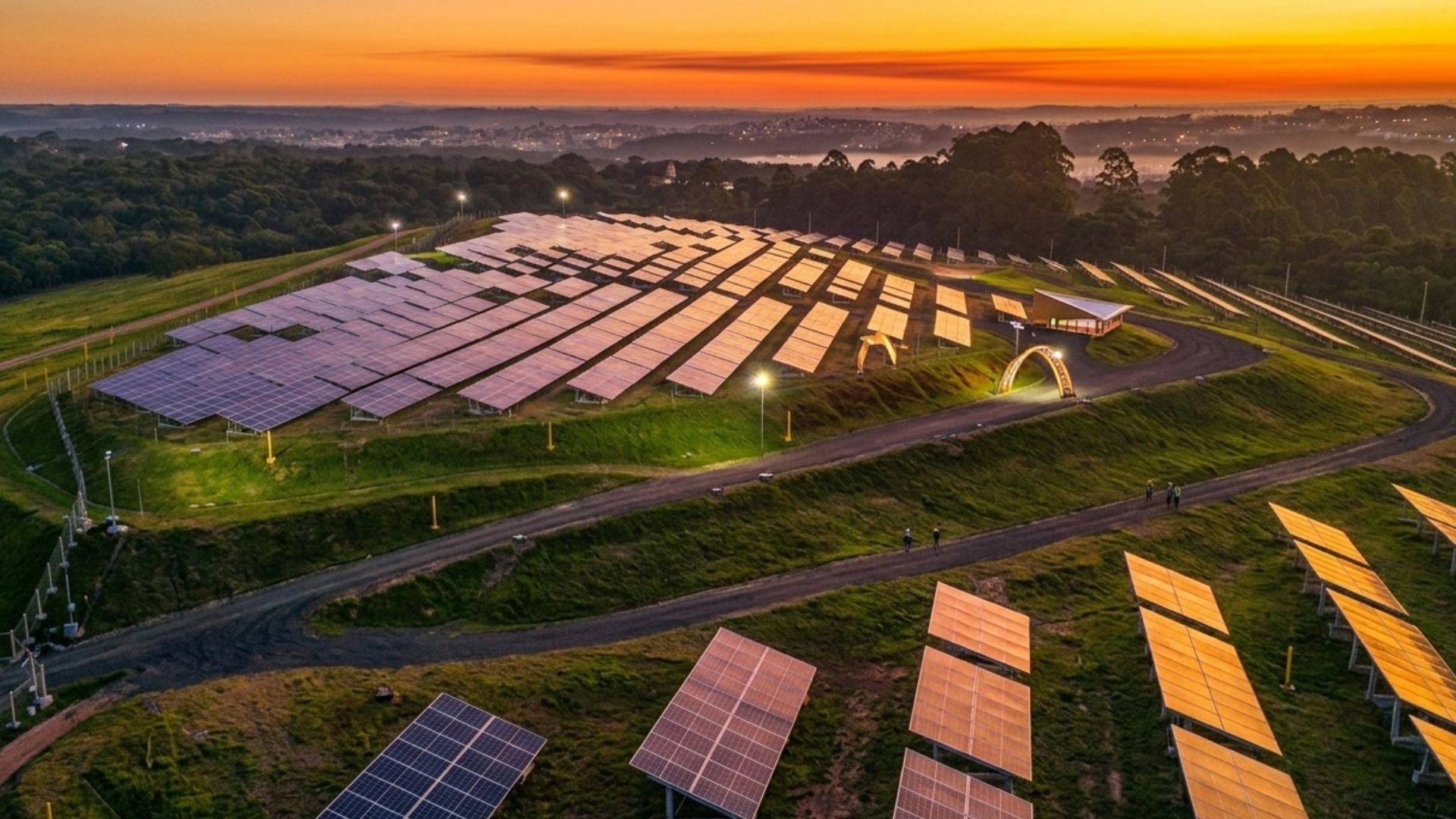
Solar Pyramid draws attention by converting solar energy into million-dollar savings and repositioning the City Hall of Curitiba as an example of innovation, sustainability, and intelligent use of public resources.
-
Europe records strong euro economy with solar energy in March and sparks curiosity about which country leads growth that redefines the energy market and reduces costs.

-
Piauí reaches a historic milestone in energy transition: State records nearly 160,000 households powered by solar energy and leads growth in the Northeast.
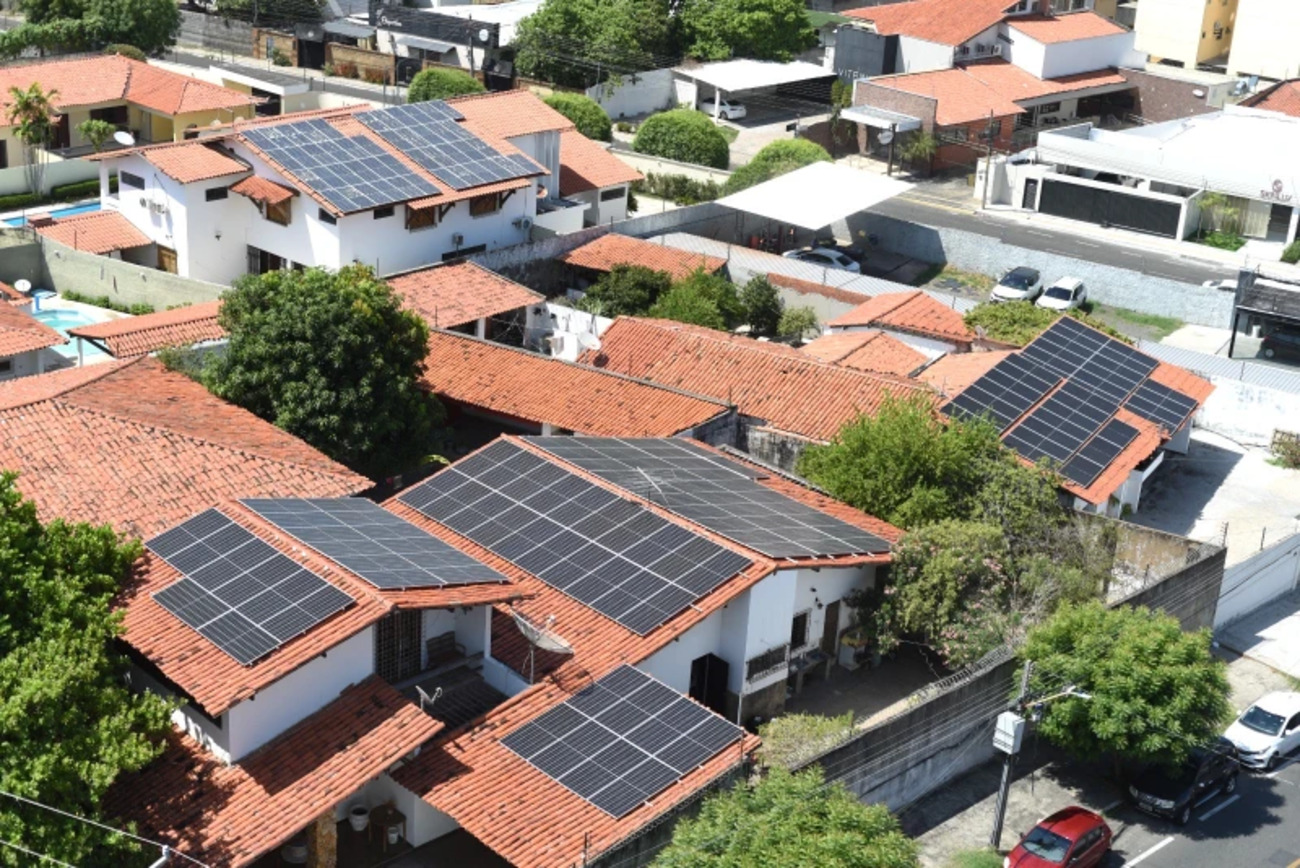

This movement occurs, therefore, in an environment of strong encouragement for the adoption of solar energy. On one hand, consumers seek to reduce electricity costs, especially during periods of red tariff flag. On the other, the expansion of financing options and the gradual reduction of equipment costs, observed in recent years, have driven market growth and increased the level of demand for reliable and quick solutions.
Within this context, the ready-to-deliver model represents direct gains in competitiveness. Additionally, it favors better cash flow management, increases the predictability of schedules, and reduces risks associated with logistical delays. Consequently, integrators can plan projects more securely, maintaining deadlines and improving customer experience.
At the same time, Helte reinforces its strategic positioning in the national solar ecosystem. The company combines operational scale, technology, and logistical efficiency, characteristics that have become essential as the sector enters a more mature phase. In this new stage, the market begins to value not only price but also reliability, deadlines, and operational performance.
Founded in Paraná and headquartered in Marechal Cândido Rondon, Helte operates in the B2B market, serving integrators and installers in all regions of Brazil. Throughout its journey, the company has established itself as one of the main distributors of photovoltaic kits, offering updated technologies, structured logistics, and service models focused on agility and scale.
Thus, the adoption of ready-to-deliver solutions is not limited to a logistical solution. On the contrary, it reflects the accelerated professionalization of the Brazilian solar chain, which, in 2026, begins to demand more efficient, predictable operations aligned with the needs of an expanding market. In this scenario, initiatives like this tend to reshape the dynamics of the sector, raising performance standards across the national photovoltaic chain.










Seja o primeiro a reagir!