





 Portuguese
  English
  Spanish
  4 min of reading
  0 comments


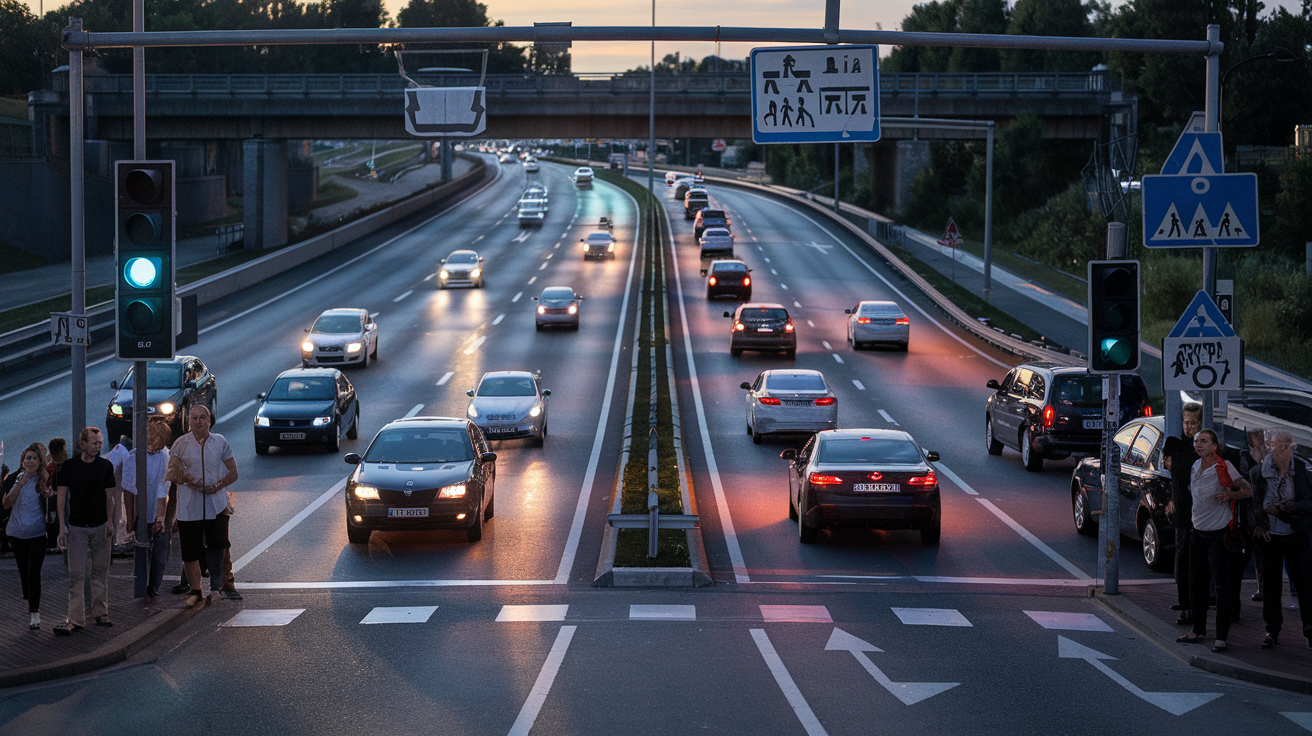
Unexpected Removal of Speed Cameras on the Busy Rodovia do Sol in Vila Velha Leaves Drivers Without Electronic Monitoring. The Absence of These Devices Elevates the Danger of Accidents and Traffic Offenses, Especially in Areas With High Pedestrian Traffic. The Population Is Alarmed, While Authorities Seek Solutions to Ensure Road Safety in the Region.
In a busy stretch of the Rodovia do Sol in Vila Velha, something unusual draws the attention of drivers: the absence of electronic monitoring.
Although signage indicates speed limits, the constant presence of speed cameras and monitors has ceased to be a reality on this route.
The change sparks curiosity and raises questions about road safety in the region.
-
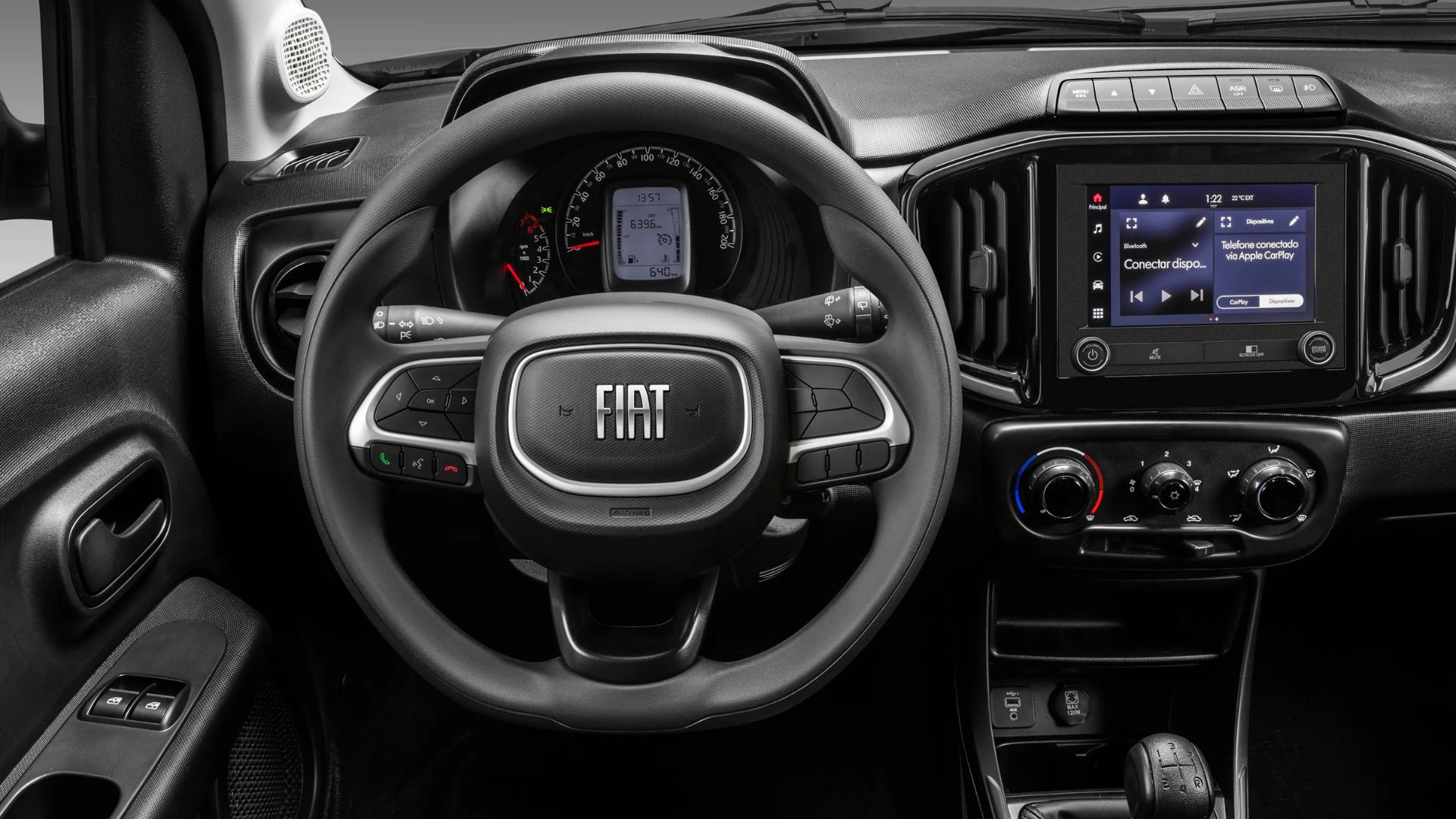
With a 1.0 engine producing 75 hp and costing less than R$ 70,000, Fiat’s car returns to the podium as the cheapest in the country; a temporary promotion for the 2026 Like version reduces the price of the Fiat Mobi.
-
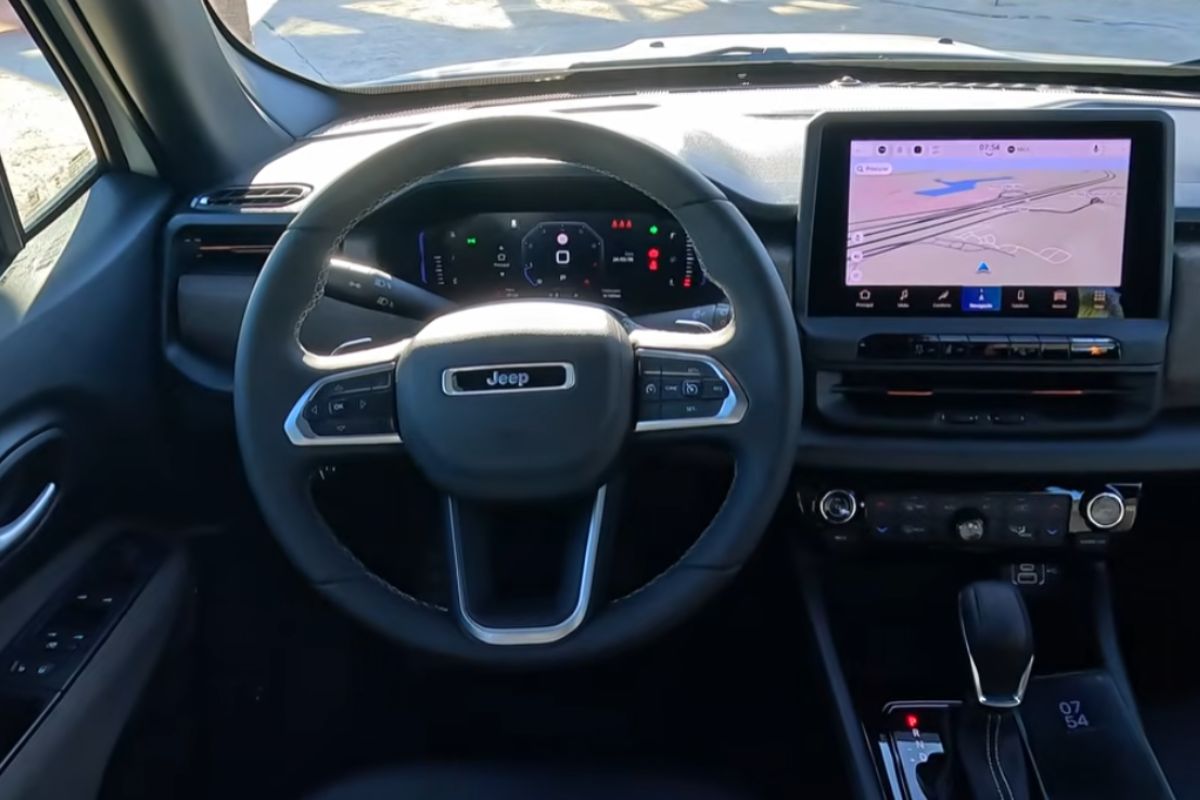
With a mild hybrid system of 48 V, 176 hp and a price of R$ 175,990 in the Sahara version, the new Jeep Renegade changes mostly on the inside, improves slightly in fuel consumption, and remains almost the same car.
-
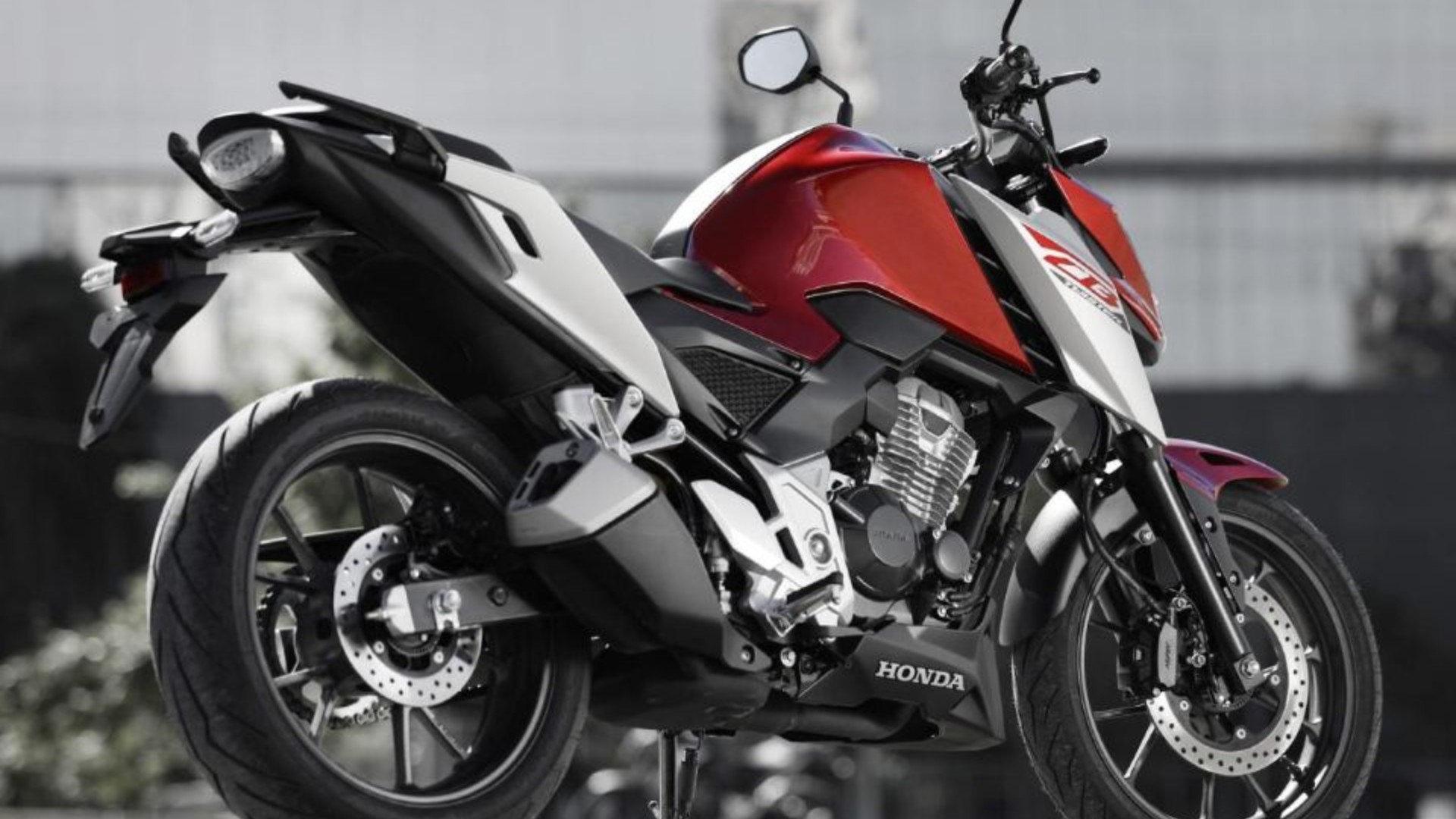
With a 293.5 cm³ engine and a range of up to 400 km with a 14.1-liter tank, the Honda CB 300F Twister 2026 has up to 24.7 hp, an initial price of R$ 25,150, and already exceeds R$ 29,000 in the Fipe Table.
-
With a 1.3 engine, nearly 700 km of range, and Turbo 200, the Fiat model surpasses Polo, Tera HB20, and Onix, becoming the best-selling car in March; see the numbers for the Fiat Strada and others.

The removal of monitoring equipment occurred in the stretch between Hospital Santa Mônica and Shopping Boulevard, covering the neighborhoods of Praia da Itaparica and Jockey de Itaparica.
After a municipalization agreement with the Government of Espírito Santo, the city has assumed the administration of this part of the highway.
Previously, cameras and speed monitors installed at traffic lights monitored local traffic.
With the absence of these devices, the risks of accidents caused by speeding and running red lights increase, especially during peak hours.
The proximity of the highway to the waterfront, an area with heavy pedestrian traffic, heightens concerns about potential accidents.
Traffic offenses such as stopping on pedestrian crossings and the lack of automatic plate recognition are also no longer being monitored.
The Department of Buildings and Highways of Espírito Santo (DER-ES) clarified that, due to the municipalization of the stretch, monitoring is now the responsibility of the city, carried out by the Municipal Civil Guard.
The speed cameras were removed by the company that lost the bid for the replacement of equipment, and the new contractor did not reinstall them at the request of the city itself, due to the project for the implementation of a binary traffic system in the region.
DER-ES informed that there is no forecast for the reinstallation of cameras in this stretch of the highway. After the implementation of the binary system, the agency will conduct a study to assess the need for new monitoring equipment.
Binary System on the Rodovia do Sol
The proposal for the binary system on the Rodovia do Sol aims to transform the stretch between Shopping Boulevard and Hospital Santa Mônica into one-way.
Announced in 2024 by the mayor of Vila Velha, Arnaldinho Borgo, the work was scheduled to begin in April of that year.
However, nearly a year later, the intervention has yet to commence. The work will be carried out in partnership between the State Government and the city.
In May 2024, the Secretary of Mobility and Infrastructure, Fábio Damasceno, highlighted the complexity of the project and pointed out obstacles to its execution.
“It’s easy to do the part of the Rodovia do Sol, where we remove the median, move the lighting to the sidewalks, and open another lane. But the other part of the binary is for the city to evaluate entrance and exit for garages. There are a number of interferences that the city is evaluating and finalizing. It’s a project that takes time to mature. It’s not for now,” he stated at the time.
In a statement, the Secretary of Mobility and Infrastructure (Semobi) informed that the binary project is being developed alongside the City of Vila Velha.
The city, in turn, stated that the speed cameras are the responsibility of DER-ES.
Safety Concerns
The absence of electronic monitoring in this stretch of the Rodovia do Sol generates apprehension among residents and visitors to the area.
The possibility of an increase in traffic violations, such as speeding and running red lights, puts both drivers and pedestrians at risk.
The proximity to the waterfront, an area with significant pedestrian traffic, intensifies these concerns.
The Municipal Civil Guard, responsible for monitoring in the stretch, faces the challenge of compensating for the absence of electronic equipment.
The effectiveness of this manual monitoring will be crucial for ensuring road safety in the area until new measures are implemented.
Future Perspectives
The implementation of the binary system on the Rodovia do Sol is anticipated as a solution to improve traffic flow and enhance safety in the region.
However, the delay in executing the project and the lack of a timeline for the reinstallation of electronic monitoring equipment leave the population on alert.
In the meantime, it is essential that drivers respect traffic laws and that monitoring, even if manual, is intensified to prevent accidents and ensure everyone’s safety.
For experts, the removal of speed cameras and monitoring equipment on a busy stretch of the Rodovia do Sol in Vila Velha has brought concerns about road safety in the region to the forefront.
The absence of these devices increases the risks of accidents and violations, especially in areas with high pedestrian traffic.
The implementation of the binary system is seen as a possible solution, but its delay generates apprehension.
In the meantime, the responsibility falls on manual monitoring and driver awareness to ensure everyone’s safety.








Seja o primeiro a reagir!