





 Portuguese
  English
  Spanish
  4 min of reading
  0 comments


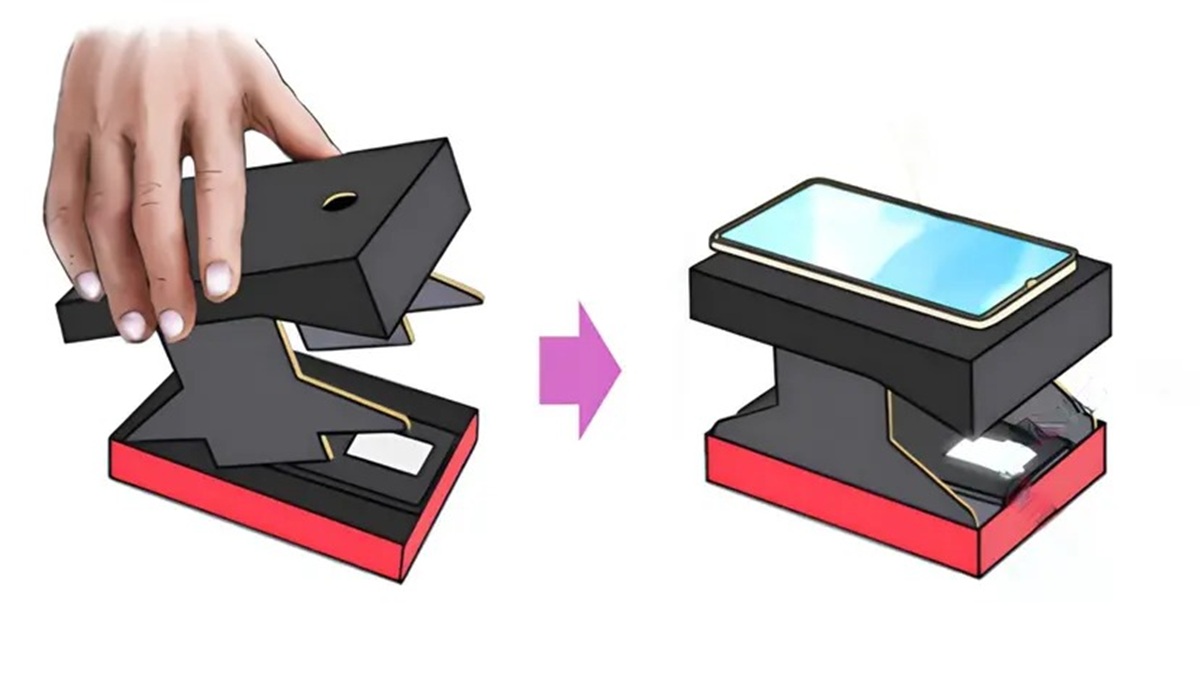
Developed By Researchers At Hiroshima University, The Portable Dosimetry System Uses Radiographic Film, A Foldable Scanner, And A Smartphone Camera To Measure Doses Of Up To 10 Gray On-Site, At A Cost Of Less Than US$ 70, Targeted At Mass Nuclear Emergencies
Hiroshima University has developed a portable and low-cost system that transforms smartphones into nuclear radiation detectors, allowing for immediate dose assessments on-site following radiological incidents, in a context of cautious resumption of nuclear energy in Japan.
Portable System For Immediate Dose Assessment
Researchers at Hiroshima University have created a dosimetry method that utilizes a smartphone to measure radiation doses directly at the incident location. The goal is to enable quick responses in nuclear or radiological accident scenarios.
The system was detailed in the journal Radiation Measurements and was designed for situations involving mass casualties. In such circumstances, traditional laboratory methods can be slow, costly, or simply inaccessible due to infrastructure damage.
-
China wants to install a giant power bank in space to harvest solar energy continuously, day and night, and has already tested on the ground, in a 75-meter tower, the wireless transmission of energy over a distance of 100 meters to various moving targets.

-
The brute force of the waves turns into clean energy with almost no waste, as promised by a gyroscopic converter created in Japan that, in simulations, couples with the sea’s sway and reaches the maximum limit of 50% efficiency, leaving old marine generators behind.
-
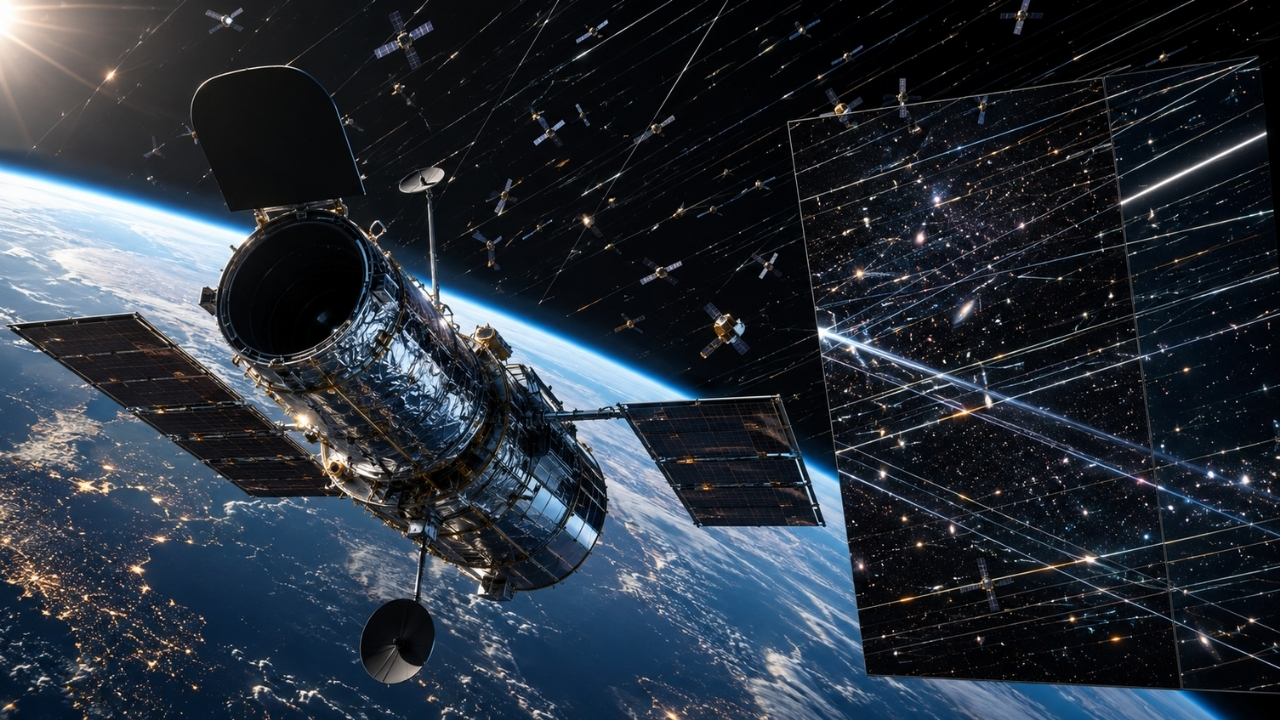
NASA’s space telescope already has 73% of its images contaminated by satellite trails, and scientists warn that the problem could reach 100% if millions of objects are launched into low Earth orbit.

-
From discarded uniform to blanket for those sleeping on the streets: Brazilian initiative transforms tons of corporate fabric into shelter, reduces textile waste, and creates a chain of social impact that starts in companies and ends in the hands of those who need it most.



The central proposal is to enable individualized dose assessments in the field. This allows for quicker medical decisions, a factor seen as essential after large-scale radiological exposures, as highlighted in the study itself.
Components And Functioning Of The Technology
The core of the system is a small piece of Gafchromic EBT4 radiographic film. This material changes color instantly when exposed to ionizing radiation, providing an immediate visual indication of exposure.
For precise quantification, the film is scanned with a battery-powered foldable scanner. Then, the smartphone camera captures the image, which is analyzed by mobile image processing applications.
Tests have demonstrated that the method can measure relatively high doses, of up to 10 Gray. According to researchers, a dose of 10 Gray on the skin is sufficient to cause permanent hair loss.
Performance, Accuracy And Cost Of The System
The team tested the system with various smartphone models, including Samsung and iPhone devices. The results showed that the cyan color channel of digital images provided the most consistent and reliable dose response.
Although professional desktop scanners offer greater accuracy, the smartphone-based system provides a practical balance between reliability and accessibility. It was designed for emergency use, not to replace laboratory equipment.
The total cost of the setup is less than US$ 70, a significantly lower amount than conventional dosimetry equipment. Additionally, the system is lightweight and portable, making it easier to transport to disaster-affected areas.
Application In Radiological Emergency Scenarios
The corresponding author of the study, Hiroshi Yasuda, a professor at the Hiroshima University Institute of Radiobiology and Medicine, emphasized the practical focus of the project. He noted that simplicity, universality, and cost-effectiveness are critical factors.
Yasuda stated that in severe radiological accidents, voluntary dose assessments on-site should occur immediately. The system’s proposal is to function even under extreme conditions, such as after natural disasters that damage essential services.
The team is now working on standardizing protocols to ensure reliability in different environmental conditions. The study was co-authored with PhD student Hassna Bantan, and the costs of open-access publication were funded by the university.
Energy Context And Nuclear Resumption In Japan
The development of the portable detector comes at a time of change in Japanese energy policy. The country, with few natural resources, seeks to reduce dependence on volatile global gas and coal markets.
At the same time, the expansion of data centers and semiconductor factories increases the demand for stable and continuous energy. Sources such as solar and wind, on their own, cannot reliably provide this base load.
Japan has a legal target of achieving net zero emissions by 2050. According to the material, this goal is difficult to achieve without the use of nuclear energy, which has returned to the center of the government’s strategy.
Official Targets And Restart Of Nuclear Plants
Under Prime Minister Sanae Takaichi’s administration, the government abandoned its previous commitment to reduce nuclear dependence. The 7th Basic Energy Plan, adopted in early 2025, sets a target of 20% of nuclear electricity by 2040.
In 2024, the share of nuclear energy was around 9%. The new plan represents a significant increase in nuclear presence in the Japanese energy matrix over the coming decades.
A concrete step occurred on January 21, 2026, when TEPCO began the process of restarting the Kashiwazaki-Kariwa plant, considered the largest nuclear power plant in the world.
Public Trust And Safety Monitoring
This was the first time since 2011 that TEPCO, the operator of the Fukushima plant, received authorization to restart a reactor. Even so, public trust remains fragile due to past disasters and scandals.
In this scenario, technologies that reinforce transparency, preparedness, and field monitoring can help rebuild that trust. The system from Hiroshima University fits into this context as a complementary tool.
Although it does not replace large-scale monitoring networks, its practicality and low cost allow for rapid availability. This signals the growing importance of individual preparedness tools as Japan cautiously resumes nuclear energy.







-

1 person reacted to this.