





 Portuguese
  English
  Spanish
  5 min of reading
  0 comments


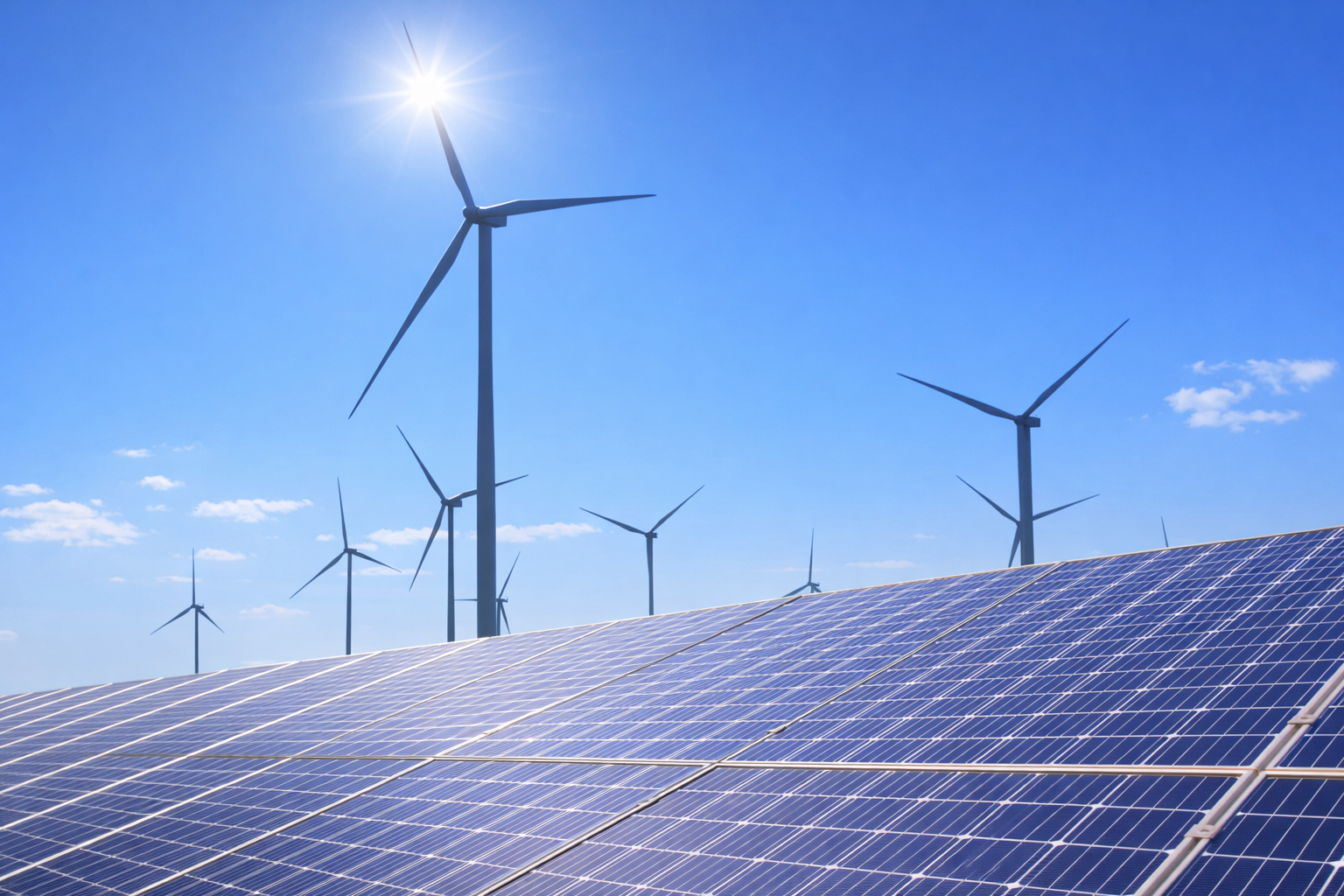
See How a Historic Milestone in the European Union Consolidated Solar and Wind Energy as Main Electricity Sources, Redefined the Energy Matrix, Strengthened Energy Security and, at the Same Time, Accelerated the Transition to a Cleaner and More Resilient System.
The energy transition in Europe reached a historic milestone in the European Union in 2025. For the first time, energy generation from wind and solar sources surpassed fossil fuel-based production. In this context, the result goes beyond a simple statistical indicator.
In practice, it reflects decades of political decisions, strategic investments and structural changes in the way the continent produces and consumes electricity. Furthermore, by surpassing fossil fuels, renewable sources consolidate a new chapter in European energy history. Consequently, they reinforce the European Union’s role in the global clean energy agenda.
At the same time, this advancement signals a deep cultural shift in the European energy sector. Traditionally, the model has centered around large thermal power plants. However, gradually, this format gives way to a more decentralized generation integrated into the territory.
-
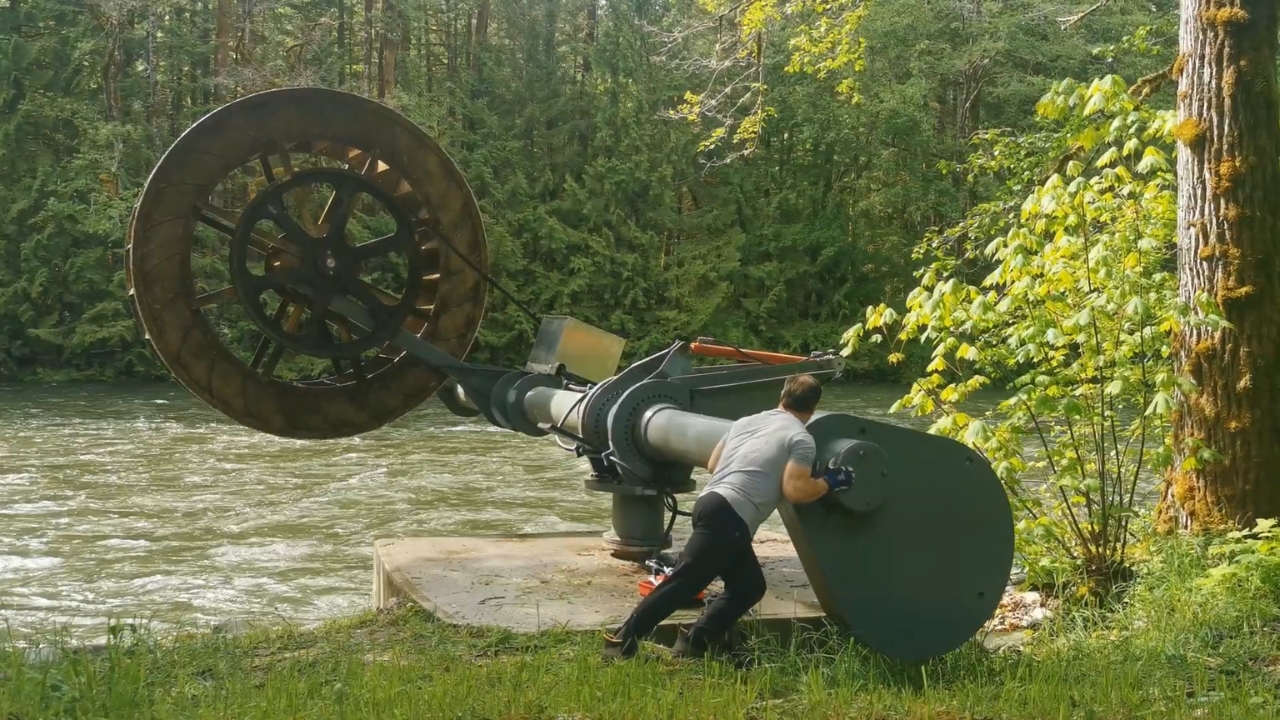
A Canadian retiree creates a hydroelectric system on a real river, generating energy continuously throughout the day and demonstrating how the power of water can supply a house with stability even in a simple structure.
-
Petrobras reaffirms its commitment to the market and ensures that it will carry out the energy transition safely to maintain national sovereignty.

-
Researchers discover a possible hydrogen deposit of up to 46 million tons beneath an ancient coal basin, and the volume could exceed half of the entire global production.

-
China bets on the Fishery-PV model and transforms fish farms into giant solar plants, covering ponds with panels that generate energy while utilizing the same space for large-scale aquaculture production.


Thus, thousands of distributed solar systems and wind farms bring consumers closer to energy production. In this way, access to electricity expands and, simultaneously, society’s participation in the energy transition strengthens.
Historically, the European energy matrix has relied heavily on coal, oil and natural gas. Since the Industrial Revolution, these sources have driven economic growth. However, at the same time, they have caused high greenhouse gas emissions and created geopolitical vulnerabilities.
Throughout the 20th century, recurring energy crises, such as the oil shocks of the 1970s, had already exposed these risks.
Still, only in recent decades has the European Union begun to treat energy diversification and decarbonization as strategic priorities. In this regard, social pressure, climate commitments, and technological advances have paved the way for a structural transformation of the European electricity sector.
The Historical Construction of the European Energy Transition
From the 2000s onwards, the strengthening of climate goals led the bloc to invest consistently in renewable energies. Firstly, governments created incentive programs for solar photovoltaic and wind energy, both on land and at sea.
Simultaneously, the gradual decrease in the costs of these technologies made their adoption economically viable on a large scale.
In addition, the European Union structured clear and predictable regulatory frameworks. As a result, these rules provided security to investors and stimulated the development of a solid production chain.
Consequently, the renewable energy sector began to generate jobs, technological innovation, and industrial competitiveness, reinforcing its role as a driver of sustainable growth.
Over time, the outcome of this process became evident. Currently, solar and wind produce more electricity than coal, oil, and gas.
Thus, this historic milestone in the European Union demonstrates that consistent and long-term public policies can indeed profoundly transform the energy matrix of an entire region.
Furthermore, recent geopolitical factors have accelerated this movement. Instability in international energy markets has once again highlighted the fragility of external dependency.
In light of this, renewable generation has come to be seen as a strategic asset, capable of reducing risks and strengthening energy sovereignty.
The Protagonism of Solar and Wind Energy in the New Matrix
Within this scenario, solar energy has taken on a central role. On one hand, the rapid expansion of photovoltaic plants has raised the source’s share in the electricity matrix.
On the other hand, the spread of distributed generation has brought the technology closer to the end consumer.
In some countries, for example, solar already accounts for more than 20% of annual generation, proving its technological maturity and integration into the electrical system.
Similarly, wind energy maintains a consistent growth trajectory. Additionally, onshore and offshore wind farms are spreading across coastal regions and maritime areas, especially in northern Europe.
Thus, these projects symbolize the transformation of the energy landscape and, simultaneously, drive technological and industrial development.
Despite this significant advancement, the transition has faced relevant obstacles. Throughout the process, the European Union dealt with technical, regulatory, and economic challenges.
In particular, the variability of renewable sources required continuous planning and structural solutions to ensure supply security.
Declining Fossil Fuels and the Role of Natural Gas
In this context, natural gas has taken on a transitional role. While it still integrates the energy matrix, European countries have started to use it as a complementary source during periods of low renewable generation.
Still, its use remains below historical levels, reinforcing the trend of gradual reduction of fossil fuels.
At the same time, the decline of coal represents another symbol of this historic milestone in the European Union. For decades, coal sustained regional economies and entire industrial sectors.
Today, however, its share in electricity generation reaches record lows, a direct result of advancing environmental policies and the competitiveness of clean sources.
As a consequence, the closure of coal plants generates significant social impacts. Therefore, just transition policies become essential.
Thus, professional retraining programs and new economic investments gain importance for regions that were previously dependent on this source.
Infrastructure, Grids, and Storage as Next Challenges
With renewables at the center of the electrical system, new structural challenges gain importance. First of all, the expansion of storage systems, such as batteries, has become essential to handle demand peaks and variations in generation.
Additionally, countries that invested early in these solutions are already observing concrete gains, such as greater grid stability and less use of fossil sources during critical hours.
At the same time, storage reduces losses and waste, allowing for better utilization of renewable energy.
Simultaneously, the digitization of electrical networks plays a strategic role. Smart technologies optimize the management of supply and demand.
Moreover, they facilitate the integration of decentralized sources, allowing greater active participation of consumers and enhancing the efficiency and resilience of the system.
Economic Impacts and Long-Term Perspectives
From an economic perspective, the expansion of solar and wind reduces the volatility of energy prices in the long run.
This occurs because, unlike fossil fuels, renewable sources have more predictable costs after installation.
Furthermore, the historic milestone in the European Union achieved in 2025 reinforces the importance of consistent public policies. Clear goals, stable regulatory frameworks, and adequate incentives have attracted investments.
As a result, they accelerated the adoption of renewable energies over the years.
Looking to the future, the trend points to continuous growth of renewable energies, driven by more ambitious climate goals and the pursuit of carbon neutrality.
Thus, the European Union consolidates itself as a global laboratory for energy solutions.
In summary, the overcoming of fossil fuels by solar and wind energy marks a turning point in the continent’s energy history.
Therefore, this historic milestone in the European Union symbolizes the convergence of technological innovation, environmental commitment, and geopolitical strategy, demonstrating that the transition to a cleaner, safer, and more resilient energy matrix is already definitively integrated into the European reality.









Seja o primeiro a reagir!