





 Portuguese
  English
  Spanish
  4 min of reading
  0 comments


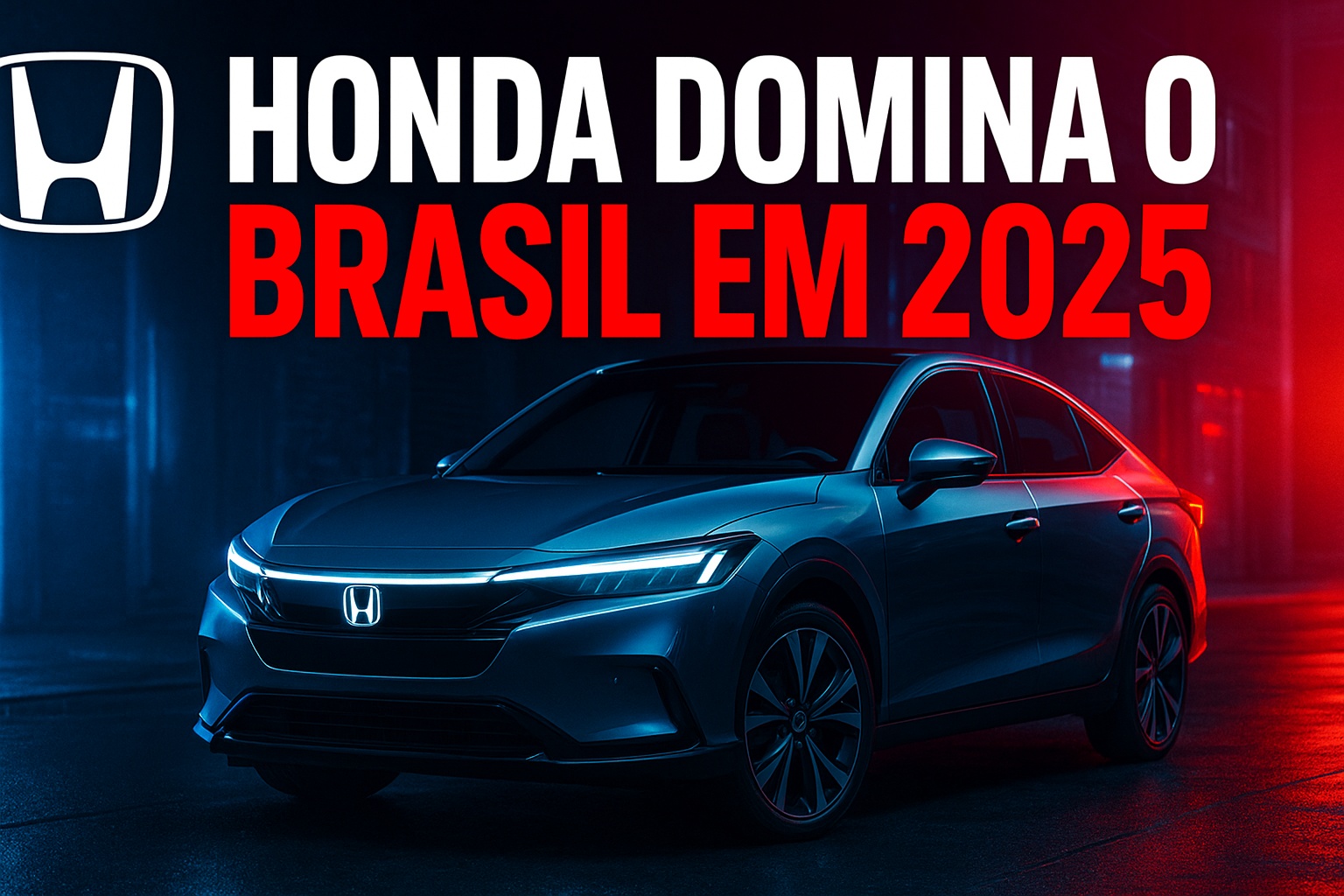
Honda Becomes The Most Searched Automotive Brand In Brazil In 2025, Driven By New Hybrids, Modern Design, And The Revival Of Brazilian Interest In Japanese Technology.
Honda has once again taken a prominent place in the imagination of Brazilian drivers. Recent search trend data indicates that, in 2025, the Japanese automaker became the most searched car brand on Google in Brazil, surpassing rivals such as Toyota, Volkswagen, and Chevrolet. The survey, released by automotive industry portals, shows a significant increase in interest in Honda models and confirms the brand’s revival in the country after years of retrenchment.
The result is no coincidence. It reflects a set of factors ranging from portfolio renewal and advancements in energy efficiency to the growth of the lightweight motorcycles and hybrids segment, which today represent an increasingly significant share of the Brazilian automotive market.
Honda’s Comeback In Brazil
After a period of industrial adjustments and restructuring of the production line, Honda has strategically expanded its presence in Brazil. The brand has stood out not only for its reliability but also for a more technology-oriented repositioning.
-
The car stored for 38 years: when opening the barn door, what appears is breathtaking and looks like a scene from a movie!

-
Fiat works miracles in the Brazilian market, lowers the price of its 0 km hatch to R$ 69,990, reestablishes the model as the cheapest car in the country, and reignites the battle against Kwid and C3.
-
Chevette with cooking gas: How the gas cylinder ends up being used in cars clandestinely and why this makeshift solution can result in leaks, explosions, damaged engines, and seized vehicles.

-
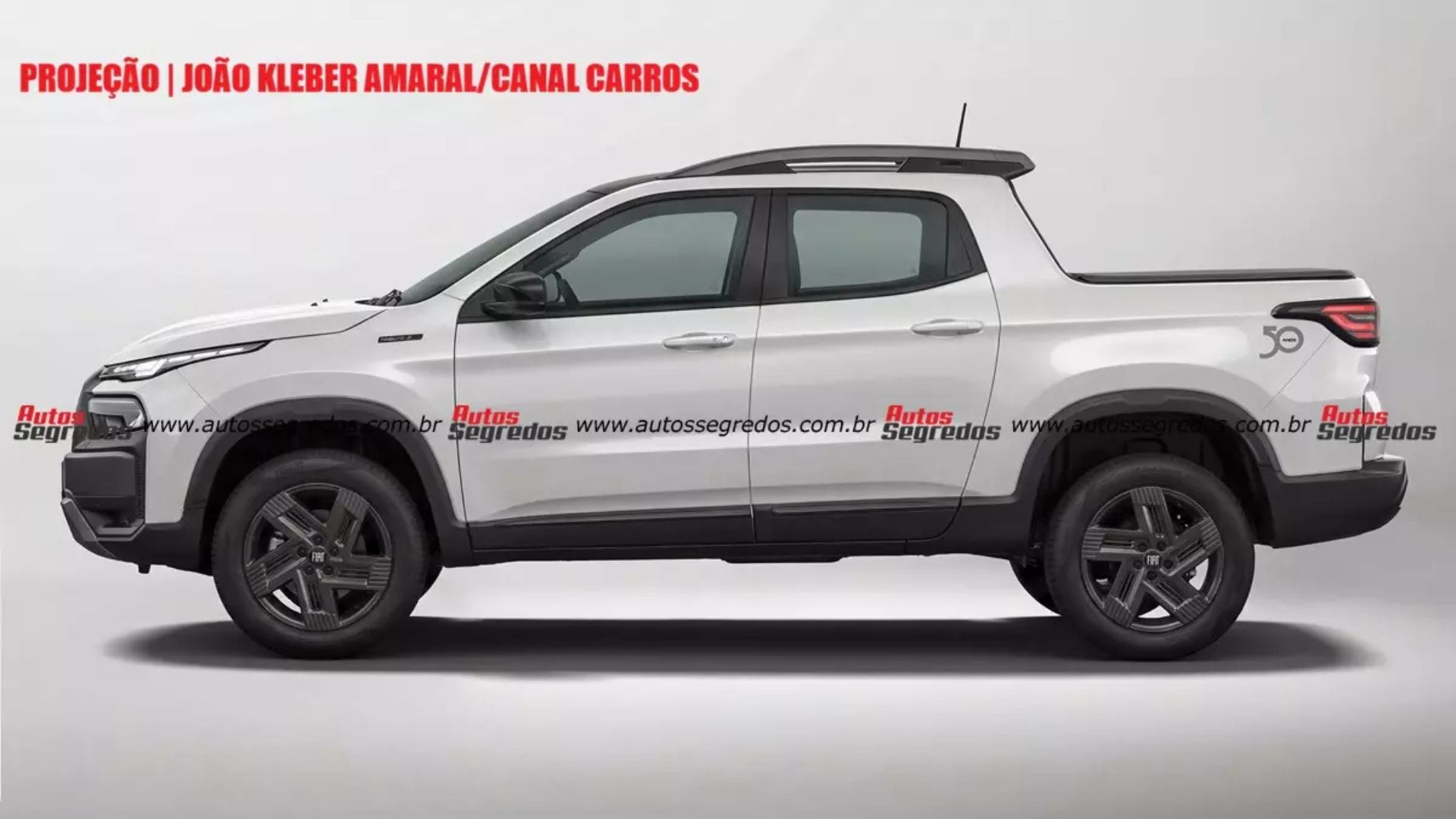
Fiat launches the new 2027 Toro hybrid with 48V, 176 hp, an electric motor of 15.5 hp, a 0.85 kWh battery, up to 7% fuel savings, 8% fewer emissions, and possible exemption from IPVA.
In the last two years, the automaker has focused on hybrid models and updates with bold design, such as the new Honda HR-V, Civic, and City Hatch, which are appealing to different audiences — from urban consumers seeking economy to drivers prioritizing comfort and connectivity.
The performance in searches reflects this progress: interest in “Honda HR-V 2025”, “new hybrid Civic”, and “Honda motorcycles” has steadily increased over the first half of the year, indicating that the brand has managed to emotionally reconnect with the Brazilian public.
Technology And Efficiency As Assets
Honda has always been recognized for durable engines and reliable mechanics, but in 2025 the company managed to combine tradition and innovation.
The launch of the e:HEV lineup, with a self-recharging hybrid system that combines combustion and electric engines, was a game-changer. This technology, already used in the Civic and HR-V, eliminates the need for external charging and offers an average consumption of over 19 km/l, placing the brand’s models among the most efficient in the national market.
Additionally, the growing use of ADAS (Advanced Driver Assistance Systems), braking sensors, and adaptive cruise control has brought Honda closer to premium automakers, without abandoning the focus on reliability — an attribute that has always been the heart of the brand.
Digital Strategy And Global Repositioning
Another reason for the surge in searches is related to digital presence. Honda has intensified its campaigns on online platforms and increased engagement with the younger audience.
The investment in digital marketing and active presence on social media, combined with the rise in searches for the brand’s motorcycles, has made Honda prominent in inquiries related to mobility and hybrid vehicles.
Globally, the company is also undergoing a repositioning of identity, with new logos and a line of electric products being tested in Asian and European markets. This aesthetic and technological renewal is directly reflected in search trends, as many Brazilian consumers follow the brand’s international launches.
The Strength Of Motorcycles In The Brazilian Market
Another pillar of Honda’s success in the country is its absolute dominance in the motorcycle segment, where the brand accounts for over 75% of the national market. The name “Honda” is practically synonymous with motorcycle in Brazil, which helps explain the substantial volume of searches.
Models such as CG 160, Bros, and CB 300F Twister continue to lead sales and generate constant interest, while the arrival of the ADV 160 lineup reinforces the brand’s presence among urban consumers seeking performance with economy.
This combination of historical strength in motorcycles and modern repositioning in cars places Honda on a unique level among automakers in the country.
What Explains The Growing Interest
The dominance in searches is not only a reflection of popularity but of consumer trust.
Among the main factors explaining this performance, industry experts highlight:
- Tradition of after-sales service and accessible maintenance;
- Valuation in the used market, with liquidity above average;
- Efficient fuel consumption and mechanical reliability;
- More modern and connected design to international standards.
Honda has also benefited from a favorable context: with the prices of new vehicles rising, consumers have begun to seek detailed information before buying — and the Japanese brand has a high positive reputation in satisfaction surveys.
The Impact On The Market
The leadership in online searches is expected to reflect in medium-term sales. Digital interest often anticipates purchasing behavior, and, in this sense, Honda reinforces its status as a desired and trusted brand, especially among consumers migrating from other manufacturers seeking efficiency and durability.
The automaker, which has over 50 years of presence in Brazil, now consolidates as a symbol of stability and Japanese technology in an increasingly competitive market dominated by new Chinese brands.
The strategy of combining tradition, efficiency, and innovation proves to be right. Honda has not only regained relevance but has shown that the trust built over decades is still the most valuable differential in the Brazilian automotive sector.








Seja o primeiro a reagir!