






 Portuguese
  Spanish
  4 min of reading
  0 comments


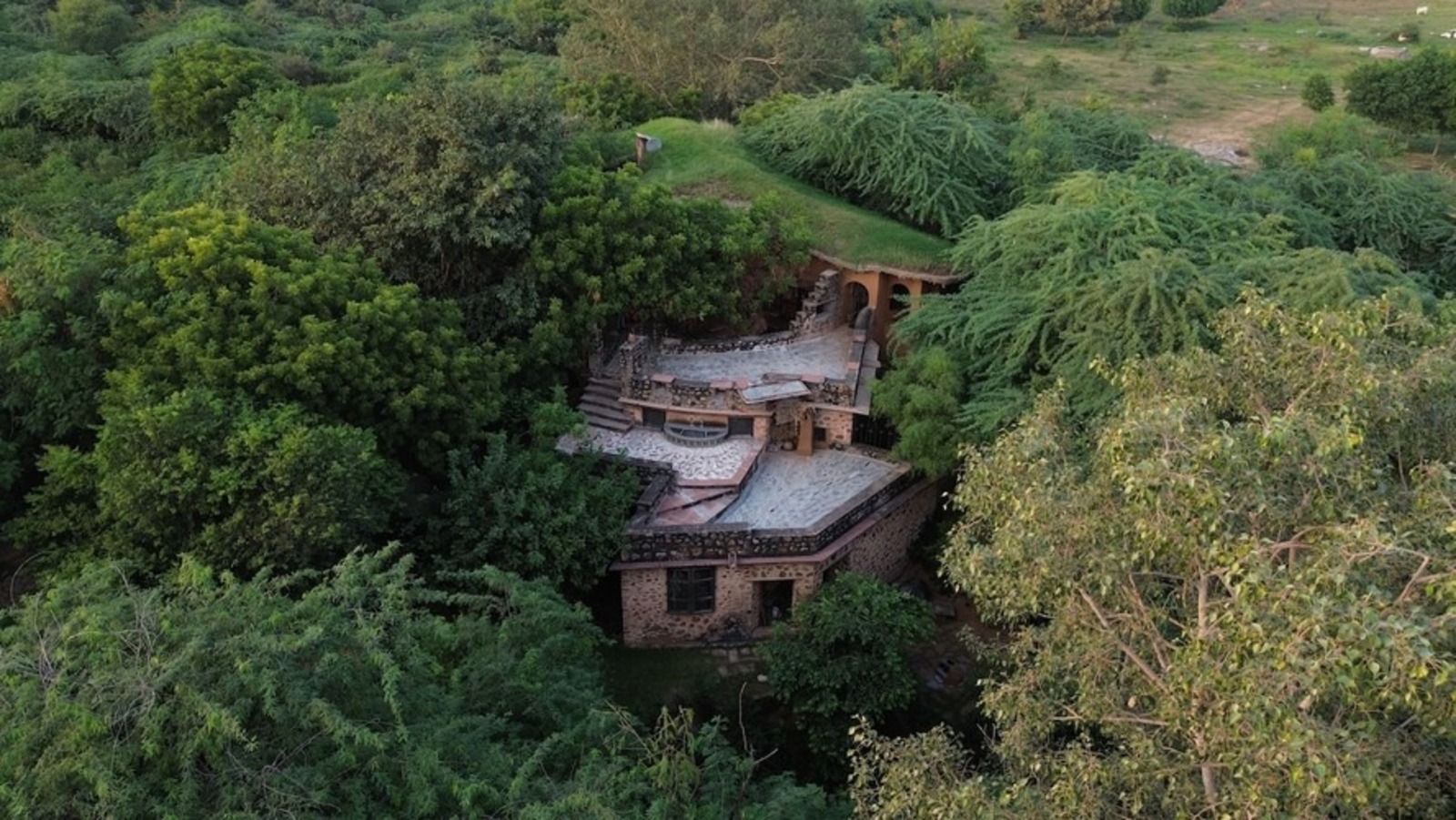
Built With Natural Materials From The Very Ground, The Sustainable Refuge In Surajkund Combines Ecological Architecture, Low-Impact Solutions And Conscious Tourism Experiences, Transforming An Old Quarry Into An International Model Of Balanced Coexistence With Nature And Responsible Environmental Practices
In the outskirts of New Delhi, an old quarry in Surajkund has found a new purpose. Since 1996, the space has hosted a project conceived by architects Revathi and Vasanth Kamath, who aimed to unite tradition, modernity, and respect for the environment.
Architecture In Harmony With The Environment
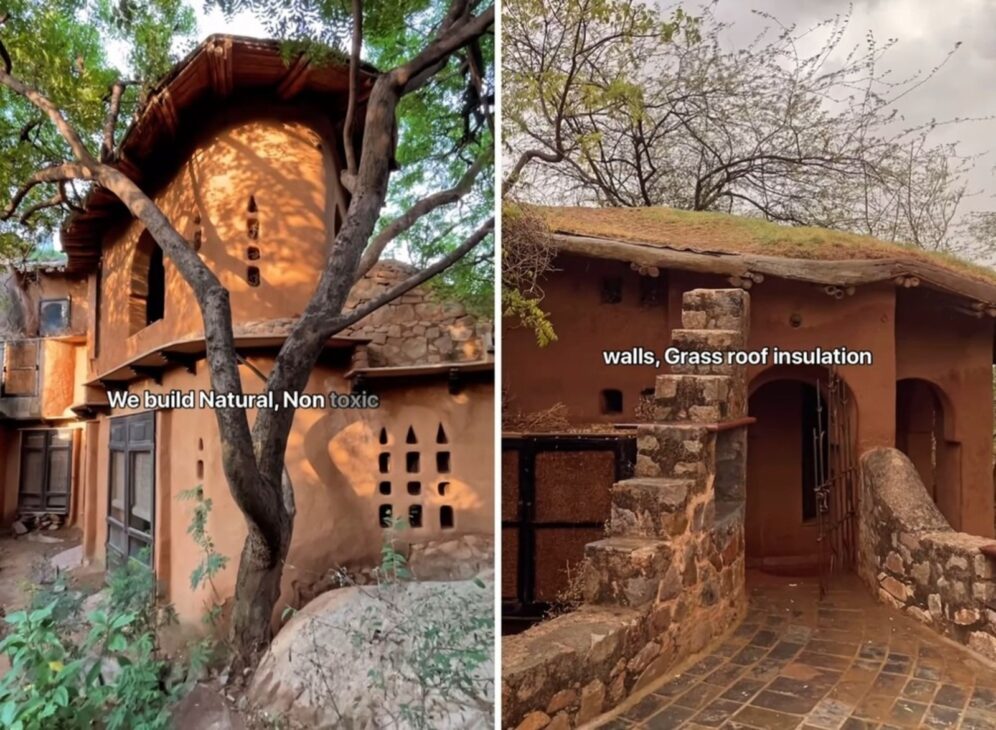
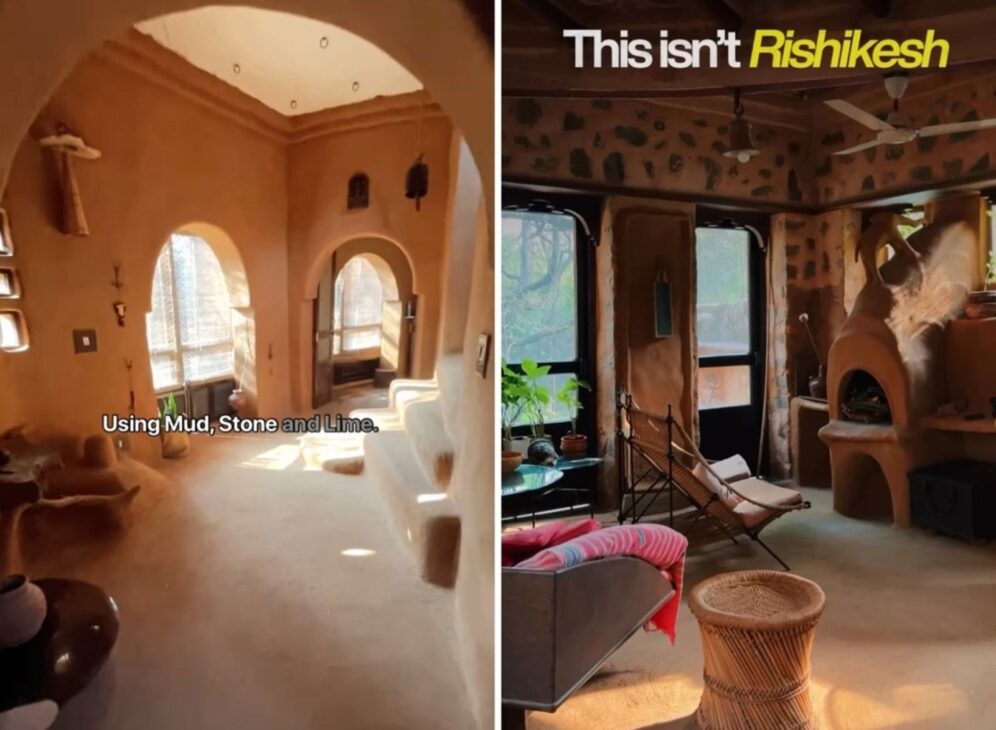
The residence was built using clay, stone, and wood taken from the very ground. This choice reduced impacts by eliminating the need for external materials and valuing local resources.
Additionally, large glass windows allow natural light and constant ventilation, reinforcing the integration with the landscape.
-
He started with a jigsaw, his father’s screwdriver, and many drawings made during classes; years later, the young man who built a roller coaster in his own backyard went viral on the internet, was hired by Cacau Park, and now coordinates Brazilian and foreign professionals in the installation of an attraction weighing 737 tons, 55 meters high, one kilometer long, featuring moments of zero gravity and a speed of 120 km/h, in a journey that turned curiosity, calculations, and persistence into a professional career.

-
Between Egypt and Sudan, Bir Tawil is no man’s land that neither country wants on paper, but in practice has gold mining, nomadic tribes, and even fake “kings.”

-
Swimming champion Shavarsh Karapetyan dove about 40 times into a frozen lake in Armenia to rescue a sunken bus, saved 20 lives, and lost his career because of it.
-
Júlia Pimentel, an 11-year-old from Minas Gerais, independently invented a new formula to calculate the square root using simple addition and multiplication, and her method was published in one of the most important mathematical scientific journals in Brazil.


Combining ancient techniques with current solutions, the space has become a reference in ecological architecture and the recovery of degraded areas.
Thus, it is considered more than just a simple dwelling.
Sustainability Solutions
The project adopted low-impact practices. Among them are rainwater harvesting, the reuse of sink and shower water, and the composting of organic waste.
These systems reduce waste and encourage conscious habits in daily life.
Additionally, vegan meals are prepared on solar stoves, using local ingredients, which reinforces the commitment to sustainability.
Responsible Tourism
Currently, the space is managed by the Ecoplore platform, which promotes responsible tourism experiences. Visits are only available during the day and require advance booking.
The tour includes a walk through the green area, meals on site, and a guided tour of the house.
This way, visitors get to know up close how simple practices can transform an old quarry into an example of balanced coexistence with nature.
The packages range between R$ 61 and R$ 185, depending on the duration and services offered.
With information from Casa e Jardim.
You May Also Like: House At 3 Thousand Meters Altitude Challenges Logic, Can Only Be Accessed By Ropes And Reminds Of The War
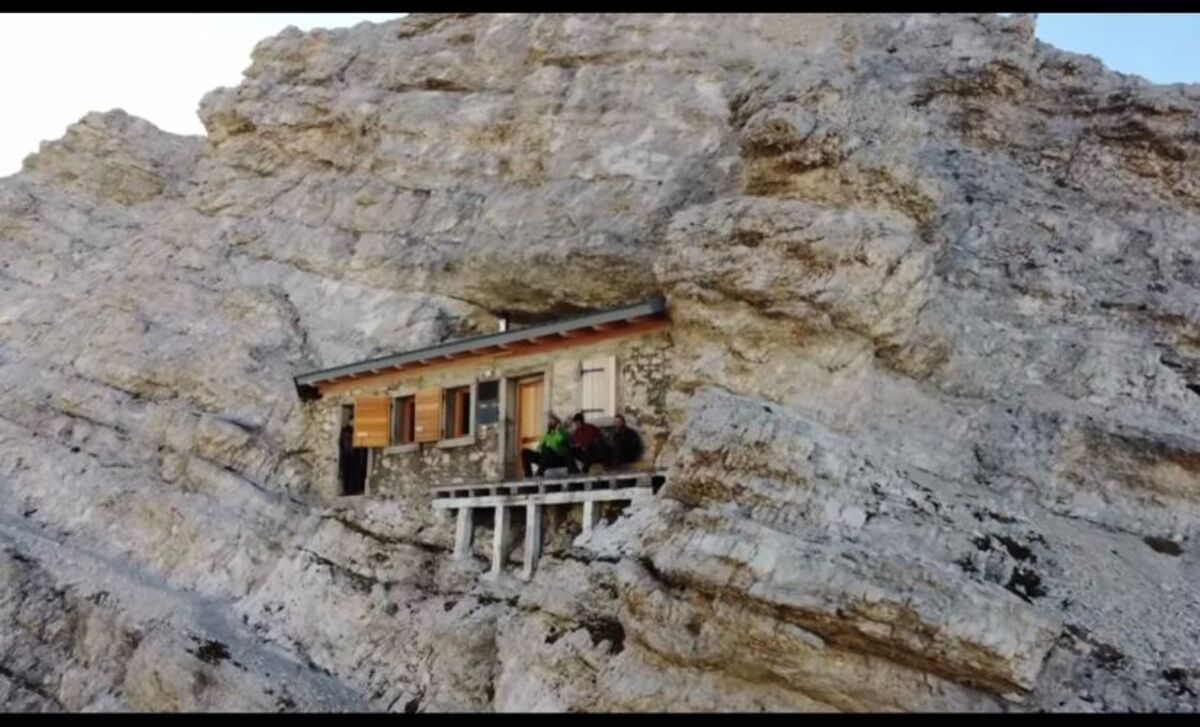
At The Top Of The Italian Alps, A Building Challenges Logic And Gravity. The Buffa di Perrero, as it is called, is set at 2,760 meters of altitude, on a steep slope of Monte Cristallo.
It can only be reached by climbing. The trail is one of the most difficult in the region.
The house was built during World War I. It served as a military shelter for Italian soldiers.
Located in an almost inaccessible spot, it offered protection against attacks as well as against the severe mountain weather.
Even more than a century later, its structure still impresses those who reach it.
House In The Mountains: Architecture At The Limit
The Buffa di Perrero Looks Like A Miniature Fortress. Its Walls Are Made Of Stone And The Roof Is Sloped.
It Is Located On A Slope So Steep That Experts Still Wonder How It Was Possible To Raise Something There.
According To Researchers, The Materials Were Pulled Up With Ropes And Improvised Cranes. The Work Was Risky And Required Extreme Courage.
Today, The House Is Empty. Still, It Carries Marks Of War. In 2020, A Group Of Climbers Found Old Objects Inside, Such As Food Cans And Uniform Buttons. These Are Reminders Of A Time Forgotten In The Clouds.
War Memory
The Building Served As A Strategic Point During World War I. Soldiers Hid There, Stocked Arms, And Watched The Enemy.
The Name Buffa di Perrero Is A Tribute To Colonel Carlo Buffa di Perrero, Who Commanded Italian Troops In The Region.
The Shelter Has Two Doors And Four Small Windows. The Space Is Cramped And Dim. Today, Only A Few Wooden Chairs And Signs Of The Passage Of Time Remain.
In Return, It Offers A Wide And Impressive View Of The Alps.
High-Risk Trail Leading To The House
The Trail That Leads To The Buffa di Perrero Is Called Via Ferrata Ivano Dibona. It Is Considered One Of The Most Dangerous In The Region. It Requires Physical Fitness, Equipment, And Experience.
The Roof Has Collapsed Under The Weight Of Snow And Has Been Rebuilt. Nevertheless, The Place Remains Mysterious. Few Have The Courage To Face The Way There.
But Those Who Manage To Do So Find A Piece Of History Hidden In The Mountains.





-

-

-

-

-

-

618 people reacted to this.