





 Portuguese
  English
  Spanish
  3 min of reading
  5 comments





Project Approved by the Education Committee Amends the LDB, Creates Education for Young Adults and Seniors, and Expands Free Access to Education for the 60+ Population, Which Already Represents 15.6% of Brazilians
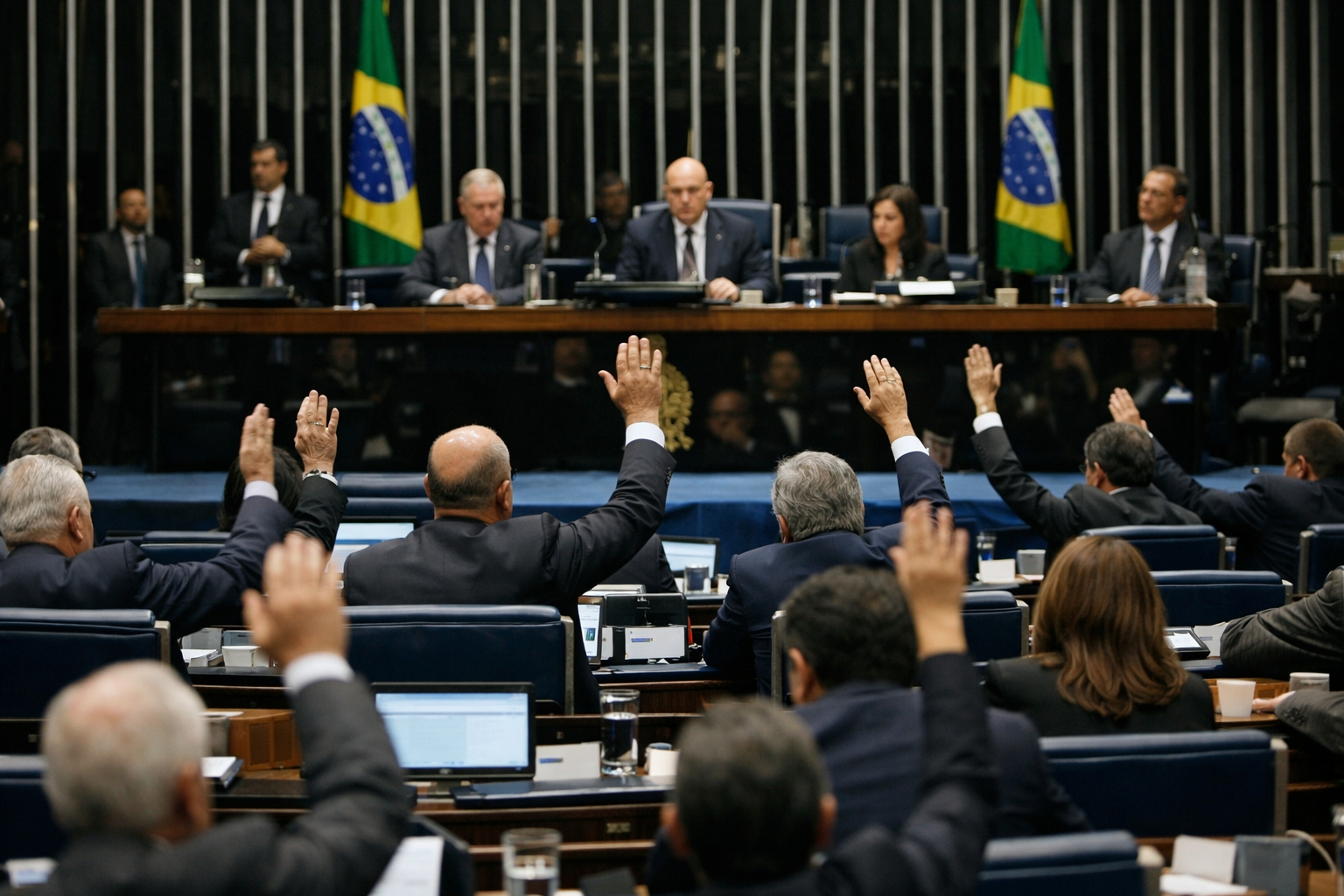
The Education Committee of the Chamber approved the Bill 2679-24, which includes elderly people in the Education for Young Adults and Seniors program, amends the LDB, and creates the EJAI modality, expanding educational services to a group that already accounts for 15.6% of the Brazilian population.
The proposal modifies the Law of Guidelines and Bases of National Education to formally include elderly people in public education policy aimed at those who have not completed elementary or secondary education on time.
Change in the Name and Scope of EJA
If the amendment is enacted into law, the program will be called Education for Young Adults and Seniors, offering specific training for elderly people without prior access to basic education.
-
The noise law will no longer be in effect at 10 PM starting in June with a new rule valid during the 2026 World Cup.

-
The Chamber opens a debate on driver’s licenses at 16 years old as part of a reform that includes around 270 proposals to change the Brazilian Traffic Code and may redesign rules for licensing, enforcement, and circulation in the country.

-
The new Civil Code could revolutionize marriages in Brazil with “express divorce” and changes that could exclude spouses from inheritance.
-
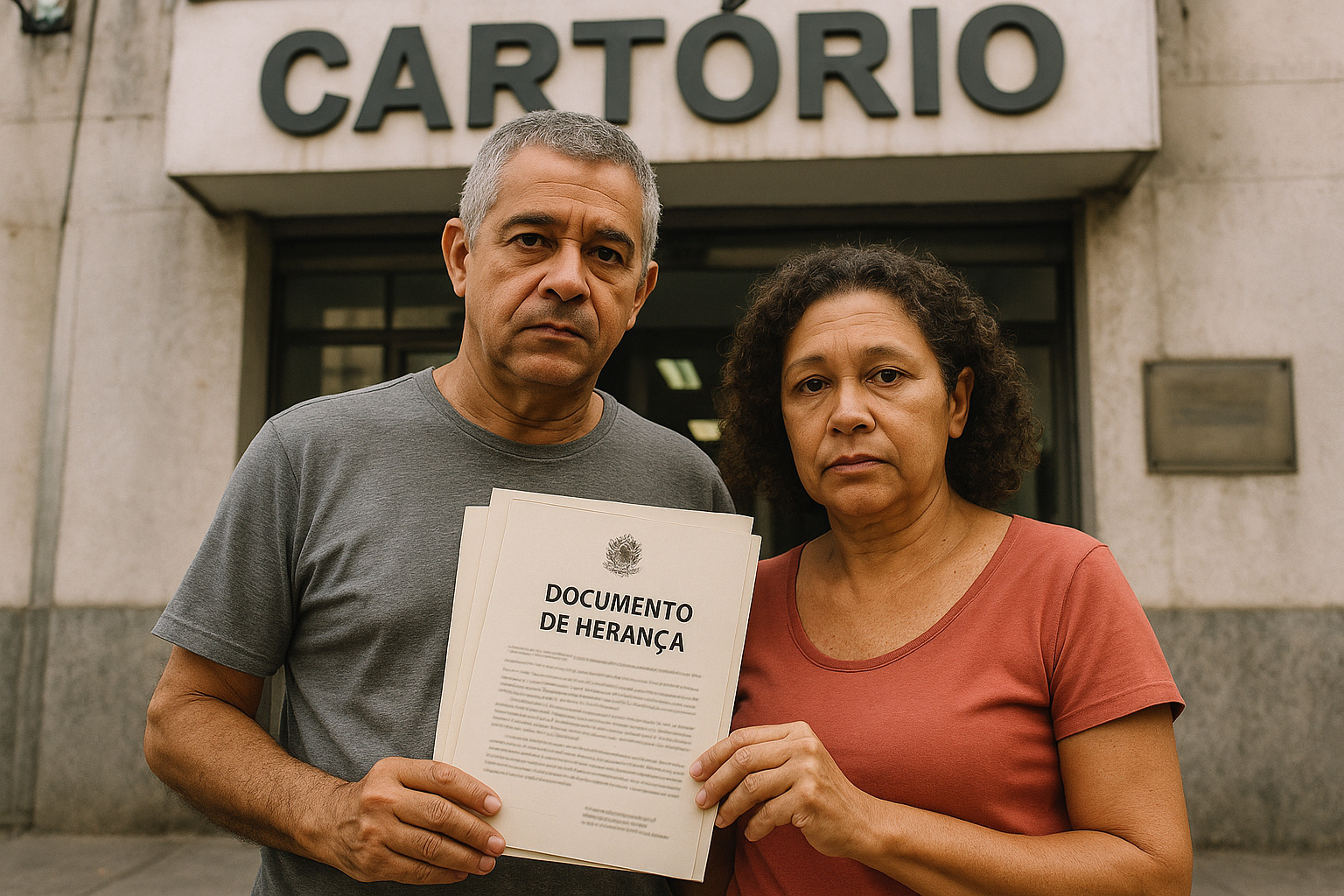
Banco do Brasil sues famous influencer for million-dollar debt and intensifies debate on delinquency, risks of seizure, and direct impact on Gkay’s credibility.


The text establishes that educational systems must guarantee free educational opportunities appropriate for elderly people, with pedagogical methods, teaching materials, and psychosocial support tailored to their needs.
Authorship and Reporting of the Approved Project
Bill 2679-24 is authored by Deputy Ossesio Silva, from the Republicans of Pernambuco, and received a favorable opinion from the rapporteur Franciane Bayer, from the Republicans of Rio Grande do Sul.
According to the rapporteur, the proposal recognizes people who have contributed to the country but have not had adequate opportunities to attend public education fully, reinforcing access to education throughout life.
Processing and Next Steps in Congress
The matter had already been approved by the Commission for the Defense of the Rights of the Elderly and now moves on for analysis by the Commission on Constitution, Justice, and Citizenship, in a conclusive manner.
To become law, the project still needs to be approved by the Chamber of Deputies and the Federal Senate, according to the legislative process established for conclusive proposals.
Growth of the Elderly Population in Brazil
The approval occurs in a demographic context where, for the first time, Brazil has more elderly people than young people, according to data from the Brazilian Institute of Geography and Statistics.
The population aged 60 or older represents 15.6%, while young people aged 15 to 24 make up 14.8%, and the rest of the population corresponds to 69.6%, according to IBGE.
Historical Evolution and Projections Until 2070
In 2000, people aged 60 and over represented 8.7% of the Brazilian population, a percentage that has nearly doubled by 2023, reaching 15.6%, according to official statistical records.
Projections indicate that by 2070, the elderly will represent 37.8% of the population, while the rest will correspond to 62.2%, reinforcing the trend of population aging.
Indicators of Average Age and Life Expectancy
The average age of the population has increased from 28.3 years in 2000 to 35.5 years in 2023, with projections reaching 48.4 years by 2070, according to IBGE.
Life expectancy at birth rose from 71.1 years in 2000 to 76.4 years in 2023, potentially reaching 83.9 years by 2070, increasing the demand for continuous educational policies.
Source: Câmara de Notícias Agency.
Source: Brazilian Institute of Geography and Statistics (IBGE).
Art: Câmara Agency.
Reference date: 10-21-2025.









Parabéns por este programa em prol de educação de nível fundamental e médio destinado a idosos 60+.Agora pergunto, e para idosos 60+que cursam nível superior, haveria alguma de forma de ajudar financeiramente no estudos superiores?Pensem nesta possibilidade. Gratidão.
É muito importante para toda a sociedade. Pessoas acima de 60 anos sendo valorizadas .
O momento certo é esse para aquelas pessoas que não tiveram oportunidade muitas das vezes buscando o sustento da família.
Acho muito bom ,pois o Brasil ainda tem muitos analfabéticos , e com a tecnologia avançada , é importante que os idosos sejam alfabetizados, pois há necessidade do aprendizado , para seu nivel intelectual e saber lidar com o computador , celular acompanhando o avanço que falicitara s vida de todos.