





 Portuguese
  English
  Spanish
  5 min of reading
  2 comments


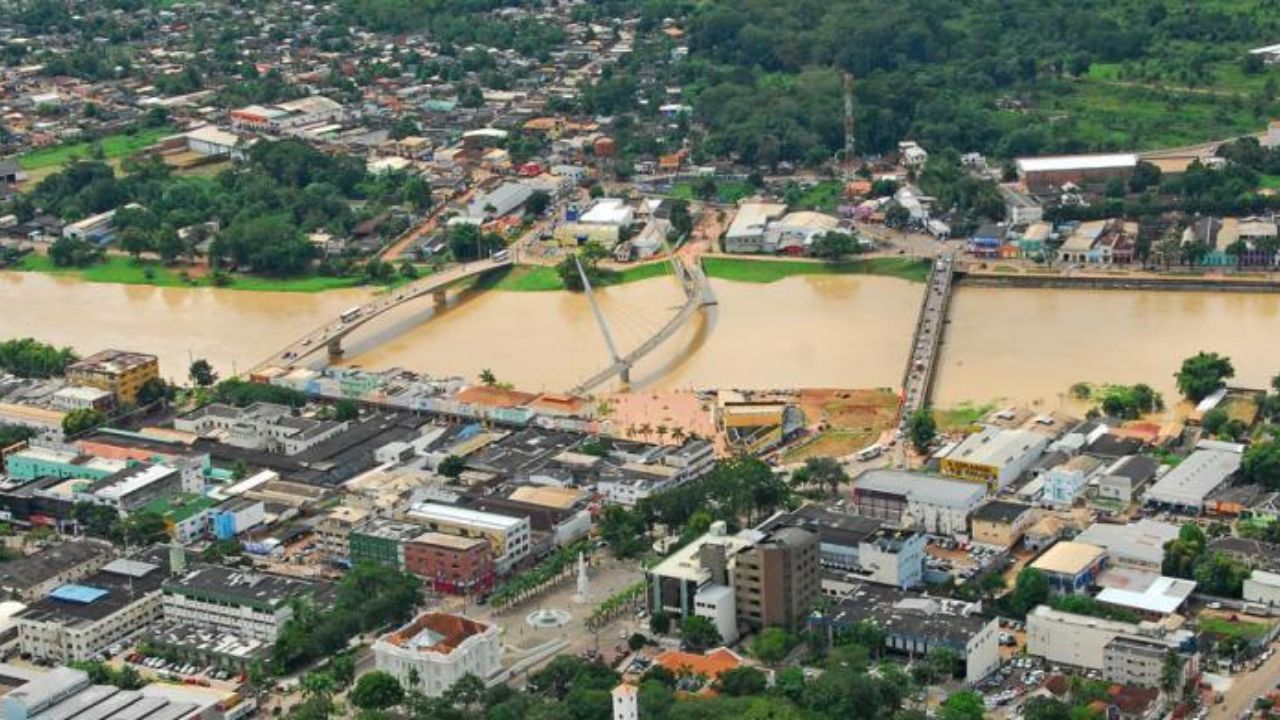


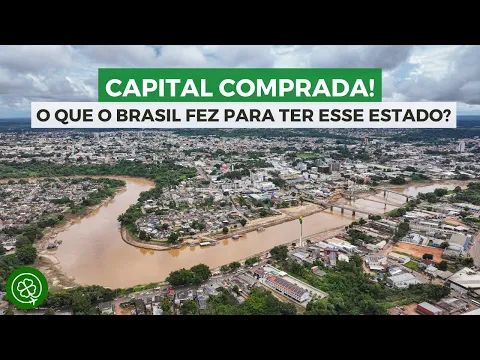
The Capital Rio Branco, In The Heart Of The Amazon, Was Disputed Territory, Once Had Its Own Currency, And Only Became Brazilian After A Billion-Dollar Negotiation With Bolivia, A Historical Fact That The Channel Boa Sorte Viajante Explores In Depth.
The Brazil Bought A State That Was Once A Country, and this diplomatic transaction, which shaped the western border of the Amazon, has a name: Acre. Located in the heart of Western Amazon, Acre, whose capital is Rio Branco, carries a unique history of armed disputes, rubber tapper revolutions, and international agreements that transformed it from a federal territory managed from Rio de Janeiro into an autonomous state. The annexation process involved the local strength of the rubber tappers and, crucially, a treaty that sealed the purchase of the territory from Bolivia for a hefty sum, ensuring its permanence on the Brazilian map.
The complex trajectory of Acre, from a Bolivian province to an integral part of Brazil, is deeply tied to the rubber boom at the end of the 19th century, which attracted thousands of northeastern migrants to the region. It was this rush for the “forest gold,” as rubber was called, that triggered border conflicts and separatist movements. Before the purchase and stabilization as a Brazilian territory, Acre even experienced a brief period of independence, establishing its own government and currency, a little-known fact that underscores the resilient and unique vocation of the region, as detailed by the Channel Boa Sorte Viajante – Matheus Boa Sorte.
The Rubber Tappers’ Revolution: Who Fought For The Amazon?

The Acre we know today was, for a long time, a disputed zone between Brazil and Bolivia. The arrival of waves of Cearāns and other northeasterners, fleeing drought and seeking sustenance in rubber extraction in the late 1800s, intensified the use and occupation of the region, which was then considered part of Bolivian territory. This de facto occupation by Brazilians, alongside indigenous people, Bolivians, and Peruvians formed a diverse and multifaceted society that underpins Acre’s cultural identity.
-
These living root bridges and ladders are over 700 years old and help indigenous people survive in one of the rainiest regions in the world.

-
From sertanejo star to international investor: Ana Castela invests millions in a mansion in the USA, creates a themed accommodation in Orlando, and shows that the “boiadeira” also wants to grow away from the stage.

-
The 10 most stunning motorhomes in the world: a $3 million trailer with a rooftop nightclub and garage for a Ferrari, “palaces on wheels” with Italian marble, private cinema, and five-star hotel luxury for billionaires.

-
Trump wanted to spend $400 million on the White House, but the courts prohibited the million-dollar construction.

Tensions escalated with international interests in rubber. Before diplomacy could resolve the issue, the autonomy of the territory was defended by an armed revolution of rubber tappers, led by the gaucho Plácido de Castro. They were not part of the Brazilian Army but rather a group of local fighters who managed to expel the Bolivians and maintain Acre’s dominance over the area. This local force was a decisive factor, demonstrating the resilience of the people living there who saw themselves as Brazilian by vocation, paving the way for the political resolution that would follow.
Did Acre Ever Become A Country? And What Is The Cost Of Sovereignty?
Before being purchased by Brazil and incorporated as a federal territory, Acre had a brief and bold period as a nation. In a move against an agreement that Bolivia was negotiating with the United States (Bolivia Syndicate) for rubber extraction for 20 years, Spanish journalist Luís Galvéz proclaimed the independence of Acre with financial support from the government of Amazonas. For nine months, the region functioned as an independent country, with its own flag, seal, and legislation, and capital in Porto Acre, 58 km from Rio Branco.
Galvéz’s ephemeral nation, despite being repressed by the Brazilian federal government due to international political pressure (Brazil was viewed unfavorably after the Paraguayan War), placed the territory in the center of global attention. It was this intense dispute that, ultimately, fell to Brazilian diplomat Barão do Rio Branco to resolve. The agreement, known as the Treaty of Petrópolis (1903), sealed the purchase of the Bolivian territory by Brazil for a significant sum of £2 million.
Where And Why Did Brazil Buy Acre?

The purchase of Acre by Bolivia, formalized by the Treaty of Petrópolis, involved more than just a cash payment. To compensate the neighboring nation and ensure the rubber production could flow, as Bolivia had no sea outlet, the agreement established three main clauses:
- Payment: The sum of £2 million to Bolivia.
- Infrastructure: The commitment to build the Madeira-Mamoré Railroad, facilitating the flow of Bolivian rubber through the rivers of the Brazilian Amazon.
- Territorial Compensation: The donation of an area of Brazilian land in Mato Grosso, near the city of Cáceres, to Bolivia.
With the territory officially annexed and the border issue resolved on paper, the federal government created the first Federal Territory of the country. The administration was managed directly from Rio de Janeiro, and Acre was divided into three isolated departments, reinforcing the feeling of distance from the center of power. Only in 1962, after decades of waiting and struggles for autonomy, Acre was elevated to the category of Brazilian state, gaining its full administrative and political autonomy. The capital, Rio Branco, today stands as a symbol of this history of resistance and negotiation, rising over a past of international dispute.
Is It Worth Knowing Acre? The Past That Pulses In The Present
The Acre of today, whose history involved being a country with its own currency and being a Brazil Bought A State That Was Once A Country, is a place where historical memory merges with the richness of the Amazon. The capital Rio Branco, despite being the third smallest in Brazil (about 387,000 inhabitants), is a cultural and bioeconomy hub that honors its roots. Places like the Chico Mendes Environmental Park, a 57-hectare refuge, pay tribute to the legacy of the rubber leader, a worldwide symbol of environmental struggle and forest defense.
The past echoes strongly in every corner, from typical cuisine, with fried tambaqui and culinary flavors of the forest, to the banks of the Acre River, which was the main access route and sustenance for riverside communities. The still-living history is palpable in the geoglyphs, monumental and geometric structures over 2,000 years, revealing the existence of complex societies in pre-Columbian Amazon, an archaeological mystery that attracts visitors from all over the country. Acre, therefore, offers a dive into a unique Brazilian essence, built on resistance and respect for the forest.
Capital Of The Forest: Trajectory
The trajectory of Acre, from an independent nation for a brief period to a transaction of £2 million to become part of Brazil, is one of the most fascinating stories of Brazilian territorial formation. It demonstrates the strategic importance of the Amazon and the strength of a people who fought for their identity and place. Acre today advances with a focus on sustainable tourism and bioeconomy, but without losing respect for the memories that made it unique.
Did you already know all the details of how Brazil Bought A State That Was Once A Country? Was the brief period when Acre was an independent country new to you? Do you agree that this story of dispute and purchase, which almost cost part of the Amazon, impacts the way we view Brazil’s borders today? Leave your opinion in the comments, we want to hear from those who live or are interested in the history of the “Capital of the Forest.”







Como já li em um livro estrangeiro, o Brasil sempre afirmou ser de paz e neutralidade, porém sempre escondeu ser uma nação expansionista na época, hoje se tentar se expandir, é mais fácil perder esses territórios, saibam a verdade, DOA A QUEM DOER. E a realidade nua e crua.
Não conhecia a história, achei muito interessante, parabéns pela matéria