





 Portuguese
  English
  Spanish
 4 min of reading
  0 comments


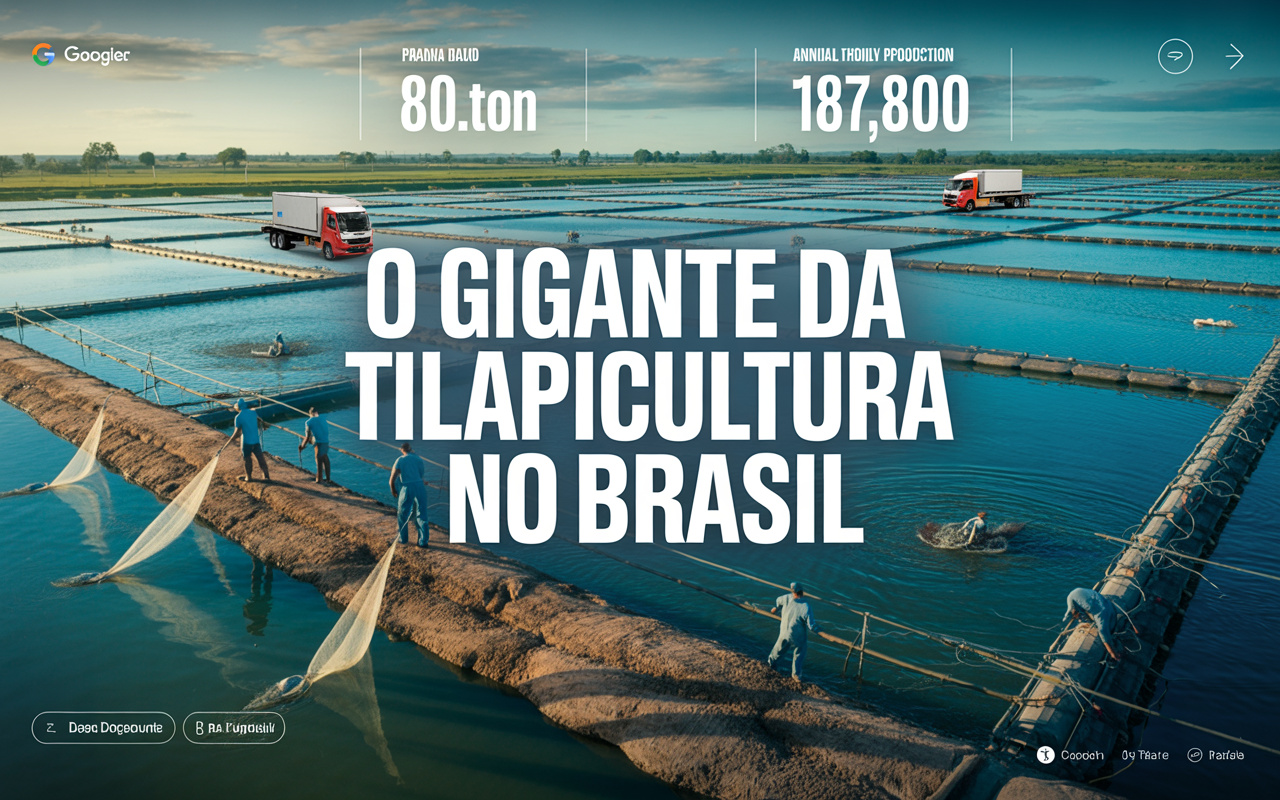
Paraná Dominates Tilapia Farming in Brazil: 187.8 Thousand Tons Per Year, Slaughterhouses of 80 Tons/Day and a Domestic Market That Already Reaches 662 Thousand Tons.
The advancement of tilapia farming in Brazil has become a silent economic phenomenon, robust and deeply strategic, and no state symbolizes this growth like Paraná. What was once a modest regional production chain has transformed into a complete industrial system, uniting technologically advanced farms, powerful cooperatives, slaughterhouses with daily slaughter capacity, and an integration model similar to that of poultry and pig farming. Not by chance, the state has assumed the absolute leadership of national tilapia farming, producing 187.8 thousand tons per year, according to the latest data from ASSOPEIXE and Embrapa, and driving gears that support industries that can process 80 tons of fish per day.
In a Brazilian market that already reaches 662 thousand tons of farmed fish — and that is growing above the global average, tilapia has become the symbol of a new agribusiness: intensive, technologized, and capable of transforming small rural properties into global productivity hubs.
Leadership Built Over Three Decades
The dominance of Paraná was not a chance occurrence. The geographic advantage of the reservoirs of hydroelectric plants — especially Lake Itaipu, combined with abundant water and low temperatures ideal for tilapia, stimulated a productive leap in the 2000s.
-
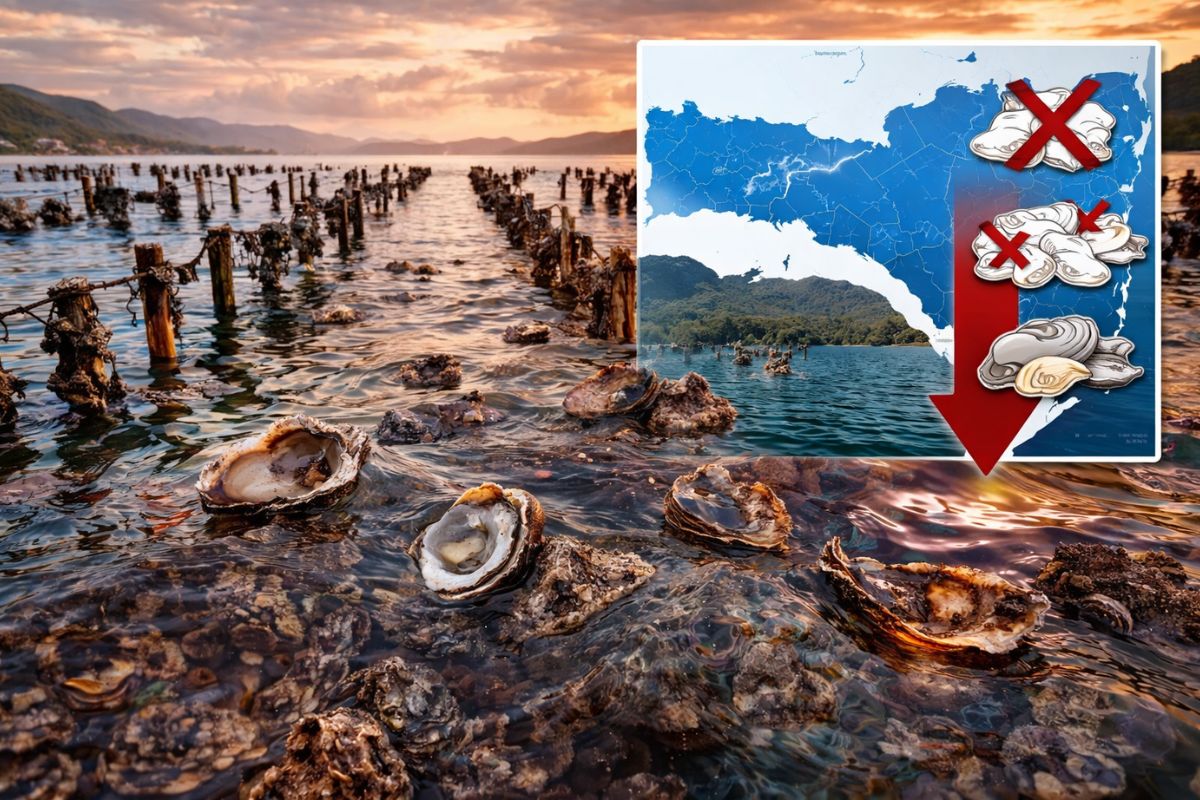
The sea water temperature rose from 28 to 34 degrees in Santa Catarina and killed up to 90% of the oysters: producers who planted over 1 million seeds lost practically everything and say that if it happens again, production is doomed to end.
-
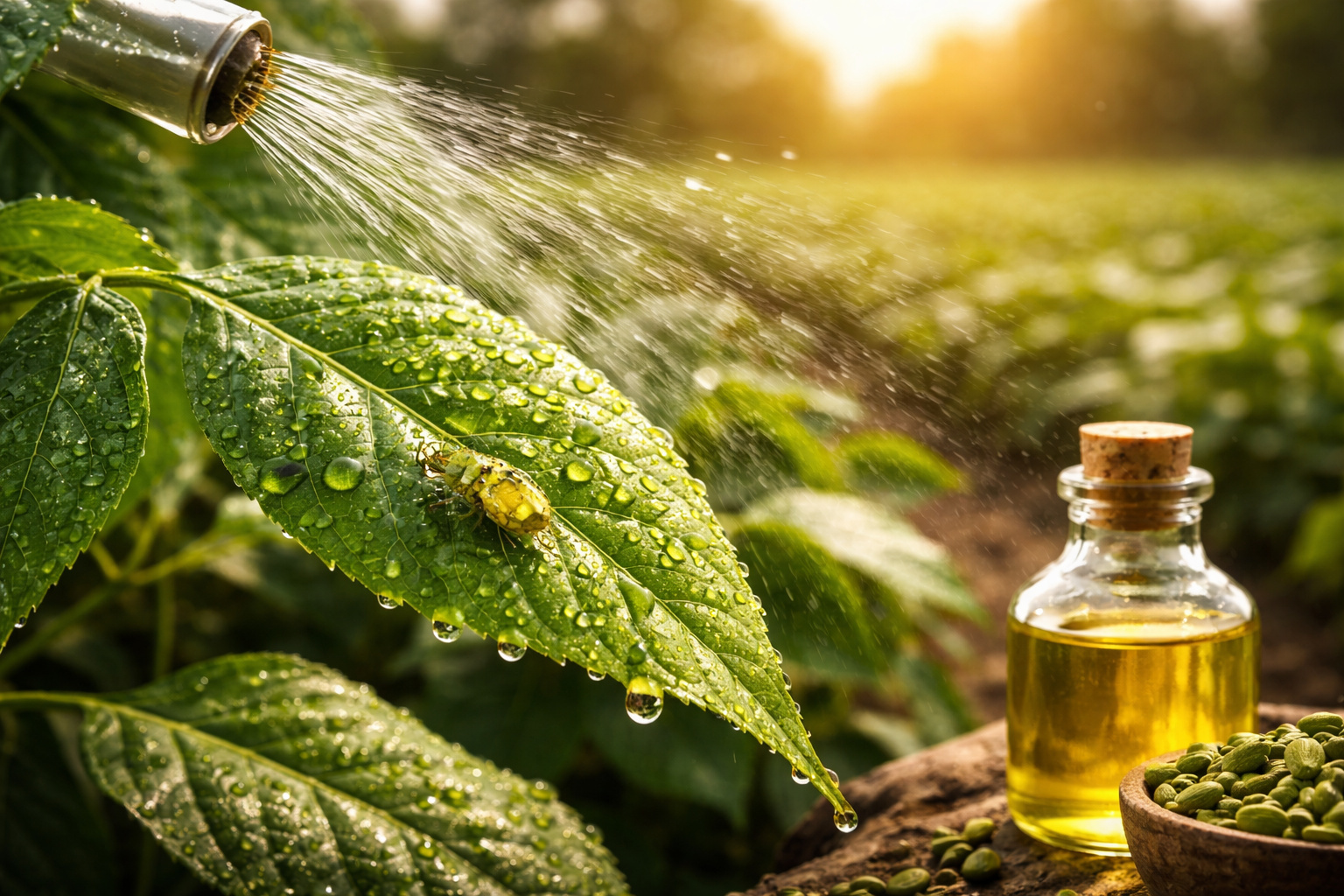
An Indian tree that grows in the Brazilian Northeast produces an oil capable of acting against more than 200 species of pests and interrupting the insect cycle, gaining ground as a natural alternative in soybean, cotton, and vegetable crops.
-
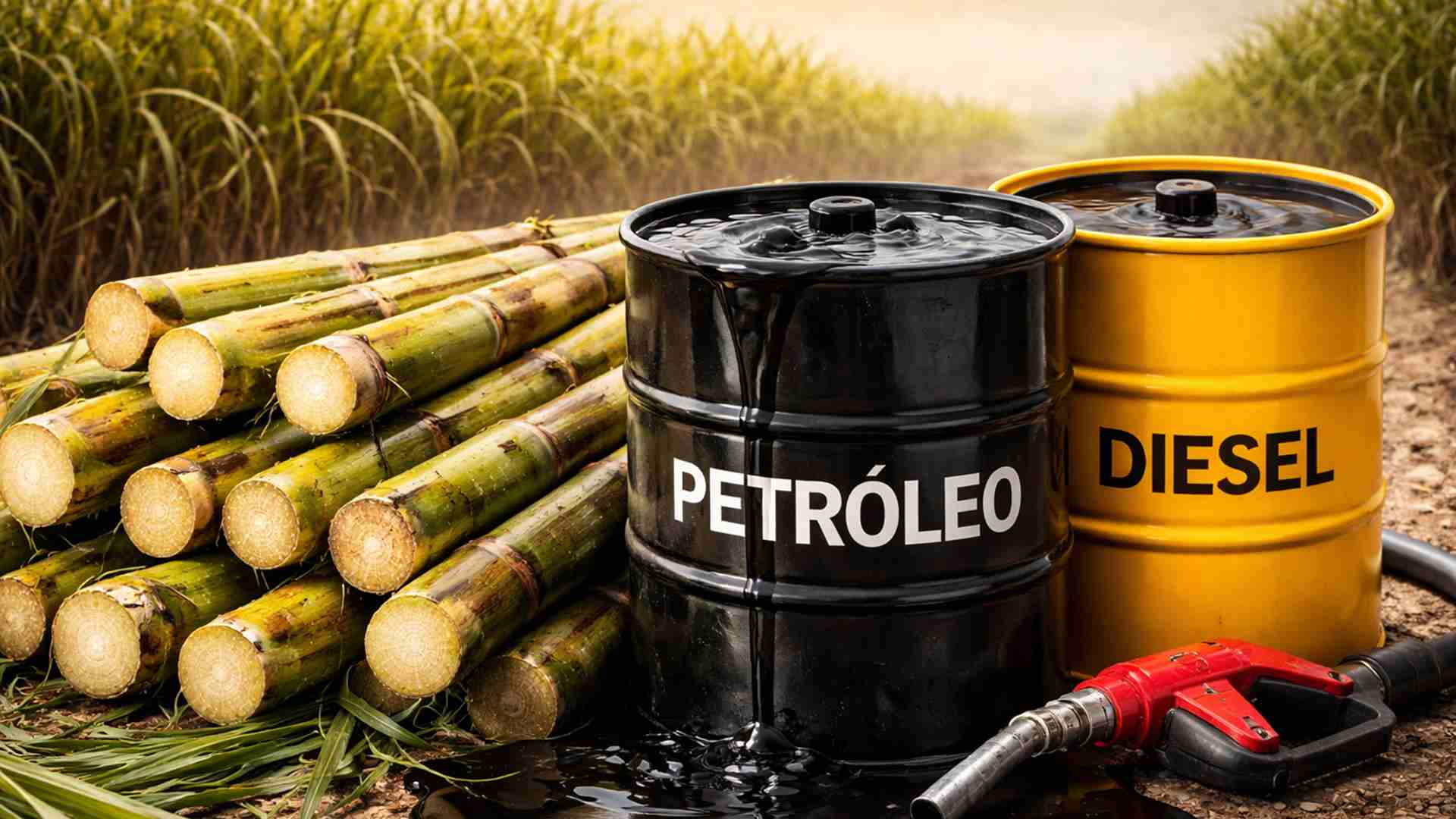
The rise in oil prices in the Middle East is already affecting Brazilian sugar: mills in the Central-South are seeing their margins shrink just as ethanol gains strength.
-
Rain gains strength in April, potentially exceeding 150 mm, placing the North, Northeast, and the coasts of the South and Southeast at the center of the heaviest forecast of the week.

But the major turning point occurred when cooperatives like C.Vale began adopting integrated production systems, offering technology, feed, technical assistance, and purchase guarantees to producers.
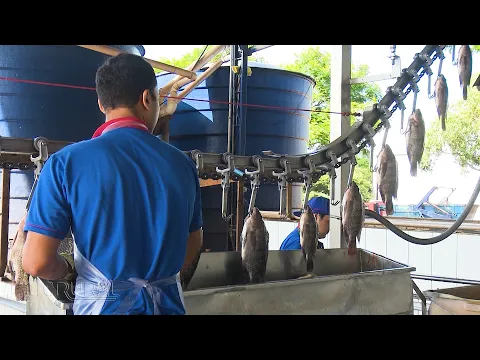

The model reduced risks, increased productivity, and created something unprecedented in the country: a tilapia chain with an industrial standard, where each stage — from larviculture to packaged fillet — operates as a unique system.
Farms Operate Like Open-Air Factories
In the western and southwestern regions of the state, net tanks are multiplying on an impressive scale. Specialized farms work with rotated batches, fattening structures with artificial aeration and sophisticated control of density and feed conversion.
In many locations, productivity exceeds 50 kg per cubic meter, a number that rivals major aquaculture hubs in Southeast Asia.
Farming has ceased to be an activity of “small producers” and has become a precision machinery: daily management, checking water parameters, use of sensors, and automated feeding are now part of the routine of the largest operations.
Industries That Process Tons Per Day
The growth of tilapia farming in Paraná has only been possible thanks to slaughterhouses prepared to absorb this avalanche of fish. In the Palotina region, for example, industrial structures process 80 tons daily, supplying both domestic and foreign markets with fresh, frozen fillets, premium portions, and even by-products destined for the cosmetics and pharmaceutical industries.
What would traditionally be discarded — skin, head, scales — now gains value. From the skin of the tilapia, products for biomedical research and even applications for burns emerge; from the scales, components used by the collagen industry.
Tilapia, once seen as a cheap fish, has become a total input, utilized in almost 100% of its structure.
Integration, Technology, and Export: The Triad of Leadership
While other states still operate with more artisanal structures, Paraná has transformed tilapia farming into an industrial machine.
The integration system has raised the quality standard of the fish, technology has brought control and predictability, and the focus on export has opened doors to markets such as the United States and China, where the Brazilian fillet has been gaining increasing space.
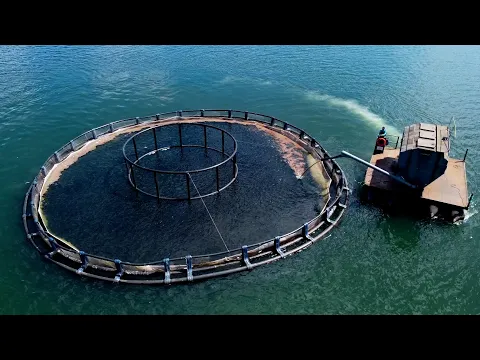
This triad has ensured the state a comfortable dominance in the national ranking, producing almost three times more than competing states and consolidating Brazil as one of the potential global leaders in tilapia in the medium term.
The Economic and Social Impact That No One Sees
Behind the impressive numbers, there is also a profound human impact. Thousands of rural families now live with predictable income, something rare in regions where the climate affects almost all agricultural crops.
The integration model has ensured financial stability for small producers and created a network of direct and indirect jobs that involves everything from feed manufacturing to refrigerated transport.
In some towns in inland Paraná, tilapia farming already represents the largest source of income for the municipality — surpassing soy, corn, and even chicken in certain regions.
The Future: More Technology, More Export, and More Scale
Projections for the next decade point to the expansion of net tanks, enlargement of aquaculture parks in federal reservoirs, and an even greater consolidation of Paraná as a dominant territory in the sector.
With international demand for low environmental impact protein growing rapidly, Brazilian tilapia emerges as a strategic, efficient, and sustainable alternative.
The expectation is that the country will surpass 800 thousand tons of total production in the coming years, and experts affirm that Paraná will continue to occupy the top of the chain.
The state that started timidly, with small tanks and dispersed producers, now operates as an aquaculture giant, moving million-dollar figures and positioning Brazil as one of the major names in global aquaculture. Tilapia, once seen as a simple fish, has become synonymous with technology, industry, and economic power.







-

Uma pessoa reagiu a isso.