





 Portuguese
  English
  Spanish
 3 min of reading
  1 comment


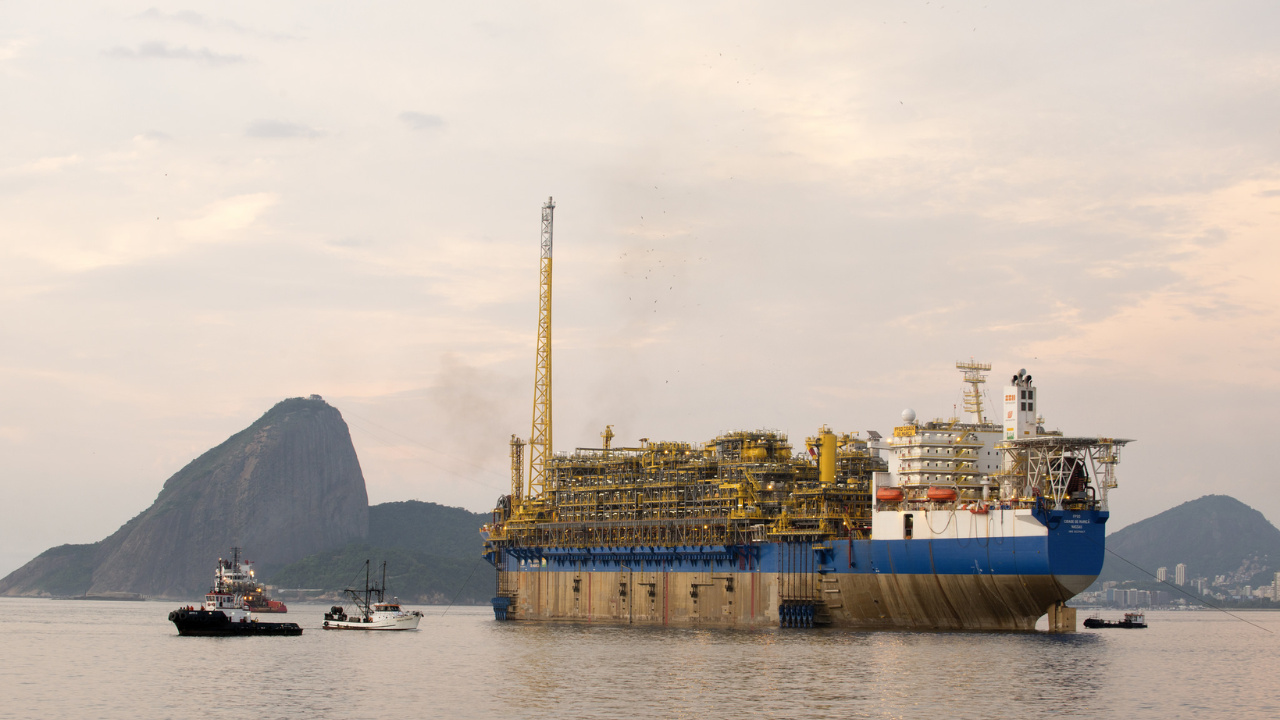


Driven By Oil Royalties From The Lula Field, Maricá Consolidates As The Fourth Richest City In Brazil, With High GDP And Strong Impact On The Quality Of Life Of The Population.
Located in the Metropolitan Region of Rio de Janeiro, Maricá has been capturing national attention by ranking fourth among the richest cities in Brazil. With just over 197 thousand inhabitants, the municipality has built a robust economic base from oil exploration, especially from the royalties generated by the Lula Field, operated by Petrobras in the Santos Basin.
This constant flow of resources has transformed the municipal budget. As a result, the government began to invest more intensively in infrastructure, social policies, and basic services. Thus, oil has ceased to be just an energy asset and has begun to act as a direct engine of local development.
Royalties Strengthen Public Services And Attract New Residents
Much of the improvements seen in the daily lives of the population stem from oil resources. Over the years, Maricá has gained prominence for presenting good indicators of quality of life, safety, and urban organization. Additionally, the city has come to be seen as an attractive destination for those seeking tranquility without completely distancing themselves from the capital of Rio de Janeiro.
-
Lula reveals a masterstroke by Petrobras to undo a deal made by Bolsonaro, which involves the return of an important refinery that currently produces less than half of what was expected and makes Brazil dependent on international diesel.
-
A study confirms that the natural gas sector will reduce greenhouse gas emissions in Brazil by 0.5% and accelerate the energy transition by 2026.

-
Petrobras implements a severe adjustment and confirms a 55% increase in the price of aviation kerosene with a proposal for installment payments for the companies.

-
The rise in oil prices could ensure an extra revenue of R$ 100 billion for the Federal Government, indicates a recent economic study.


At the same time, the expansion of urban infrastructure has kept pace with the population growth. New neighborhoods have developed, while public services have been expanded. This scenario reinforces the direct relationship between oil exploration and social well-being in the municipality.
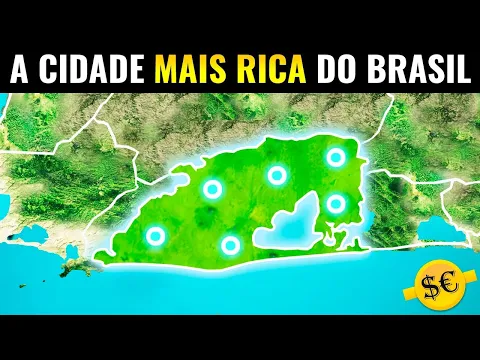

Although oil is the main economic pillar, Maricá also stands out for its natural and cultural characteristics. The beaches of Ponta Negra and Itaipuaçu, for example, are known for attracting extreme sports enthusiasts, which boosts local tourism and commerce. Thus, the coastline contributes to the energy-based economy.
Furthermore, the municipality preserves rural areas with small farms and large estates, many of which have historical value. This contrast between urban, rural, and coastal areas contributes to the economic and social diversity of the city, enhancing its growth potential.
High GDP Places Maricá Among The Largest Economies In The Country
According to data from IBGE in 2023, Maricá achieved a Gross Domestic Product of R$ 134.1 billion. This figure secured the municipality fourth place in the ranking of the richest cities in Brazil, surpassing traditional capitals and important industrial hubs.
The survey considers the overall economic performance of cities, highlighting the weight of oil royalties in the composition of Maricá’s GDP. The national ranking is led by São Paulo, followed by Rio de Janeiro and Brasília. Just behind, Maricá ranks ahead of cities like Belo Horizonte, Manaus, and Curitiba.
- São Paulo (SP): R$ 1.066 trillion
- Rio de Janeiro (RJ): R$ 418.4 billion
- Brasília (DF): R$ 365.6 billion
- Maricá (RJ): R$ 134.1 billion
- Belo Horizonte (MG): R$ 130.2 billion
- Manaus (AM): R$ 127.6 billion
- Curitiba (PR): R$ 120.1 billion
- Osasco (SP): R$ 119.4 billion
- Porto Alegre (RS): R$ 104.7 billion
- Guarulhos (SP): R$ 97.5 billion
This performance reinforces how oil, when well managed, can redefine the role of a municipality in the national economic landscape.








A quarta cidade mais rica com infraestrutura de cidade pequena ainda. O crescimento do PIB não condiz com a evolução que a cidade está tendo. Ruas sem asfalto e saneamento, manutenção de obras públicas medíocre, a cidade não tem um batalhão de polícia e tem que utilizar policial de outro município, enfim a quem do que pode ser com esse crescimento monetário. Tenho casa aqui a 16 anos e estou pensando seriamente em sair daqui.