





 Portuguese
  English
  Spanish
  2 min of reading
  0 comments


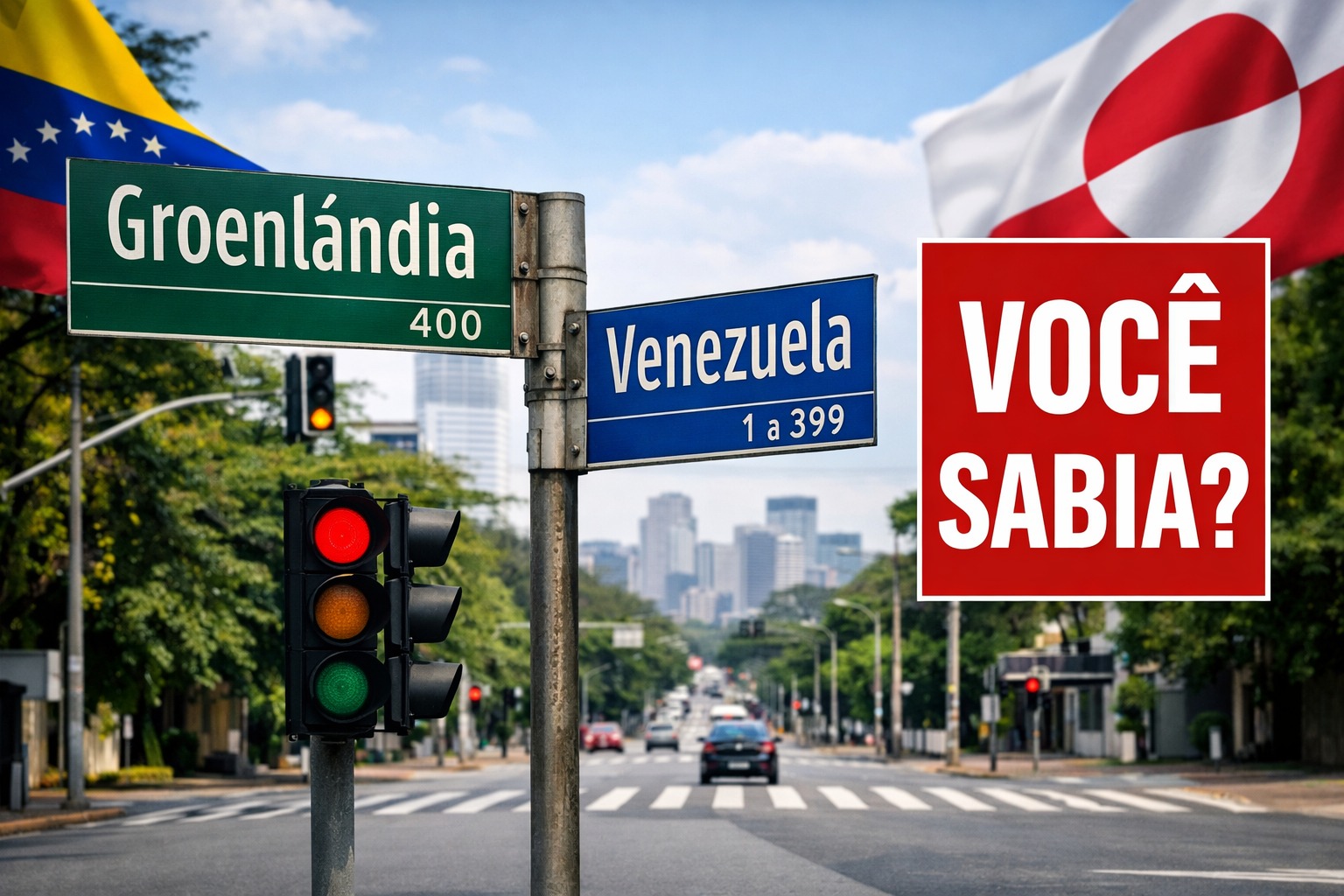
Strange Meeting of Historical Streets in Jardim América Reveals How Ancient Urban Choices Gain New Meanings in Light of Current Global Tensions
In Jardim América, São Paulo, a specific intersection has been drawing curiosity far beyond its immediate surroundings. The intersection of Groenlândia and Venezuela streets, named in the early 20th century, has returned to the center of conversations for an unusual reason: the symbolic coincidence with contemporary debates on geopolitics.
Without any deliberate intention when they were named, these streets have come to carry, in the eyes of residents and visitors, an almost metaphorical meaning.
The location has transformed into a point of informal reflection on global tensions, even though its origin is solely linked to the urban planning of the neighborhood.
-
This small town in Germany created its own currency 24 years ago, today it circulates millions per year, is accepted in over 300 stores, and the German government allowed all of this to happen under one condition.

-
Curitiba is shrinking and is expected to lose 97,000 residents by 2050, while inland cities in Paraná such as Sarandi, Araucária, and Toledo are experiencing accelerated growth that is changing the entire state’s map.

-
Tourists were poisoned on Everest in a million-dollar fraud scheme involving helicopters that diverted over $19 million and shocked international authorities.

-
Hidden beneath the dense forest of the Sierra Nevada, Betoma emerges in a neighbor of Brazil as the greatest archaeological discovery of the century, revealing a colossal ancestral city covering over 18 km², with 8,334 stone structures and the potential to rewrite the history of South American civilizations.


A Meeting of Names and Interpretations
The intersection has gained fame on social media and in everyday conversations as a space laden with symbolism.
Many wonder why these two countries were chosen to name the streets. The answer lies less in politics and more in the historical context of the neighborhood’s formation.
The nickname “the most dangerous spot in SP” arises as irony, with no relation to crime rates or police occurrences.
The expression serves as a lighthearted critique of the international scenario, rather than a real alert.
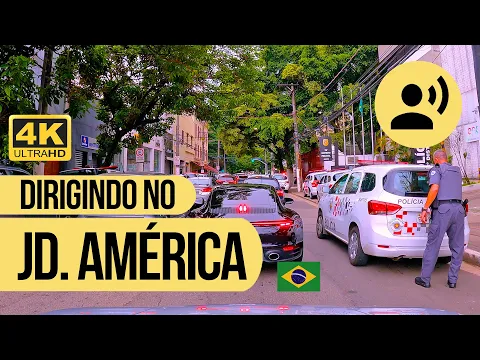

A Neighborhood Designed to Be Cosmopolitan
Planned in 1913, Jardim América was born with the proposal of reflecting a cosmopolitan and organized spirit.
The choice of country names for the streets was part of this open and connected worldview.
Designed by Companhia City of S. Paulo Improvements and Freehold Land Co. Ltda., the neighborhood was conceived to be a pioneer garden city in South America, inspired by the English garden city concept.
Over time, it attracted illustrious residents, such as João Doria and Paulo Maluf, reinforcing its status of sophistication.
Groenlândia and Venezuela: Between Past and Present
Today, the names Groenlândia and Venezuela resonate in discussions that their creators never anticipated.
The contemporary reading transforms an urban planning decision into a casual symbol of changes in global geopolitics.
Even with the city’s accelerated growth, Jardim América has managed to preserve a significant part of its identity.
Its tree-lined streets, characteristic architecture, and original planning remain as marks of a neighborhood that, more than a century later, continues to attract interest for details that connect history, urbanism, and current interpretations.
With information from TNH1.





-

Uma pessoa reagiu a isso.