





 Portuguese
  English
  Spanish
  5 min of reading
  7 comments


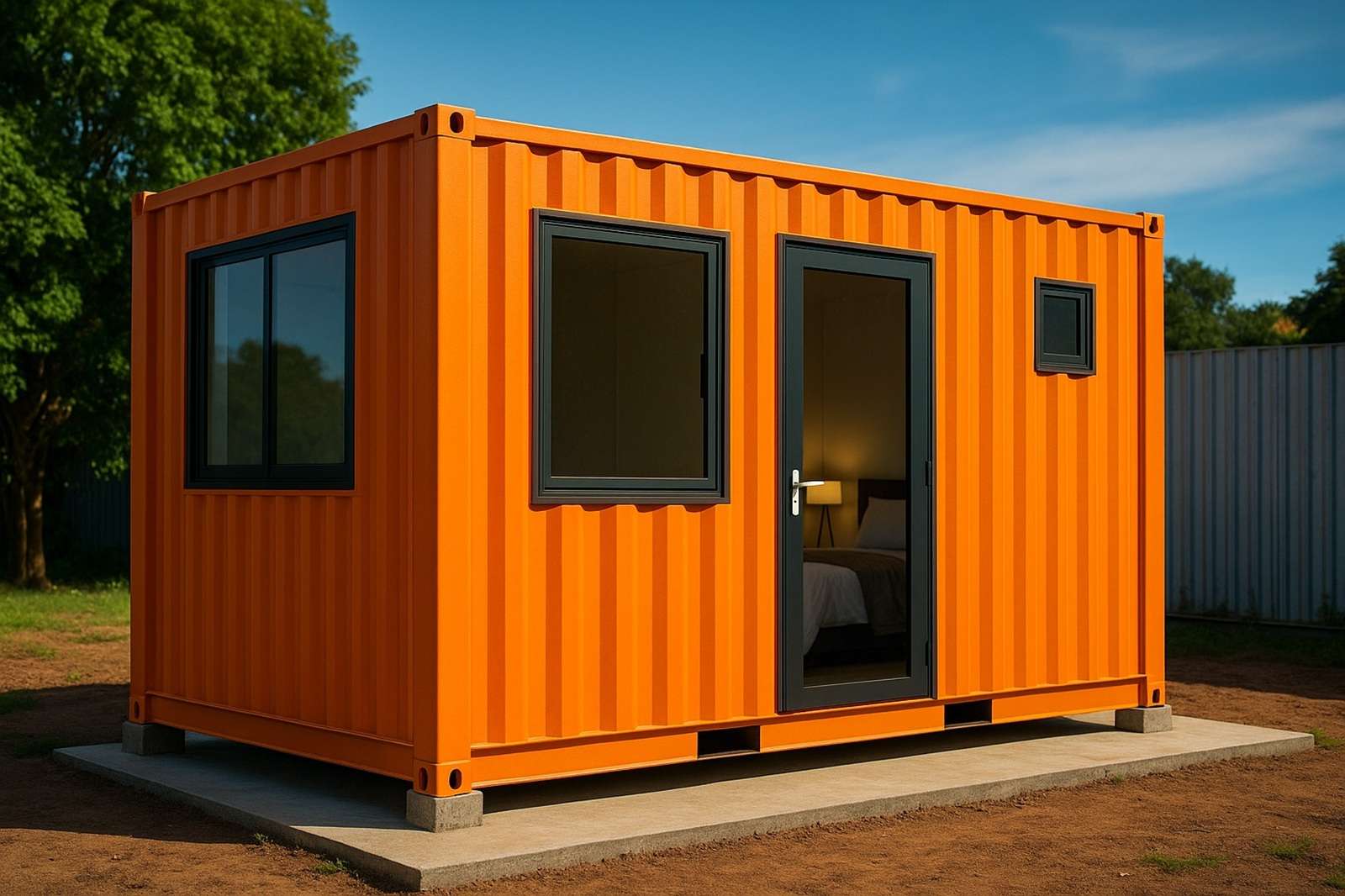


Youtuber From Minas Gerais Presents All Costs to Build a Complete Container Studio, Showing Detailed Values for Each Stage, from Freight and Foundation to Customized Furniture and Appliances
Building a complete container studio from scratch usually attracts those seeking a quick, practical, and cheaper solution than traditional construction.
The modular format allows for space adaptation to different terrains, in addition to speeding up delivery since a large part of the structure is already pre-built.
However, even being a lean alternative, the final cost varies greatly depending on the size, level of finishing, and included items such as electrical installation, plumbing, thermal insulation, and foundation. Below, I present an updated estimate of the values.
-
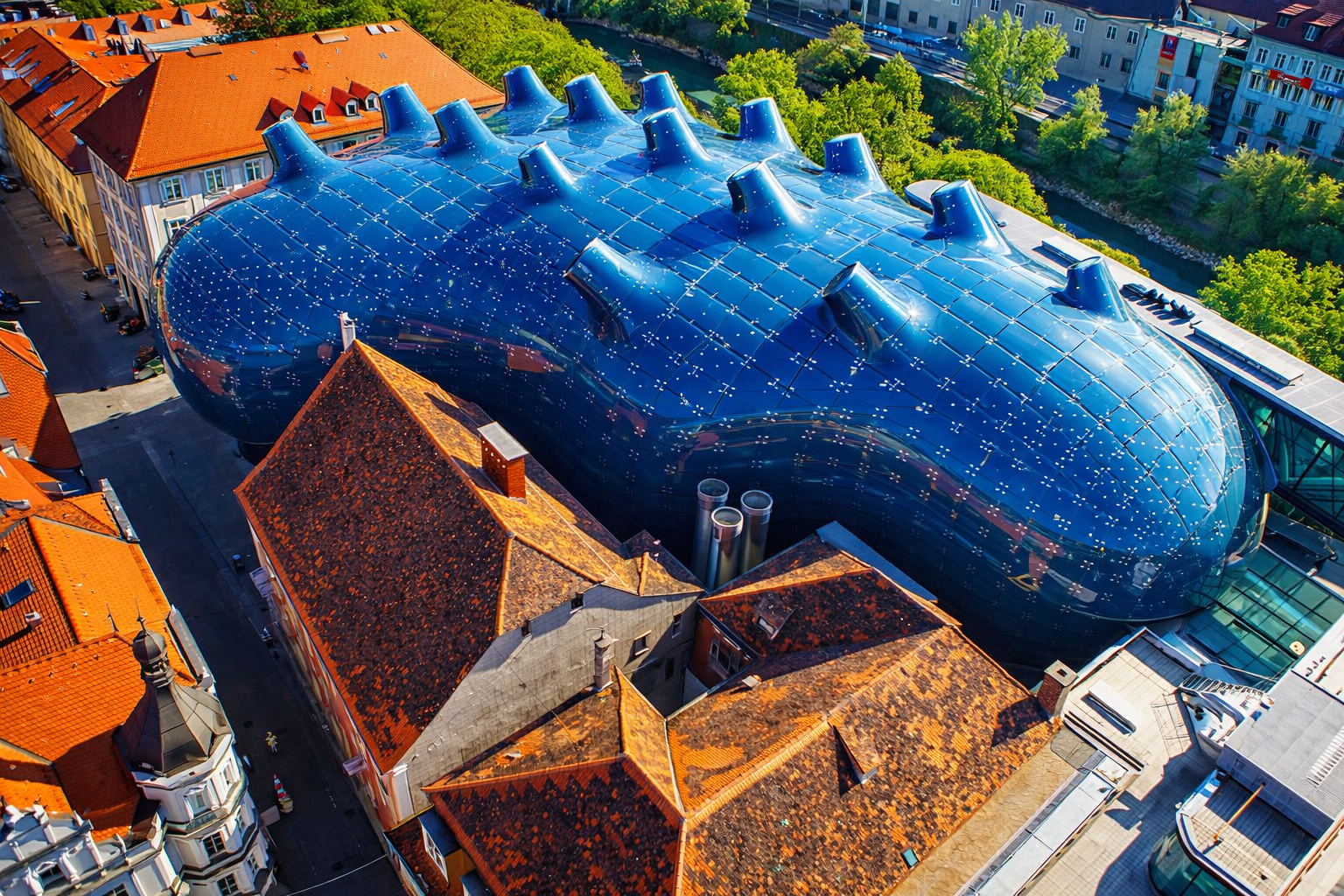
With 1,066 acrylic panels, the building known as the friendly alien is supported by a steel skeleton, has a façade that functions as a giant screen, and impresses the world without any internal columns.
-
Scientists warn that a comet about 1 km in size that has started to release gases may actually change direction in space. It was spotted by NASA and surprises with potential impacts near Earth.

-
These living root bridges and ladders are over 700 years old and help indigenous people survive in one of the rainiest regions in the world.

-
From sertanejo star to international investor: Ana Castela invests millions in a mansion in the USA, creates a themed accommodation in Orlando, and shows that the “boiadeira” also wants to grow away from the stage.



How Much Does It Cost to Build a Complete Container Studio from Scratch?
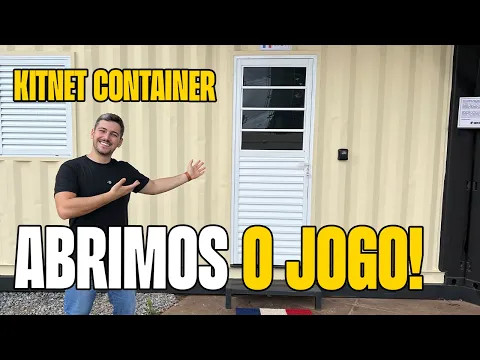
The channel of Matheus Avelar presented a complete video showing the real cost of building a container studio.
Matheus detailed all expenses, from the container’s freight to the customized furniture, revealing how much is needed to invest in setting up a unit ready for rental.
According to him, the goal was to be transparent, without hiding values or extra costs of this investment that has attracted many Brazilians’ attention.
The Beginning: Acquiring the Container and Structure
The first expense pointed out by Matheus is the container itself. He explains that these structures, usually used for years in seaports, are sold when they become obsolete. The largest cost, however, is not the material itself, but the transportation to the site of use.
In the case of the team, which works in the interior of Minas Gerais, the total amount was R$ 14,000, already including freight.
In addition, there was a need to build a solid foundation. The structural calculation of the foundation considered 1.5 meters deep for the four footings. This service, including labor, totaled R$ 1,000.
Container Treatment and Openings
Matheus emphasizes that the container arrives with rust and dents, requiring repairs and anti-corrosive treatment. The hiring of a metalworker and the products used cost R$ 3,500.
To adapt the space, cuts for doors and windows were made with metalon finishing. This service added R$ 4,000 to the budget.
Added together, the initial values left the external structure at R$ 22,500 before starting the internal finishing.
Internal Part and Joinery

The joinery, which included doors, windows, and small details in the bathroom, cost R$ 2,500.
Next came the installation of drywall. The gypsum finishing included thermal and acoustic insulation made of fiberglass, covering the ceiling and walls. The investment was R$ 7,250, totaling this stage with complete finishing.
Plumbing and Electrical
The plumbing system of the container was simple, with only two main walls: one in the kitchen and another in the bathroom. The installation, including pipes, faucets, and connections, cost R$ 1,500 in materials and R$ 4,000 in labor, totaling R$ 5,500.
The electrical part, more complex, involved conduits embedded in the walls and the installation of circuit breakers, outlets, and lighting. The team allocated R$ 2,300 for this stage, including materials and services.
Flooring, Finishing, and Painting

The porcelain tile flooring was chosen for aesthetic and durability reasons. All the material, including grout, mortar, and labor, cost R$ 6,000.
The bathroom received finishing up to the ceiling, which prevented leaks. This part was also included in the same budget.
The internal and external painting followed. For the interior, the cost was R$ 1,500, and for the exterior, R$ 600, totaling R$ 2,100.
Customized Furniture and Final Finishing
According to Matheus, this stage was one of the most expensive. With the budget nearly exhausted, the customized furniture represented a significant investment. Included were cabinets, shelves, wardrobes, stone countertops, and tables, resulting in R$ 11,000.
He highlighted that the value was worth it for being durable and quality products, ensuring the guest’s comfort and enhancing the property’s value.

Appliances and General Items
All the appliances were new, purchased specifically to equip the unit. Among them were a bed, refrigerator, microwave, television, hair dryer, tableware, and kitchen utensils. The total expenditure for this part was R$ 13,000, already including all household items.
Additionally, the project included a category called “general items”, which encompassed smaller materials such as screws, tapes, plugs, faucets, sinks, boxes, glass, and toilets. Together, these details cost R$ 15,350.
Final Sum and Conclusion
After all stages, the total cost of the container unit was R$ 77,000, ready for use and rental. The amount includes everything from the structure to furniture and utensils.
Matheus notes that although the cost is similar to that of a traditional masonry construction, the significant difference lies in mobility. The container can be transported to another location without losing structure or market value.
Furthermore, he emphasizes that the investment tends to be optimized in subsequent units. With the accumulated experience, the group has already managed to reduce 20% of costs in new identical constructions.
Project Expansion and Learning
During the video, Matheus reveals that they are building two more units based on the same model. The first, called France, is part of a thematic set with names of countries like Canada, Brazil, and Japan. The next ones will be Egypt and Australia.
He also announced the launch of an online course aimed at those who want to invest in container studios. The material covers all stages of the process – from planning to rental – and was created from the practical experience gained in the first four units.
Conclusion: Transparency and Encouragement of Entrepreneurship
At the end of the video, Matheus reinforces that the content was made to help those who wish to venture into this housing model. He states that he prefers to share the knowledge for free with those who want to avoid mistakes and losses.
The presenter concludes the video with an invitation for interested parties to subscribe to the channel, leave questions, and follow the progress of the new units under construction.
According to him, each assembled container represents not just a financial investment but also a modern way to generate income through short and sustainable rentals.







Tá parecendo obra pública superfaturada
Como que faz com a hidráulica (água/esgoto) transportando para outro local ?
Se ta ****. Fora do contexto, esses valores.