





 Portuguese
  English
  Spanish
  6 min of reading
  0 comments


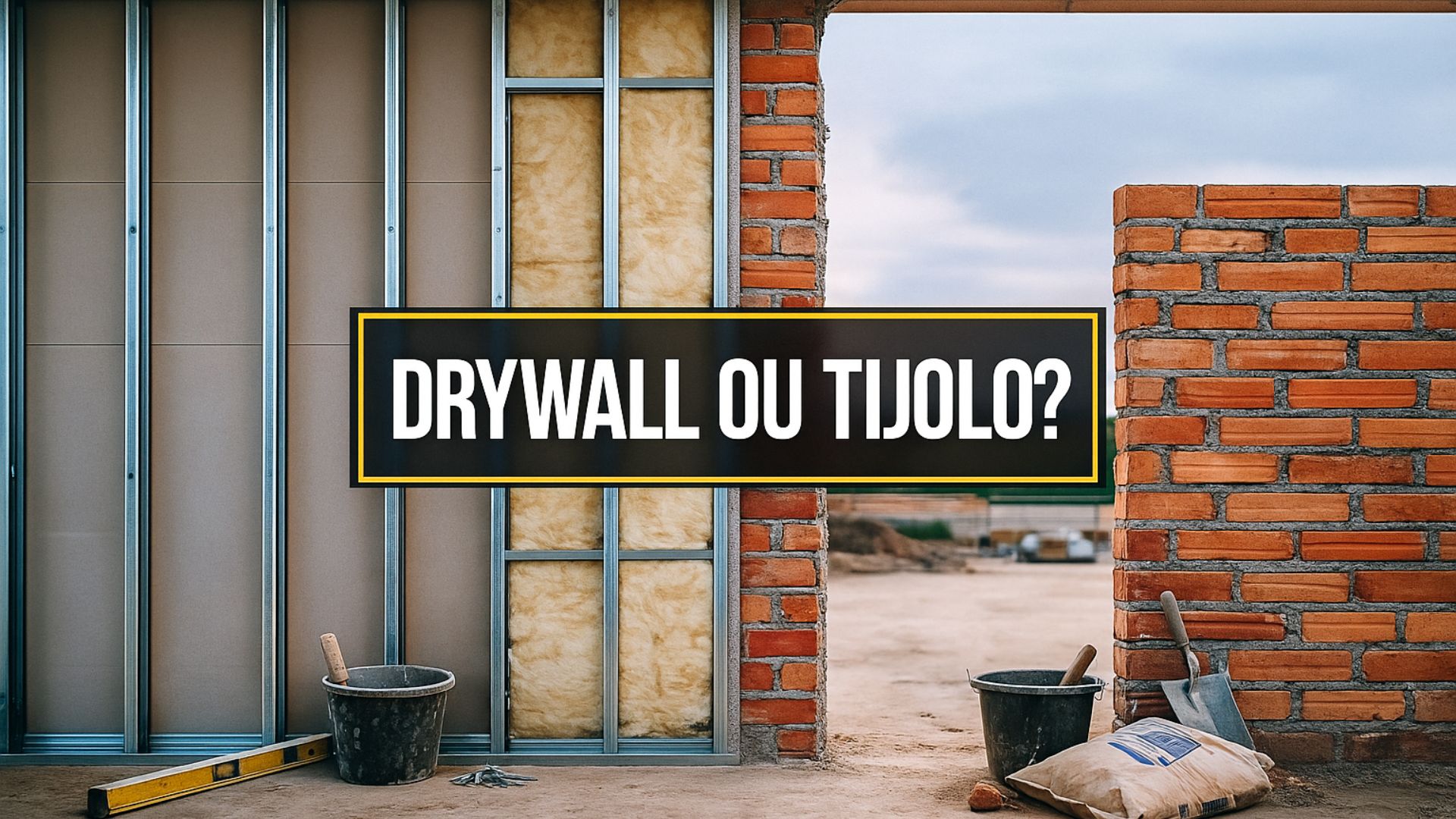
Cost Studies In Brazil Show Relevant Differences Between Drywall And Brick Masonry In Internal Walls, Involving Prices, Productivity, Waste And Acoustic Insulation In Popular Works And Buildings, Based On SINAPI Data And Technical Research.
The replacement of ceramic brick masonry with internal drywall has ceased to be a niche trend and has begun to appear in cost studies of popular works in various regions of Brazil.
Academic surveys based on SINAPI compositions and actual budgets for buildings indicate that, in internal partitions, drywall can be about 15% to 19% cheaper than ceramic block masonry, with execution up to twice as fast, lower generation of debris, and equal or superior acoustic performance, depending on the specification used.
Drywall, a system of gypsum boards screwed to metal profiles, is primarily adopted in Brazil for internal walls of residential and commercial buildings.
-
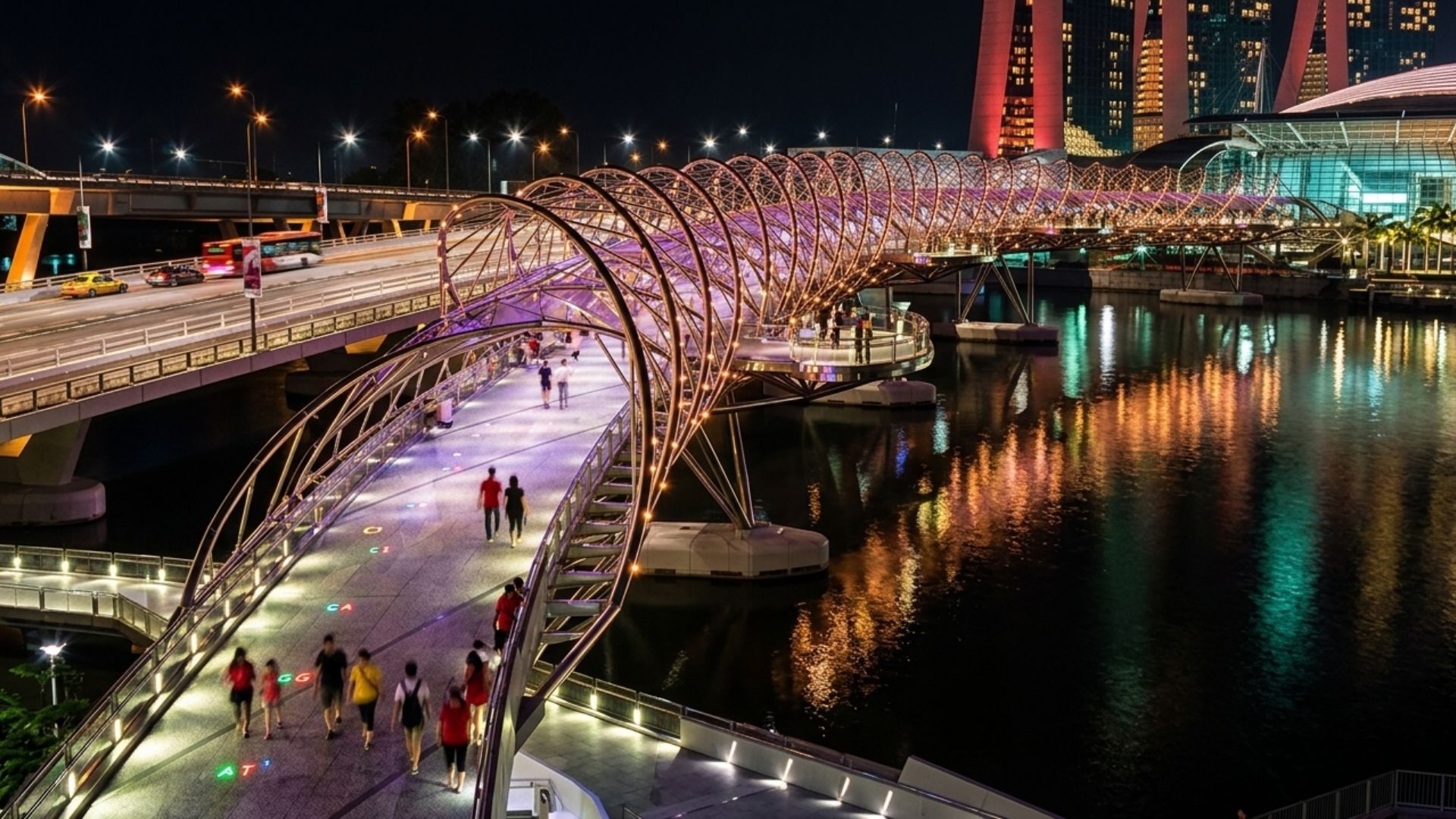
With a DNA shape, this bridge in Singapore draws attention in modern architecture and surprises tourists by transforming a simple crossing into an unforgettable visual experience in the urban heart.
-
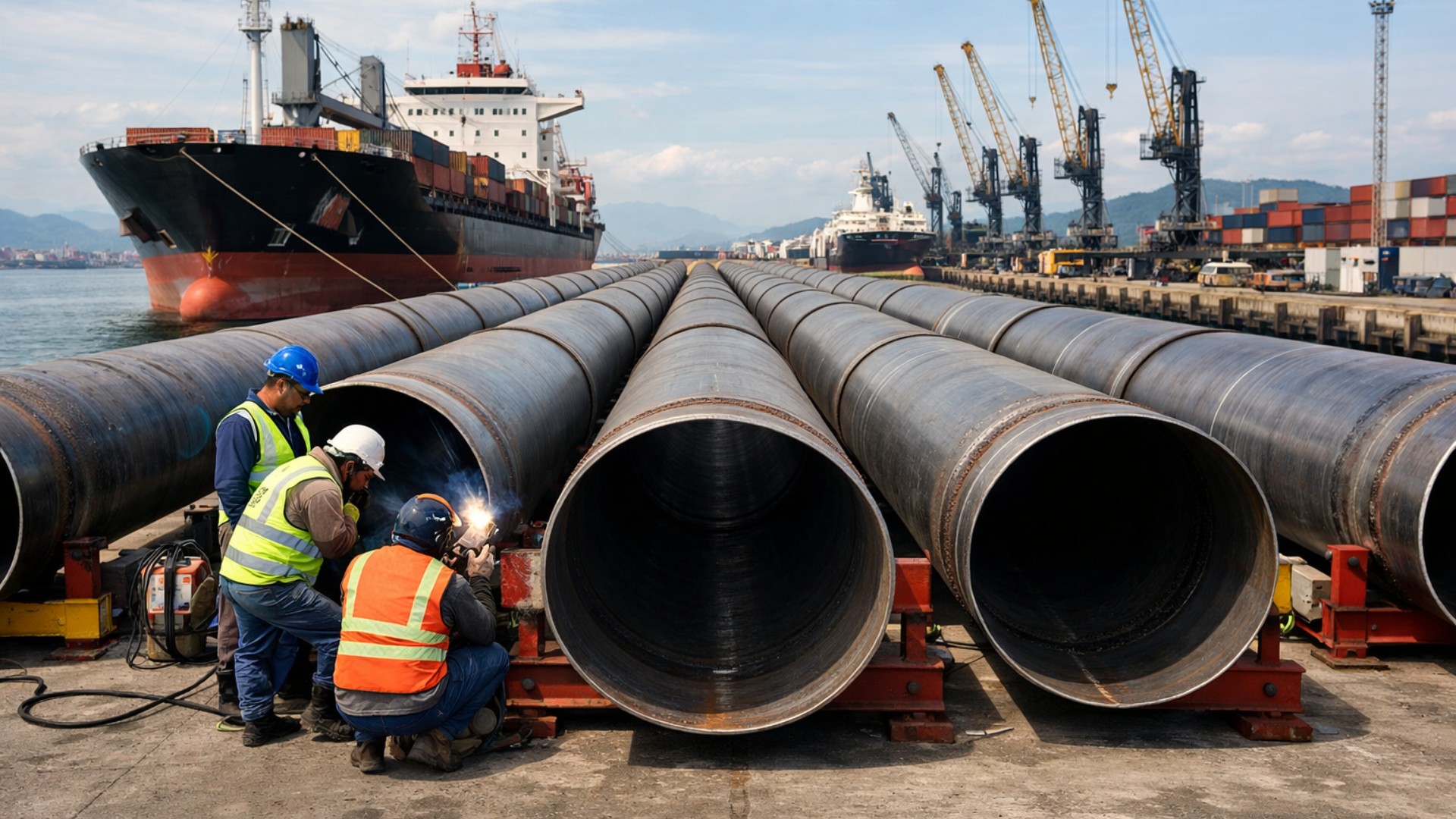
Giant underwater pipeline begins to take shape with a R$ 134.7 million project at the Port of Santos: the 1.7 km structure uses 12-meter and 700 mm pipes to supply water to 450,000 people in Guarujá.
-
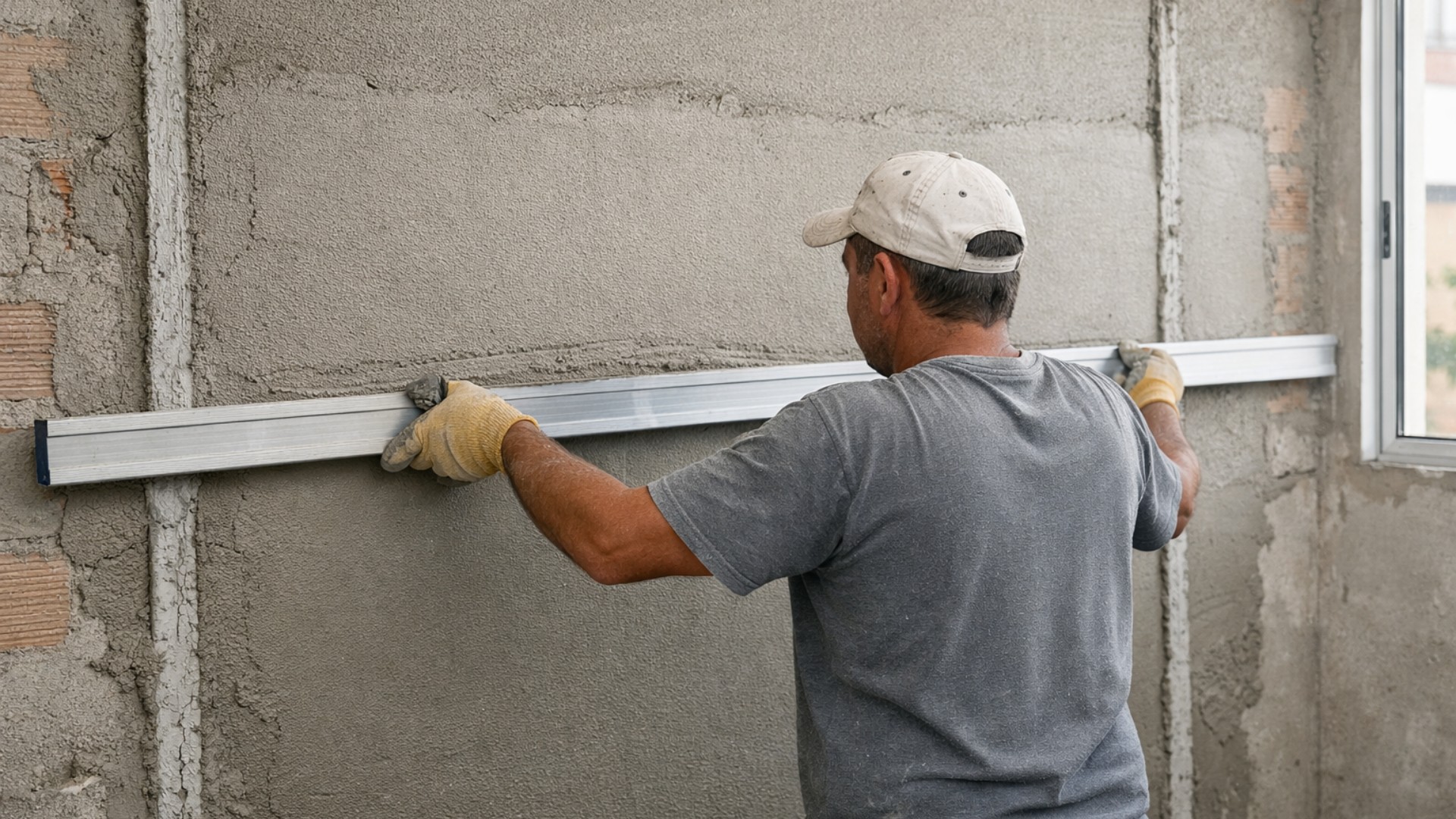
A mason reveals a professional plastering technique that uses aligned guides and a 3-meter ruler to plaster an entire wall in up to 3 hours, without visible seams, with uniform thickness, perfect plumb, and a finish ready for painting without rework.
-
The project that was supposed to be ready for the 2014 World Cup in Brazil debuted with a 12-year delay and nearly R$ 6 billion invested: the Line 17-Gold of the São Paulo monorail opened with reduced hours and is only expected to operate fully in October.


On the other hand, brick or ceramic block masonry continues to be standard in a large part of the works, especially in social housing and popular houses, due to constructive tradition and the wide availability of trained labor in this method.
Studies of vertical internal partitions compare the two systems in terms of cost, productivity, acoustic performance and environmental impact, based on standards such as NBR 15575, which defines minimum requirements for internal walls regarding sound insulation and comfort.
Cost Per Square Meter Of Internal Walls
When observing the direct cost per square meter, several studies present consolidated values.
In a case study with 660.90 m² of internal walls in a building, ceramic block masonry was budgeted at 107.53 reais per square meter, while drywall was at 90 reais per square meter, which represents a reduction of 16.3% in the final cost of the internal partition.

Another study conducted at the Federal Institute of Paraíba based on SINAPI tables from January 2019 for a popular single-family residence found that the internal partition in drywall had a cost about 15.44% lower than the masonry with ceramic blocks, considering materials and labor.
The author attributes the difference mainly to the cost of labor and the greater productivity of the light gypsum board system.
Analyses made in multifamily buildings reach similar percentages.
In an economic feasibility study replacing internal brick walls with drywall, the overall cost of the work with the light system showed a reduction of around 19% compared to the scenario where all partitions were in traditional masonry.
Differences In Labor And Productivity
The price composition of these systems helps explain the result.
In brick or ceramic block walls, it is necessary to consider the cost of the pieces, the setting mortar and, in many cases, the complete plastering before painting.
The process involves more wet stages, longer curing times, and a significant volume of mortar, which requires more hours of mason and helper per square meter.
In drywall, the wall is formed by a structure of metal profiles, screws, and gypsum boards, which can receive mineral wool inside according to acoustic or thermal requirements.
The boards arrive with a surface ready for finishing compound and painting, dispensing with traditional plastering.
The execution is planned, with pre-measured cuts, which reduces rework and simplifies material control on site.
Productivity is another decisive factor.
In one of the studies comparing performance in an internal area of 660.90 m², the team composed of a mason and a helper executed, on average, 15 m² a day of conventional ceramic block masonry.
With the same number of workers, drywall achieved 30 m² per day, double the productivity.
This means that, in the same area, the brick wall took just over 44 days of work, while the drywall wall was completed in about 22 days.
Technical texts and publications from specialized companies reinforce this difference, mentioning that the gypsum board system is a dry construction process that shortens stages and can significantly reduce the execution cycle of internal partitions compared to brick masonry.
Waste, Debris And Structural Impact

The generation of debris and the waste of materials also stand out in the comparisons.
Academic works addressing the topic point to drywall as a “clean work” solution, with lower volume of waste than conventional masonry with ceramic blocks.
The recurring justification is that the boards are cut to the necessary dimensions, with a high degree of planning, while masonry requires adjustments and breaks on site, generating excess blocks and mortar.
There are studies that cite average reductions of debris around 15% when replacing masonry partitions with drywall.
In addition to the environmental aspect, the lighter weight of the system has implications for the structural design.
Drywall walls can be six to seven times lighter than ceramic block masonry, which reduces the permanent loads transmitted to the structure and foundations.
In buildings, this weight relief can allow optimization of structural sections and, in some cases, gain of usable internal area, as drywall can occupy less thickness to achieve the same performance.
There are studies estimating an increase of up to 4% in usable area for every 100 m² when replacing conventional internal masonry with drywall, due to the lesser wall thickness.
Acoustic Insulation And Comfort In Internal Walls
Acoustic performance is one of the main points of interest for those considering replacing brick with drywall in internal partitions.
Specific tests with test walls show that, in certain configurations, the drywall wall, with two boards and adequate internal filling, can present sound insulation index several decibels higher than the analyzed ceramic block wall.
In one study, the gypsum board partition achieved acoustic resistance approximately 2.8 decibels higher than masonry, while being significantly lighter.

Research on the performance of ceramic blocks and bricks shows, on the other hand, that masonry walls can also meet the minimum insulation requirements of NBR 15575, as long as thickness, type of block, and execution quality are respected.
The comparison between systems, therefore, depends on real walls and not just isolated material, as details of joints, coatings, and fillings alter the results.
Choice Of System And Regional Cost Variation
On Brazilian job sites, ceramic brick remains strong in residential works due to the familiarity of builders, supply logistics, and the competitive cost of the material in regions with local production.
Drywall, on the other hand, is advancing primarily in vertical buildings, commercial enterprises, and projects that seek faster delivery, clean work, and ease of running installations within internal walls.
The percentages of cost savings and debris reduction presented in the cited studies refer to specific cases, with clearly defined dates and regions, based on SINAPI tables and budgets of concrete works.
There is no single official average value that represents all of Brazil in national public sources, which means that numbers may vary according to city, finish standards, suppliers, and the qualification of labor used in each work.
Given an economy of up to nearly one-fifth in the cost of internal partitions, shorter execution times, proven reductions in waste, and the possibility of achieving acoustic performance compatible with or superior to brick masonry, which of these solutions do you consider more advantageous for the internal walls of a popular house in your region’s reality?








-

-

-

-

-

-

47 pessoas reagiram a isso.