





 Portuguese
  English
  Spanish
  5 min of reading
  0 comments



The Infrastructure That Moves The Country Stopped Being National Without The Public Debate Noticing The Change Of Control
For decades, the debate about privatization in Brazil has been presented as a binary choice between state and market. However, a deeper analysis reveals that the reality has been very different. Instead of a simple exit of the state from the economy, what occurred was the transfer of control of strategic Brazilian assets to foreign state-owned companies owned by other governments. Electricity, gas pipelines, and airports—pillars of the country’s functionality—have started to respond to decision-making centers located outside the national territory.
This information was disclosed by economist Paulo Gala, in recent analyses on infrastructure and economic sovereignty, in which he cross-references corporate data, concession contracts, and equity stakes of foreign state-owned companies operating in Brazil. According to Gala, the public debate about privatizations has obscured a deeper phenomenon in which strategic assets left the control of the Brazilian state without actually withdrawing the state from the economy, but rather transferring command to governments of other countries.
This process does not mean that the state has exited the scene. On the contrary. What has changed is which state began to exert direct influence over essential sectors of the national economy.
-
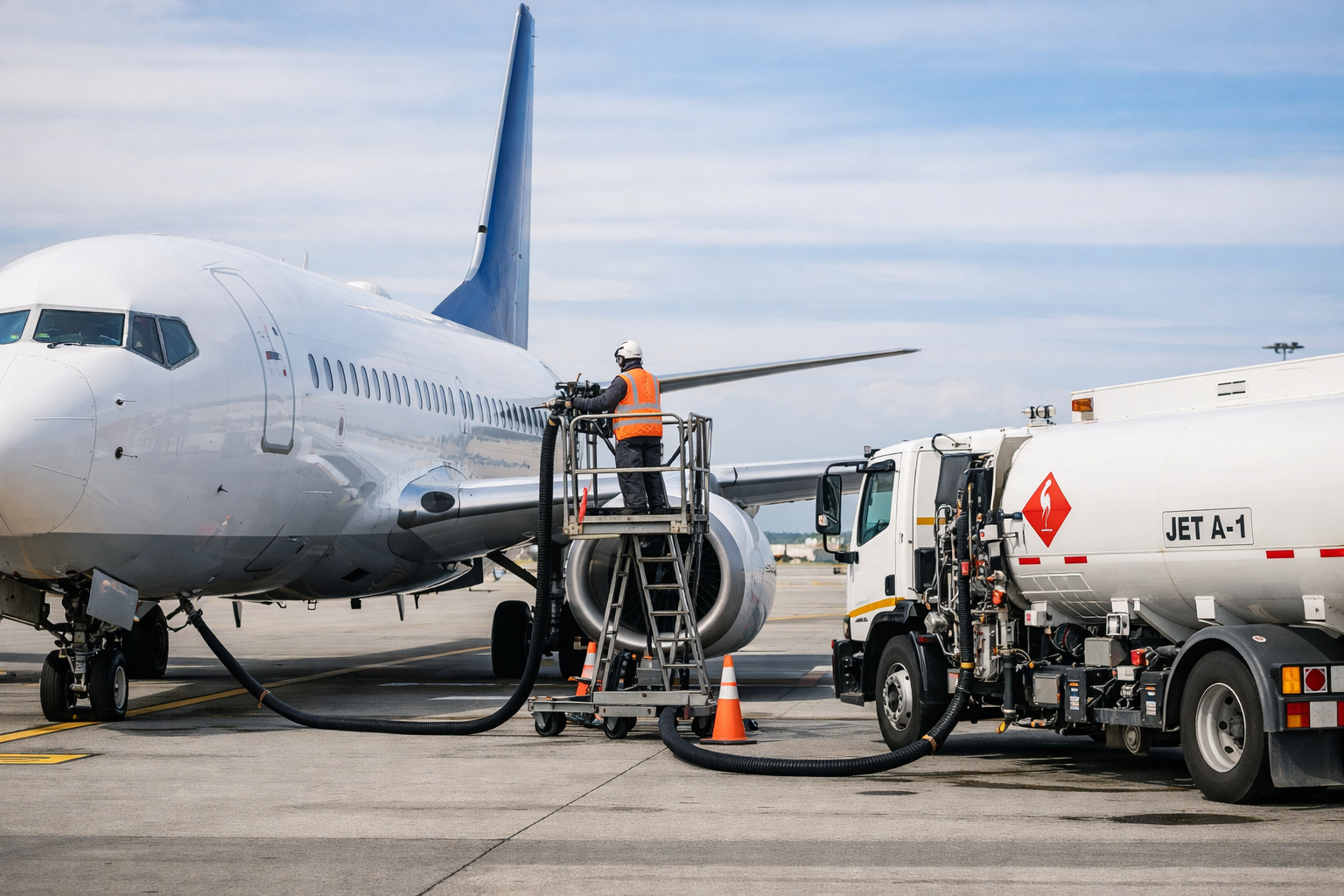
Airfare prices may rise with increasing fuel costs, and the government is considering urgent measures to avoid a direct impact on the wallets of Brazilians.
-
Chocolate prices soar nearly 15% and become a luxury item for Easter 2026, with increases surpassing inflation and changes in Brazilian consumption habits.

-
The Federal Revenue issues a good alert for Brazilian taxpayers: 60.9% are already using the pre-filled tax return, automatic refunds via Pix reach millions, and the government plans for a fully automated income tax in the coming years.

-
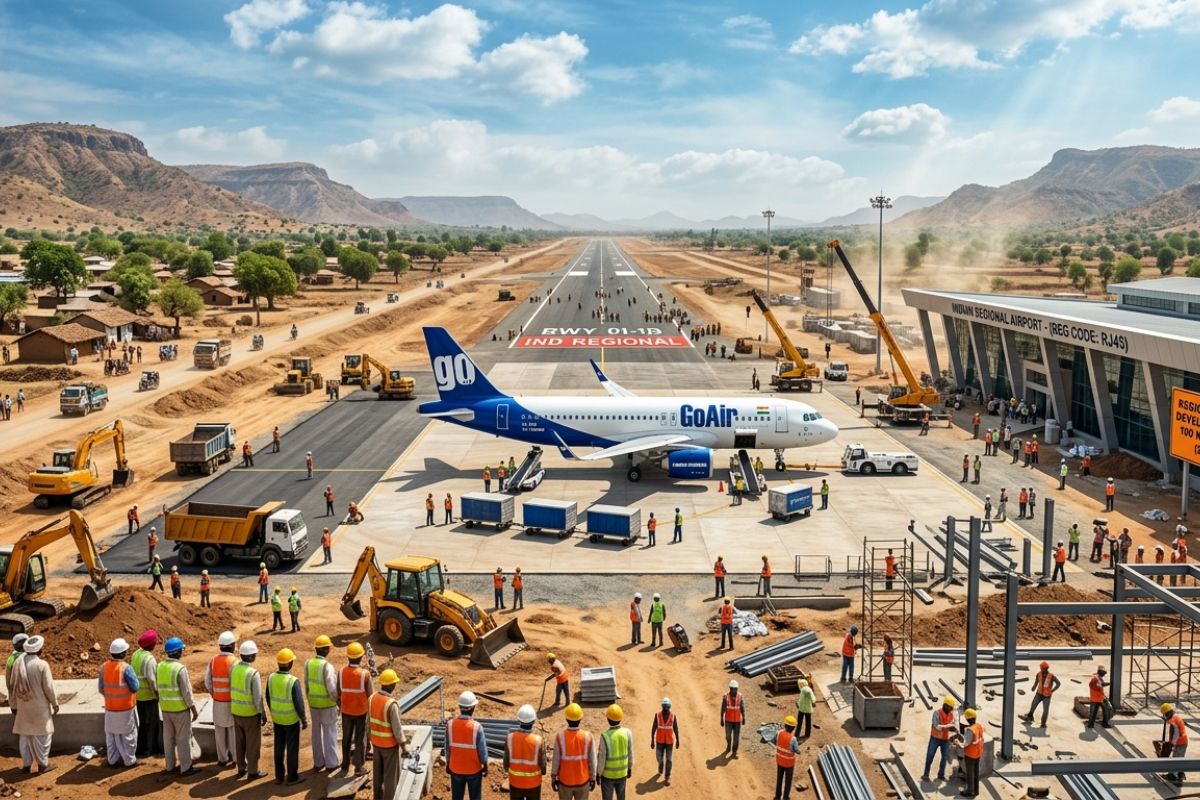
India announces a plan of $3.06 billion to bring aviation to forgotten regions: 100 new airports, $1.07 billion in subsidies, and regional routes guaranteed for 10 years, from 2026 to 2036, away from the centers.



Why The Term Privatization Does Not Explain What Really Happened
The first central point of the analysis is conceptual. The term “privatization” suggests the transfer of public assets to private initiative, diluting state control. However, in the Brazilian case, a large part of these assets moved from the control of the Brazilian state to the control of other national states through their state-owned companies.
This process is defined as denationalization, that is, the loss of strategic control of essential assets by the Brazilian state, without necessarily reducing the state’s role in the economy. The command center simply changed its address.
From this perspective, the ideological debate loses strength and gives way to a structural question: who decides the investments, cost cuts, expansion, and quality of services that directly impact millions of Brazilians?
To answer that, it is necessary to map who the new controllers of the country’s infrastructure are.
Who Controls Brazilian Energy, Gas, and Airports Today

In the electricity sector, one of the most emblematic examples is the former Eletropaulo, responsible for providing energy to millions of consumers in São Paulo. Currently, the company is controlled by Enel, the Italian state-owned energy company. The most relevant data is that the government of Italy, through its Ministry of Economy, holds 23.6% of Enel’s capital, a stake that guarantees strategic influence over the company’s decisions.
In the electricity sector, the Chinese presence is even more direct. The State Grid, a company 100% controlled by the Chinese government, acquired control of CPFL Energia, the largest private electricity distributor in Brazil. This operation involves thousands of kilometers of transmission lines, which function as the veins of the national electrical system. In total, State Grid invested US$ 11 billion in Brazil, highlighting the financial and strategic weight of this presence.
In the natural gas sector, TAG, the largest pipeline network in the country and previously controlled by Petrobras, was sold for US$ 8.6 billion to a consortium led by Engie, a French energy giant. Engie has a significant stake from the French state, which means that vital infrastructure for Brazilian industry is now controlled from abroad.
In the airport sector, the Spanish company Aena, whose largest shareholder is the government of Spain itself, currently manages 17 Brazilian airports. Among them is Congonhas airport, one of the busiest in the country. Aena’s operations account for about 20% of all passenger air traffic in Brazil, which means that one in every five passengers uses airports managed by this foreign state-owned company.
The Case of Enel in São Paulo and The Direct Impact on Service
To understand the practical consequences of this model, the analysis deepens its focus on the case of Enel in São Paulo. The numbers are striking. According to data from the state regulatory agency, the fines imposed on Enel grew by more than 4,000% between 2019 and 2024.
An increase of this magnitude indicates a significant deterioration in service quality, with direct impacts on residential consumers, commerce, and industry. The thesis presented by the analysis is that investment, maintenance, and cost-cutting decisions have come to be influenced by budgetary needs of the Italian government, the reference shareholder of the company.
In practice, this means that decisions affecting electricity supply in São Paulo may be made based on fiscal, political, and economic priorities defined in Rome, rather than necessarily on the local needs of the Brazilian electrical system.
The Regulatory Imbalance Between Brazil and Other Countries
Another central point raised by the source is regulatory asymmetry. Brazil allows foreign state-owned companies to acquire strategic assets in its territory. However, the reverse path is hardly possible.
Countries like France, China, and Italy have robust mechanisms for protecting strategic sectors, such as golden shares, state veto powers, and specific legislation that prevents foreign control of critical infrastructure. A Brazilian state-owned company would face enormous difficulty, or simply be prevented, from buying an electricity network, gas pipelines, or airports in these countries.
According to the analysis, Brazil has not developed equivalent tools, creating a one-way street, where foreign state capital enters easily, but Brazilian state capital encounters almost insurmountable barriers abroad.
Proposals to Rebalance Control of Infrastructure
Given this scenario, the analysis does not limit itself to criticism. Some solutions are pointed out as possible ways to rebalance the game. One of the main proposals is the creation of golden shares, special shares that would guarantee the Brazilian state a veto power in strategic decisions, even without majority control.
Another suggestion is the requirement that part of the profits obtained by these companies be mandatorily reinvested in Brazil, strengthening local infrastructure. In addition, the principle of reciprocity arises, allowing the purchase of strategic assets only by companies from countries that grant the same level of access to Brazil.
These mechanisms are common in developed economies and aim to preserve the national decision-making ability without completely distancing foreign investment.
Sovereignty, Foreign Investment, and The Limit of Balance
In the end, the central question is not ideological but structural. According to the analysis, the denationalization process did not reduce the size of the state in the economy, it merely diminished the ability of the Brazilian state to decide the course of its own infrastructure.
In this context, sovereignty is defined practically: the ability of a country to chart its own path without fundamental decisions being subordinated to power centers located outside its territory and directed by other national interests.
The reflection that remains is direct and uncomfortable: what is the balance point between attracting foreign investment and maintaining control over the country’s own economic and strategic destiny?







Seja o primeiro a reagir!