





 Portuguese
  English
  Spanish
  2 min of reading
  0 comments


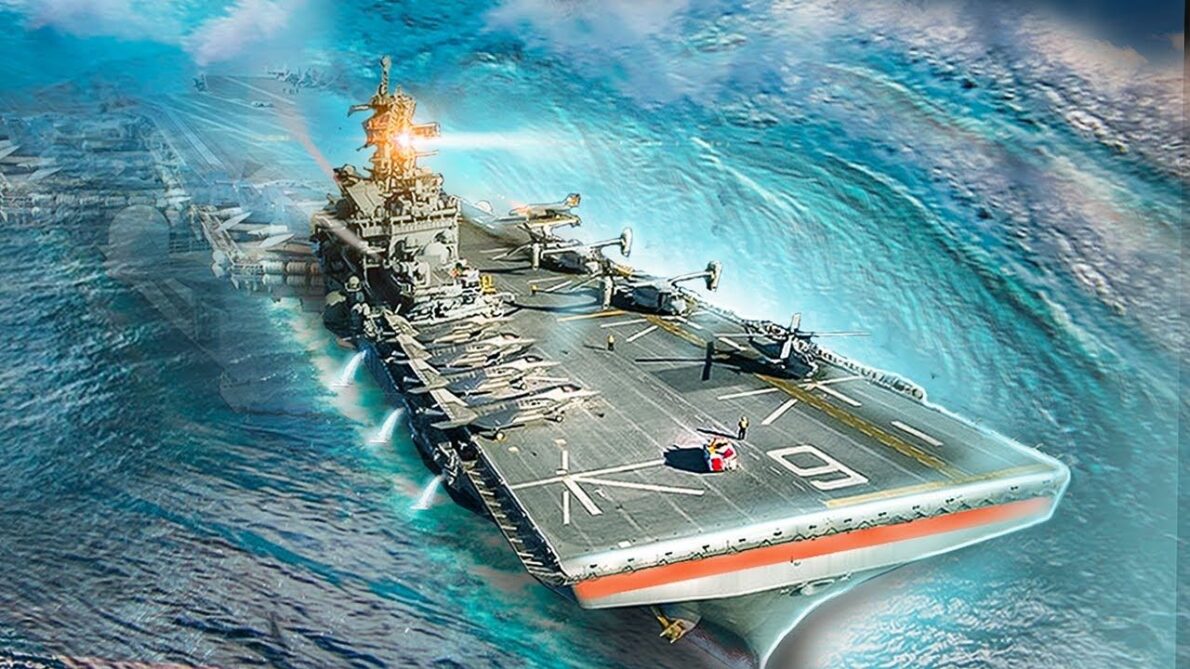
Understand How Advanced Engineering and Cutting-Edge Technology Keep U.S. Navy Aircraft Carriers Safe and Stable, Even in the Worst Storms.
In the vast and unpredictable ocean, monstrous waves rise like walls of water, threatening even the most powerful ships. But amidst this chaos, the U.S. Navy aircraft carriers stand firm, defying the force of the storms. How do these giants of the sea manage to survive the monstrous waves that would sink other ships?
The U.S. Navy aircraft carriers are true engineering marvels. Over 300 meters long, these giants have hulls designed to cut through the waves, ensuring stability even in the most adverse conditions. The key to this resilience lies in the combination of advanced technology and smart design.
U.S. Navy Uses Cutting-Edge Weather Forecasting Technology
These ships are equipped with bilge keels and active stabilization systems. The bilge keels, with their aerodynamic design, function like invisible anchors that keep the ship stable. The active stabilization systems use state-of-the-art sensors and smart algorithms to neutralize any unwanted movement, automatically adjusting the ship’s position as sea conditions change.
-
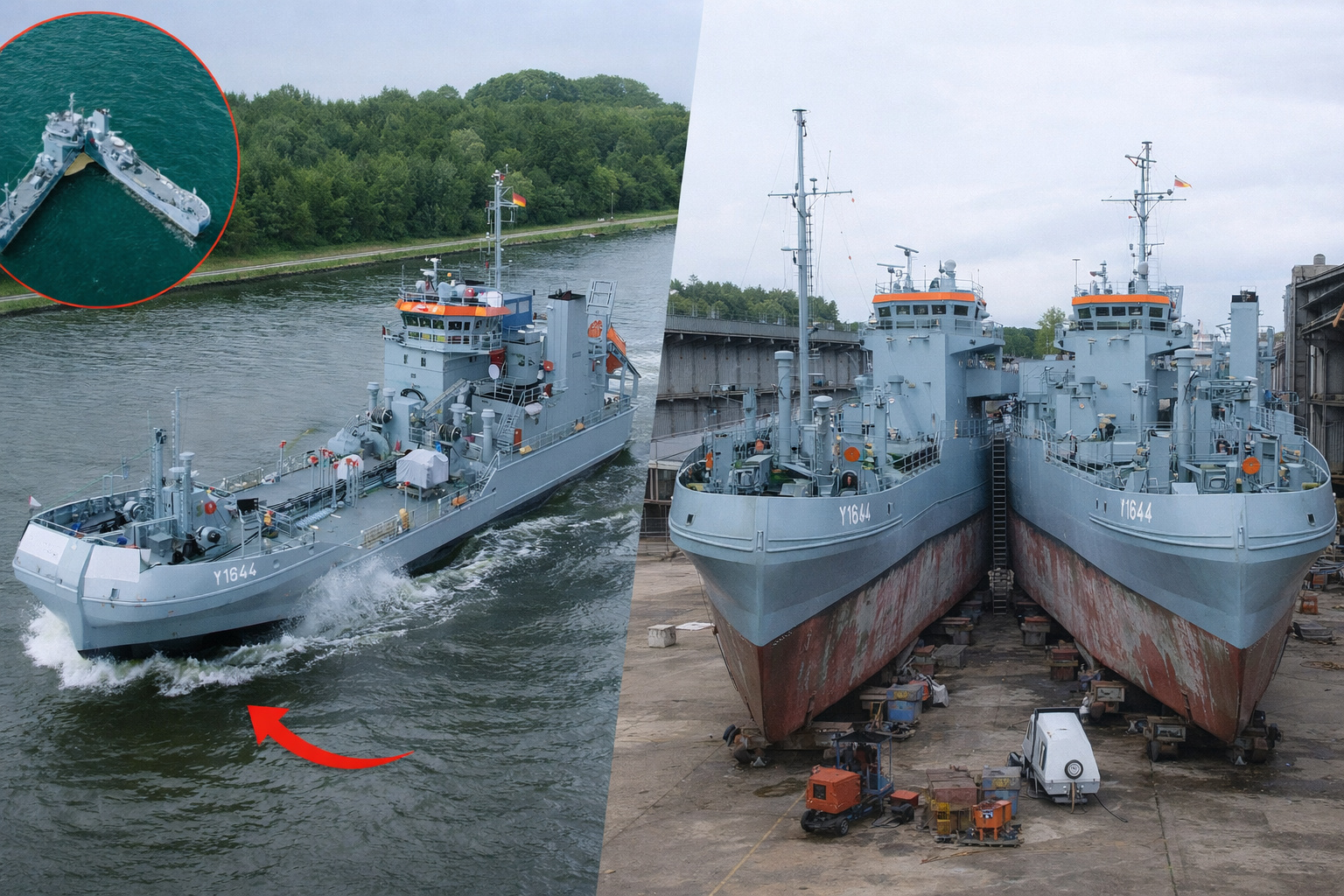
The German ship Bottsand splits its hull in two halves in the middle of the ocean to swallow spilled oil on the surface, separating the oil from the water inside a 790 cubic meter tank and then closing again. It is the only ship in the world factory-designed to split in half as part of normal operations, and the crew of six people who operate everything is civilian.
-
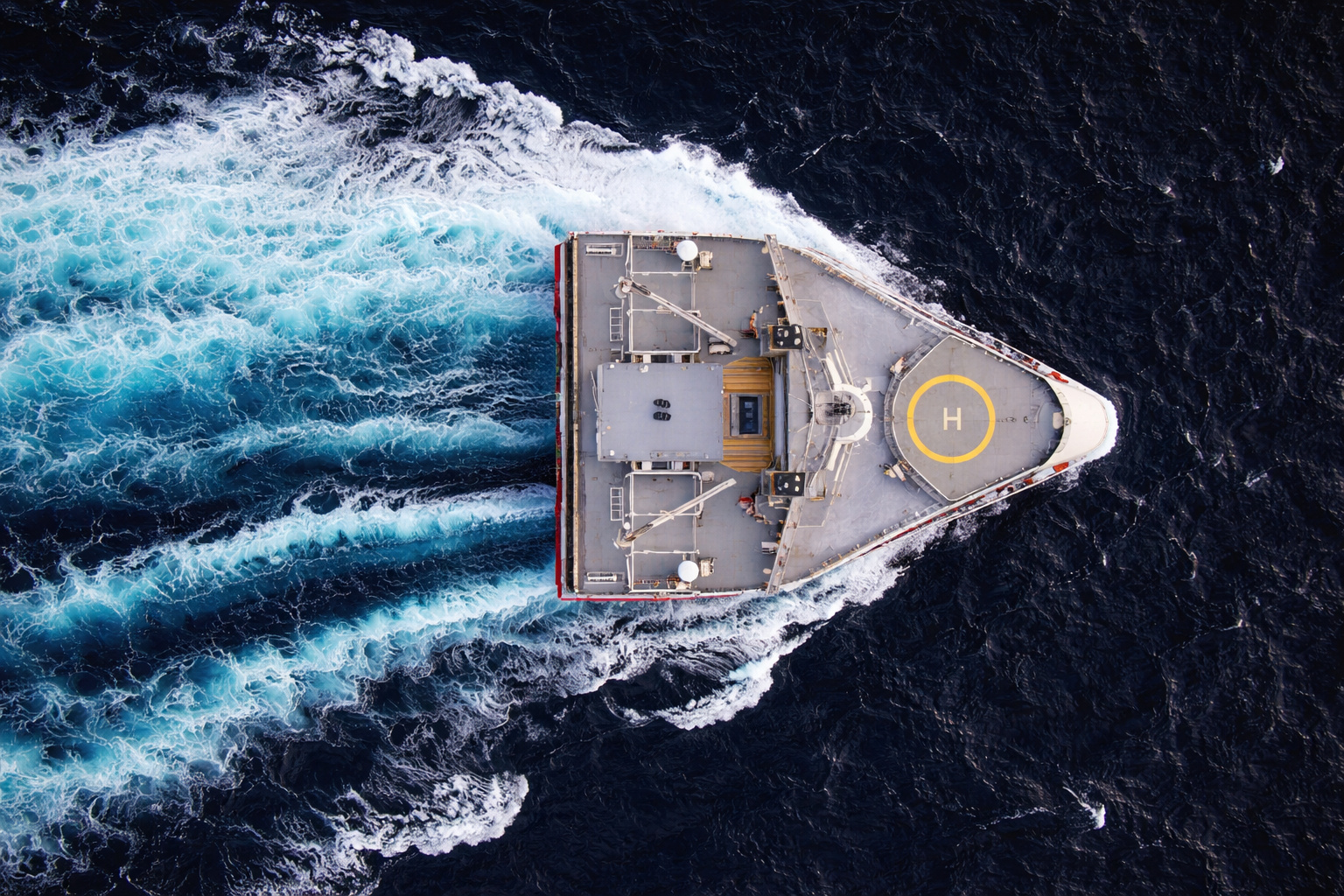
With almost 70 meters in width at the stern and a shape resembling a “giant slice of cheese,” the Ramform Titan tows up to 24 seismic cables to sweep the ocean floor in 3D and reveal oil reserves hidden beneath kilometers of sediment.
-
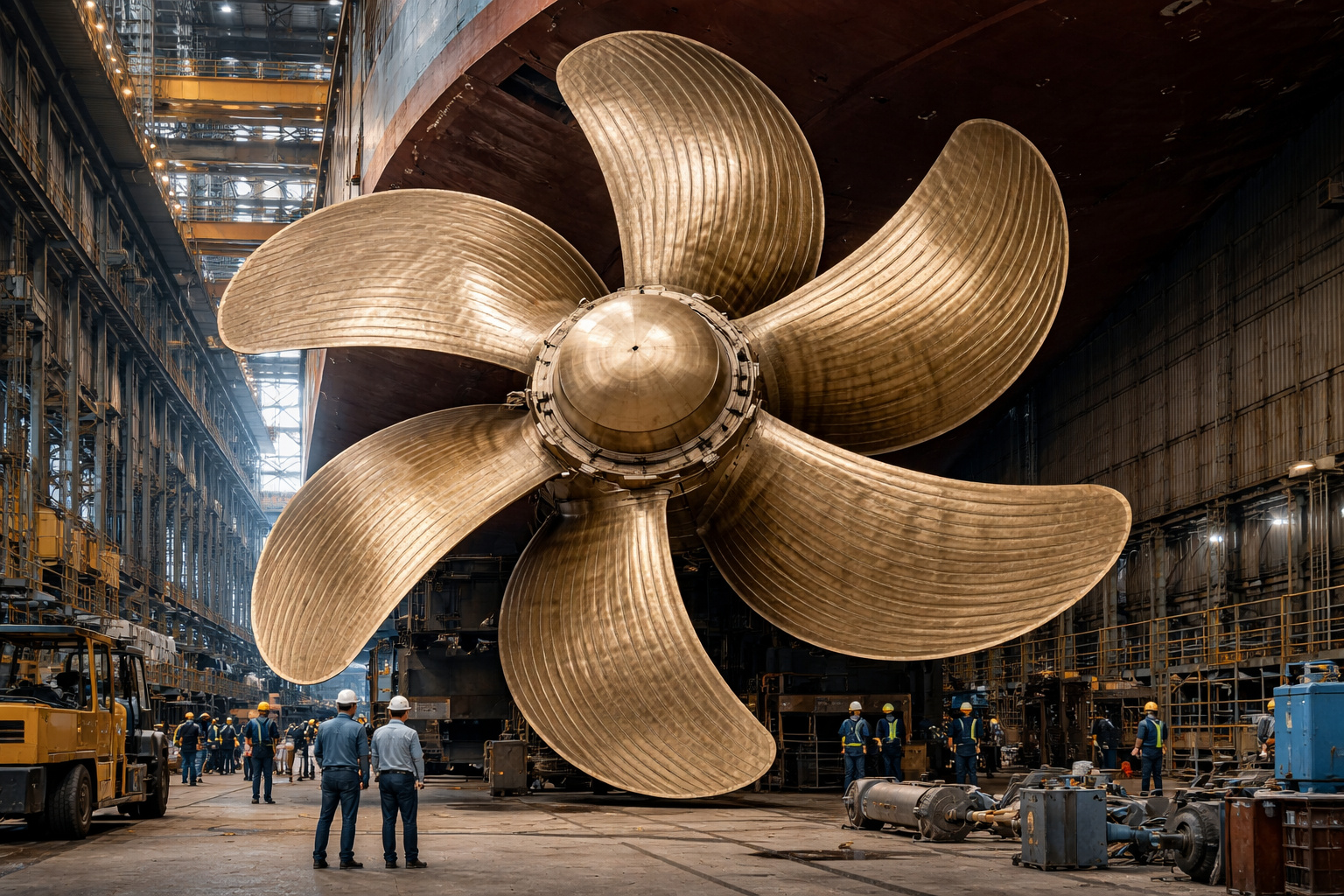
How a 131-ton, 11-meter propeller supports 90% of global trade and transforms the largest container ships on the planet.
-
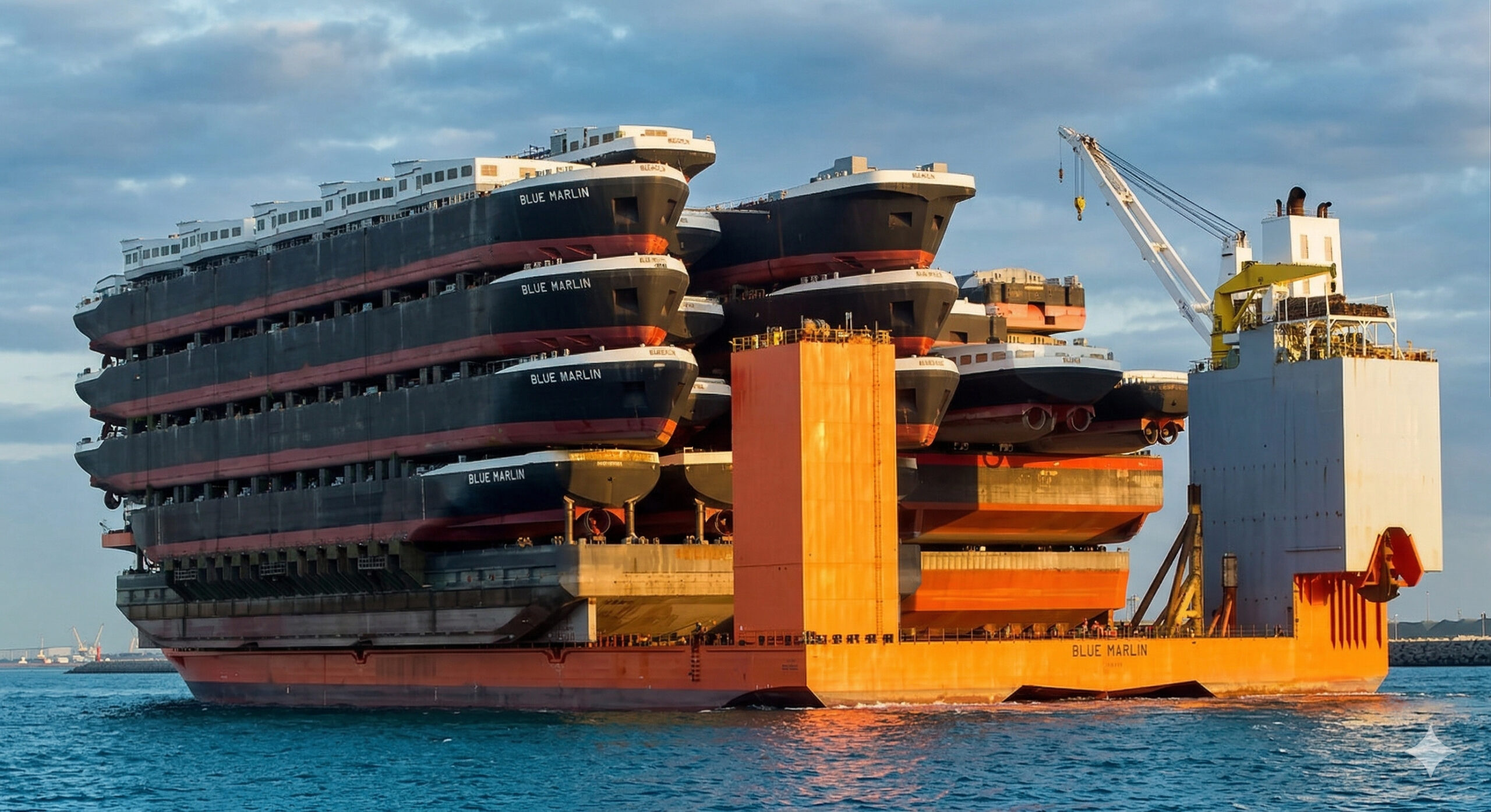
With a length of 225 meters and a capacity of 76 thousand tons, this ship “sinks” its own deck down to 28 meters deep to accommodate war destroyers, oil platforms, and giant radars floating above, and then emerges with everything intact on top like a colossal tray crossing oceans.

Before facing a storm, the U.S. Navy uses cutting-edge weather forecasting technology. Satellites, buoys, and weather stations provide real-time data about sea and weather conditions. Navy meteorologists analyze this information to chart safe courses, avoiding high-risk areas whenever possible.
Keeping an Aircraft Carrier Stable Is Not Just a Matter of Technology
Rigorous training and meticulous maintenance ensure that every screw and every piece of the ship is in perfect condition. The crew, composed of highly trained sailors and engineers, is always ready to face any challenge, from unexpected storms to complex maneuvers in open water.
The true strength of the U.S. Navy aircraft carriers lies in the combination of advanced technology, smart design, and the dedication of their crew. As the waves roar and the storms rage, these giants of steel remain steadfast, protecting their crews and carrying out their missions with precision. It is this union of engineering, forecasting, and courage that allows the aircraft carriers to face the most monstrous waves and emerge victorious.









Seja o primeiro a reagir!