





 Portuguese
  English
  Spanish
  3 min of reading
  0 comments


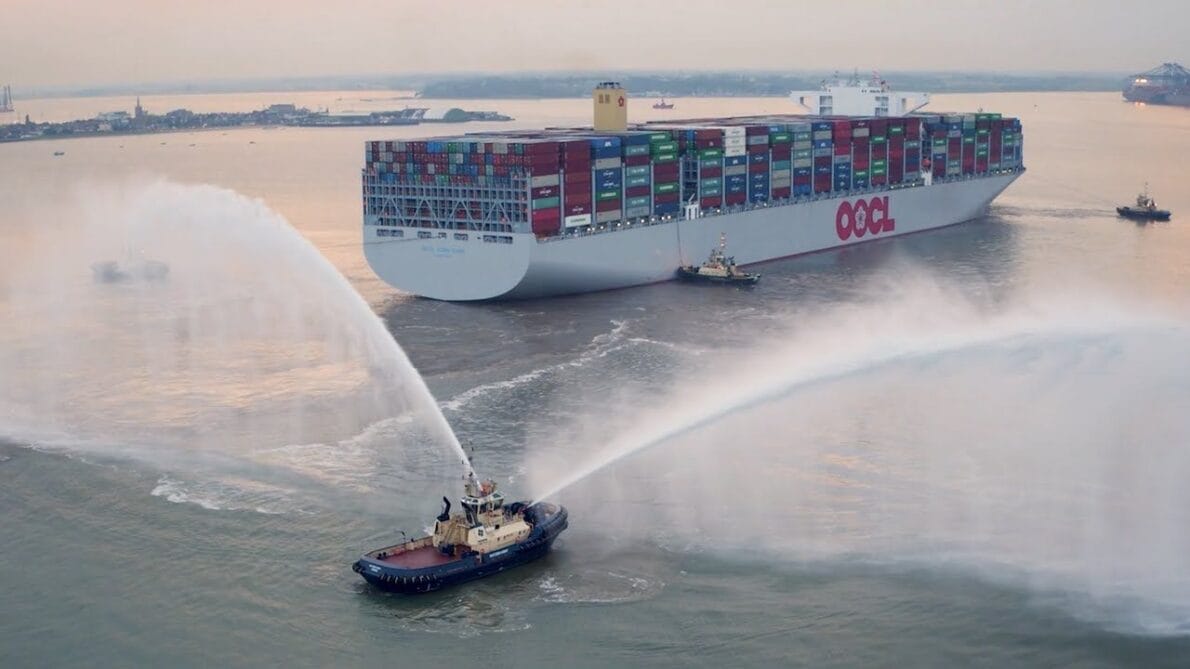
Understand How the Largest Container Ships in the World Are Operated, Maintained, and Face the Challenges of Global Maritime Transport.
Since ancient times, ships have been vital to global trade. Throughout history, these ships have evolved to meet market demands. Today, container ships are the undisputed kings of maritime transport. In ancient times, ships were powered by wind and could carry thousands of kilograms of goods across the oceans. However, the process of loading and unloading was manual, slow, and labor-intensive.
This changed in the 1950s when Malcolm McLean introduced the concept of standardized containers. These steel boxes modularized transport, allowing them to be easily loaded and unloaded onto ships, trains, and trucks. The SS Ideal X, launched in 1956, was the first ship to use these containers and marked a revolution in the shipping industry.
The Largest Container Ships, Like the OOCL Hong Kong and the Ever Given, Dominate the Oceans
Today, the largest container ships, such as the OOCL Hong Kong (see where it is now) and the Ever Given, dominate the oceans. The OOCL Hong Kong is 1,311 feet long and can carry 21,400 containers, while the Ever Given, at 1,300 feet, has a capacity for 24,000 containers. These giants are operated by relatively small crews, usually between 20 and 25 people, and offer modern amenities to make life aboard more comfortable, such as gyms and recreation areas.
-
With 74% of companies facing difficulties in hiring, technicians and engineers in renewable energy are becoming scarce in Brazil and are essential to support the expansion of solar, wind, and green hydrogen projects.

-
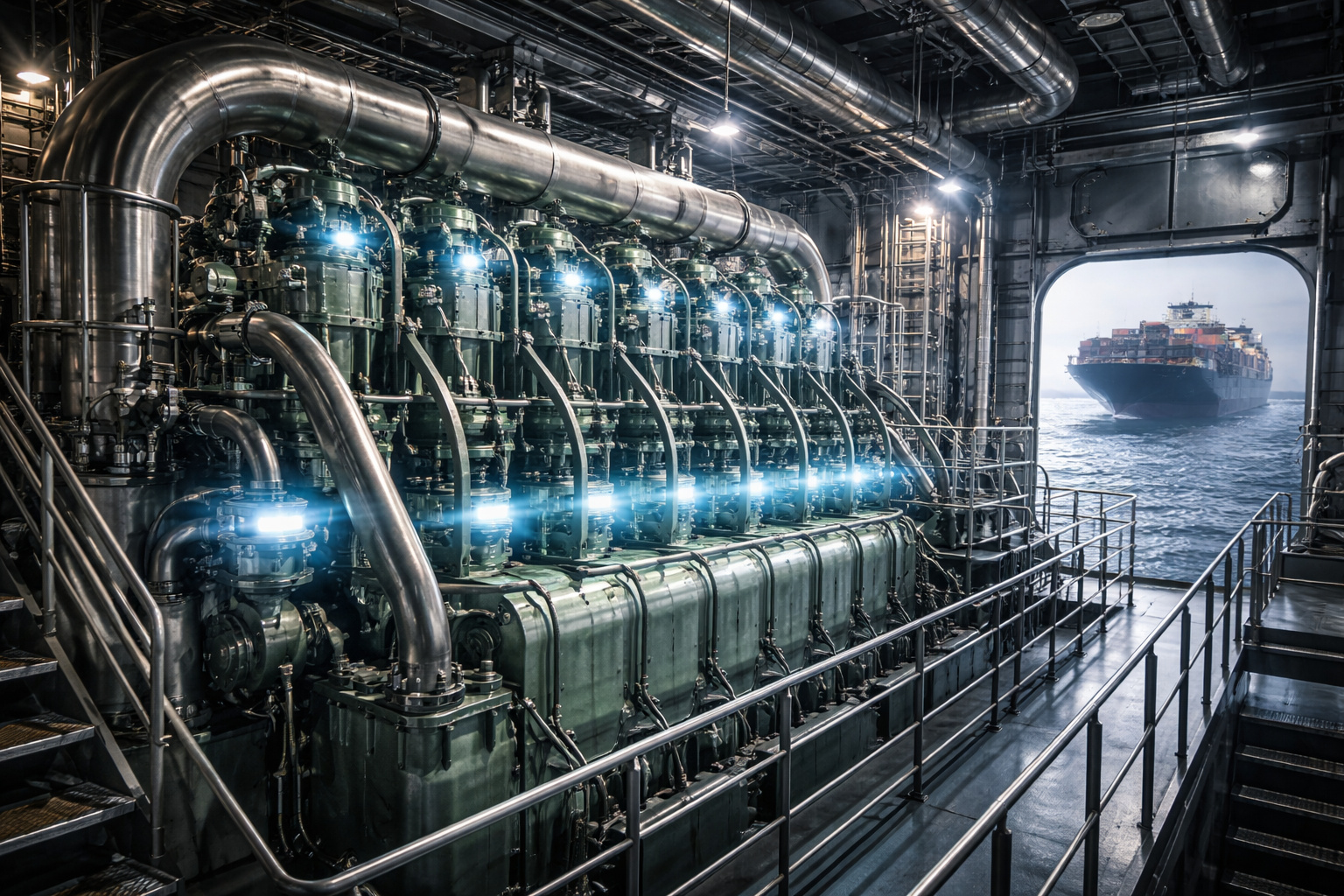
Europe is trying to create an ammonia-powered marine engine without auxiliary fuel, which could unlock the race for giant emission-free ships. The technology aims to eliminate one of the biggest obstacles to clean maritime propulsion.
-
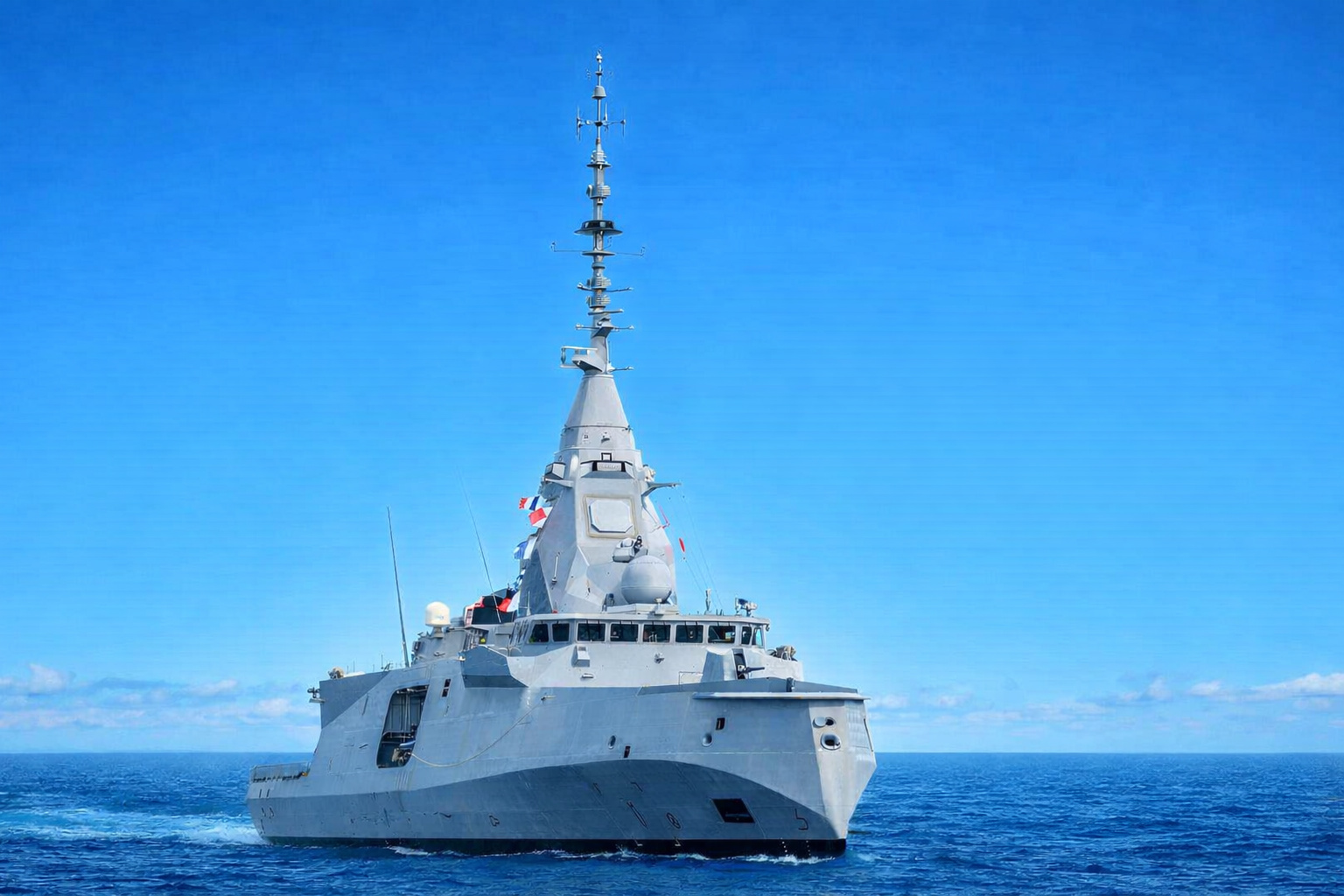
A 4,500-ton frigate with just over 100 crew members, state-of-the-art radar, and cruise missiles is being touted as the new standard of naval warfare in the 21st century.
-
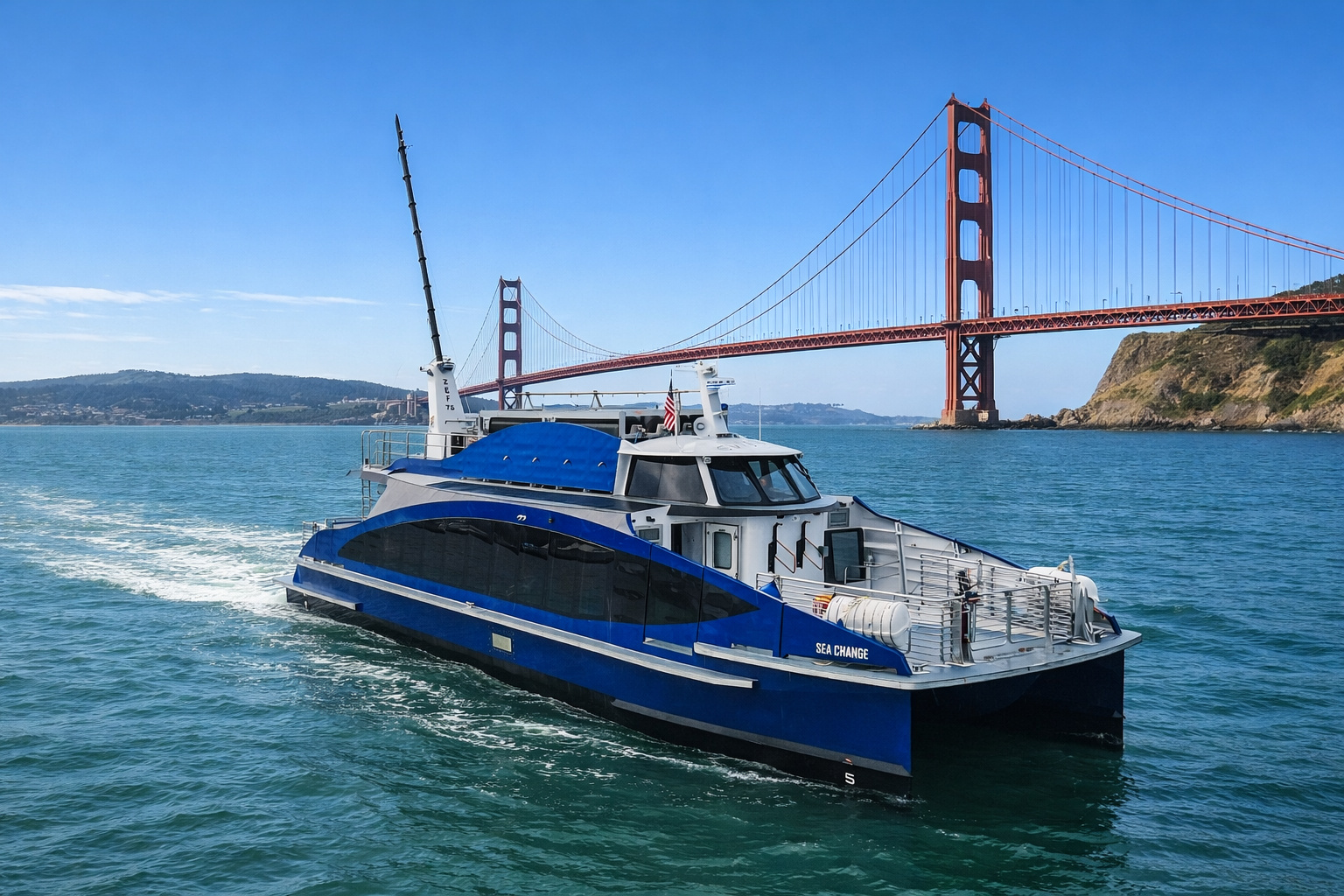
The first commercial hydrogen-powered ferry enters operation in the U.S., eliminates the use of diesel, uses fuel cells to generate clean energy on board, and transforms San Francisco Bay into a landmark of the new era of emission-free navigation.

Working aboard these ships is challenging. Crews work shifts of 4 to 6 hours, facing long hours and months at sea. However, they have the opportunity to travel the world and be a part of global operations. Responsibilities are divided among navigation, cargo loading and unloading operations, and maintenance of the ship’s systems.
Container Ships Are Essential Parts of Global Trade
The construction of a container ship involves meticulous planning and the use of advanced technology. From initial design to final launch, the process can take two to three years and cost hundreds of millions of dollars. These modern ships are equipped with giant crane systems and automated solutions to optimize the loading and unloading of goods at port terminals.
The loading and unloading process at ports is complex and can take up to three days for larger ships. Cranes at the port terminals transfer containers between the ship and ground transport, ensuring that goods reach their final destination efficiently.
Container ships are essential parts of global trade. Life aboard these giants of the sea is full of challenges, but also of rewards. They represent the evolution of the shipping industry and are crucial for ensuring the continuous flow of goods and services around the world.








Seja o primeiro a reagir!