





 Portuguese
  English
  Spanish
  5 min of reading
  0 comments


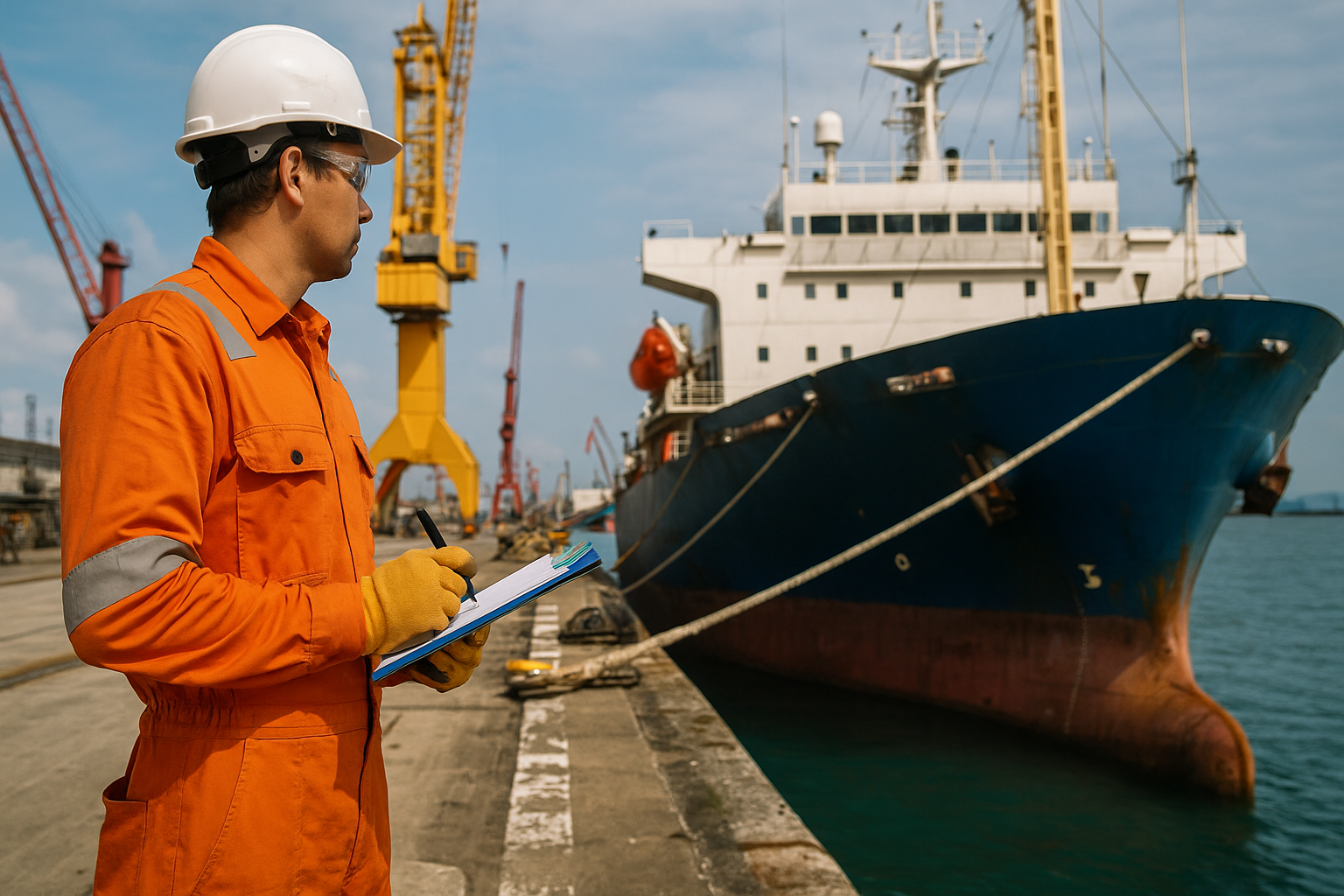
Discover How to Master Safety in the Naval Industry, Understanding Its Historical Challenges, Current Risks, and Effective Solutions to Protect Lives, Cargo, and the Environment in the Maritime Sector.
Safety in the Naval Industry is a topic that has always been essential for the development of the sector.
Throughout the centuries, it has evolved alongside technological and economic transformations.
Understanding this historical process and current challenges helps to build a safer and more efficient working environment.
-
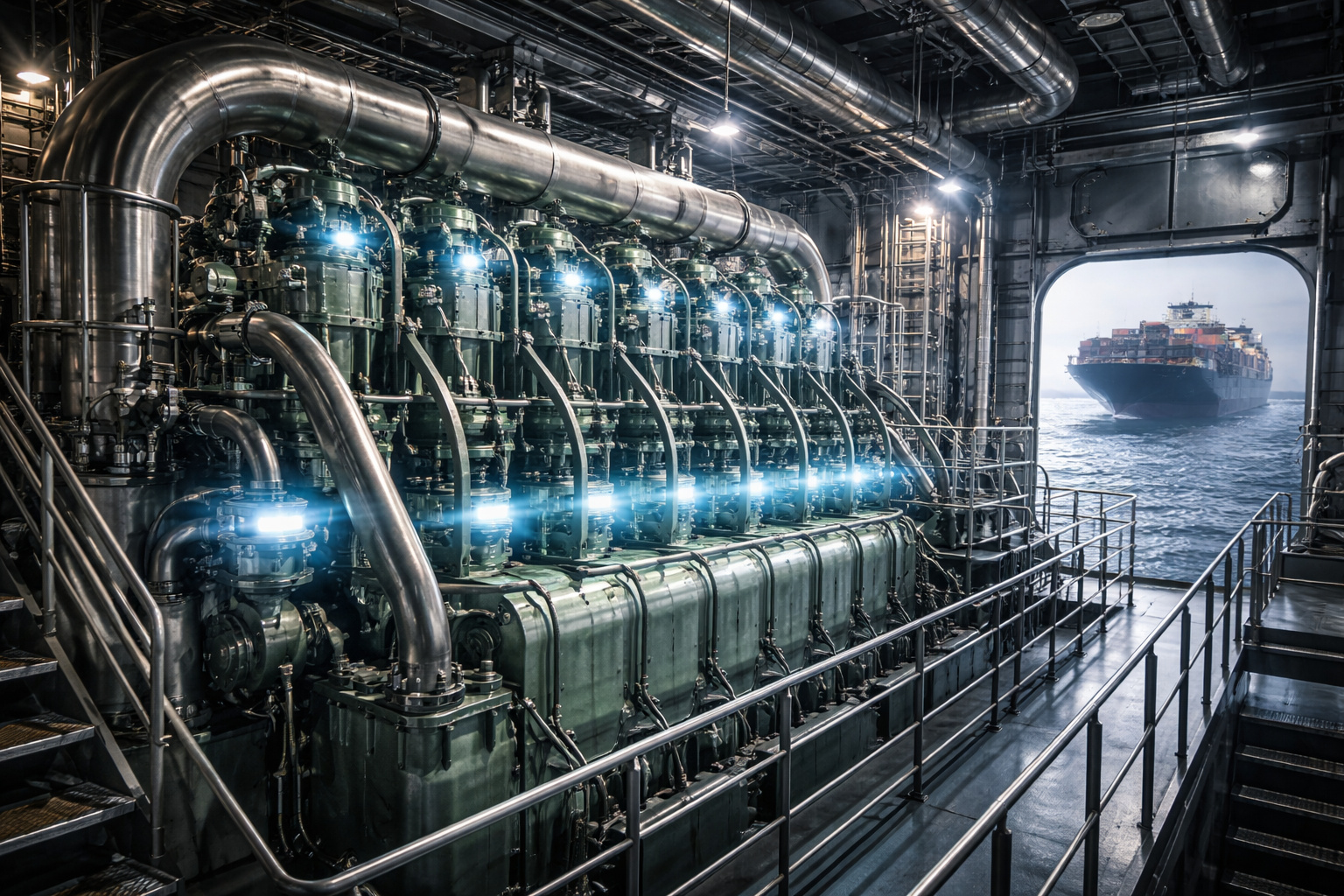
Europe is trying to create an ammonia-powered marine engine without auxiliary fuel, which could unlock the race for giant emission-free ships. The technology aims to eliminate one of the biggest obstacles to clean maritime propulsion.
-
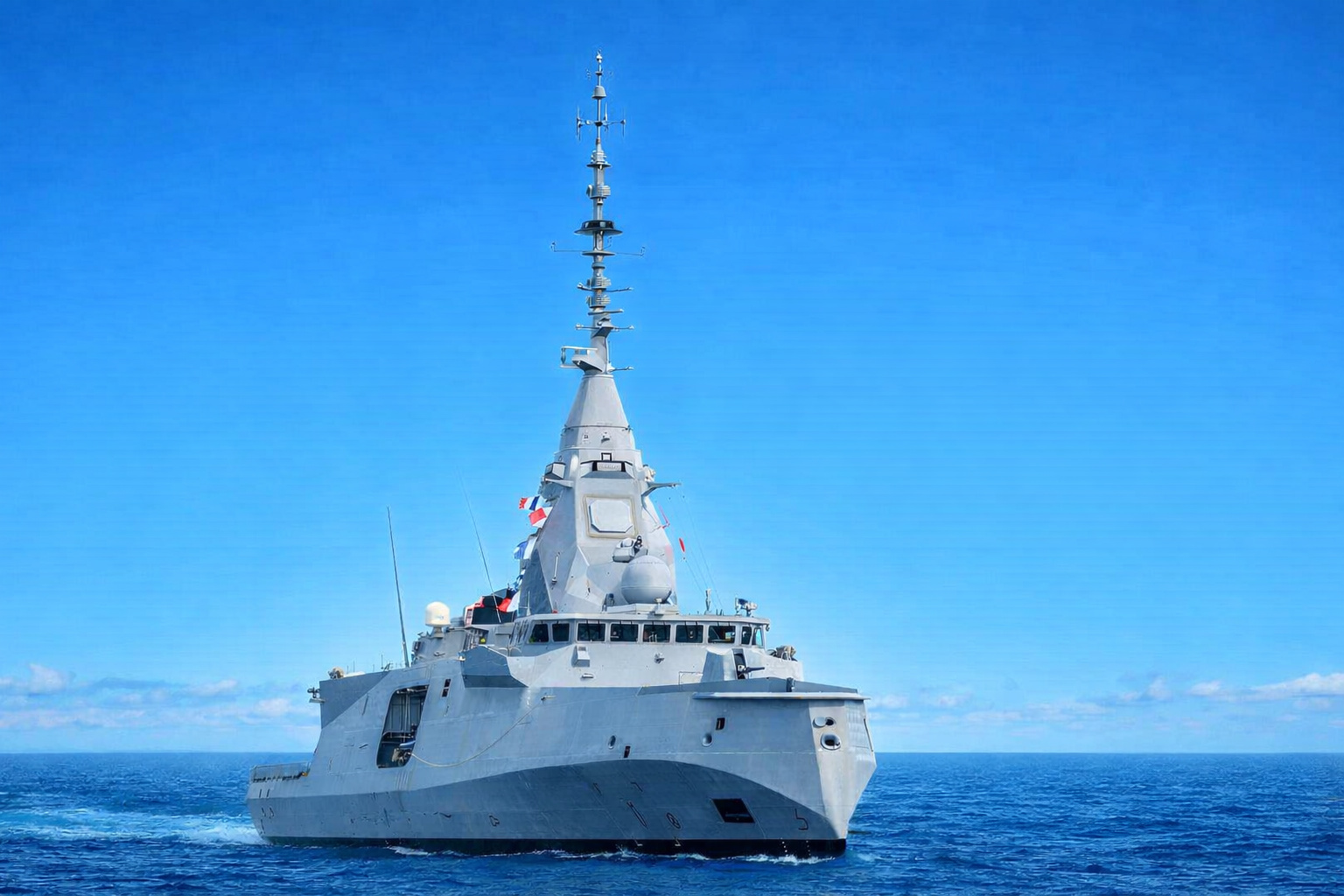
A 4,500-ton frigate with just over 100 crew members, state-of-the-art radar, and cruise missiles is being touted as the new standard of naval warfare in the 21st century.
-
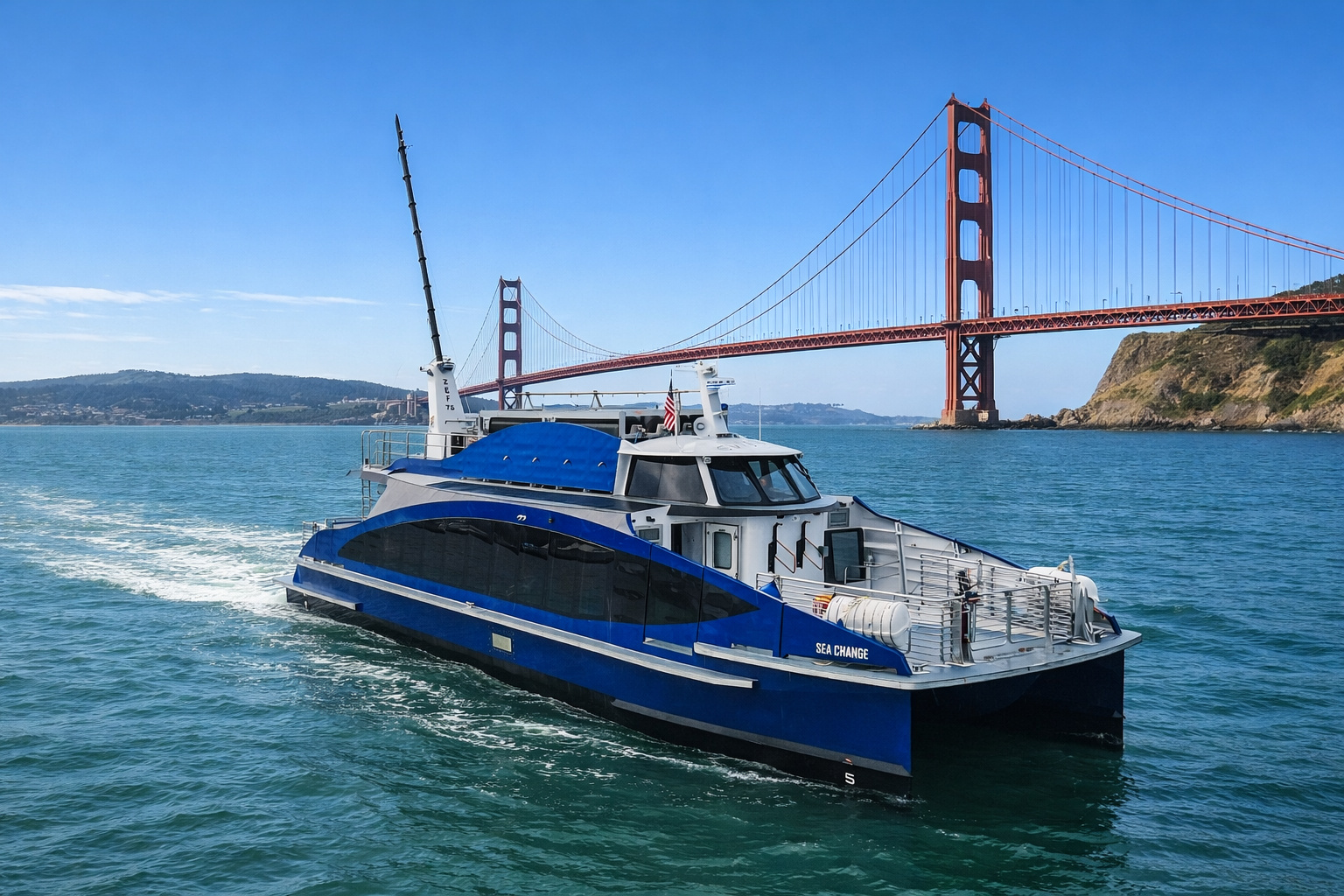
The first commercial hydrogen-powered ferry enters operation in the U.S., eliminates the use of diesel, uses fuel cells to generate clean energy on board, and transforms San Francisco Bay into a landmark of the new era of emission-free navigation.
-
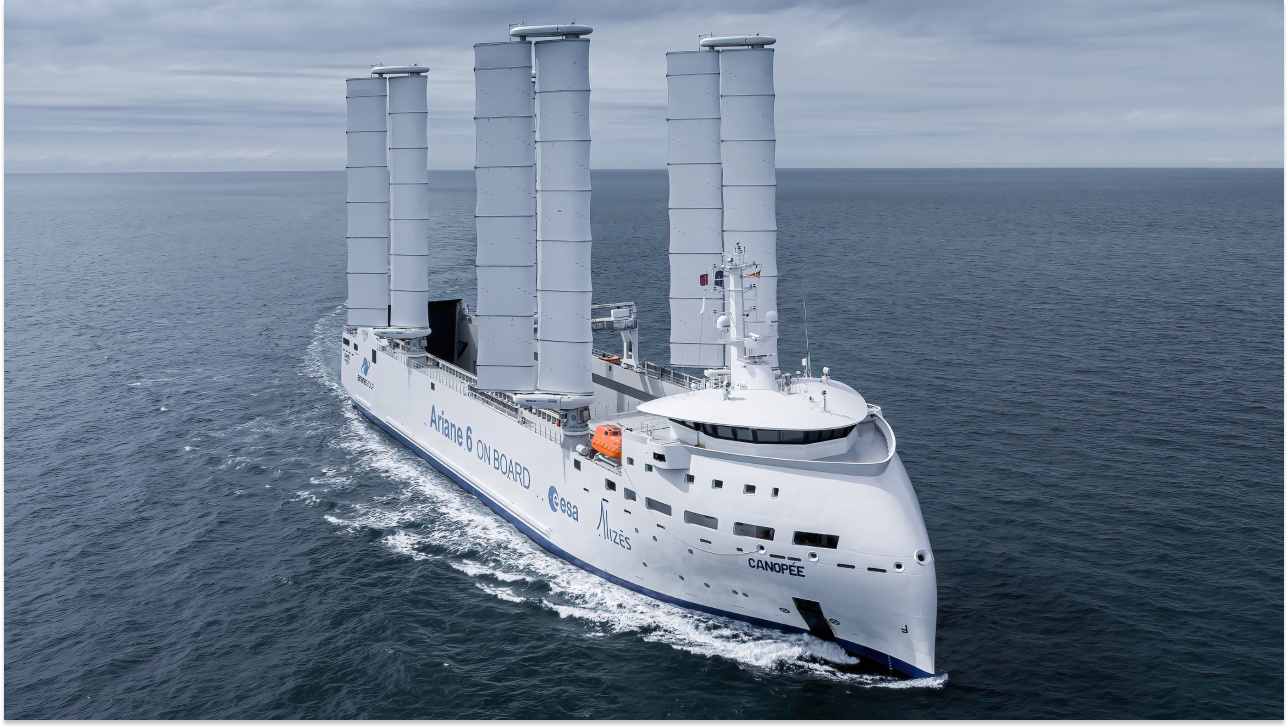
With a length of 121 meters and four rigid sails of 36 meters that automatically rotate to capture the wind, Canopée is the world’s first hybrid industrial cargo ship powered by wind, used to transport rockets and reduce fuel consumption by up to 30% on transoceanic routes.

Moreover, the naval sector supports a large part of global trade, so any failure can cause widespread negative impacts.
Therefore, mastering safety in the naval industry involves much more than simple technical procedures.
It encompasses practices, legislation, and attitudes that, together, ensure the protection of people, cargo, and the environment.
A Look at the Past: The Origin of Naval Safety Practices
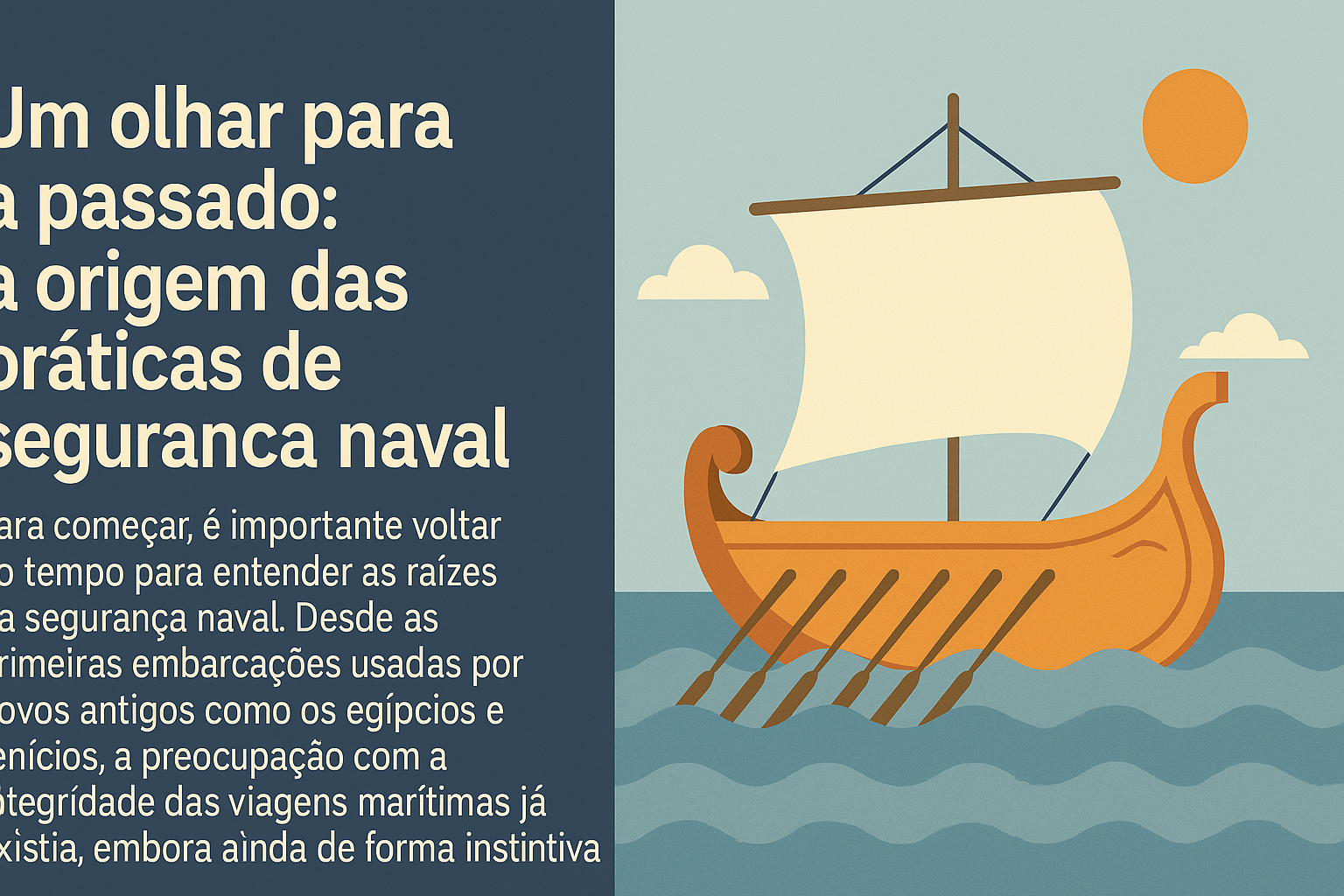
To begin, it is important to look back in time to understand the roots of naval safety.
Since the earliest vessels used by ancient peoples such as the Egyptians and Phoenicians, the concern for the integrity of maritime journeys already existed, albeit still instinctively.
According to the National Maritime Museum of the United Kingdom, the first attempts to regulate naval safety occurred between the 15th and 17th centuries, during the Age of Exploration.
At that time, rudimentary rules aimed to protect crews and cargo on the expanding maritime routes around the world.
Later, the Industrial Revolution, especially in the 18th and 19th centuries, brought radical changes to the naval industry.
The introduction of steam engines increased risks, such as fires and explosions, requiring adaptations in safety measures.
The Maritime Museum emphasizes that, in the 20th century, international standardization of these regulations grew with the creation of the International Maritime Organization (IMO) in 1948.
This organization began to coordinate global rules for maritime safety.
In addition, the understanding of the human factor gained prominence. Many accidents resulted from human errors.
Thus, trainings and effective communication on board became essential for prevention.
The Current Scenario: Risks and Solutions in the Naval Industry
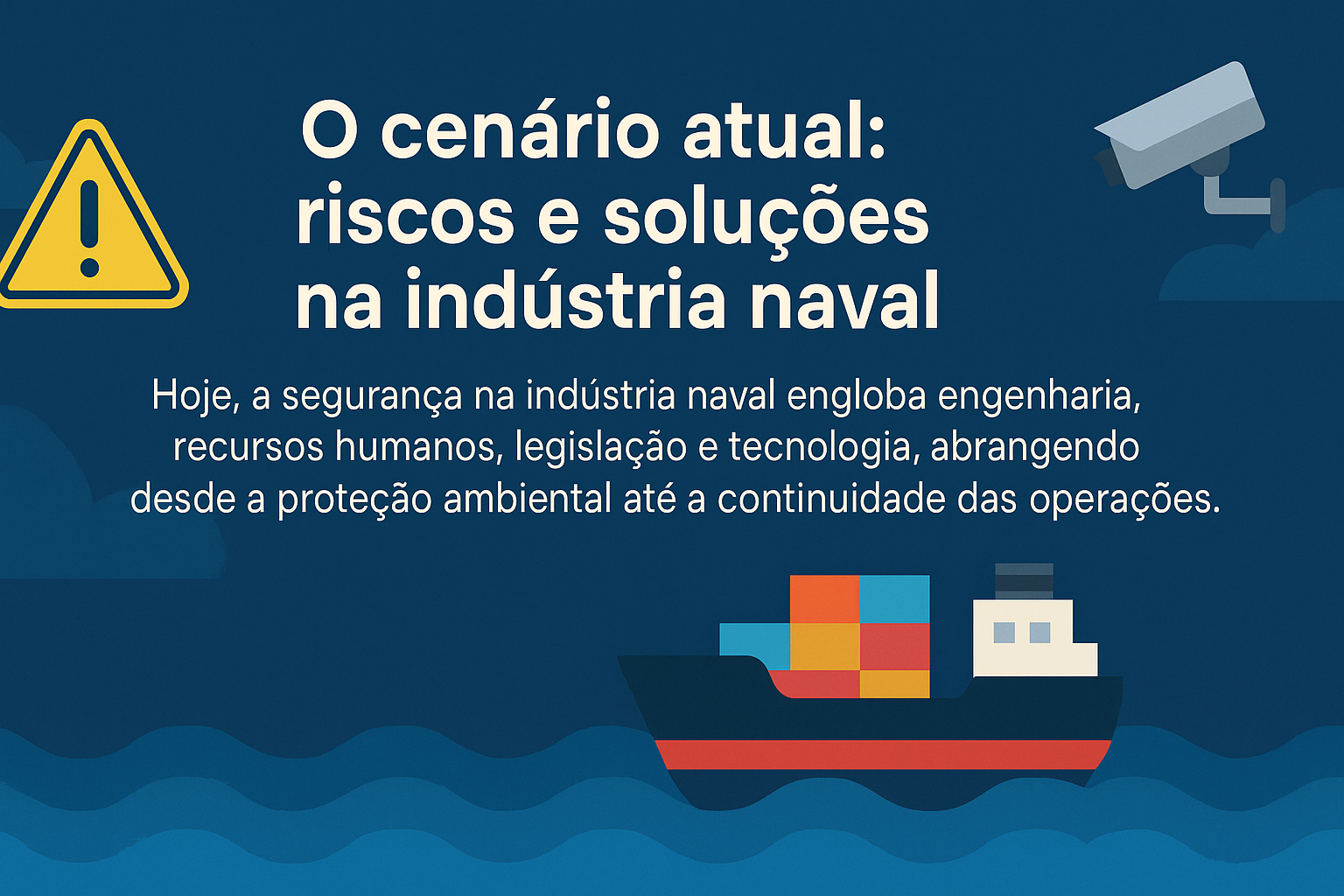
Today, safety in the naval industry encompasses engineering, human resources, legislation, and technology.
Thus, it goes beyond just preventing physical accidents, also covering environmental protection and operational continuity.
Among the most frequent risks are falls, contact with machinery, loud noises, fires, and exposure to toxic substances.
Moreover, ergonomic and emotional risks, such as the stress of confinement, also impact safety.
According to the National Institute of Metrology, Quality, and Technology (Inmetro), Brazilian naval safety standards align with international regulations and have been updated since 2005 to incorporate modern technologies.
Companies adopt integrated systems that combine prevention, monitoring, and rapid responses.
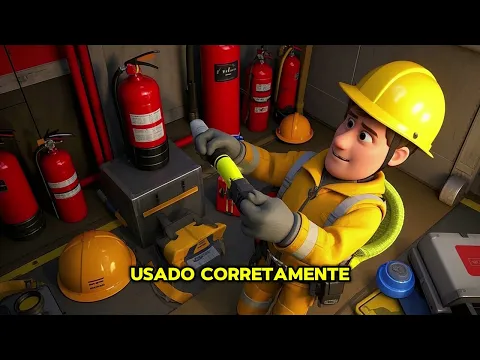
This includes the use of Personal Protective Equipment (PPE), periodic training, adequate signage, and technical inspections.
Additionally, technology plays a fundamental role. Gas sensors, alarm systems, remote monitoring, and artificial intelligence aid in predicting failures and responding immediately to emergencies.
Another important advancement is the use of navigation simulators, which allow training for real-risk situations safely.
According to Inmetro, this practice reduces human errors and better prepares teams.
Safety Culture: The Human Factor as a Priority
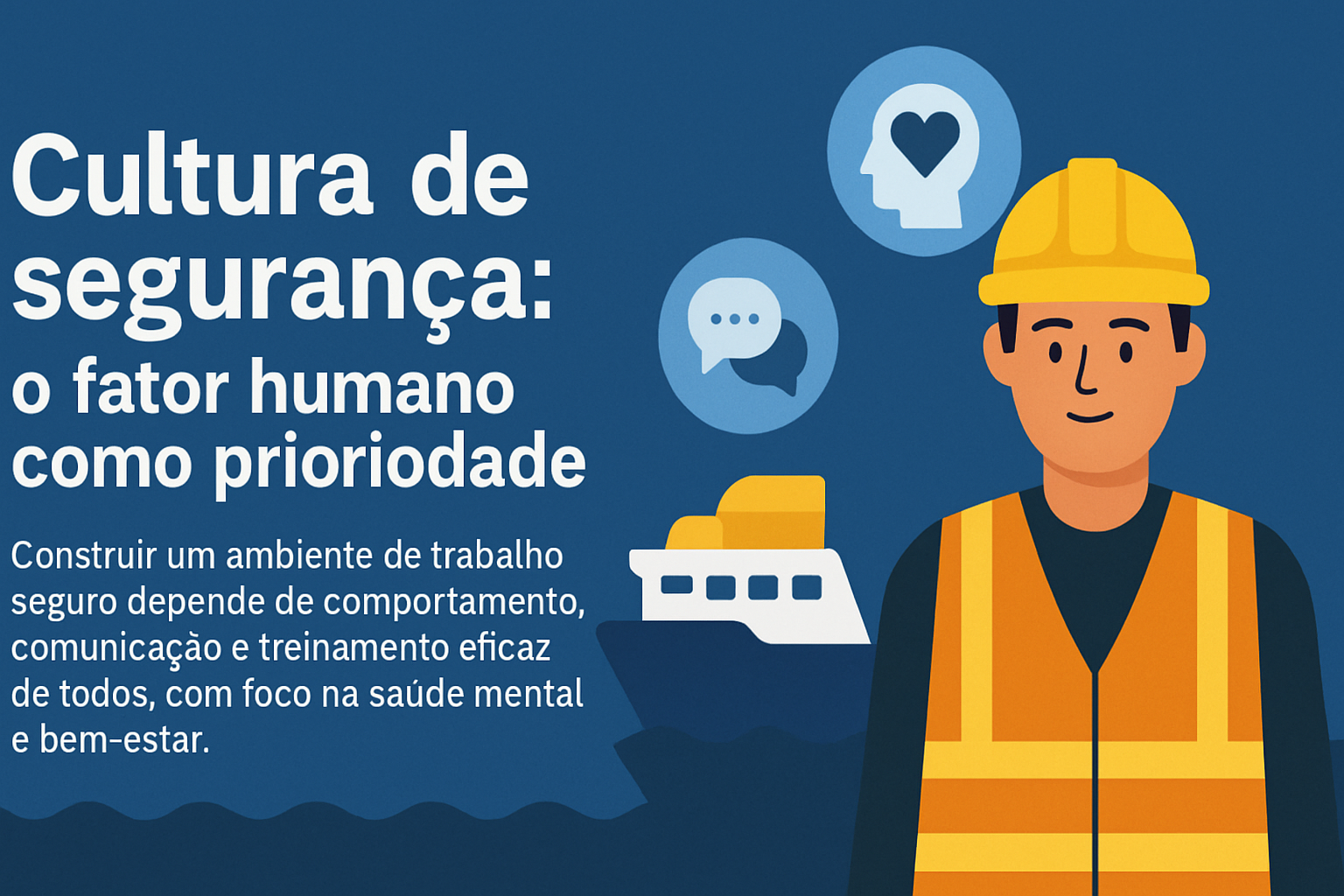
Even with technological advancements, safety essentially depends on human behavior.
Therefore, building a strong safety culture starts with leadership and reaches all employees.
According to a report from the International Labour Organization (ILO) in 2020, environments with open communication and motivation to follow protocols report significant reductions in accidents.
Trainings should go beyond formality, seeking understanding of risks and promoting collective responsibility.
When everyone understands their role, the results manifest in fewer accidents and greater productivity.
Mental health and well-being are also essential. In isolated environments, caring for emotional balance helps to maintain attention and performance, directly impacting safety.
The ILO emphasizes that investments in mental health programs in the maritime sector are crucial to reducing accidents and improving efficiency.
Legislation and Technical Standards in the Naval Industry
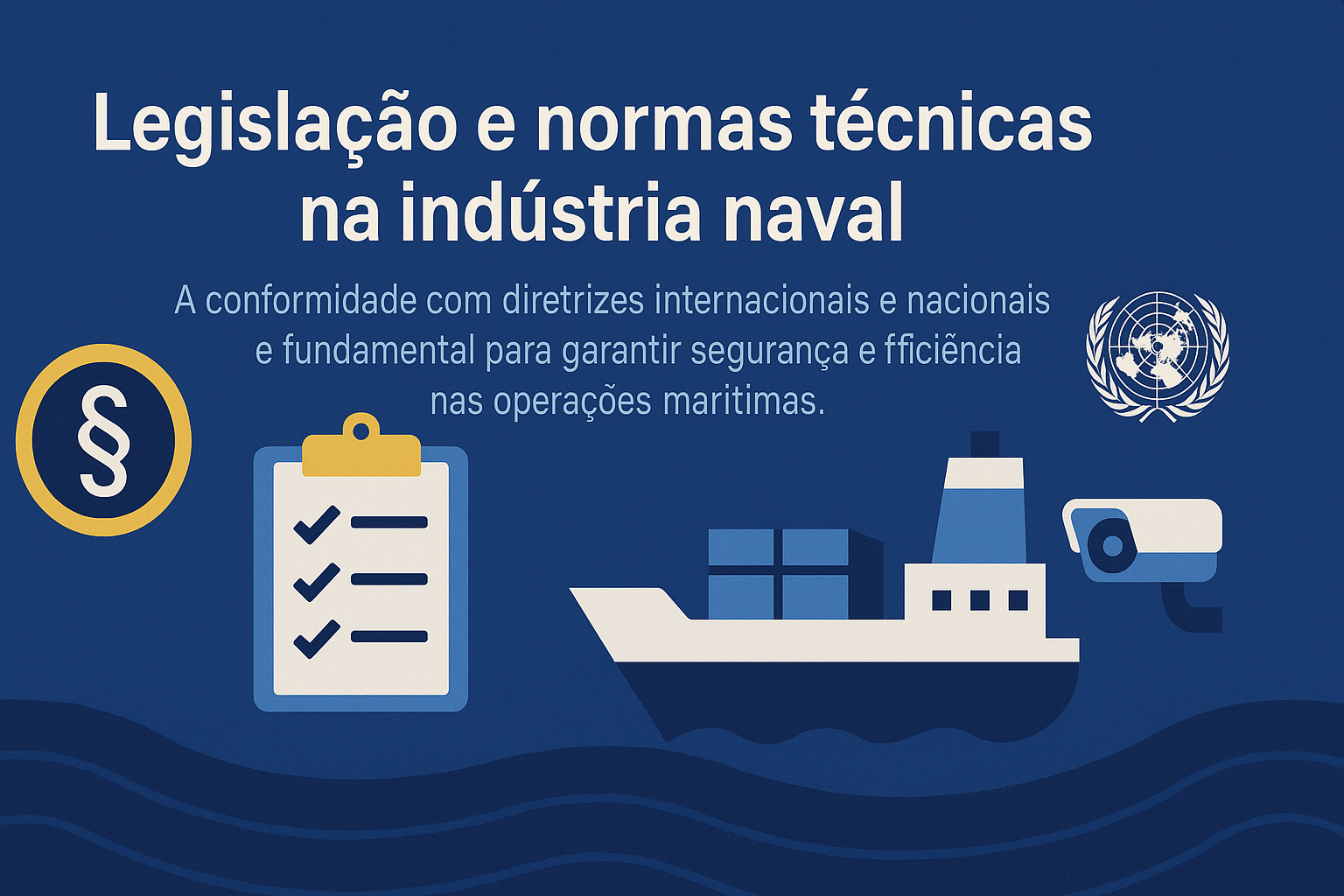
The legislation and technical standards support safety in the naval industry. Companies must strictly follow international and national guidelines to ensure compliance and protect lives.
The International Maritime Organization (IMO) published the SOLAS Convention (Safety of Life at Sea) in 1974, which establishes minimum standards for maritime safety.
The ISM Code (International Safety Management), adopted in 1998, focuses on safe management of operations.
In Brazil, Regulatory Norms such as NR-30 and NR-33 define specific rules for safety in maritime operations and confined environments.
According to the Ministry of Labor and Employment, the constant updating of these standards is vital to keep pace with technological innovations and ensure safer environments.
Complying with these standards is more than a legal obligation: it is to protect lives, prevent financial losses, and preserve reputations.
Innovation and Sustainability: The Future of Safety in the Naval Industry
In recent decades, sustainability has become integrated into the concept of naval safety. Protecting the environment and ensuring energy efficiency are linked to the safe operation of vessels.
The European Maritime Safety Agency (EMSA), in a 2022 report, highlighted the growing use of green technologies, such as natural gas propulsion and advanced waste treatment systems.
These innovations minimize environmental impacts and prevent accidents such as spills.
Additionally, digitalization and data analysis allow for predictive risk identification, anticipating and preventing accidents.
Thus, the future of naval safety depends on technological innovation and sustainability.
Mastering safety in the naval industry requires continuous effort, involving history, technology, people, and legislation.
Companies that adopt this integrated vision protect lives, preserve the environment, and ensure operational efficiency.
Thus, safety ceases to be an obligation to become an essential value that supports the development of the sector, preparing it for present and future challenges.








Seja o primeiro a reagir!