





 Portuguese
  English
  Spanish
  4 min of reading
  20 comments


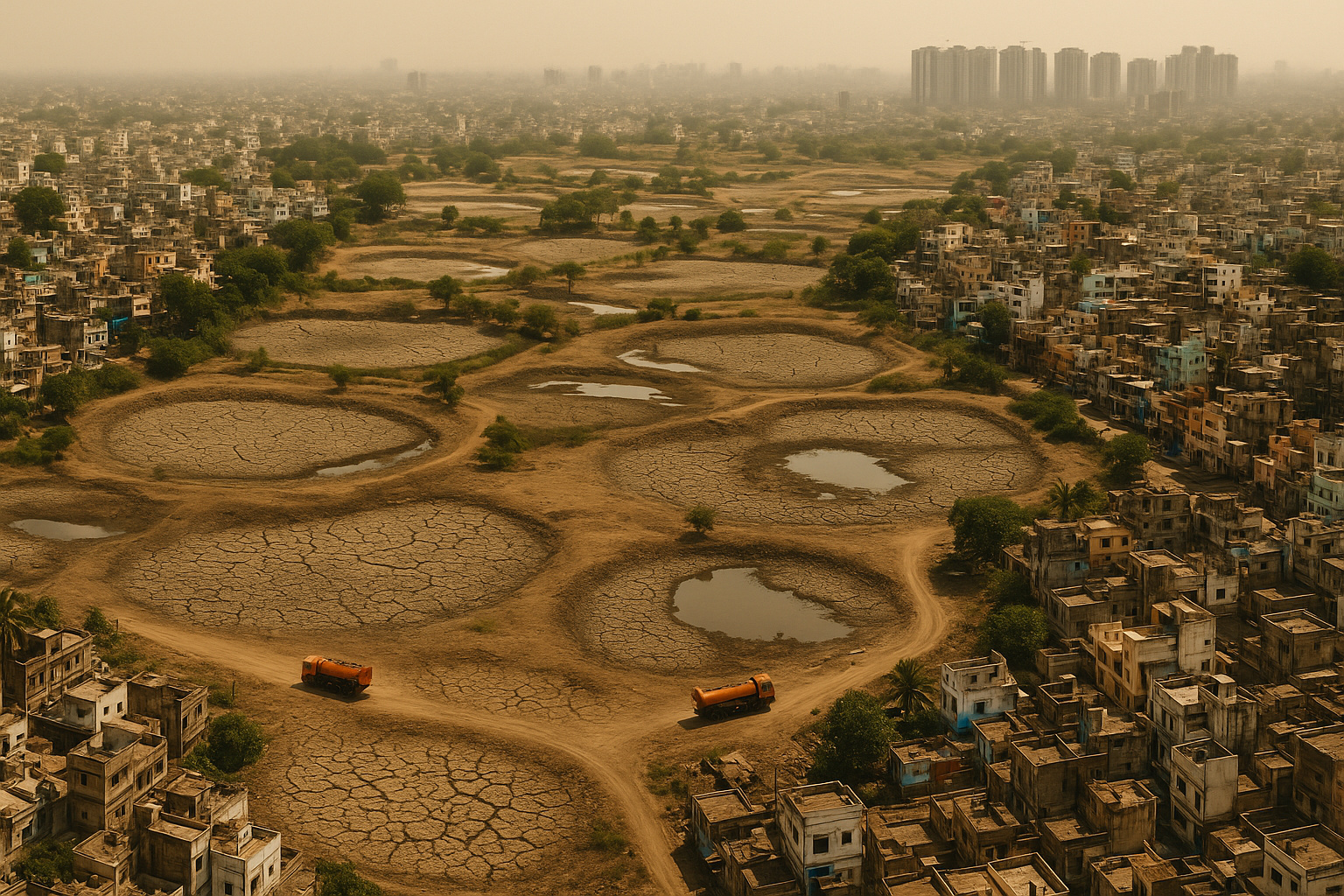


The Rapid Real Estate Expansion, the Disappearance of Over 2,800 Lakes, and the Alarming Drop in Groundwater Levels Have Already Placed Hyderabad in a Critical Scenario, Where Even Periods of Intense Rain Fail to Replenish Reserves That Plummeted Between 2000 and 2020
The city of Hyderabad, one of the fastest-growing urban areas in India over the past two decades, is currently experiencing one of the most severe water degradation processes on the planet. Between 2000 and 2020, its water bodies underwent a drastic reduction of nearly 500%, plummeting from 12,535 hectares to just 2,280 hectares, according to a study conducted by a local researcher. During the same period, the built area doubled, jumping from 38,863 to 80,111 hectares, which profoundly altered the natural balance of the territory.
As a direct result of this accelerated transformation, important lakes such as Osmansagar, Himayatsagar, and Durgam Cheruvu recorded sharp drops in their water levels, contributing to the worsening of a scarcity that is already manifesting in various neighborhoods. This information was disclosed by the Times of India, which detailed the increasing impacts of urbanization on the regional water system. The study also revealed that Hyderabad lost approximately 2,850 lakes in just 20 years, dropping from 3,500 to 650 — a silent environmental collapse that completely reshaped the landscape and its natural storage capacity.
Accelerated Urbanization Destroyed Green Areas and Overloaded the Water System
During the analyzed period, the expansion of technology, commerce, and housing hubs — especially in areas like Hi-Tec City, Gachibowli, and the Financial District — intensely pressured urban infrastructure. According to researcher M. Kamraju, who conducted the survey, many lakes were simply filled in, invaded, or abandoned, compromising vital functions such as aquifer recharge and biodiversity maintenance.
-
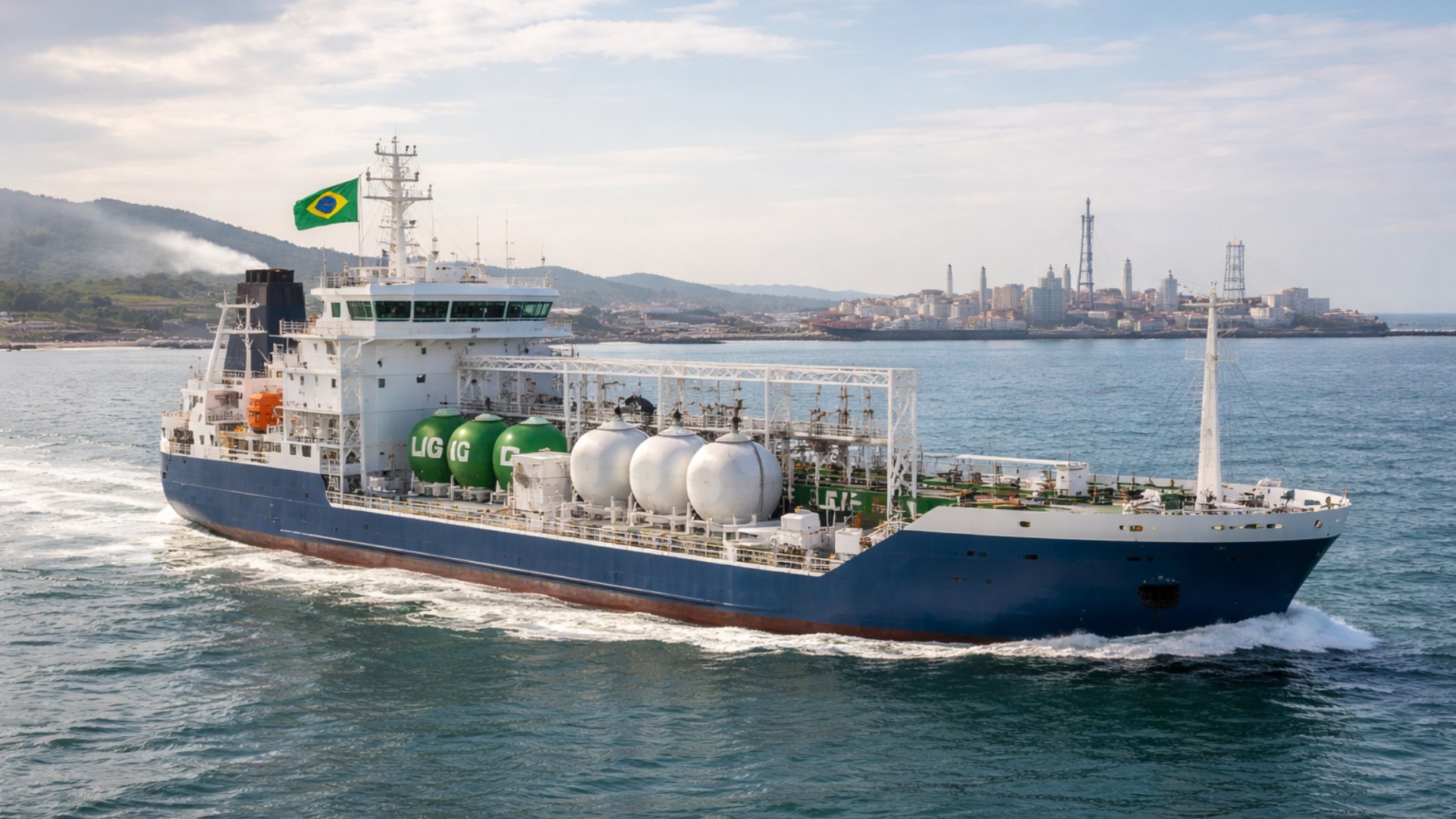
Brazil catches the world’s attention with ships powered by ethanol and biodiesel that have lower emissions, an unprecedented certification with advantages in chartering, and a revolution in cabotage.
-
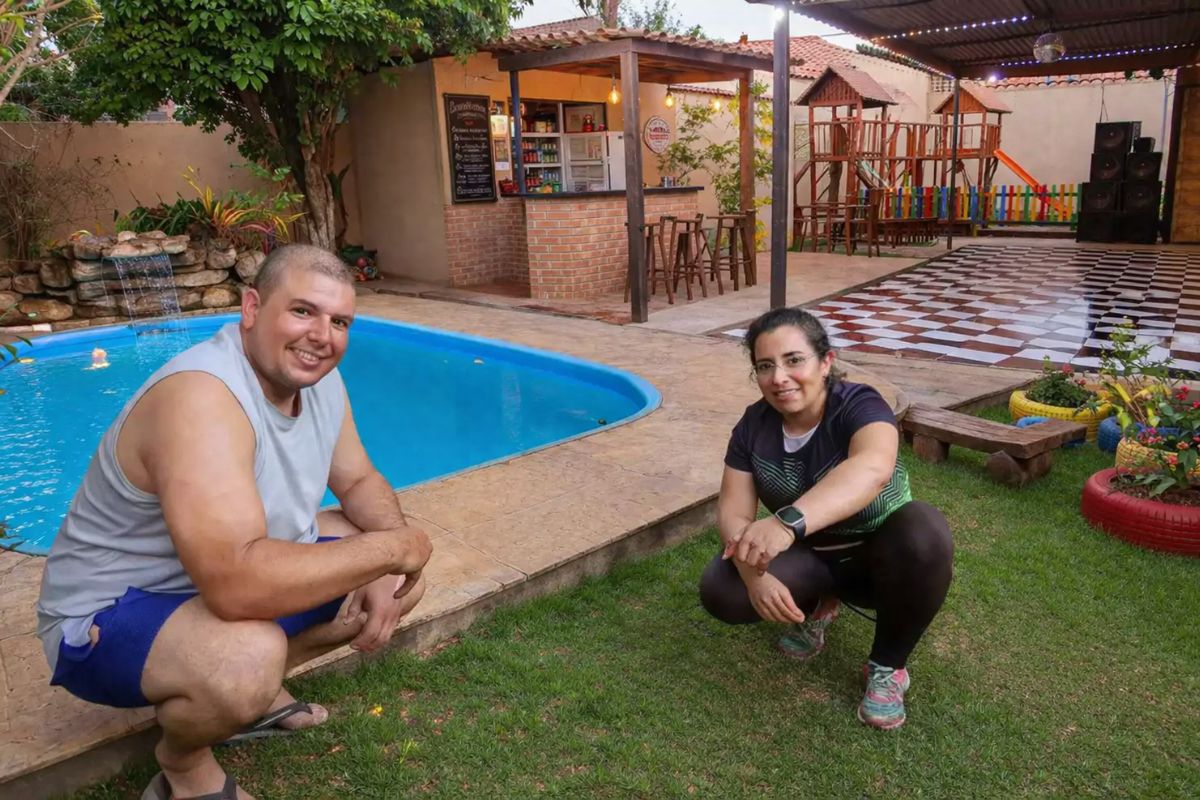
A couple who only has Sundays free has built a hand-dug pool, a hamburger joint, a dance hall, and a playground in their own home without hiring a mason, and even with breaks due to accidents and the pandemic, the work has never truly stopped.
-
Furniture made with aluminum and glass does not warp and has become an alternative to replace MDF in Brazil.

-
Finland, the happiest country in the world, wants to hire 140,000 technology professionals and is eyeing Brazilians: visas are issued in just two weeks and salaries with a 37-hour workweek are surprising.


This unplanned expansion completely disrupted the city’s water model. In 90% of Greater Hyderabad, even when rainfall exceeds the annual average, the groundwater level remains at critical levels. Neighborhoods such as Malkajgiri, Ameerpet, Kukatpally, and Alwal recorded underground levels so low in August that the demand for water tanker trucks surged to about 10,000 requests per day during the hottest months, especially in April and May.
Moreover, experts point out that Hyderabad lacks the essential elements for maintaining a balanced urban ecosystem: green areas proportional to the population growth, ecological corridors, and effective protection of remaining water resources. This imbalance, which has accumulated over two decades, is directly related to unexpected floods, increased localized tremors, and soil instability in various parts of the city.
The Study Reveals Agricultural Impact and Urgent Need for New Policies
Another alarming finding identified by the research concerns the region’s agriculture. The area designated for rain-dependent crops plummeted from 72,817 hectares in 2000 to only 37,902 hectares in 2020, highlighting the massive conversion of productive land into residential, industrial, and commercial zones. For experts, this change reinforces the urgency of reviewing growth patterns that ignore basic environmental limits.
Published in the journal Earth Sciences Malaysia, the study emphasizes that conservation initiatives exist but are insufficient in the face of advancing urbanization. Retired professor KM Lakshmana Rao, an expert in disaster management, warns that the current trend is likely to intensify, leading to increasingly extreme and hard-to-control episodes.
In the final sections of the research, the authors argue that Hyderabad needs to immediately adopt stricter land management policies, prioritizing green infrastructure, urban expansion limits, planned vertical growth, recovery of degraded areas, and restoration of destroyed lakes. Measures like these, if implemented correctly, can reduce future impacts and increase the city’s resilience to climate change.
Despite the local severity, experts argue that Hyderabad’s drama is not isolated. Many tropical and semi-arid cities face similar pressures, including Brazilian capitals that have already seen their reservoirs dangerously dry up, such as São Paulo, Brasília, and Fortaleza. An urban growth model without water planning — like that of Hyderabad — could easily repeat itself in urban centers in Brazil unless preservation and restoration policies advance rapidly. In light of this, the question that should mobilize governments and the public emerges: Are We Prepared to Prevent a Brazilian City from Facing Its Own Scenario of Total Water Scarcity?






Se o poder público não abrir o olho, em Bauru, interior de SP vai para o mesmo caminho…
O estagiário perdeu 500% de chance de escrever corretamente a matéria…
Misericórdia.
Queria entender a porcentagem desse jornalista: como consigo perder 500% de alguma coisa, sendo que o todo de alguma coisa é 100%?