





 Portuguese
  English
  Spanish
  3 min of reading
  0 comments


The National Exemption Rule Redefines Automotive Expenses, Changes Ownership Costs, and Alters Perception of Classic Cars in the Brazilian Market
A significant tax change begins to take practical effect starting in January 2026, attracting the attention of millions of vehicle owners in Brazil.
With the application of the national rule of IPVA exemption for vehicles 20 years or older, models manufactured until 2005 are exempt from paying the tax, which reduces annual fixed expenses.
This adjustment reorganizes the cost of maintaining a car, especially for those who use popular cars on a daily basis.
In addition, the measure enhances the appeal of vehicles known for their mechanical robustness, simple maintenance, and affordable parts.
Technical Criterion Redefines IPVA Collection in 2026
The exemption from IPVA for vehicles 20 years or older will take effect in 2026, based on a rule consolidated in the country and applied widely by the states.
In practice, this means that cars produced until 2005 are exempt from the annual tax, regardless of the model.
This age criterion replaces fragmented policies and thus standardizes the benefit throughout the national territory.
As a result, the owner no longer has one of the main recurring costs of the vehicle, although other fees remain mandatory.
Popular Models Account for the Largest Share of Beneficiaries
In this scenario, some cars stand out for combining IPVA exemption, daily use, and low mechanical headache index.
Among the most cited examples are models widely spread in the Brazilian market throughout the 2000s.
-
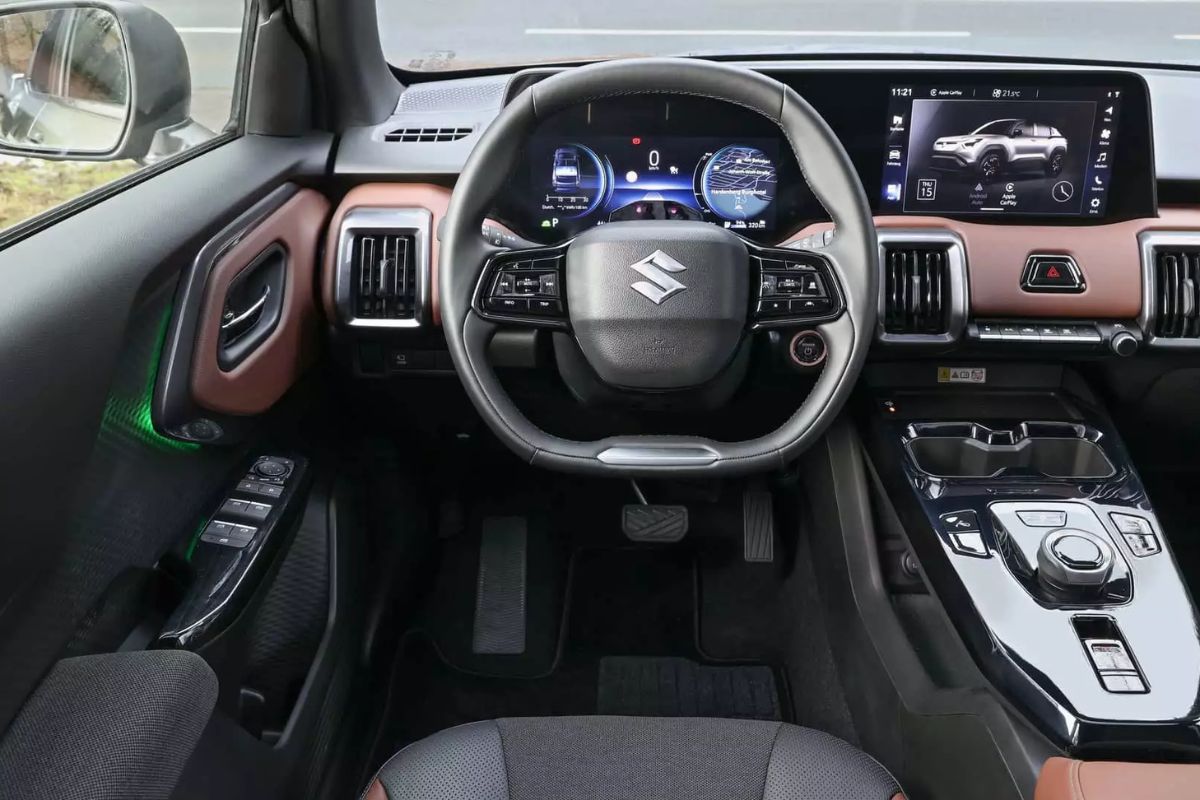
The 2026 electric Vitara arrives in Brazil and proves that Suzuki is not leaving: 4×4 traction, 184 hp, 61 kWh LFP battery, 293 km range, R$ 259,000, and a trunk capacity of 224 L.
-
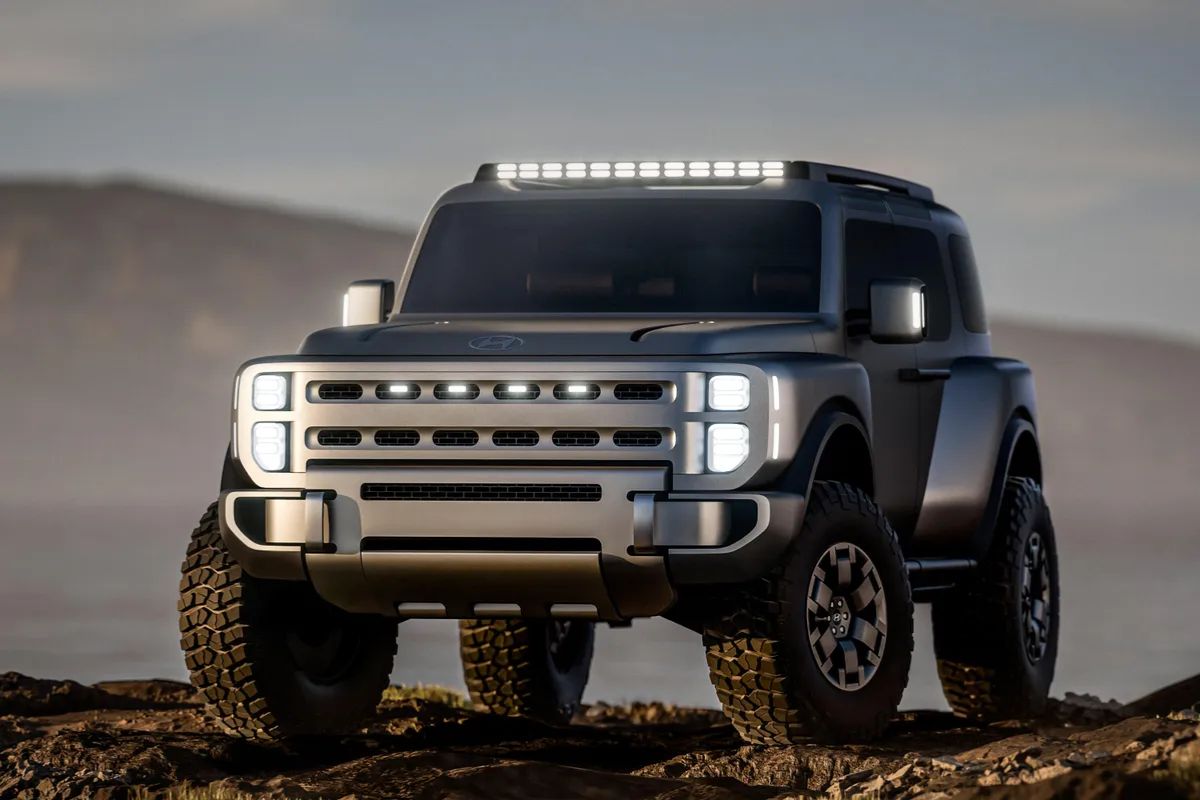
Hyundai has unveiled the Boulder, a square SUV with a body-on-frame design, 37-inch mud tires, and carriage-style doors that seems to be made to take on the Ford Bronco and the Scout Traveller in the United States.
-
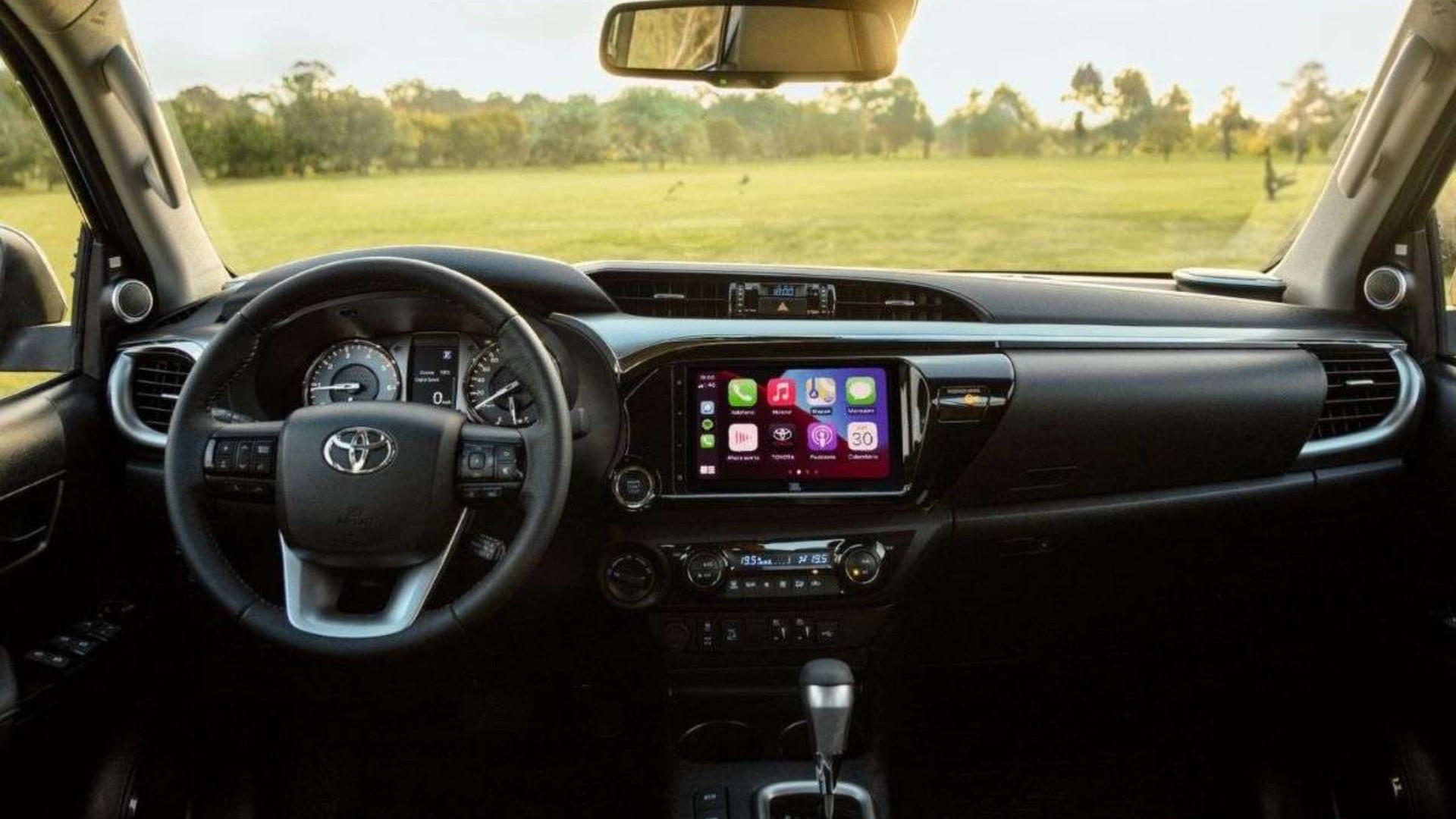
The Toyota Hilux is R$ 75.5 thousand cheaper and bets on the 2.8 turbodiesel engine with up to 204 hp and 50.9 kgfm to catch up with the VW Saveiro, which leads with 4,472 sales.
-
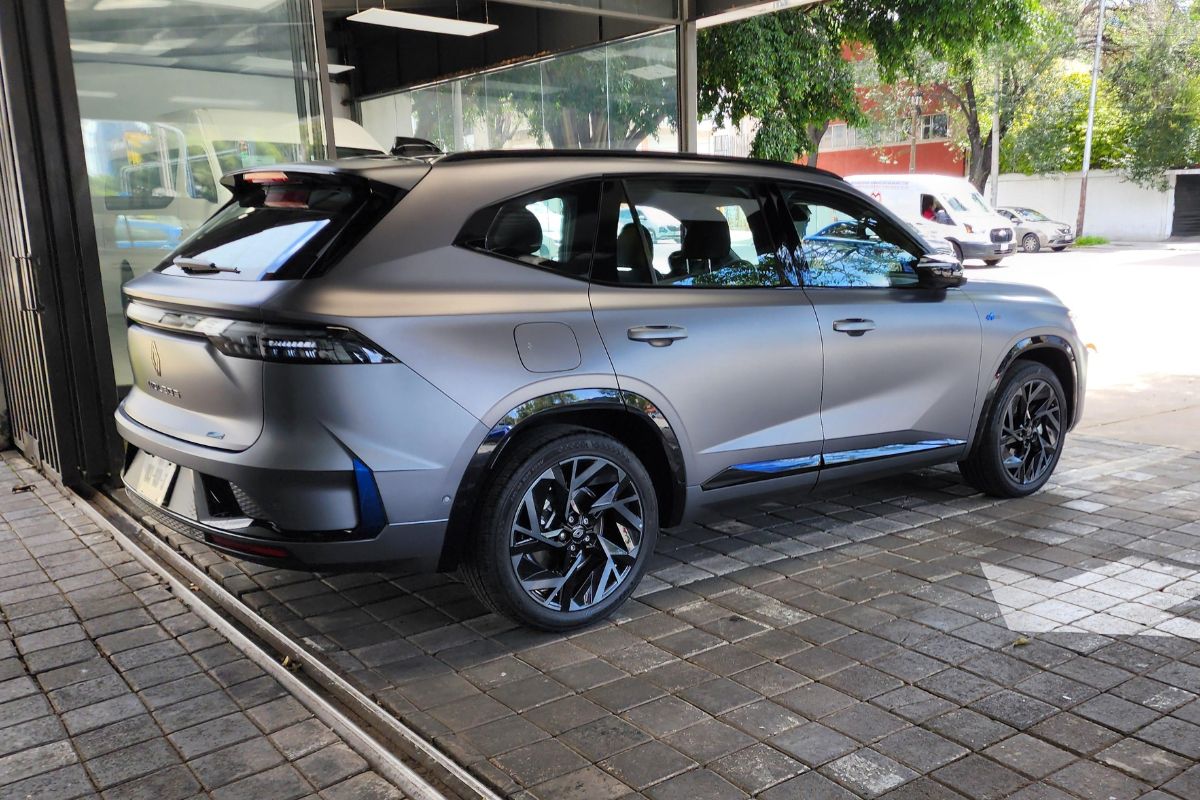
The new Renault Koleos has a screen exclusively for the passenger that is invisible to the driver, heated rear seats, and 29 assistance systems, but its Chinese competitors cost R$ 40,000 less and deliver more power.

• Honda Fit 2005: recognized for its smart interior space, balanced consumption, and history of mechanical reliability.
• Volkswagen Gol 2005: one of the best-selling cars in the country, with simple mechanics and a wide availability of parts.
• Fiat Palio 2005: popular for its low maintenance cost and good adaptation to urban use.
• Chevrolet Corsa 2005: available in hatch and sedan versions, known for its robustness and ease of repair.
• Ford Fiesta 2005: remembered for its good balance between consumption, comfort, and drivability.
These models, upon reaching 20 years in 2026, will join the group of vehicles exempt from the tax.
Annual Savings Alter Vehicle Ownership Costs
With the removal of IPVA from the budget, the financial impact is direct and noticeable.
Even in states with lower rates, the tax represented a relevant expense for those who keep their cars regularly licensed.
Now, this savings can be directed towards preventive maintenance, insurance, fuel, or other family needs.
Therefore, classic cars, albeit reliable, gain renewed vigor in the used market.
Limitations and Obligations Remain in Effect
Despite the IPVA exemption, the owner is not completely free from mandatory costs.
The annual licensing remains required, as do any state administrative fees.
Furthermore, compliance with traffic regulations and keeping the vehicle in regular condition remain mandatory.
Therefore, the exemption reduces expenses but does not eliminate the owner’s legal responsibilities.
Impact on the Used Market and Purchase Decisions
As 2026 approaches, interest in vehicles that meet the age criterion increases.
This trend is likely to elevate the value of well-kept cars with a proven maintenance history.
At the same time, consumers begin to consider the tax impact as a decisive factor in choosing a vehicle.
Thus, the IPVA exemption starts to directly influence automotive market behavior.
The Exemption in a Broader Context
The exemption from IPVA for classic cars falls within a logic of tax simplification and fixed cost reduction.
Although it does not represent an environmental incentive, the measure recognizes the lower market value of these vehicles over time.
As a result, the tax ceases to apply to assets that have already lost a significant portion of their market value.
This adjustment corrects distortions and makes the system more proportional.
In this context, do you think that the IPVA exemption in 2026 is likely to stimulate the maintenance of classic cars or reinforce more rational choices in the budget of Brazilian drivers?










Seja o primeiro a reagir!