





 Portuguese
  English
  Spanish
  5 min of reading
  0 comments


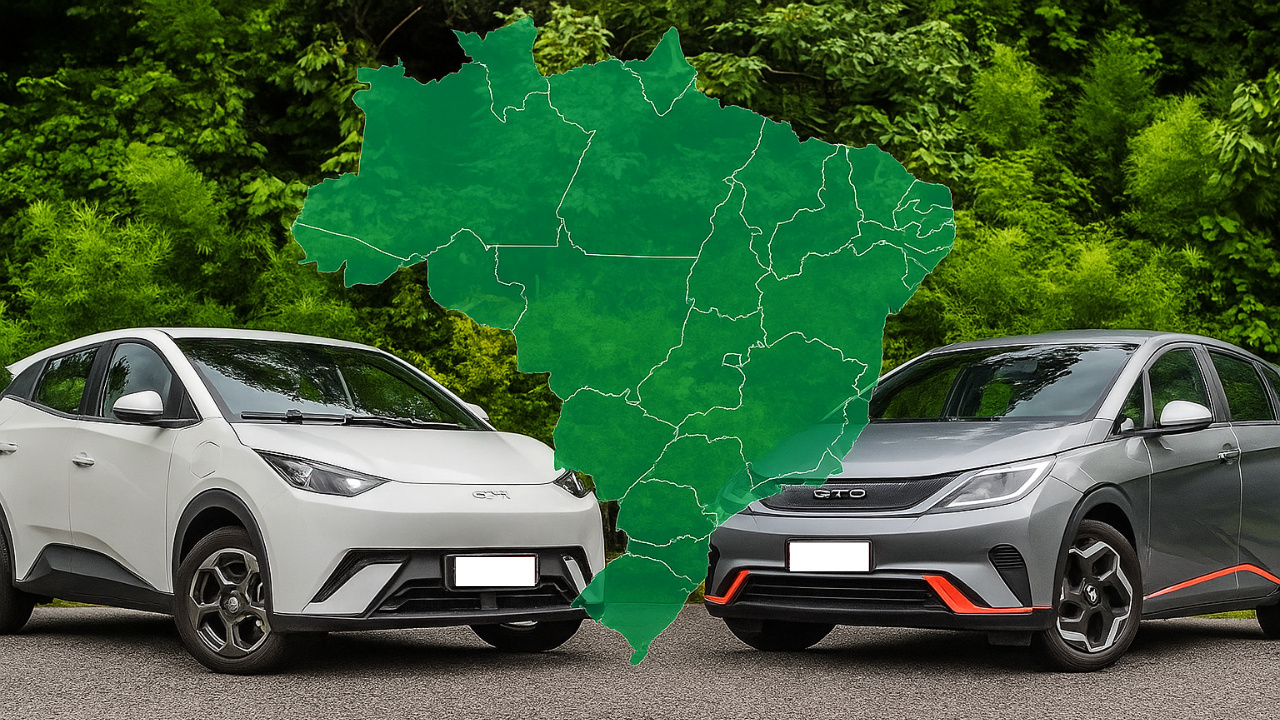
The Exemption of IPVA for Hybrid and Electric Cars in 2025 Varies Between Brazilian States. While Some Offer Partial Discounts, Others Guarantee Full Exemption from the Tax to Stimulate the Electrification of the Fleet.
The market for hybrid and electric cars has been gaining traction in Brazil, driven not only by consumer interest in more sustainable vehicles but also by tax incentive policies. Among them, the exemption of IPVA for hybrid and electric cars stands out, a measure that reduces the cost of ownership and can directly influence the purchasing decision, as reported this Thursday, September 11.
However, the benefit is not uniform across the country. Each state has its own rules and specific legislation. In some places, there is full exemption, while in others, drivers receive only partial discounts. In certain regions, there is no advantage compared to combustion vehicles.
States That Offer Full IPVA Exemption
Among the most attractive examples for owners of electrified vehicles are the states that grant full exemption from the tax.
-
Goodbye expensive popular car: electric vehicle for less than R$ 70,000 starts being sold in Brazil with a range of 200 km and targets those looking to escape gasoline.
-
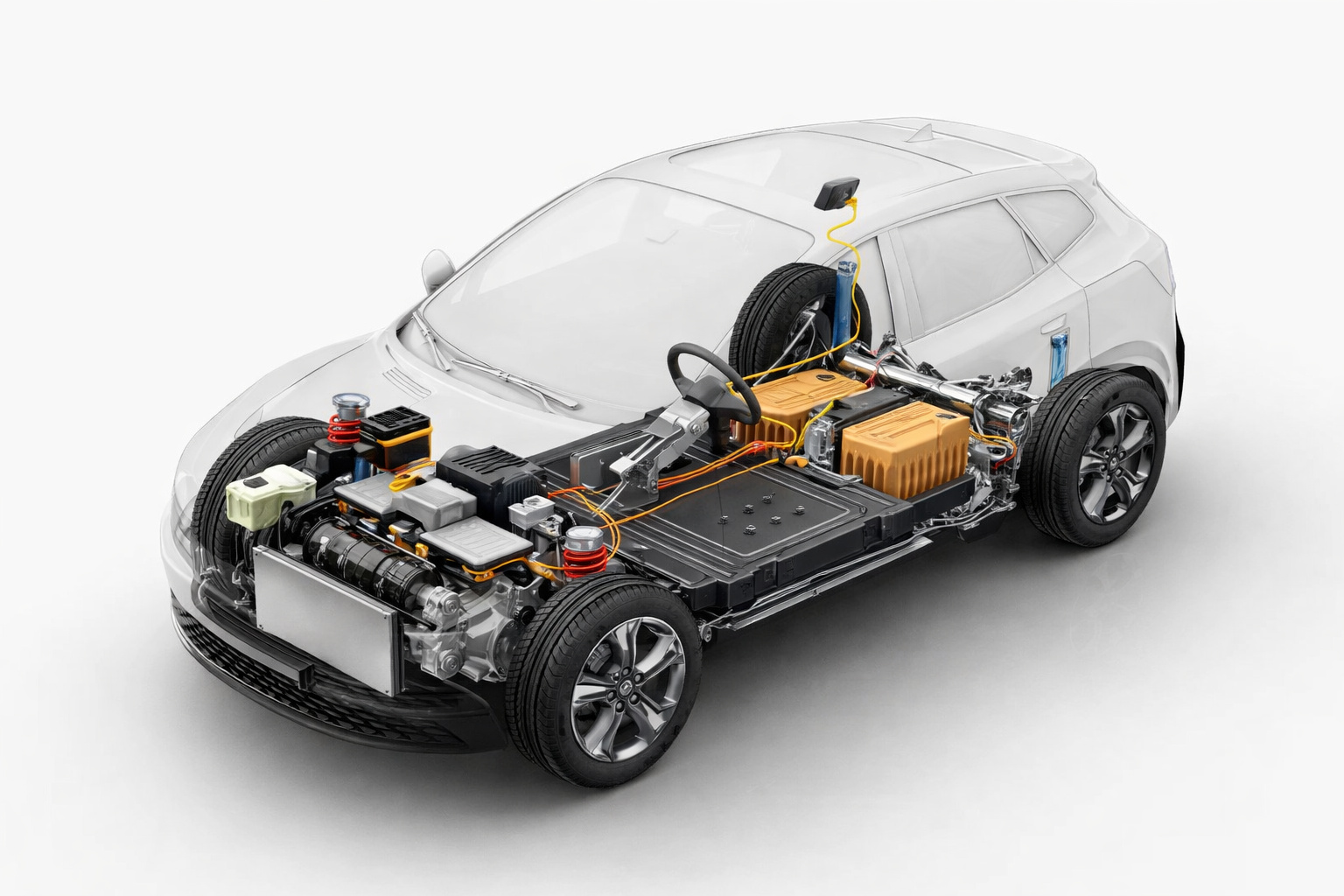
China Surprises Automotive Industry With Battery That Promises Electric Car Able to Run Up to 1,000 km Without Recharge
-
Why BYD Grew So Fast in Brazil and How Blade Batteries, Electric Cars, and Industrial Incentives Shaped This Expansion in the National Automotive Sector
-
Electric Cars Make Progress in Brazil in 2026 and Promise to Reduce Drivers’ Costs with Cheaper Energy, While Infrastructure Grows Slowly Across the Country

- Alagoas: grants exemption in the first year. Starting the second year, electric vehicles pay a rate of 0.5%, and in the third year, 1%. Hybrids start with 0.75% and double the following year.
- Amapá: guarantees full exemption until 2026 by state law.
- Federal District: offers total exemption without restrictions, covering all models of hybrids and electric cars.
- Minas Gerais: the benefit is limited to vehicles produced in the state. Currently, it only covers light hybrids from Fiat, such as Pulse and Fastback.
- Pernambuco: applies exemption only to 100% electric cars.
- Rio Grande do Sul: has granted this advantage for electric vehicles since 1996.
- São Paulo: has a very specific rule. Only flex hybrids can be covered, provided they meet technical criteria: electric motor with a minimum power of 54 hp (40 kW) and a voltage system of at least 150 volts. In practice, only the Toyota Corolla and Corolla Cross fit this criteria. Fully electric cars are not benefited in the state. However, in the city of São Paulo, both hybrids and electric vehicles are exempt from the municipal roadblock. Additionally, the city hall offers reimbursement of 50% of the IPVA paid for electric vehicles.
States That Opted for Partial Discounts
In other regions, the rules are less generous but still represent savings for those opting for electrified vehicles.
- Amazonas: grants a discount of 1 percentage point. Electric vehicles pay 3% IPVA, while combustion cars face 4%.
- Bahia: offers exemption only for electric vehicles whose value does not exceed R$ 300,000. Hybrids are excluded.
- Maranhão: electric cars purchased within the state are exempt. Hybrids pay a rate of 2.5%.
- Mato Grosso do Sul: grants a 70% discount for both hybrids and electric vehicles.
- Piauí: establishes that electric vehicles pay 1% of the market value. There is no benefit for hybrids.
- Rio de Janeiro: electric vehicles pay 1% and hybrids 1.5%, compared to the 4% applied to conventional cars.
Specific Situations and Ongoing Projects
In addition to states that already have established policies, some cases stand out for their particularity or the experimental nature of the measures.
- Paraná: surprised by restricting the exemption only to hydrogen-powered vehicles. Since this technology is still not commercially available on a large scale in Brazil, the measure, in practice, has no immediate application.
- Tocantins: is discussing a bill that may guarantee exemption for electric vehicles purchased until 2026.
States with No Benefits for Hybrid and Electric Cars
Despite the expansion of the market, there are still units of the federation that do not offer tax advantages for those choosing electrified vehicles. This is the case for Acre, Ceará, Espírito Santo, Goiás, Mato Grosso, Pará, Paraíba, Rio Grande do Norte, Rondônia, Roraima, Santa Catarina, and Sergipe. In these states, hybrid and electric cars are taxed in the same way as combustion vehicles.
Changes Between 2024 and 2025
The comparison between the two years reveals significant advances. In 2025, states like Amapá, Bahia, Amazonas, Piauí, and Tocantins began to offer some type of benefit, expanding the map of incentives. On the other hand, in Rio de Janeiro, the rate for electric vehicles increased from 0.5% to 1%, which reduced the advantage for consumers.
In São Paulo, the most relevant change was the inclusion of flex hybrids within specific technical criteria, while the city hall maintained the reimbursement of 50% of the IPVA for electric vehicles. Minas Gerais also expanded the reach of the exemption, which was previously only for locally manufactured electric vehicles and now includes light hybrids from Fiat.
What is observed is a great disparity between states. While some regions offer full exemption as a strategy to accelerate the adoption of electric mobility, others do not even present plans in this regard. This lack of standardization reflects the absence of a robust national policy that encourages hybrid and electric cars uniformly.
This difference impacts not only drivers but also the automotive market. Geographic location can determine whether a consumer will have fiscal advantage or not, influencing the distribution of sales across Brazilian territory.
Direct Impact on the Consumer’s Wallet
For drivers, the IPVA exemption can represent significant savings. In states like the Federal District and Amapá, for example, the benefit is full. Already in places like Mato Grosso do Sul, where the discount reaches 70%, the reduction is substantial and can stimulate the purchase of hybrid and electric vehicles.
However, in states that do not offer incentives, the final price can become a barrier for many consumers. The IPVA amount, usually calculated based on the market price of the vehicle, tends to be higher for electrified models, as these have a higher acquisition cost compared to traditional cars.
The advancement of electrification in Brazil depends not only on the interest of manufacturers and the availability of affordable models but also on consistent public policies. The lack of a unified rule for the IPVA of hybrid and electric cars highlights that the energy transition still lacks greater articulation at the national level.
While some states lead with aggressive incentive policies, others remain stagnant, creating a scenario of inequality. In this context, the consumer’s purchasing decision may be more related to their ZIP code than to the desire to contribute to reducing emissions.








Seja o primeiro a reagir!