





 Portuguese
  English
  Spanish
  4 min of reading
  0 comments


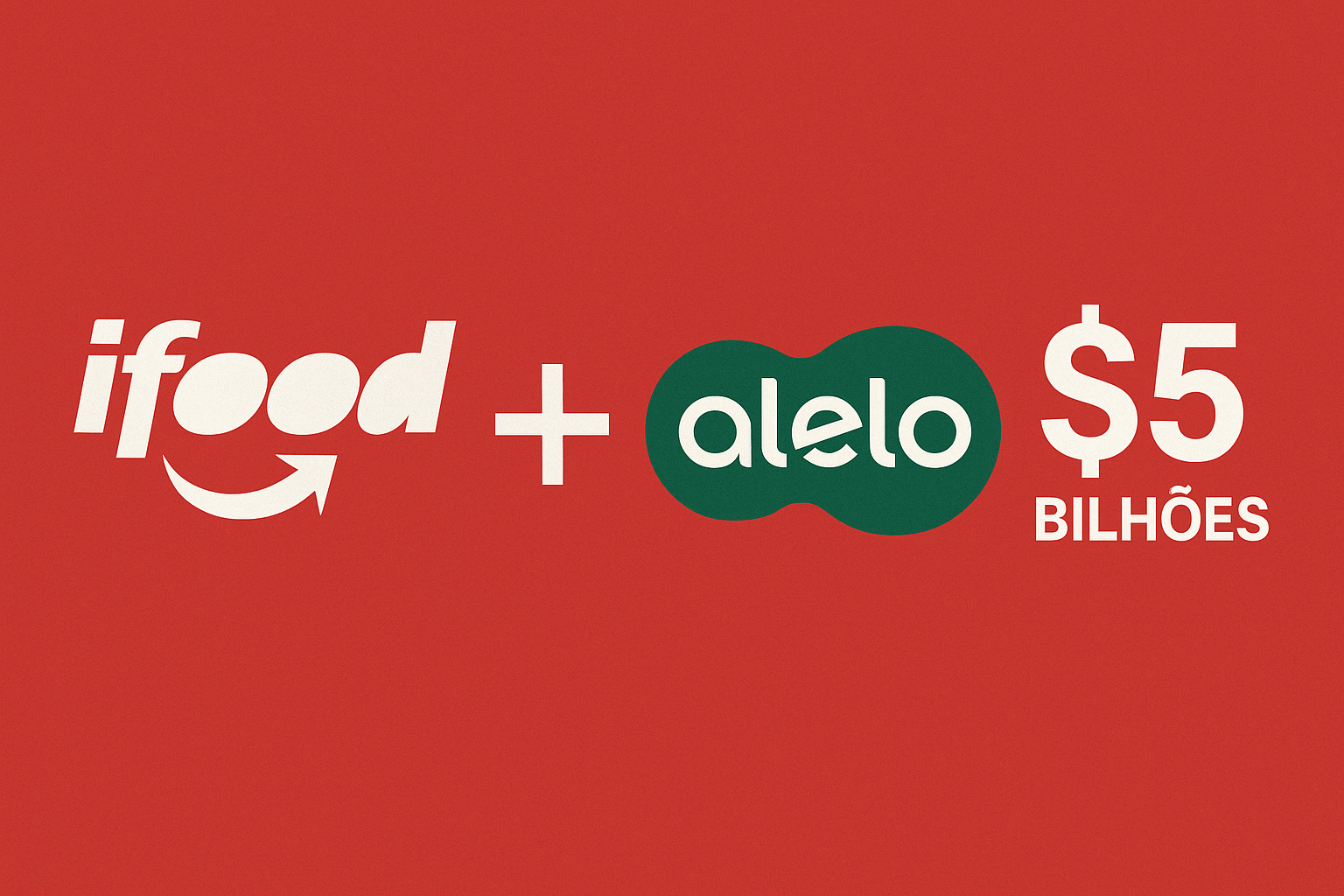
iFood Negotiates Purchase of Alelo for R$ 5 Billion and May Unite Delivery and Meal Vouchers, Creating a Leading Ecosystem in the Food Sector in Brazil.
iFood, the largest delivery platform in Brazil, may be poised to take a decisive step beyond the meal delivery sector. According to information from Valor Econômico, the company, controlled by the Dutch investment group Prosus, is negotiating the purchase of Alelo for around R$ 5 billion. If the deal goes through, iFood will not only strengthen its position as a leader in delivery but also become a powerhouse in the meal voucher and food sector, a billion-dollar market currently dominated by Alelo.
The potential acquisition is at an advanced stage, according to the publication, although there is still no official confirmation or details on the progress of the proceedings. Bradesco and Banco do Brasil, shareholders of Alelo through Elo Participações, denied receiving a formal proposal, but iFood’s movement makes it clear that the company is aiming for new territories to grow.
iFood Buys Alelo? The Impact of a Billion-Dollar Deal

The meal voucher and food market is highly strategic. It is estimated that Alelo holds 85% of the sector in Brazil, with a strong presence in companies, restaurant chains, and commercial establishments. If the purchase materializes, iFood will not only gain access to this customer and partner base but may also integrate its delivery services with the vouchers, creating an unprecedented ecosystem in the country.
-
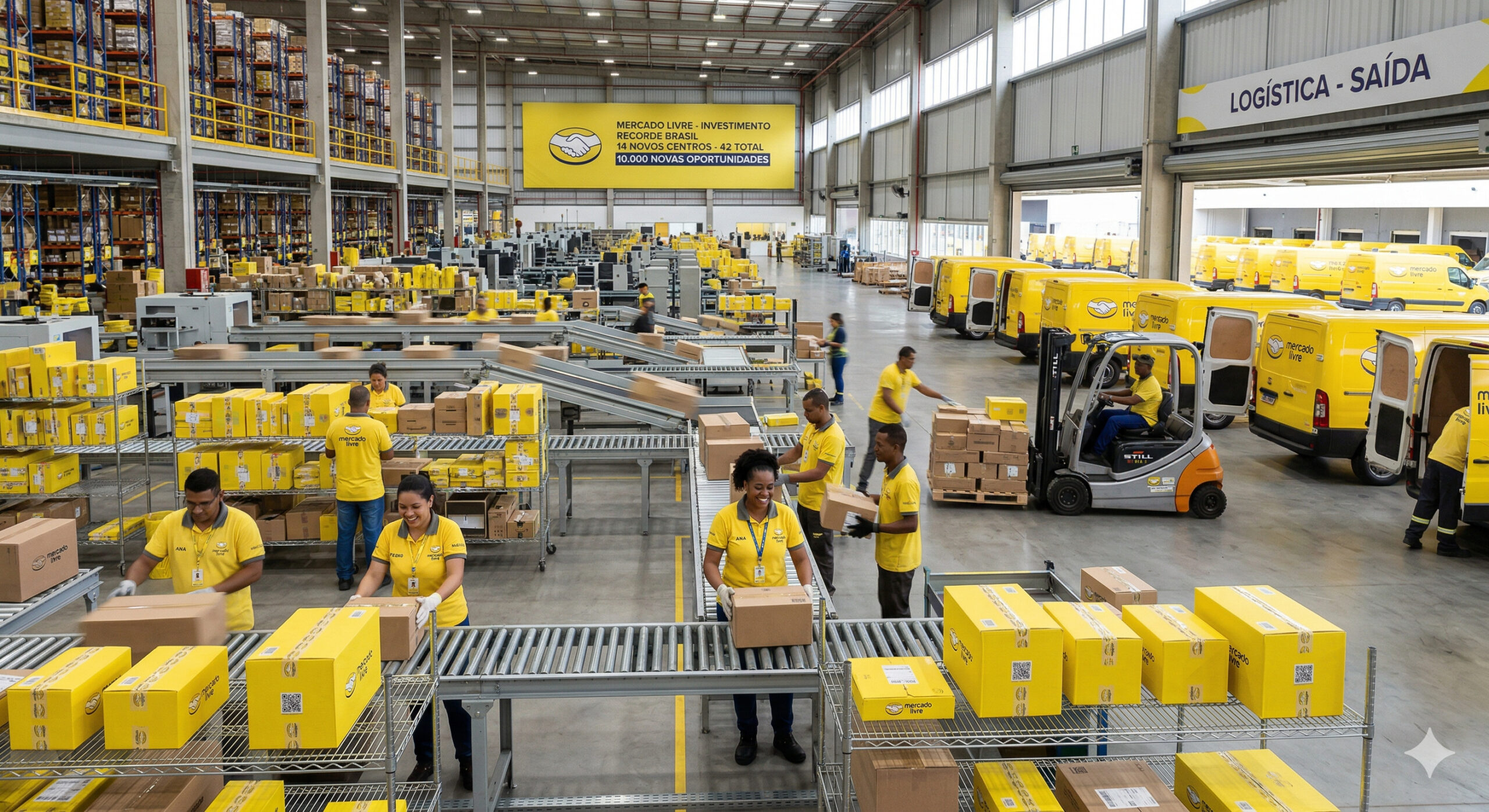
Mercado Livre “opens the vault” and announces a record investment of R$ 57 billion in Brazil in 2026, a value 50% higher than the previous year, with an expansion plan that includes 14 new logistics centers, totaling 42 units in the country and hiring an additional 10,000 employees.
-
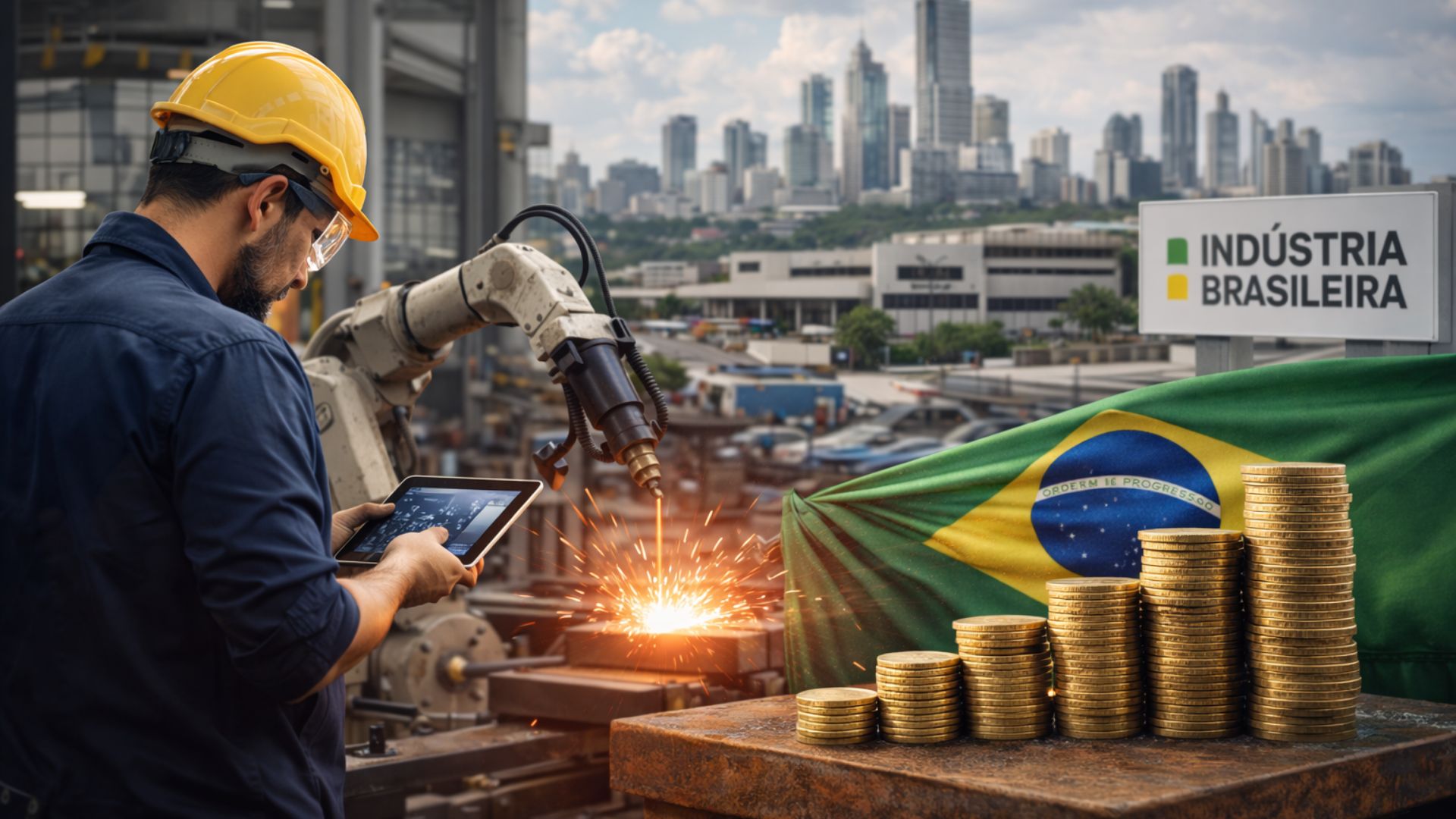
How investment in technology can revolutionize the national economy and enhance industrial gains, according to a study that highlights the direct impact on productivity, innovation, and wealth retention within Brazil.
-
The largest food company on the planet, JBS, has just opened a 4,000 square meter laboratory in Florianópolis to develop customized proteins that modulate muscle mass gain, immune response, and metabolic performance.

-
After nearly 30 bids and competition among industry giants, a Spanish company purchases one of the largest airports in Brazil for almost R$ 3 billion and takes over the management of Galeão in a concession that will last until 2039.


In practice, workers receiving benefits in meal vouchers could use them directly on iFood, while accredited restaurants would gain more reach and convenience in transactions. This synergy could consolidate iFood as the largest force in the country in the food segment, with both digital and physical presence.
Alelo Acquisition: Attempt to End the “Rebate” in the Ticket Market
Beyond market expansion, the potential purchase of Alelo may have another strategic objective for iFood: to tackle the “rebate” system. This practice involves a discount offered by meal voucher operators to contracting companies, a form of financial incentive that, according to critics, ends up being passed on to restaurants and bars as what are considered abusive fees.
iFood has been criticizing this model for some time and argues that it increases the operational costs for accredited establishments. By taking the lead in the sector, the company could redesign the rules of the game, offering a more balanced and potentially more attractive model for partners.
iFood Meal Voucher: Transformation in the Delivery and Benefits Ecosystem
If confirmed, the purchase would place iFood at a new level. The company would cease to be “merely” the main delivery platform in the country to also become a giant in the corporate benefits sector. This means competing with companies like Ticket and Sodexo, in addition to opening new revenue streams.
For consumers, the integration of meal vouchers directly in the iFood app could simplify the payment experience and use of the benefit. For contracting companies and restaurants, the promise of lower fees and more transparency could be a major draw.
Market Watches R$ 5 Billion Negotiation with Caution
Although the negotiation has stirred the market, many questions remain unanswered. Banco do Brasil and Bradesco officially denied having received a proposal from iFood, which could indicate that talks are still in the study phase or in preliminary rounds.
Furthermore, a deal of this magnitude could attract the attention of regulatory bodies, such as the Cade (Administrative Council for Economic Defense), since it would create a dominant group in two highly concentrated sectors: meal delivery and food benefits.
Delivery and Voucher Competition on Alert
If the acquisition moves forward, competing companies may have to reposition themselves. In the delivery sector, iFood already dominates the largest market share, facing rivals such as Rappi and Uber Eats (which exited Brazil but still operates in other markets).
With Alelo under its umbrella, iFood would control an even larger chain, from meal vouchers to direct consumption, creating a closed ecosystem that could limit the space for other platforms.
In the benefits segment, Ticket, Sodexo, and VR Benefícios would have to deal with a new and powerful competitor. iFood’s entry into the sector could force changes in business models and potentially even a reduction in fees to avoid losing market share.
Alelo: The Sector Leader That May Change Owners
Founded in 2003, Alelo is one of the largest corporate benefits companies in the country. Present in millions of daily transactions, the company has consolidated itself as a reference in meal vouchers and food vouchers, as well as operating in areas such as fleet management and corporate incentives.
Its dominance of 85% of the food benefits market in Brazil explains iFood’s interest. Integrating this robust structure into its delivery ecosystem could create a “superapp” that goes far beyond delivering food, encompassing the entire cycle of food consumption in the country.
The potential purchase of Alelo for R$ 5 billion represents much more than a simple transaction: it could be the turning point for iFood to become the largest force in food in Brazil, uniting delivery, meal vouchers, and corporate benefits on a single platform.
There are still obstacles—such as negotiations with shareholders, possible regulatory reviews, and determining how service integration will take place. But if the deal advances, the impact on the market will be profound, changing how Brazilians consume, pay, and receive food benefits.







Seja o primeiro a reagir!