





 Portuguese
  English
  Spanish
  4 min of reading
  0 comments


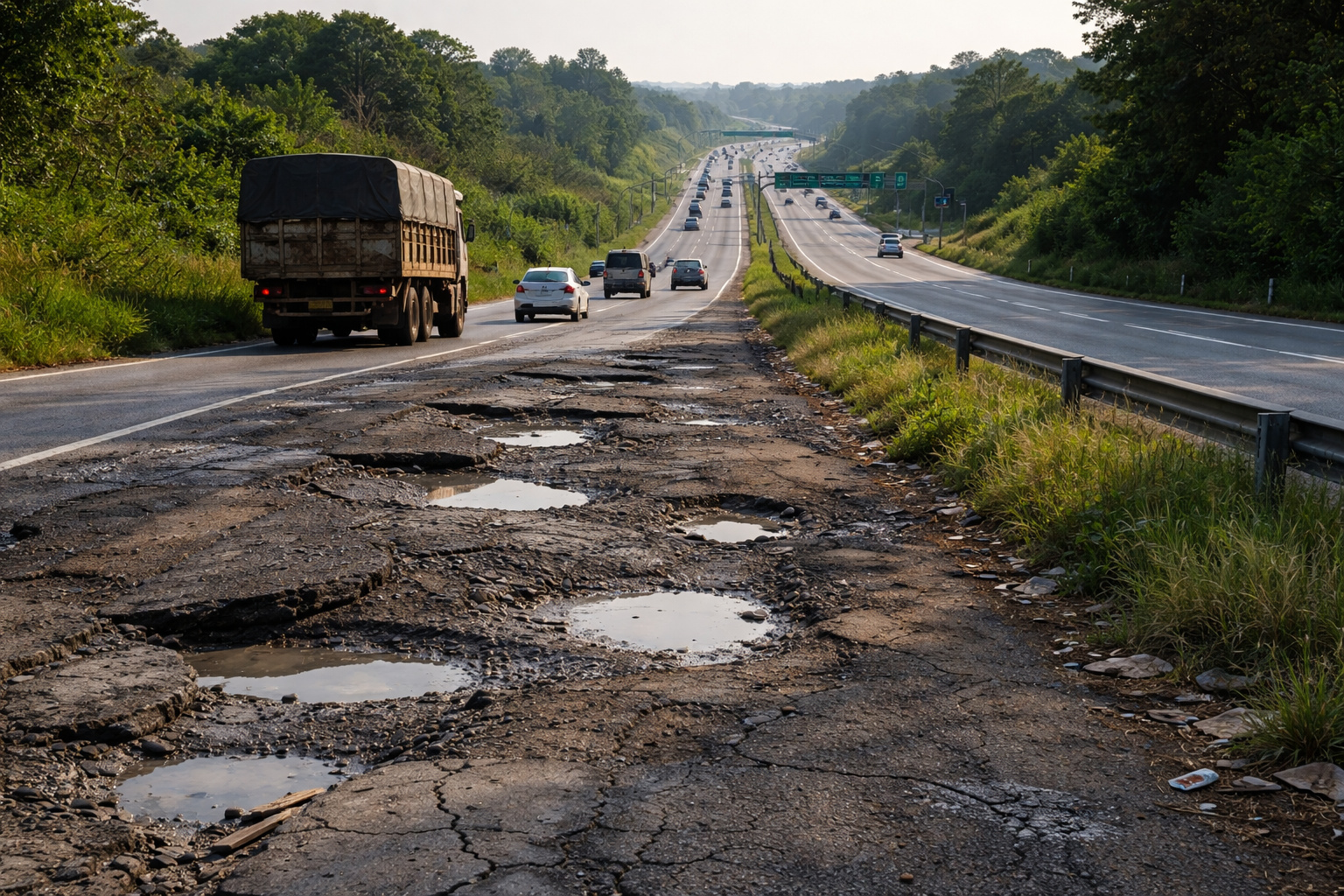
Survey Released on December 17 Highlights Regional Inequality, Impact of the Management Model, and Warns of the Decline in Federal Investments in 2026
A national diagnosis of Brazilian road infrastructure was released on December 17, bringing a structural contrast that draws attention. According to the National Confederation of Transport (CNT), the ten worst highways in Brazil are managed by the government, while, conversely, the best-rated roads are mostly under private concession. From the outset, the survey highlights regional inequalities, budget limitations, and the direct influence of the management model on road quality.
Right at the beginning of the study, CNT pointed out that nine of the ten highways in the worst condition are located in the Northeast, North, and South regions. Additionally, all these roads are managed by states or the Union, which, historically, reveals recurring maintenance and investment difficulties. Thus, the ranking reinforces a structural pattern that repeats over the years.
According to Vander Costa, president of CNT, this scenario results from a combination of factors. On one hand, there is low economic viability for concessions in these regions. On the other hand, there is little attractiveness for public investments, combined with a lack of political articulation for securing resources. In this way, as he explained, economic development and infrastructure quality are directly connected.
-
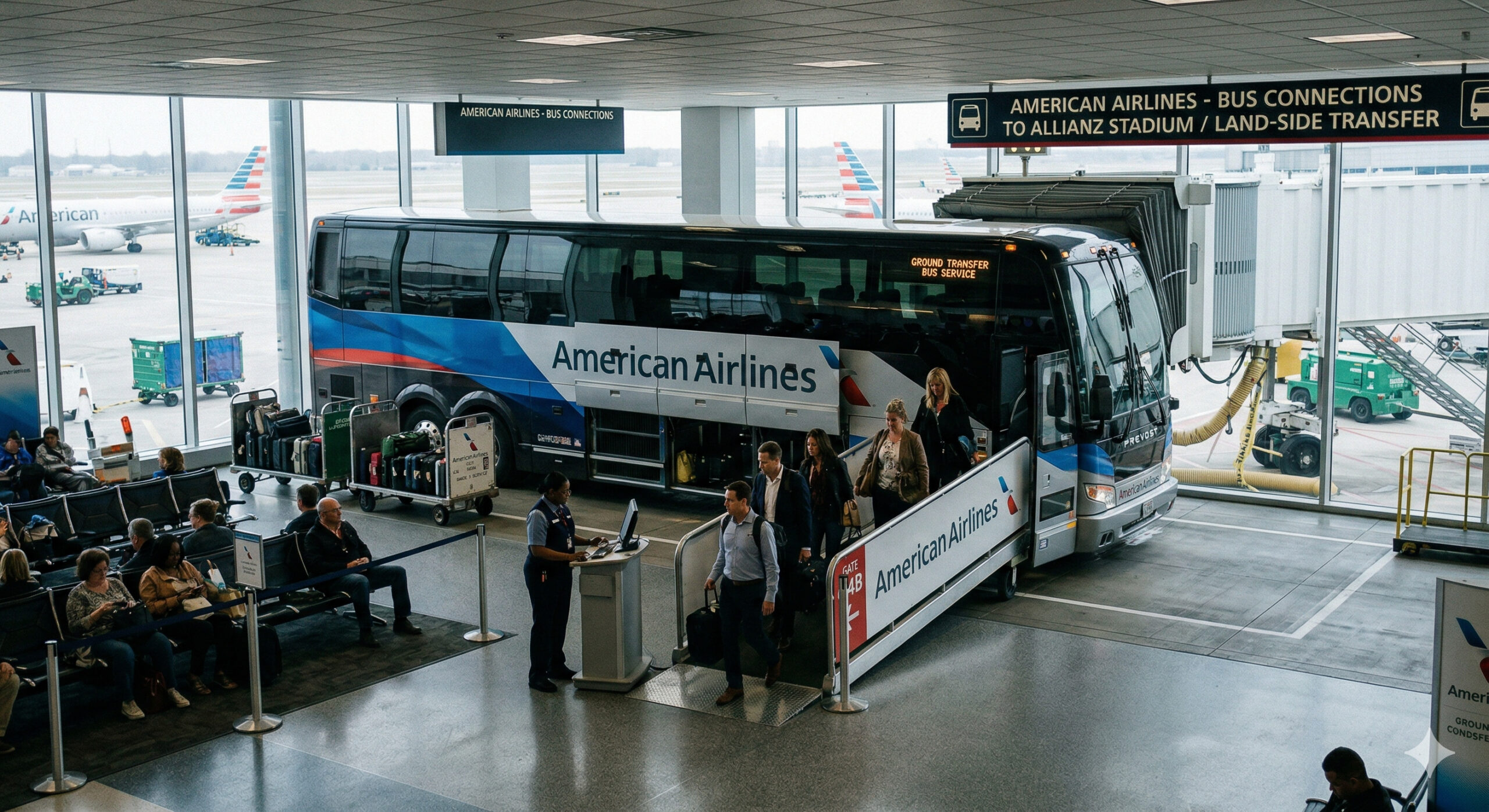
American Airlines starts selling trips as if they were flights, with check-in and baggage check at the airport, but on short routes, passengers board luxury buses connecting cities to major hubs in the U.S.
-
São Paulo surprises the world with a colossal railway network project that promises over 1,000 km of tracks, R$ 194 billion in investments, and 40 projects connecting the capital to the interior with fast and sustainable trains.

-
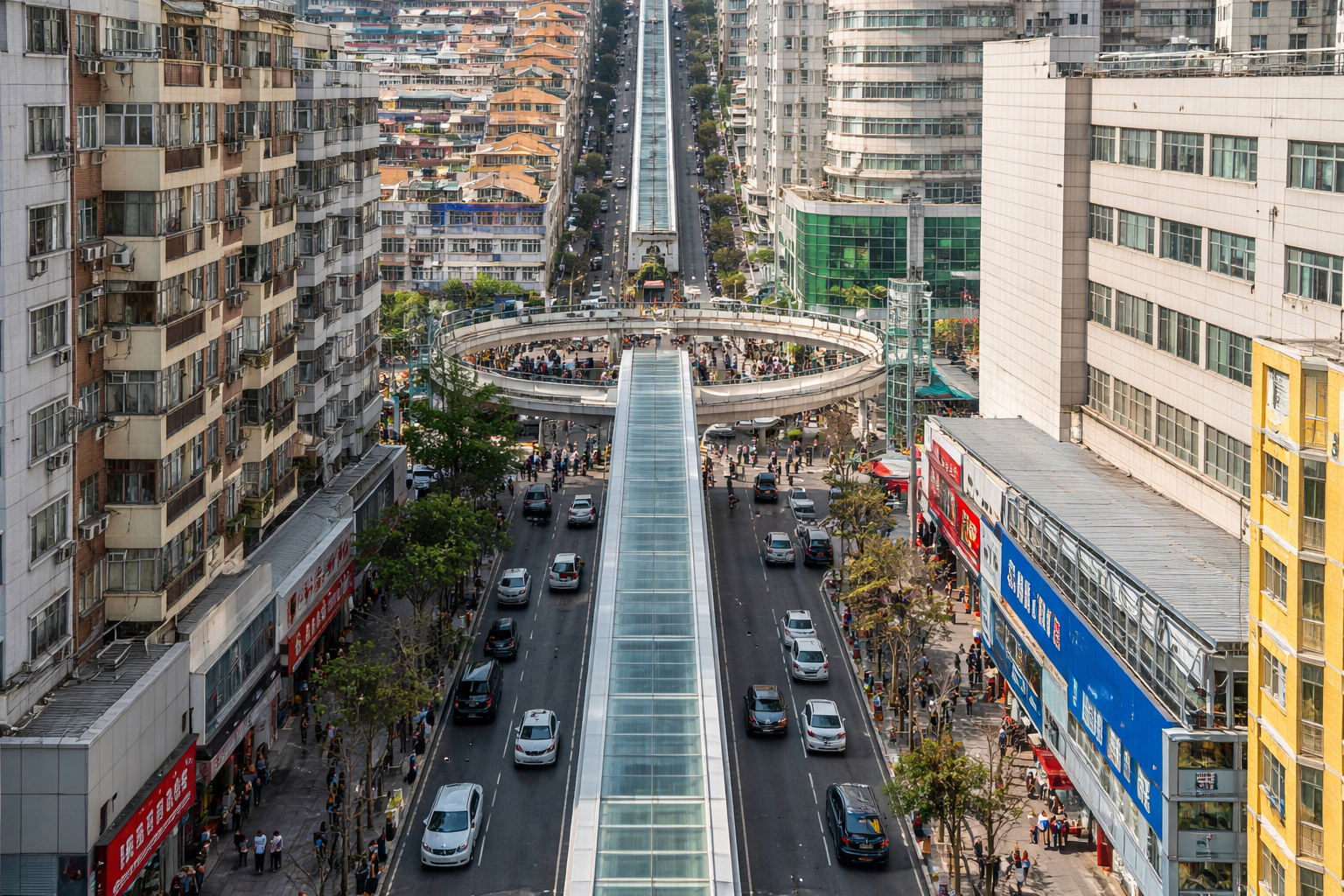
The world’s largest escalator, measuring 905 meters in China, reduces urban travel time from 1 hour to about 20 minutes and transforms mobility in mountainous regions with an engineering solution adapted to the terrain.
-
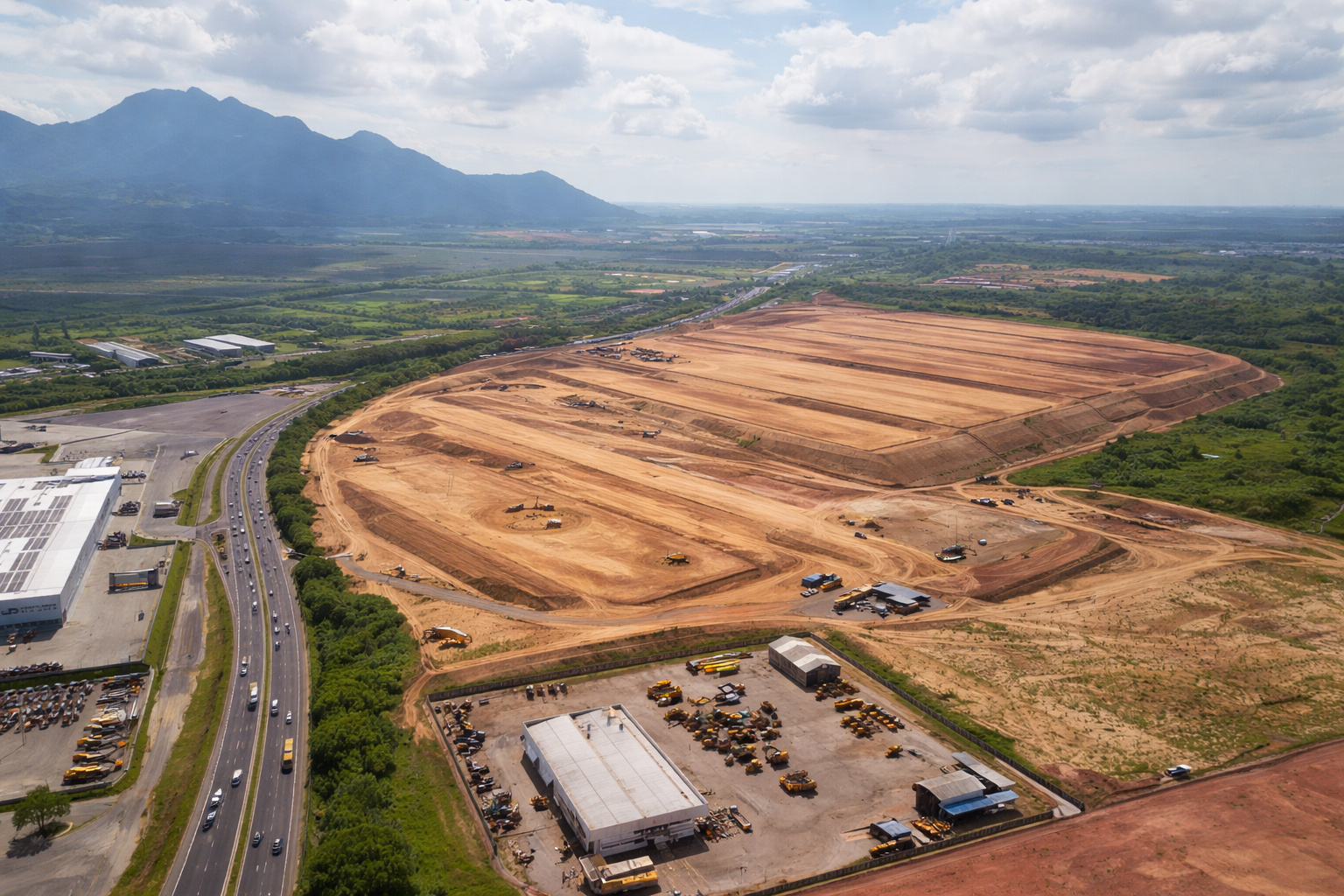
A R$ 300 million logistics giant is taking shape in Serra with over 100,000 m² and raises a question: how can this transform e-commerce and distribution in the state?

Regional Inequality and Political Articulation Explain the Scenario
According to Vander Costa, states more aligned with the federal government can present greater attractiveness for investments. Furthermore, when deputies and senators prioritize road infrastructure, part of the parliamentary amendments is allocated to road maintenance. Thus, the quality of the roads tends to be maintained over time.
In this context, CNT reported that it works with the Legislature to allocate amendments to the highways in the worst conditions. At the same time, the entity seeks to reduce the budget cut planned for 2026, which is considered critical for the maintenance of the national road network.
Meanwhile, budget data reinforces the warning. According to the Special Series on Economy – Transport Investments, prepared by CNT, the investment budget of the Ministry of Transport dropped from R$ 15.91 billion in 2025 to R$ 13.10 billion in 2026. At the same time, the proportion of the Ministry’s own investments increased from 49.2% to 71.1%, which further pressures the execution of works and maintenance.
Private Concessions Dominate the Top of the Ranking
In contrast to public highways, the survey shows that the best roads in the country are concentrated in the Southeast, under private management. According to Fernanda Rezende, executive director of CNT, this performance reflects the long-term impact of concessions, which concentrate large financial investments at the beginning of contracts and maintain frequent maintenance over the years.
Among the best-rated highways, the following appear:
- SP-270, concessioned
- RJ-124, concessioned
- SP-348, concessioned
- SP-225, concessioned
- SP-320, public
- BR-050 in Minas Gerais, concessioned
- SP-070, concessioned
- SP-021, concessioned
- BR-050 in Goiás, concessioned
This set, therefore, highlights how the concession model positively influences road quality, especially in stretches with greater economic flow.
Public Highways Lead the Worst Positions
At the other end of the ranking, the highways classified as “terrible” are located in the states of Acre, Pernambuco, Rio Grande do Sul, Tocantins, Paraíba, and Maranhão. Among them are:
- AC-010, in Acre
- PE-177 and PE-545, in Pernambuco
- RS-324 and RS-472, in Rio Grande do Sul
- TO-387, in Tocantins
- BR-364, in Acre
- PB-066, in Paraíba
- MA-106 and MA-006, in Maranhão
These stretches face recurring structural problems, such as deteriorated pavement and insufficient signage, compromising the safety and fluidity of transport.
Ways to Reduce Accidents and Inequalities
In light of the diagnosis, CNT reinforced the need to maintain the current level of investments, while also advocating for the increase in the number of concessions. Additionally, the entity highlighted the importance of public investments directed to regions with lower budgets.
As complementary measures, Vander Costa pointed out the need to improve road signage and expand stopping points for truck drivers and passengers, actions that, consequently, contribute to the reduction of accidents and increase road safety.
Thus, the ranking released in December makes it clear that the management model of Brazilian highways directly influences their quality, while exposing fiscal, political, and regional challenges that remain at the center of the debate on infrastructure in the country.
In light of this scenario, what should be Brazil’s priority: expanding private concessions or strengthening public investment in the most vulnerable regions?










-

Uma pessoa reagiu a isso.