





 Portuguese
  English
  Spanish
  5 min of reading
  1 comment


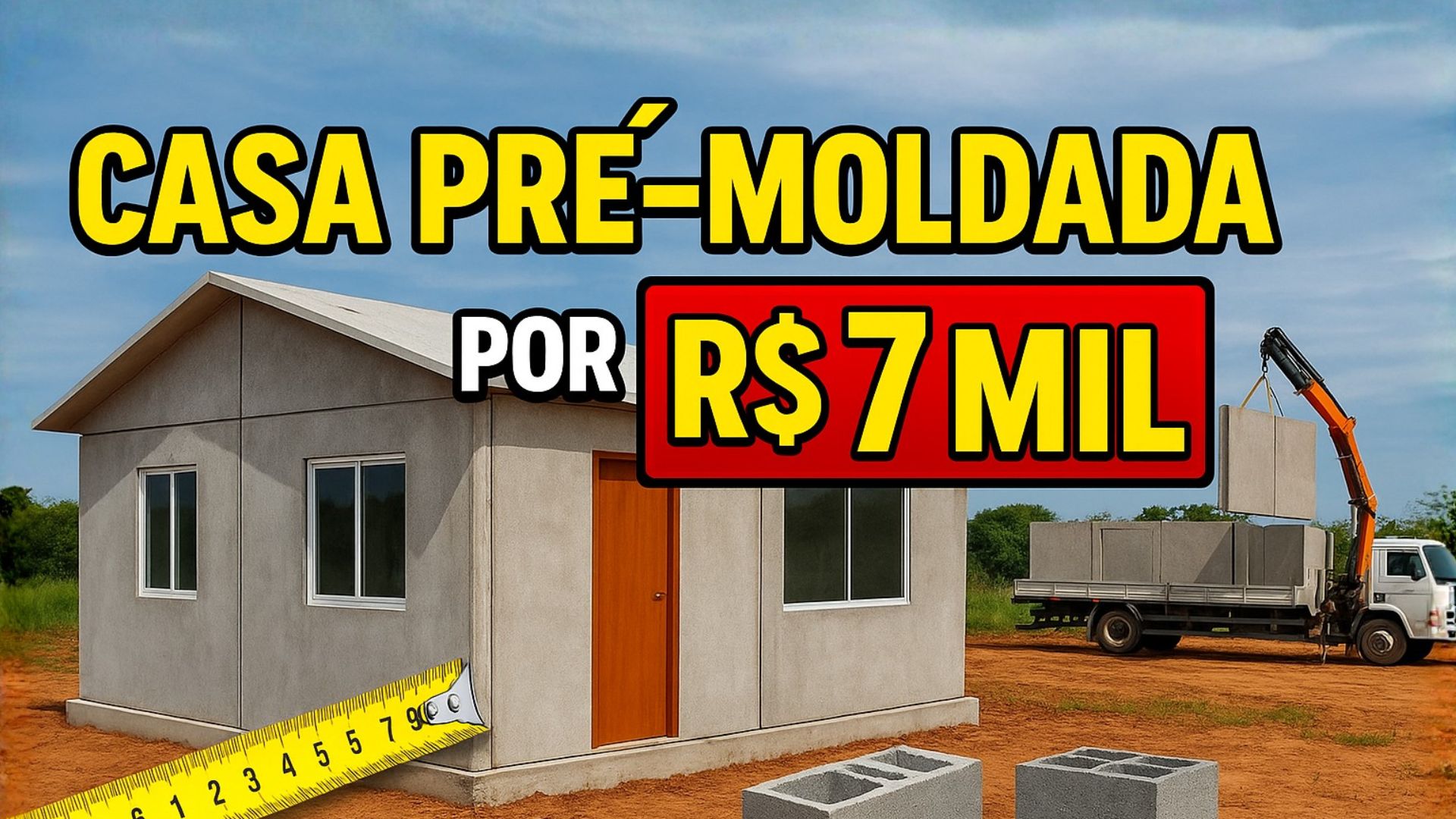


In The Midst Of The Rise In Construction Prices, Precast Models Are Gaining Space By Promising Speed And Reduced Costs, Triggering Interest And Questions About What Is Really Included In These Kits.
In the context of rising living costs and difficulty accessing home credit, precast concrete houses have gained traction in Brazil by offering quick assembly, prices starting from R$ 7 thousand, and a promise of factory-standard finishes.
The combination of such low prices with shortened timelines, however, raises a recurring question among consumers: what exactly is included in these packages and to what extent is this savings real?
Series Manufacturing And Quick Construction
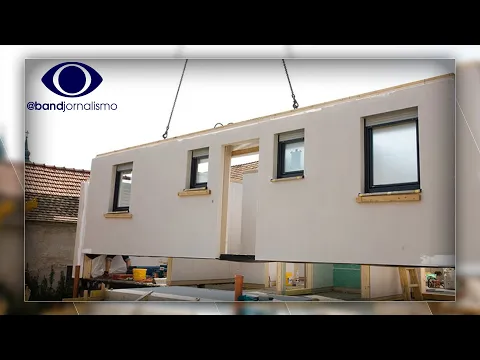
Unlike conventional construction, where virtually everything is executed on site, the precast concrete house is born in an industrial environment.
-
With a DNA shape, this bridge in Singapore draws attention in modern architecture and surprises tourists by transforming a simple crossing into an unforgettable visual experience in the urban heart.

-
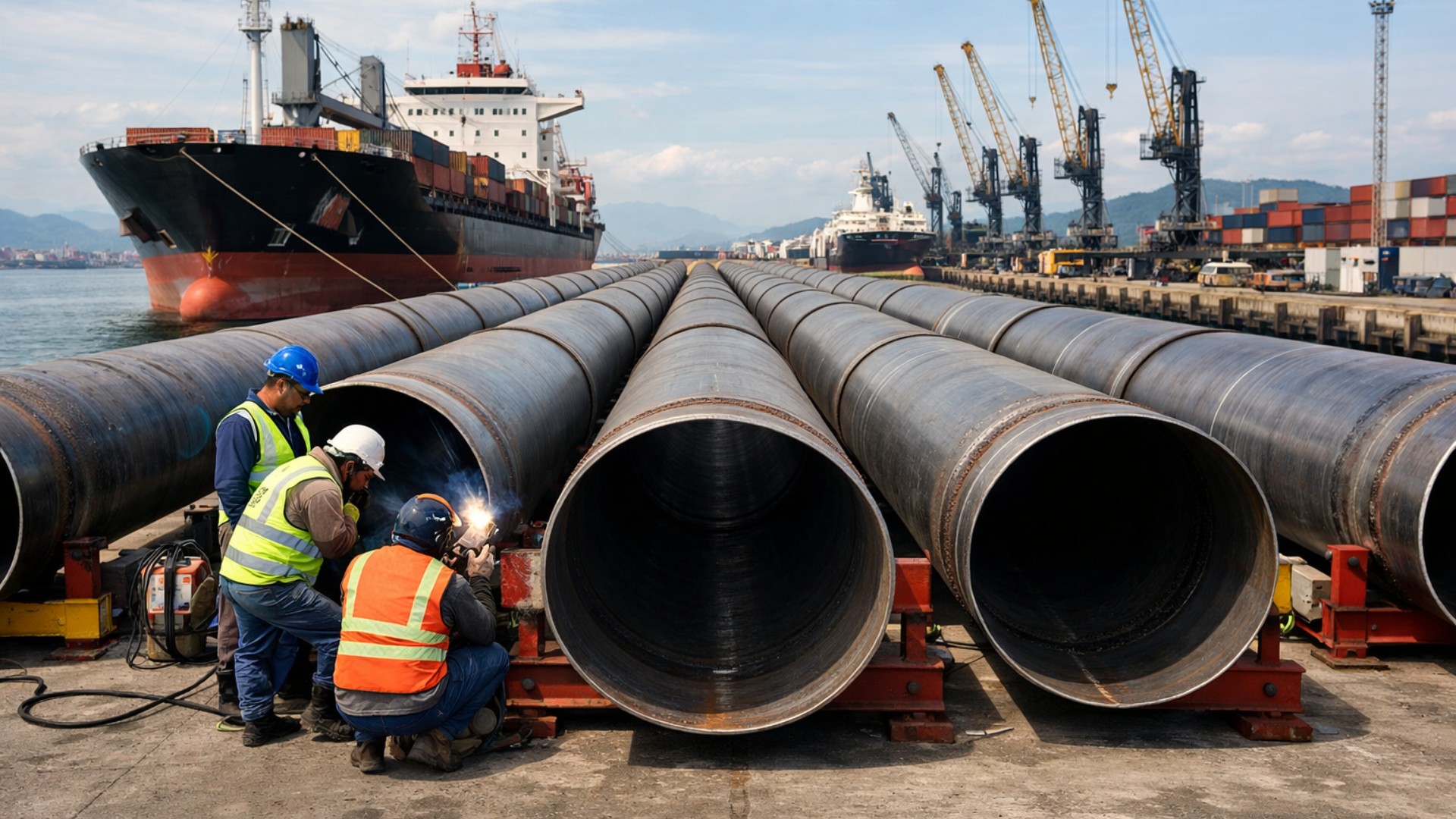
Giant underwater pipeline begins to take shape with a R$ 134.7 million project at the Port of Santos: the 1.7 km structure uses 12-meter and 700 mm pipes to supply water to 450,000 people in Guarujá.
-
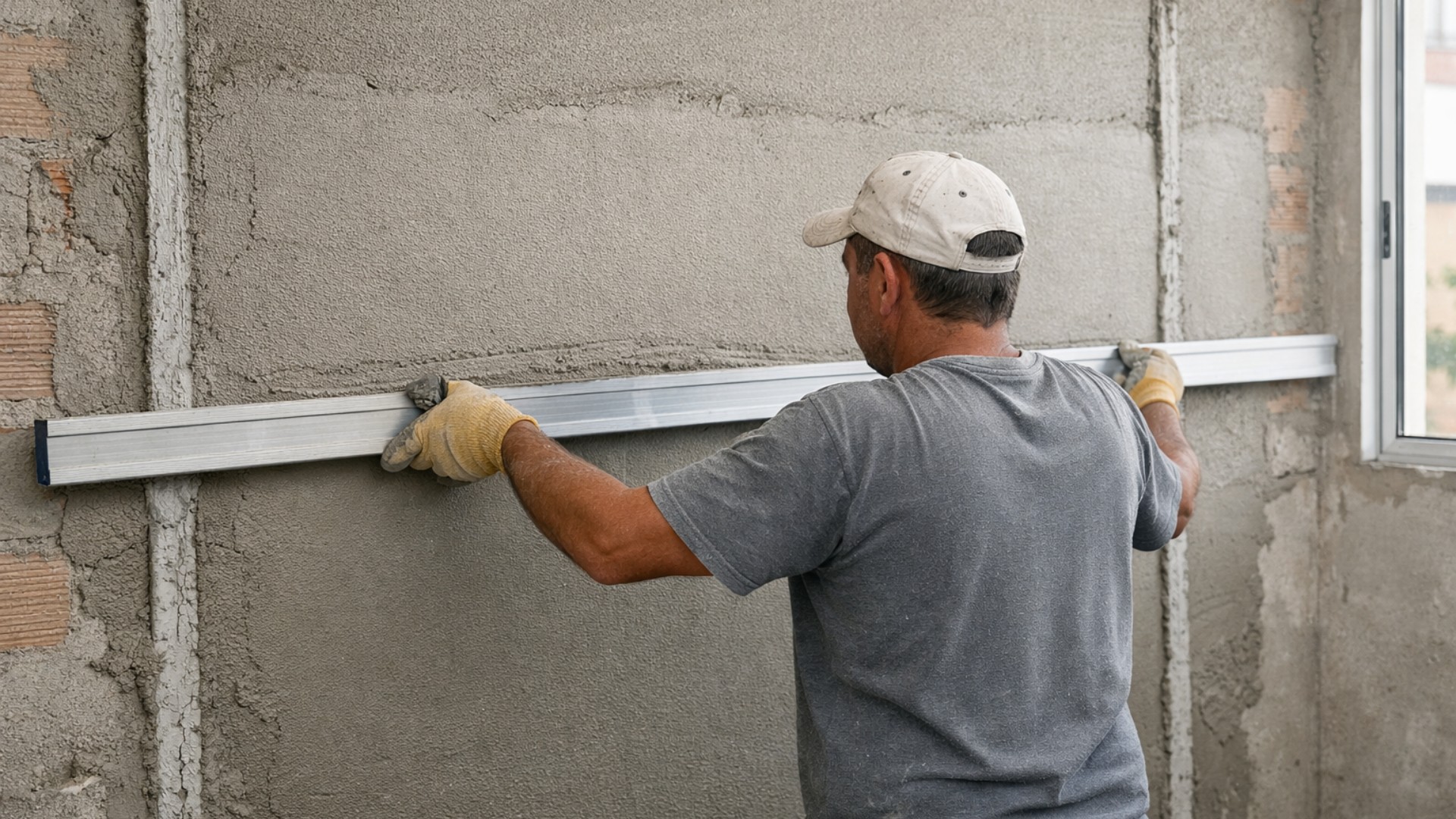
A mason reveals a professional plastering technique that uses aligned guides and a 3-meter ruler to plaster an entire wall in up to 3 hours, without visible seams, with uniform thickness, perfect plumb, and a finish ready for painting without rework.
-
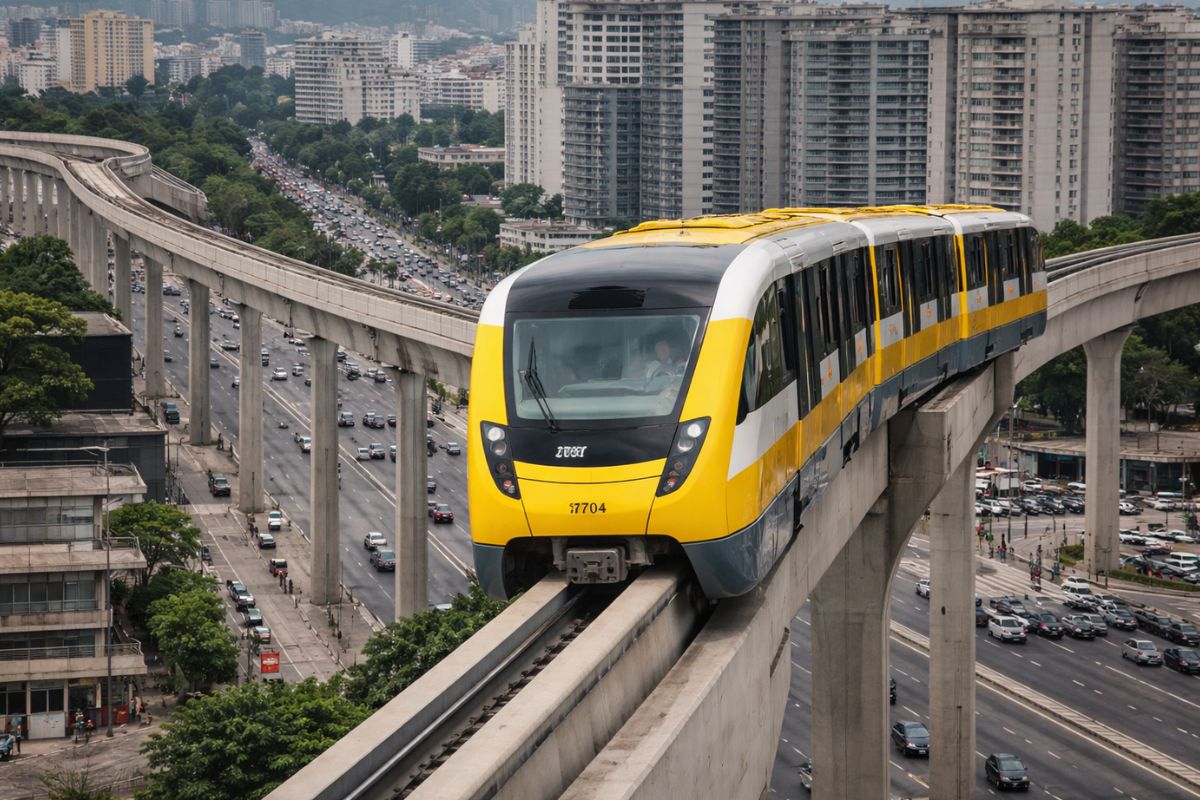
The project that was supposed to be ready for the 2014 World Cup in Brazil debuted with a 12-year delay and nearly R$ 6 billion invested: the Line 17-Gold of the São Paulo monorail opened with reduced hours and is only expected to operate fully in October.

Walls, panels, columns, and slabs are produced in series in specialized factories, with standardized molds, concrete mix control, and measurement inspections before being sent to the site.
Once ready, these elements are transported by trucks to the construction location, where trained teams carry out the assembly, fitting panels and securing structures on a previously executed foundation.
This production method reduces construction time because much of the heavy work has already occurred on the production line, and the site is focused on assembly, installations, and finishes.
Companies in the sector claim that the process reduces material waste compared to traditional methods, exactly because the industry reuses scraps, standardizes cuts, and accurately calculates what will be used.

The result tends to be less debris, better concrete utilization, and more predictable timelines, which is valued by families looking to avoid successive delays.
What Really Fits In The R$ 7 Thousand
When ads appear for precast houses “starting at R$ 7 thousand,” the consumer is usually faced with a very basic kit.
In many cases, this amount only corresponds to the structural kit, which includes panels, columns, and concrete elements necessary to erect the walls, without including labor, foundation, electrical and hydraulic installations, or finishes.
There are offers for concrete structure kits around R$ 7 thousand without the assembly service, which helps explain the very low figure compared to the cost of a ready house.
The final price to have the property in living conditions, however, is usually much higher.
Surveys from companies and budgeting platforms indicate that the total cost per square meter of prefabricated houses, considering structure, labor, and finishes, tends to range from around R$ 2.4 thousand to R$ 3.6 thousand per square meter, varying by standard and region.
In practical terms, this means that a small house, of 30 to 40 m², rarely costs only R$ 7 thousand when the calculation includes all necessary items to live.
Additionally, many kits advertised online correspond only to the raw structure, without flooring, ceiling, painting, and complete frames.

In other cases, there are reduced models, with a compact area, designed as a starting point for future expansions.
When analyzing the commercial conditions, it is common to find a separation between the cost of the kit, labor costs, transportation of the modules, and additional services for foundation or slab.
Therefore, the apparent “miraculous savings” is often linked to the scope of what is being offered: a product aimed at those who want to spend less on the initial structure and are willing to hire or perform the other stages of construction independently.
Advantages Of The Precast System
Despite the doubts provoked by marketing with very low prices, the precast concrete system has objective advantages over traditional construction.
The main one is the execution time.
Since the factory produces components parallel to the preparation of the land, the assembly stage tends to be faster.
There are examples of compact models that are structured within a few days after the foundation is completed.
Another frequently highlighted point is the quality control.
Series production, in a covered environment and with specific equipment, reduces the concrete’s exposure to rain, intense sunlight, and temperature variations during curing.
This favors a more uniform performance of the pieces over time.

The durability of the concrete structure is also an attractive factor, especially when compared to wooden solutions without proper maintenance.
With a well-designed project, the system supports future expansions and adaptations, as long as the original structural calculations are respected.
Finally, standardization facilitates cost planning.
As manufacturers work with catalogs of models and measurements, consumers have a clearer idea of the structure’s cost and what will be necessary to complement with finishes and installations.
Limitations, Risks And Points Of Attention
Alongside the advantages, there are significant limits that need to be considered before signing the contract.
One of the most cited restrictions is the flexibility of the project.
While companies have expanded their portfolio of plans, some operate with standardized dimensions and formats, which can restrict structural changes, openings for additional spans, or significant changes in internal distribution.
The transportation of the modules to the address also impacts viability.
As concrete panels and slabs are heavy and bulky, the cost of transporting the kit to more remote areas can make the project more expensive.
In locations with difficult access or narrow streets, the logistics of unloading and moving the pieces require detailed planning and, in some cases, prior technical assessment.
Another sensitive aspect is the dependence on the manufacturer.
In very specific systems, the customer tends to be tied to the same company in the event of the need for replacement parts, expansions with the same standard, or technical assistance.
This reinforces the importance of checking reputation, delivery history, warranty period, and post-work support.

In addition to structural factors, the buyer needs to consider that finishes, frames, coatings, and installations can significantly alter the final value.
Higher standard floors, acoustic ceiling panels, windows with better-performing glass, and energy efficiency solutions increase the initial investment, even in a house that began as a low-cost kit.
How To Decide If The Model Meets What The Family Needs
The choice of a precast concrete house involves an analysis of the available budget, the desired timeline for moving in, and the degree of customization expected for the project.
For families with more limited resources, the possibility of starting with the prefabricated structure and completing the housing in stages can be a viable path, as long as the calculations include labor, foundation, water and energy connections, and all minimum finishes for habitability.
On the other hand, those looking for a property with greater architectural design freedom may need to combine solutions or resort to hybrid systems.
In any scenario, it is advisable to detail in writing what is included in the contract, compare proposals from different manufacturers, and evaluate both the kit price and the estimated total cost of the finished house.







É UMA OPÇÃO QUE TEM DE SER MUITO BEM AVALIADA.