





 Portuguese
  English
  Spanish
  4 min of reading
  0 comments


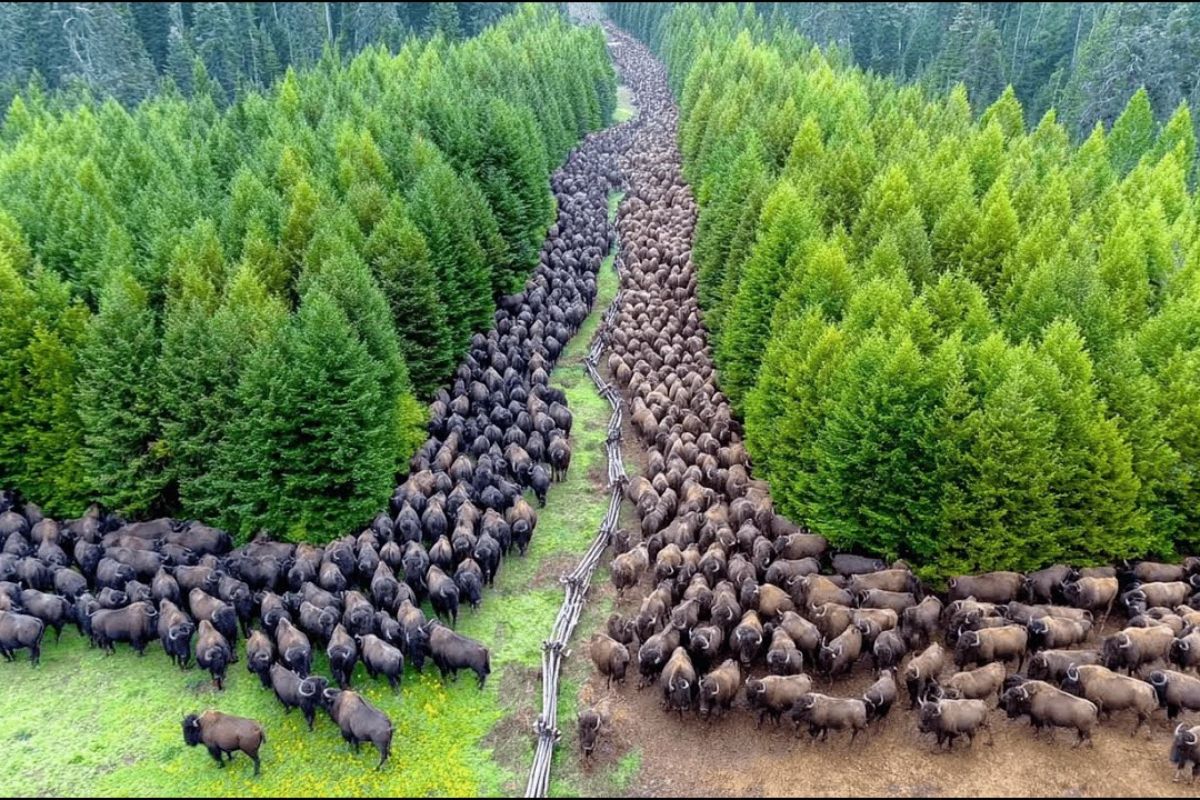
In The United States, Lakota Indigenous Leaders Reintroduced Bison to Degraded Areas, and At the Rosebud Reservation, the Wolakota Buffalo Range Project Sparked Soil Recovery, Biodiversity, and a Way of Life.
Bison were released into a prairie that was turning to dust after decades of degradation and a void that lasted more than 140 years. What happened next was not “a beautiful landscape,” it was real, visible recovery, with grasses returning, soil gaining strength, and life reappearing where only bare land once remained.
The turning point came when tribal leaders, parks, and conservationists decided to do the unthinkable: bring back the animal that shaped that ecosystem for centuries. When the bison returned, the prairie stopped dying and began to rejuvenate.
The Prairie That Fell Ill When It Lost Its Most Important Inhabitants

For a long time, tens of millions of bison shaped the Great Plains. They were not “just another animal” in the scenery: they were central to the functioning of the prairie.
-
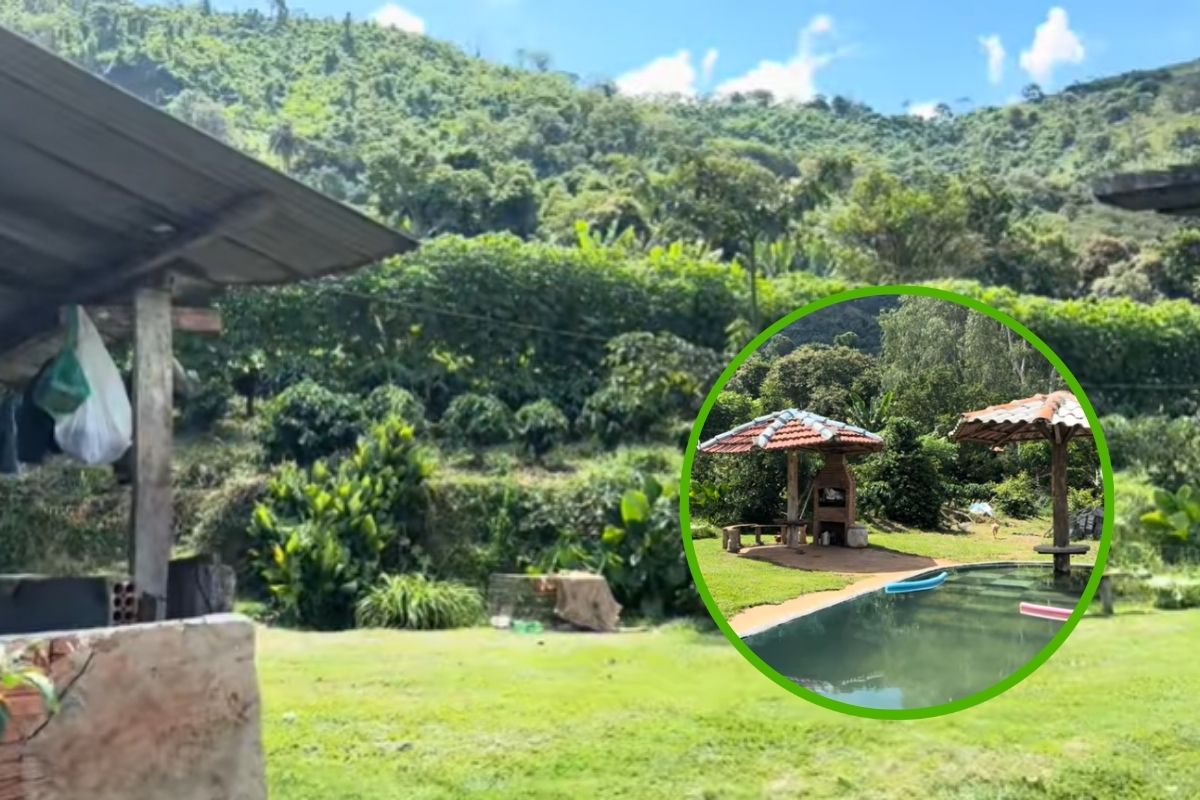
House without a door and without a window: a resident lives high in the mountains, says he enjoys the “free life,” mentions that the cat comes and goes hunting bats and rats, and that when it rains he wakes up with wet feet.
-
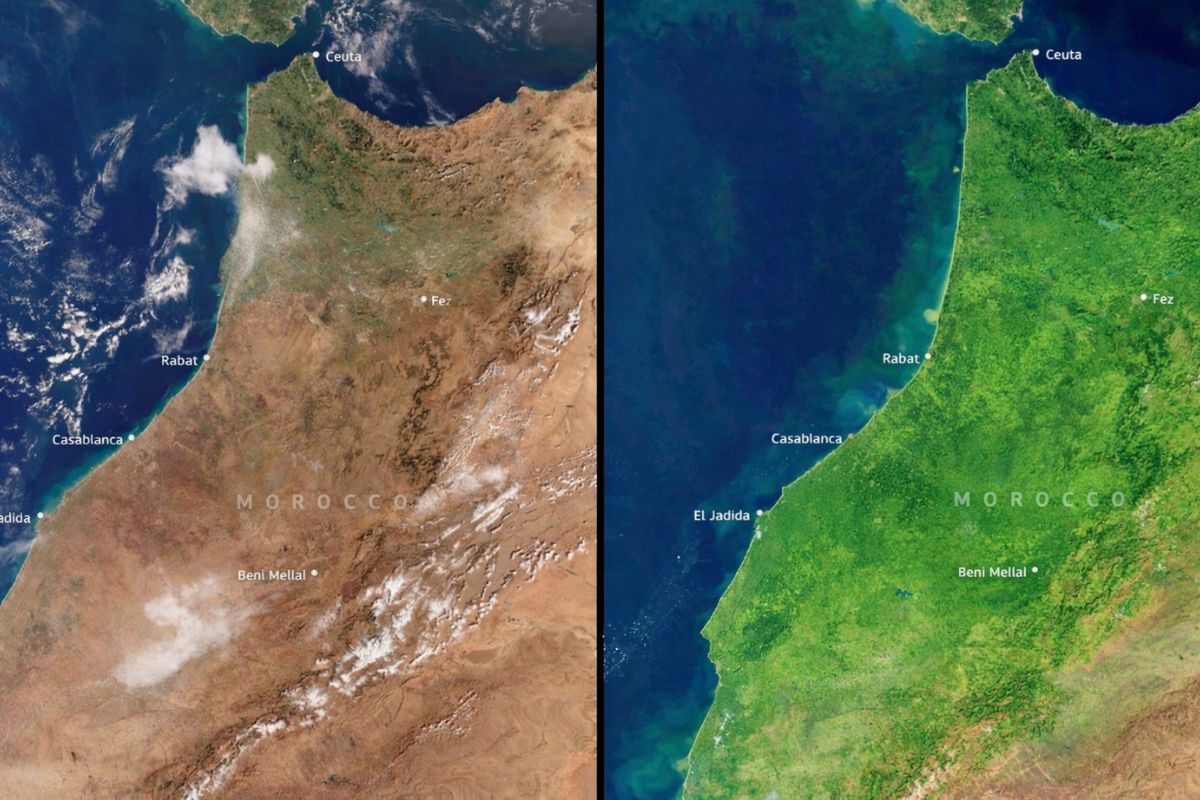
Satellite images show that Morocco became so green in 2026 that the country looks different from space: two months of heavy rains transformed arid land into dense vegetation for the first time in a decade.
-
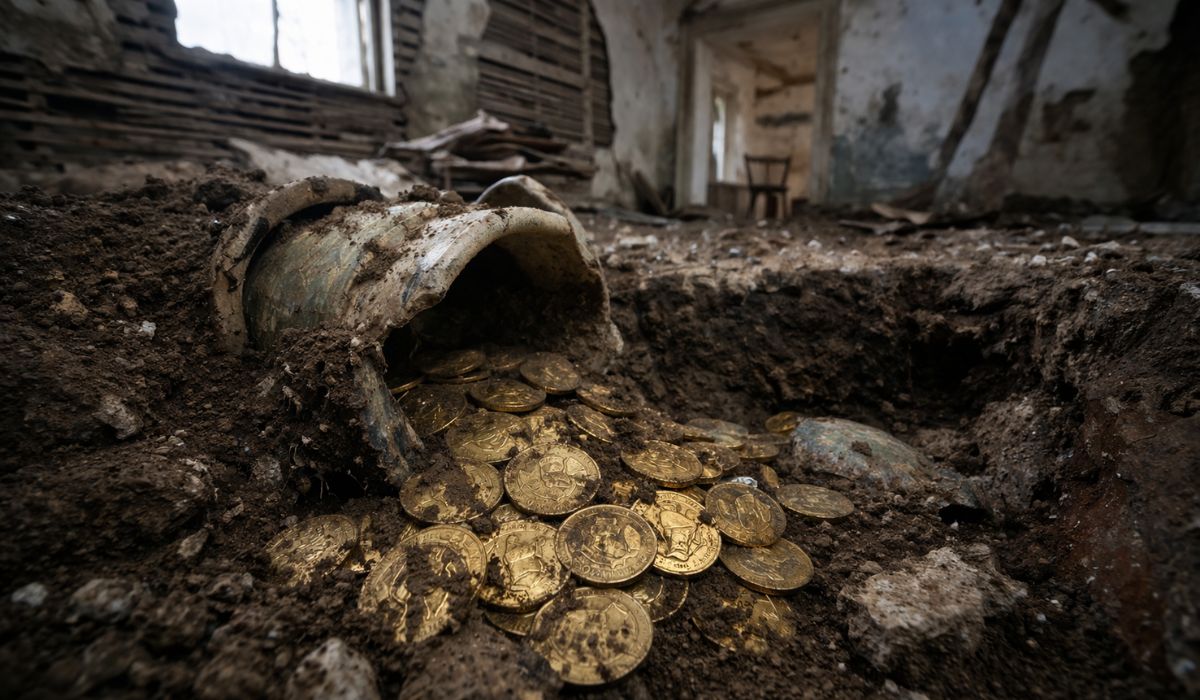
Archaeologists were excavating the foundation of a historic house in Russia when they discovered a buried treasure with gold coins, left behind in the final days of the Russian Empire and now valued at over R$ 2.8 million.
-
The Mediterranean has become the target of the largest underwater archaeological mission ever coordinated by UNESCO: eight countries have joined forces to map shipwrecks and protect a historic corridor.


When they were exterminated, the sequence was cruel and predictable. Without them, cattle and sheep took over, but with a different grazing pattern, more concentrated, more aggressive, and prolonged.
Vegetation stopped regenerating, soil lost organic matter and nutrients, and the landscape became increasingly arid.
With native grasses disappearing, invasive and less nutritious plants began to dominate. Biodiversity declined, birds and small mammals lost shelter, and moisture was no longer retained.
Wind kicked up dust, rain rushed off forming gullies, and in dry periods, the land turned almost desert-like.
140 Years of Absence and a Wound That Is Also Cultural
At the Rosebud Tribal Reservation in South Dakota, no bison had stepped foot for more than 140 years. The impact was not only environmental.
For the Lakota people, the bison is sacred, a source of food, tools, and spiritual significance. Loss of the herds meant losing traditions, ceremonies, and part of collective identity.
The local economy also suffered, and the reservation became one of the poorest regions in the country, with little employment and scarce food, according to reports.
The Planned Return: The Birth of Wolakota Buffalo Range
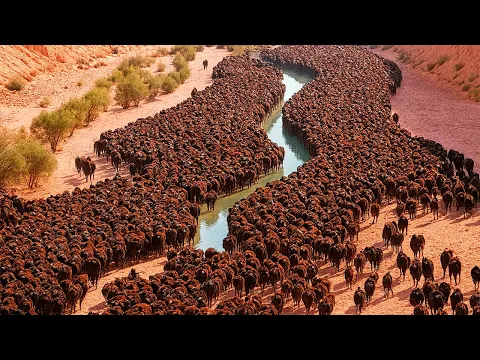

In light of the ecological and social collapse, tribal leaders began structuring a plan starting in 2015 to create a large area dedicated to the return of bison on tribal lands.
Over five years, the project advanced with partnerships, funding, and land allocation, including former cattle pastures. The declared goal was to restore an initial herd and, along with it, restore the land and a way of life.
On October 30, 2020, the first trucks arrived with 100 bison from areas like Badlands and Theodore Roosevelt.
New groups followed, and in the spring of 2021, more than 160 animals were already roaming the area. The first calves were born on tribal land after more than a century, marking a symbolic and practical turning point.
What Changed When the Bison Returned
With the bison back, signs of transformation began to emerge. Grasses reappeared, the soil seemed healthier, and the prairie showed the first concrete signs of recovery.
This return was also connected to successful reintroductions in national parks in the region. Badlands now hosts over 1,000 bison, Wind Cave about 500, and Theodore Roosevelt nearly 400, as highlighted in their own reports. In other words, the “rebirth” was not isolated; it became a trend in protected areas.
Why Bison Are a Keystone Species in Prairie Healing

The impact of bison is described as disproportionate to the environment, and this is evident in very objective mechanisms:
Constant movement creates a mosaic of vegetation. Unlike cattle, bison avoid staying too long in the same spot. They graze and move on, allowing time for the plants to recover.
The result is a prairie with areas of short grasses and others taller, creating varied habitats.
Natural control of invasive plants. Bison nip at the shoots of aggressive plants that cattle tend to ignore, making room for native grasses to reclaim territory.
Hooves that “plow” and help water enter the soil. The weight and trampling break the hardened crust, creating small fissures and basins that reduce erosion and increase rain absorption.
manure as slow-release fertilizer. The herd spreads nutrients continuously, and insects and worms incorporate this material into the soil, strengthening vegetation without artificial inputs.
Wallow: depressions that become cradles of life. By rolling on the ground, bison create cavities that collect water and nutrients and help seeds to germinate, forming seasonal small oases that attract other animals.
Neither Miracle Nor Stroll: The Rebirth Requires Management and Responsibility
The report also makes it clear that reintroducing bison is not a magic solution. It requires large areas, proper fencing, monitoring of herd health, care during drought and winter periods, as well as ongoing funding and community support.
There are resistances. Some farmers fear competition with cattle or risk of disease. The real challenge is balancing ecological restoration with modern pressures, without repeating past mistakes.
What This Story Proves for Other Degraded Areas
In the end, the return of the bison shows a powerful thesis: even after generations of loss, it is possible to restore what has been destroyed when the right piece returns to the ecosystem.
And perhaps the greatest shock is this: it was not a “landscaping project,” it was nature taking back control when its great engineers returned to roam the prairie.
Do you think releasing bison in degraded areas should be replicated in other regions, or does it only work in places with territory and culture similar to that of the Rosebud Reservation?






-

-

-

11 pessoas reagiram a isso.