





 Portuguese
  English
  Spanish
  2 min of reading
  0 comments


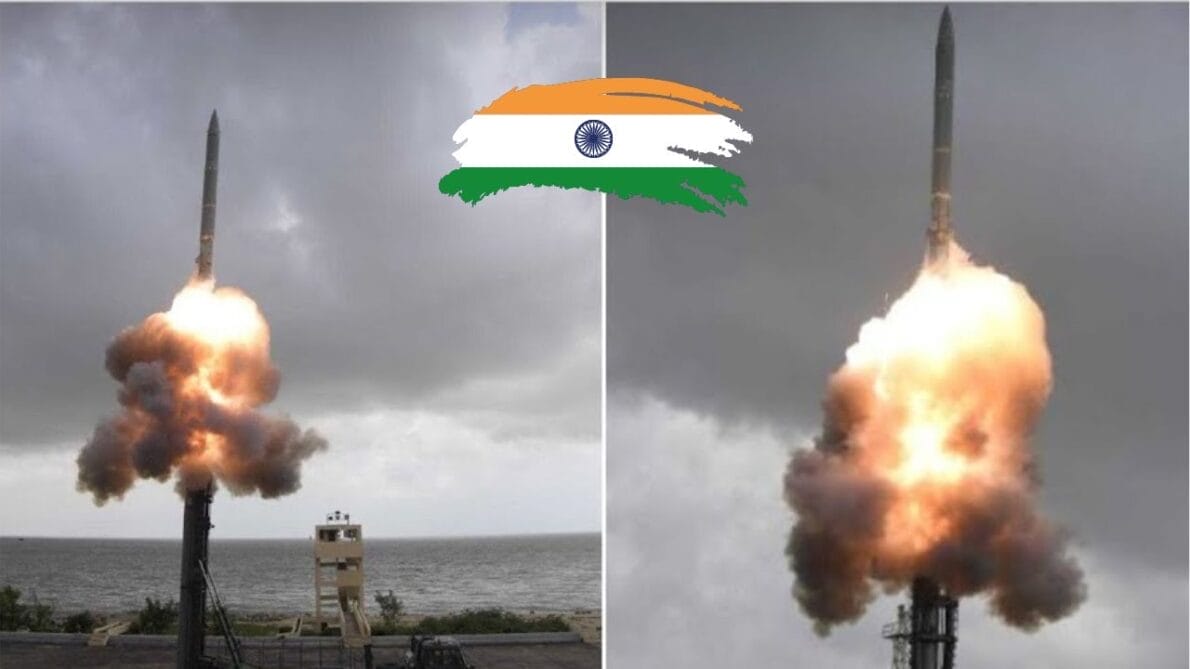
With a Successful Test of the New Anti-Submarine Missile SMART, the Indian Navy Significantly Advances Its Naval Capabilities, Demonstrating Technological Self-Sufficiency and Reinforcing Its Position as a Regional Defensive Power Able to Effectively and Accurately Address Undersea Threats.
The Indian Navy, in a significant strategic move, successfully tested an anti-submarine missile capable of hitting underwater targets at great depths. This test was conducted by the Defense Research and Development Organization (DRDO) on Abdul Kalam Island, located off the coast of Odisha, as revealed by the Ministry of Defense.
The new missile, known as SMART (Submarine-Tracking Assisted Missile for Torpedo Launch), is part of advanced technology aimed at transforming the Indian Navy’s anti-submarine missile operations.
SMART, of the Indian Navy, Extends Operational Range Beyond Traditional Light Torpedo Capabilities


With its innovative design, SMART extends the operational range beyond traditional light torpedo capabilities, incorporating technologies such as a dual-stage propulsion system, electromechanical actuators, and a high-precision inertial navigation system.
-
With 74% of companies facing difficulties in hiring, technicians and engineers in renewable energy are becoming scarce in Brazil and are essential to support the expansion of solar, wind, and green hydrogen projects.

-
Europe is trying to create an ammonia-powered marine engine without auxiliary fuel, which could unlock the race for giant emission-free ships. The technology aims to eliminate one of the biggest obstacles to clean maritime propulsion.

-
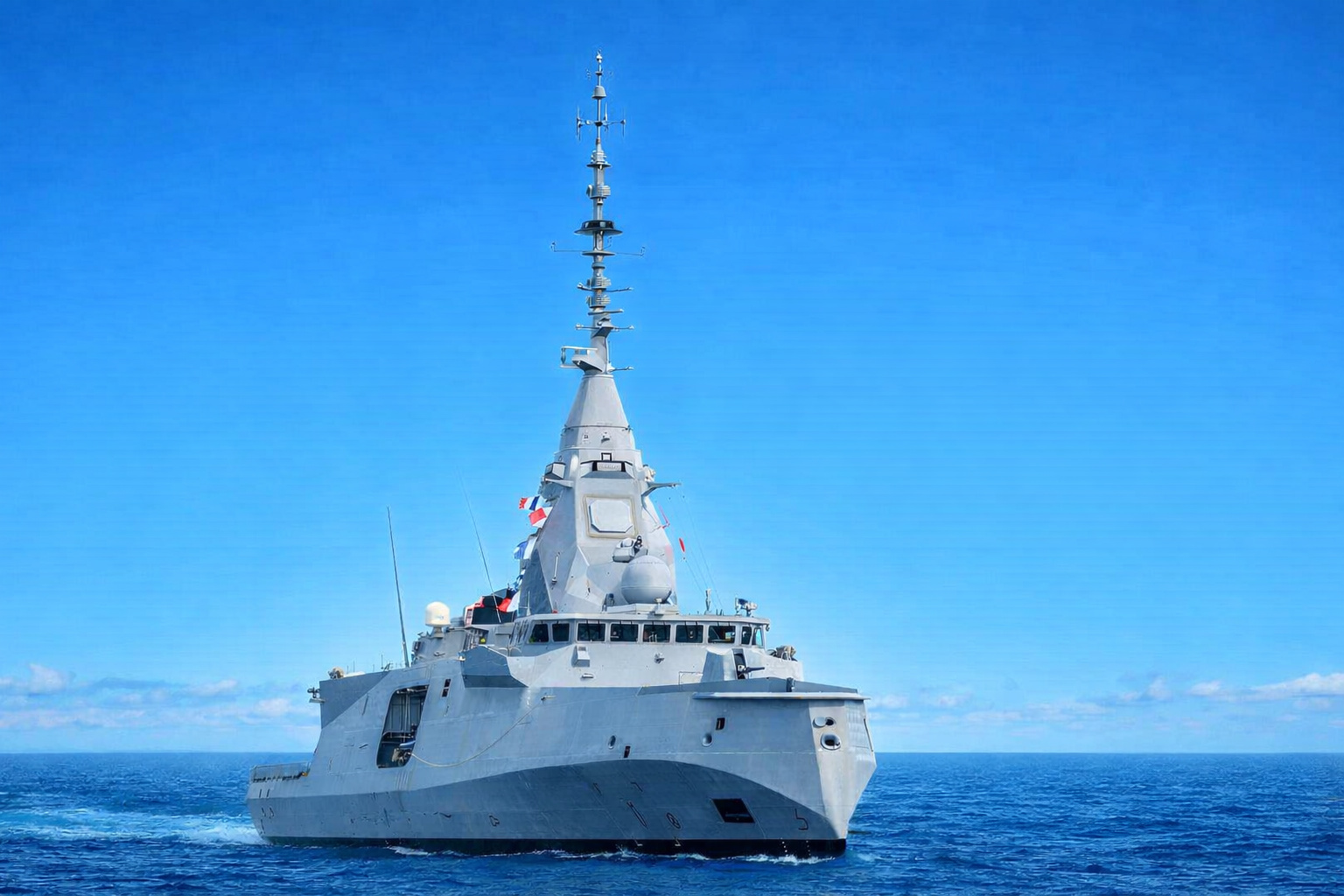
A 4,500-ton frigate with just over 100 crew members, state-of-the-art radar, and cruise missiles is being touted as the new standard of naval warfare in the 21st century.
-
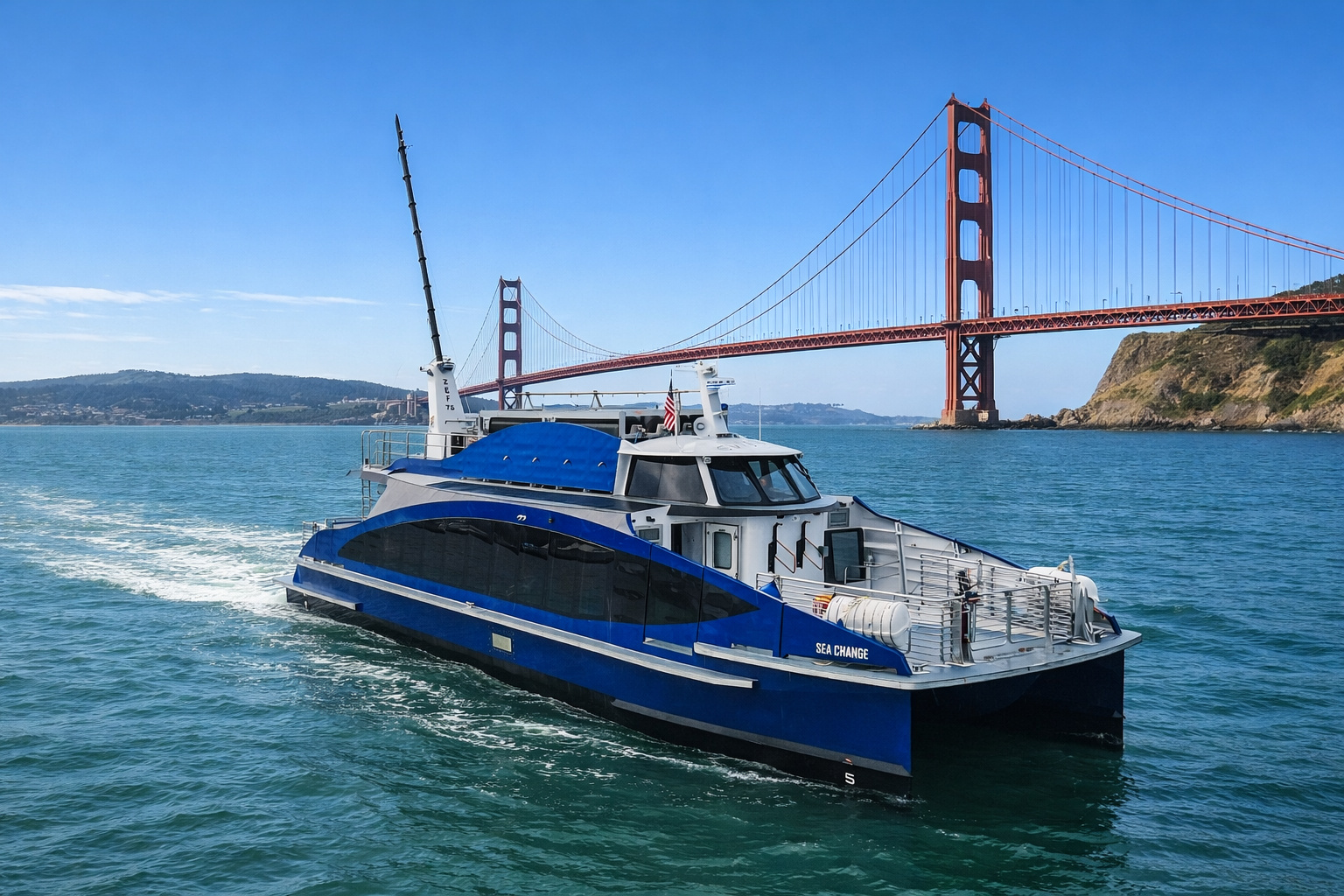
The first commercial hydrogen-powered ferry enters operation in the U.S., eliminates the use of diesel, uses fuel cells to generate clean energy on board, and transforms San Francisco Bay into a landmark of the new era of emission-free navigation.

The success of this test is not only a milestone for India in terms of technological advancement but also a demonstration of self-sufficiency in defense. The Minister of Defense, Rajnath Singh, praised the DRDO and its industrial partners for the development of this revolutionary anti-submarine missile system. According to him, the SMART system will significantly contribute to strengthening India’s naval capabilities, equipping the Navy with a powerful tool for deterrence and regional stability.
The Introduction of the SMART System in the Indian Navy Marks a Notable Advance in Maritime Defense
The introduction of the SMART system in the Indian Navy marks a notable advancement in the country’s maritime defense, positioning India not only as a robust deterrent force but also as a pillar of stability in the region. With these new capabilities, India is ready to face tomorrow’s security challenges, reaffirming its commitment to innovation and technological leadership in defense.








Seja o primeiro a reagir!