






 Portuguese
  Spanish



Nankai University’s Innovation in China Introduces Clothing With Body Temperature Control Powered by Solar Energy, Transforming Common Fabrics Into Portable Air Conditioning Systems That Operate With 24-Hour Autonomy After 12 Hours of Solar Exposure.
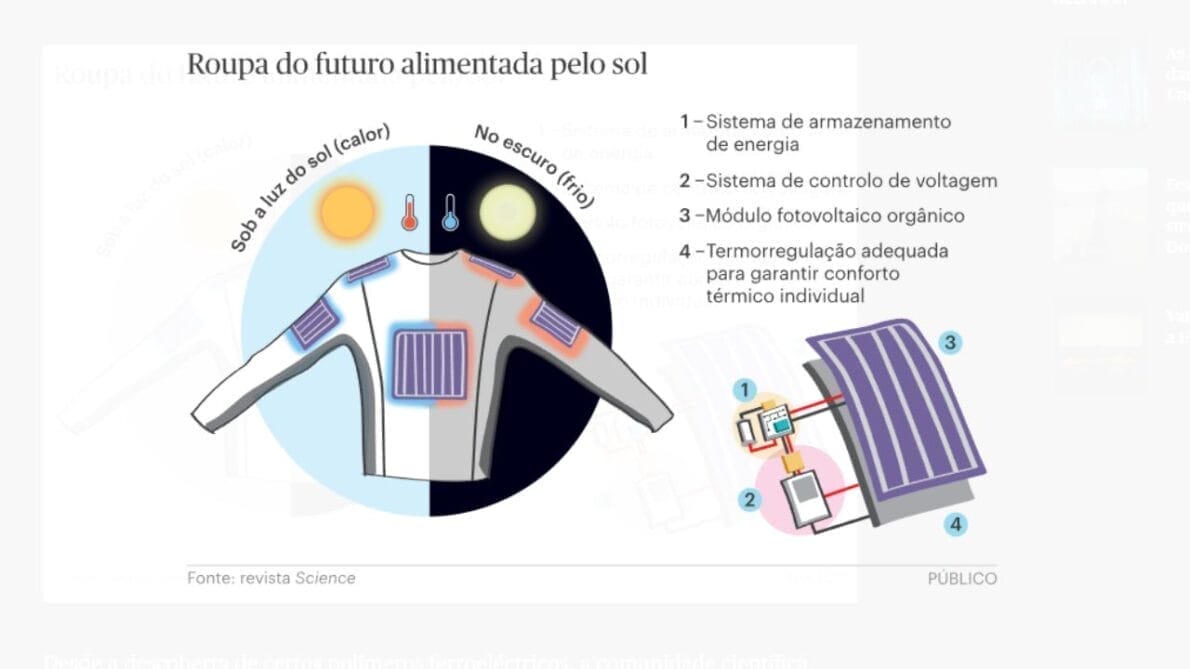
Imagine wearing a garment that adjusts your body temperature according to the external environment, all while harnessing the power of solar energy. This futuristic scenario is now a reality thanks to the development of a new type of fabric by Nankai University in China. The fabric, nicknamed “meta fabric,” uses a thin layer of fiberglass and graphene to absorb solar energy and adjust body temperature.
The system works in a simple yet effective way: if the weather is hot, the fabric cools the body; if it is cold, it warms up, maintaining skin temperature between 32 and 36 degrees Celsius. This temperature regulation ability is made possible by the integration of flexible photovoltaic cells that convert sunlight into electrical energy, powering the garment’s thermal control system.
With Just 12 Hours of Solar Exposure, the Garment, Which Is Practically a Portable Air Conditioner, Is Capable of Providing 24 Hours of Temperature Regulation
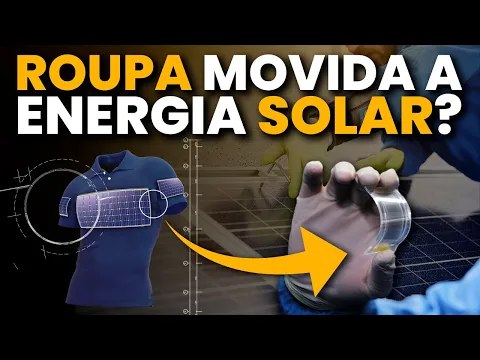

This technological advancement not only promises to reduce the need for air conditioning units and heaters but also offers a portable and eco-friendly solution for thermal comfort. With just 12 hours of solar exposure, the garment, which is practically a portable air conditioner, is capable of providing 24 hours of temperature regulation, offering a practical and sustainable solution for everyday life.
-
Engie Secures 10-Year Use of 625 MWh in Batteries to Store Excess Solar and Wind Energy in Spain by 2028

-
Giant Batteries Take Center Stage in Chile Auction as Company Offers 960 GWh of Solar Energy for Nighttime Use, Aiming to Stabilize Solar Power Supply
-
After a Year of Success in Switzerland, Solar Railway Attracts Italy’s Interest for Clean Energy Transformation
-
Robots Clean Solar Panels in Desert Power Plants Without Water, Preventing Energy Losses




Technology Has the Potential to Transform the Functional Apparel Market With Solar Energy
The applicability of this “portable air conditioner” is vast, benefiting not only professionals who work outdoors but also individuals living in extreme climate regions. This technology has the potential to transform the functional apparel market with solar energy, providing a comfortable and environmentally friendly alternative for personal temperature control.
With a market launch expected in the coming years, Nankai University’s innovation is poised to revolutionize the way we interact with our environments, proving once again that solar energy plays a crucial role not only in electricity generation but also in directly improving people’s quality of life.







Muito bom , mais tem como lavar essa tal peça de 👗👖 roupa ?