





 Portuguese
  English
  Spanish
 5 min of reading
  0 comments


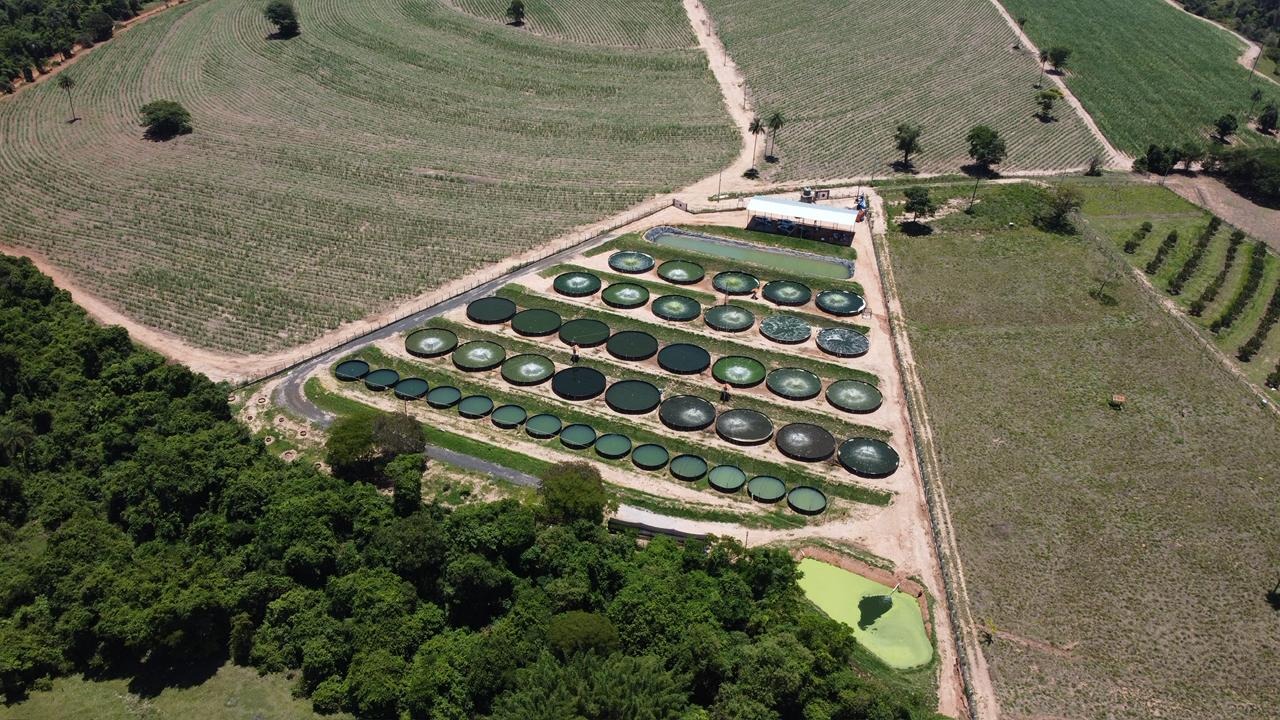
Big Fish Fish Farming Expanded Suspended Tanks, Adopted Organic Management, Verticalized Production Stages, and Integrated Aquaponics to Generate Tilapia and Vegetables with Greater Control, Productive Scale, and Operational Predictability in the Interior of São Paulo
Big Fish Fish Farming operates between crops and roads in Santa Rosa de Viterbo, near Ribeirão Preto, and gained regional prominence because it united sustainability, scale, and technical control. The project started small but accelerated in just a few years.
Partners Gustavo Bendazolli and Bruno Souza invested R$ 4 million in setting up a park with 42 suspended tanks.
Each tank holds up to 5,000 tilapia, allowing a controlled process that differs from the common dug model in the region.
-
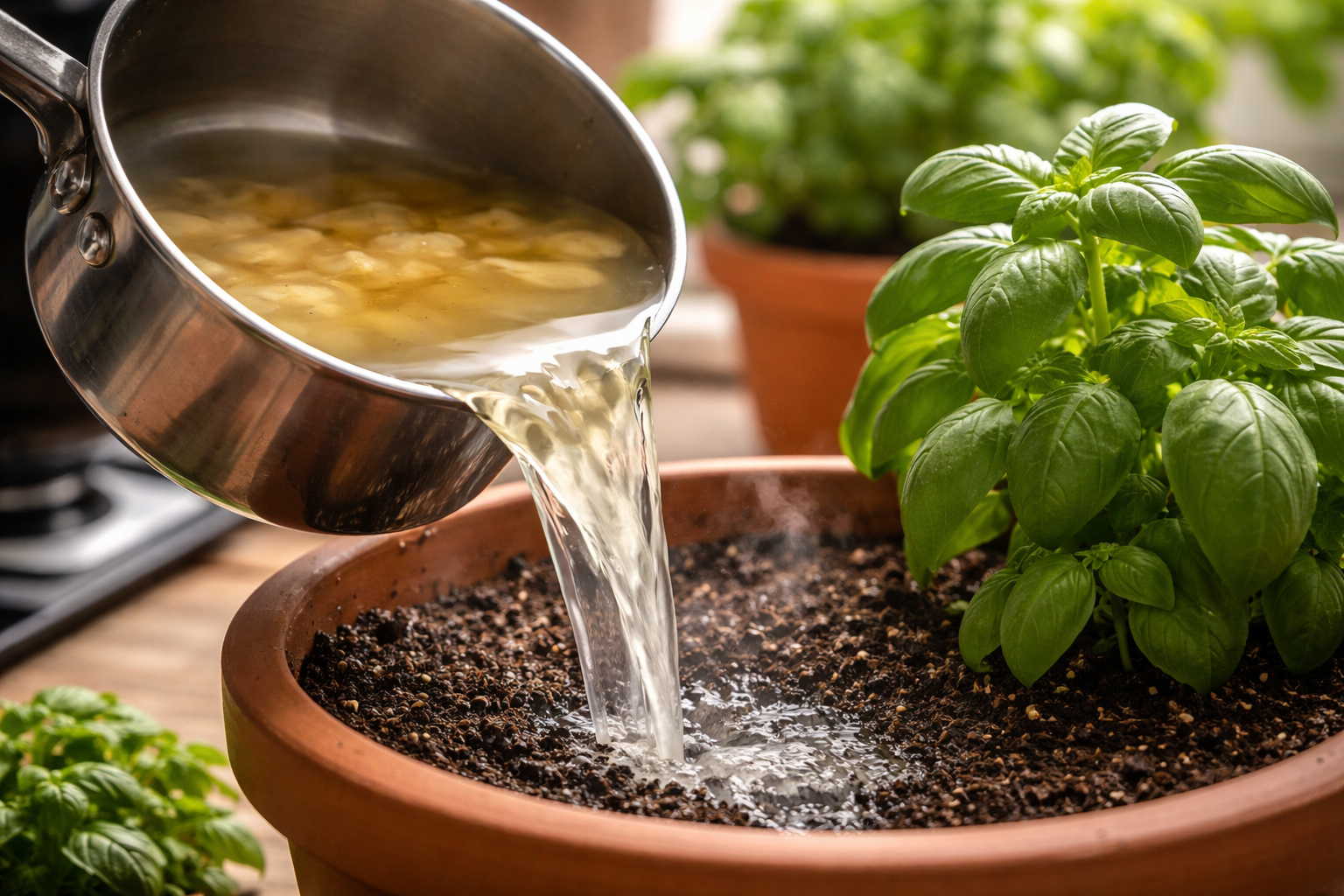
The water that almost everyone throws away after cooking potatoes carries nutrients released during the preparation and can be reused to help in the development of plants when used correctly at the base of gardens and pots, at no additional cost and without changing the routine.
-
The sea water temperature rose from 28 to 34 degrees in Santa Catarina and killed up to 90% of the oysters: producers who planted over 1 million seeds lost practically everything and say that if it happens again, production is doomed to end.

-
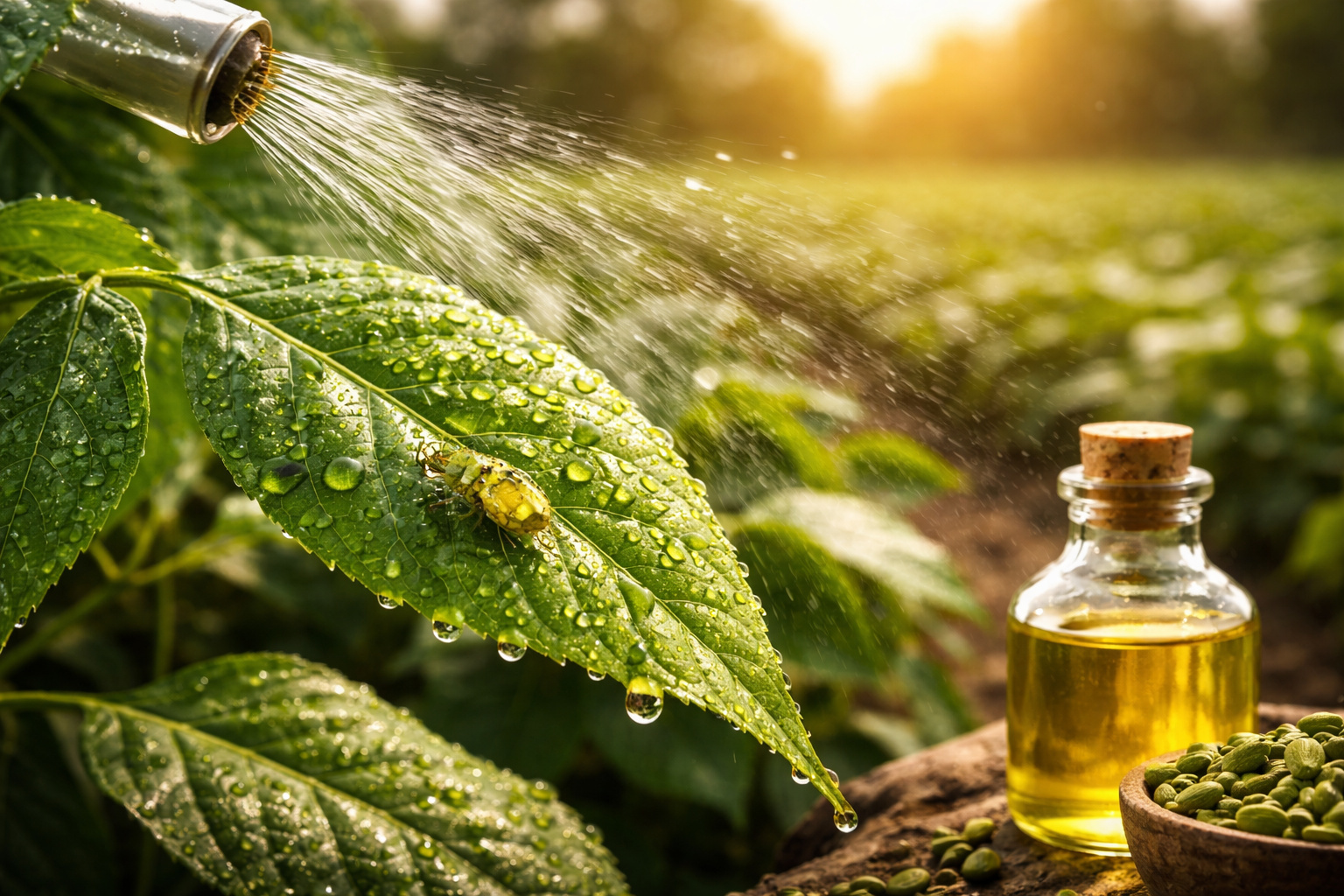
An Indian tree that grows in the Brazilian Northeast produces an oil capable of acting against more than 200 species of pests and interrupting the insect cycle, gaining ground as a natural alternative in soybean, cotton, and vegetable crops.
-
The rise in oil prices in the Middle East is already affecting Brazilian sugar: mills in the Central-South are seeing their margins shrink just as ethanol gains strength.


The adoption of this system ensures higher density and reduces mortality. Additionally, it creates a predictable environment and facilitates quick corrections during daily management.
The result is reflected in the meat, which is considered more uniform because the fish feed only on the essentials.
Gustavo states that the method minimizes external interferences, thus improving quality and reducing losses.
Strict Management and Complete Traceability
The operation follows strict sanitary protocols. Nets and utensils undergo sterilization before entering any tank.
This rule prevents cross-contamination and keeps each production unit independent.
The independence makes it easier to trace failures. Furthermore, it reduces risks that would compromise lot performance.
The tilapia cycle takes 6 to 7 months, from fry to slaughter. Big Fish produces its own fry, ensuring genetic standards and control of origin.
This practice provides predictability and avoids dependence on external suppliers.
Gustavo emphasizes that mastering the initial phase ensures consistency of the stock. He says that knowing how each lot was treated provides security to the process and avoids unwanted surprises.
Organic Production and Intelligent Use of Water
Another pillar of the operation is organic management. The system does not use pesticides and follows standards that reduce environmental impact.
The water from the tanks contains 12 essential nutrients and caught the team’s attention after successive analyses.
This discovery led to the creation of aquaponics. The waste water irrigates vegetables, mainly lettuce, and accelerates plant development with minimal iron supplementation.
The first cycle started with 1,000 plants. It then progressed to 4,000. Today the partners aim to reach 30,000 plants monthly and include celery and green onions.
The integration between fish and vegetables reinforces sustainability. Gustavo highlights that the model validates management and generates a positive impact. In addition, it creates a new revenue source and strengthens the financial structure.
One of the goals is for the vegetables to cover fixed costs. This way, the fish reaches the market at a more competitive price. The current production cost ranges between R$ 6 and R$ 6.50 per unit.
The Advancement of Tilapia: Growth Prompted by Demand
Big Fish started with two tanks and produced up to four tons per year. Everything changed when a meat processing plant reported it was seeking 100 tons of tilapia per week.
This information showed the size of the opportunity. From there, Bruno and Gustavo decided to scale up the project. They implemented staggered tanks and created a monthly harvesting calendar.
Today they harvest between 40 and 45 tons per month. This ensures continuous revenue and reduces fluctuations in cash flow.
Verticalization and New Markets
The next step is to verticalize everything. The construction of their own processing plant will allow the production of tilapia fillets, a higher value-added item. This move also facilitates entry into new markets.
The company plans to expand from 42 to 200 suspended tanks. The goal is to reach 28 tons of fillet per month.
This volume opens doors for exports as it meets the standards required by international clients.
The partners identified markets in China and other Asian countries. The expansion targets these destinations and strengthens the long-term strategy.
Profitability and Favorable Environment
Bruno states that Big Fish operates with a profitability of about 30%. He notes that the rate is high because the sector is growing rapidly but does not always achieve high margins.
Aquaculture is experiencing a moment of national prominence. Domestic consumption is increasing because tilapia has adapted to the Brazilian climate and offers a mild flavor. Additionally, the sector has invested in genetics, nutrition, and processing.
These factors create a favorable environment for new businesses. Big Fish took advantage of this scenario and built a model based on efficiency.
Educational Action and Social Impact
In addition to sales, the company receives children and teenagers from social projects in the region. Gustavo explains concepts of aquaponics, management, and sustainability. He mentions that the activity turns into learning and shows new forms of income.
This approach reinforces the link between fish farming and the community. The team believes that shared knowledge generates environmental awareness.
Integrated Model for the Future
The combination of technology, organic production, and verticalization has transformed Big Fish into a reference. The project demonstrates that it is possible to increase scale without overlooking environmental responsibility.
The controlled system reduces risks and enhances quality. Additionally, it creates a conducive environment for new stages of expansion.
In the interior of São Paulo, the advancement of Big Fish shows that the future tilapia must be clean, traceable, and produced in intelligent models.
Brazilian Fish Farming on the Rise
Brazil is experiencing a growth phase in fish farming. Tilapia accounts for more than half of national production.
The species has adapted well to the country. Additionally, it has a fast cycle and good feed conversion.
The mild flavor has increased consumption. The product has become common in the domestic market and has gained space in kitchens across the country.
With constant investments and more modern processing, tilapia is strengthening as a protein with international potential.
With information from Compre Rural.




-

-

-

-

-

23 pessoas reagiram a isso.