





 Portuguese
  English
  Spanish
  4 min of reading
  0 comments


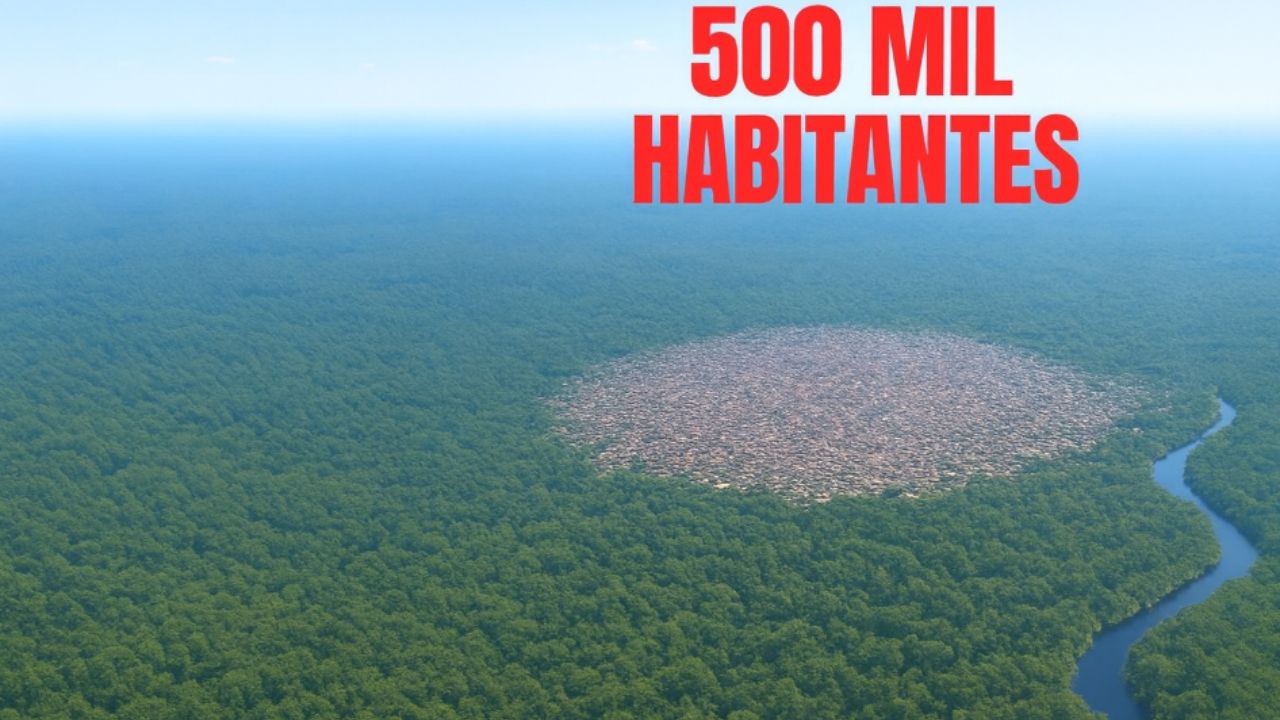
Without Roads, Iquitos Is The Largest Isolated City In Peru Surrounded By The Amazon Jungle And Houses 500 Thousand People.
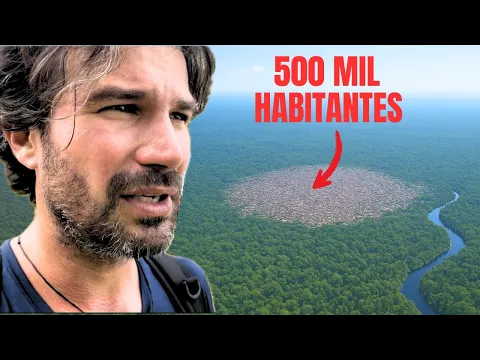
In the middle of the largest tropical rainforest on the planet, where rivers take on the role of roads and the jungle dominates the landscape, there exists a metropolis that defies the logic of the modern world. This is Iquitos, located in the northeastern part of Peru, considered the largest isolated city in the world. With approximately 500 thousand inhabitants, the place has no land connection to the rest of the continent. To get there, the only options are to fly for almost two hours from Lima or take boat trips that can last up to five days coming from Manaus or Pucallpa.
This urban island, surrounded by a green wall and cut through by the Amazon, Nanay, and Itaya rivers, lives in its own temporal dynamic. In the largest isolated city in the world, the clock obeys the rhythm of the waters and not just commercial hours. The visitor finds a vibrant and noisy setting where swarms of mototaxis weave through traffic under an intense heat of 40 degrees, revealing a population that has learned to live in harmony with climatic adversities and geographical isolation.
History of Wealth and Adaptation

The history of Iquitos is marked by radical transformations. The city’s name is derived from the indigenous Iquitos tribe, encountered by the Spanish in the 18th century. However, it was in the 19th century, during the Rubber Boom, that the area changed from an indigenous village to a center of ostentation. Rubber barons built mansions with European architecture and imported luxury from across the ocean, remnants of which can still be seen around the Plaza de Armas and in the local cathedral.
-
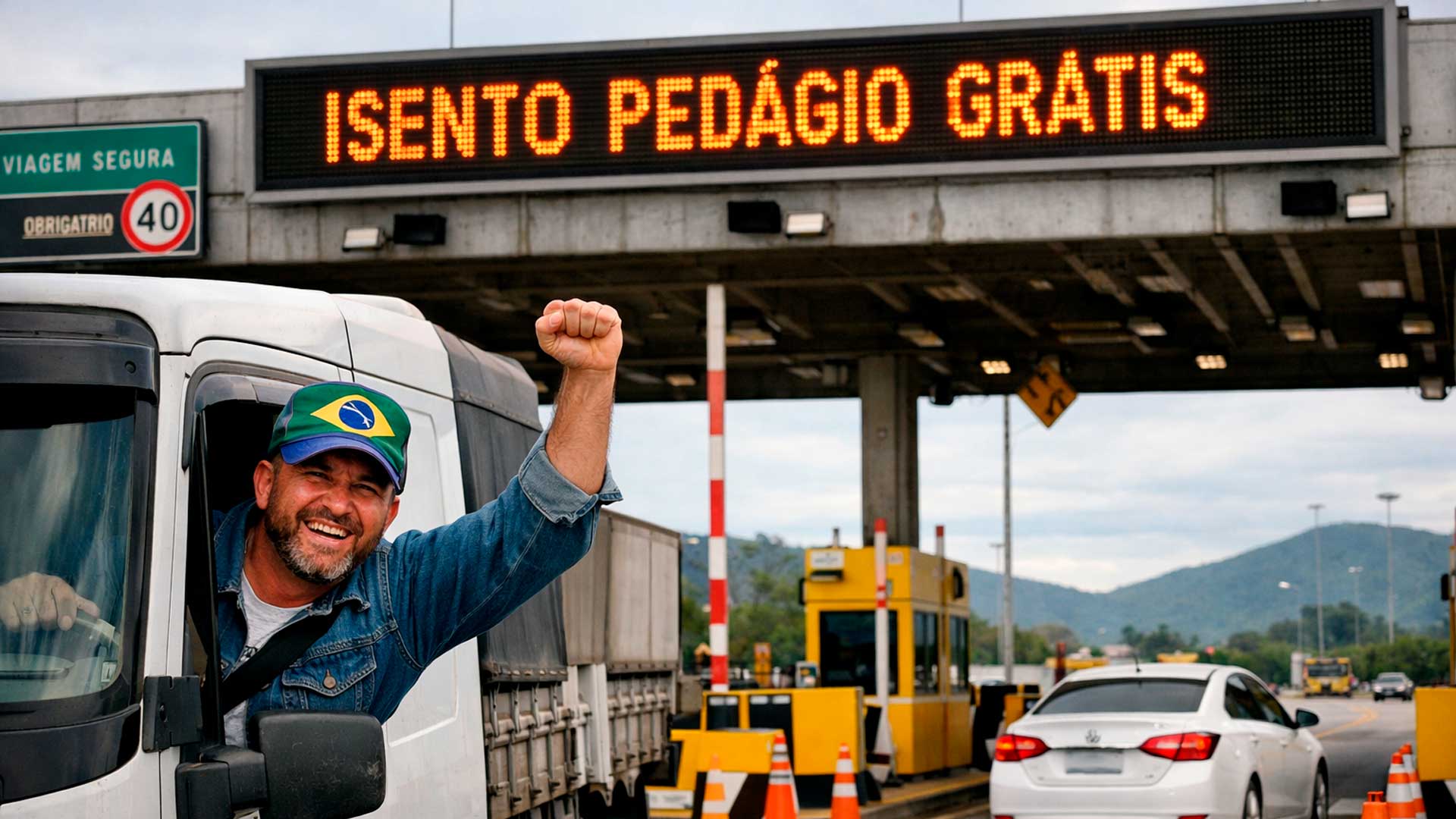
These are the drivers who may stop paying tolls on highways in a project that promises to reduce costs for those who live from transportation in Brazil.
-
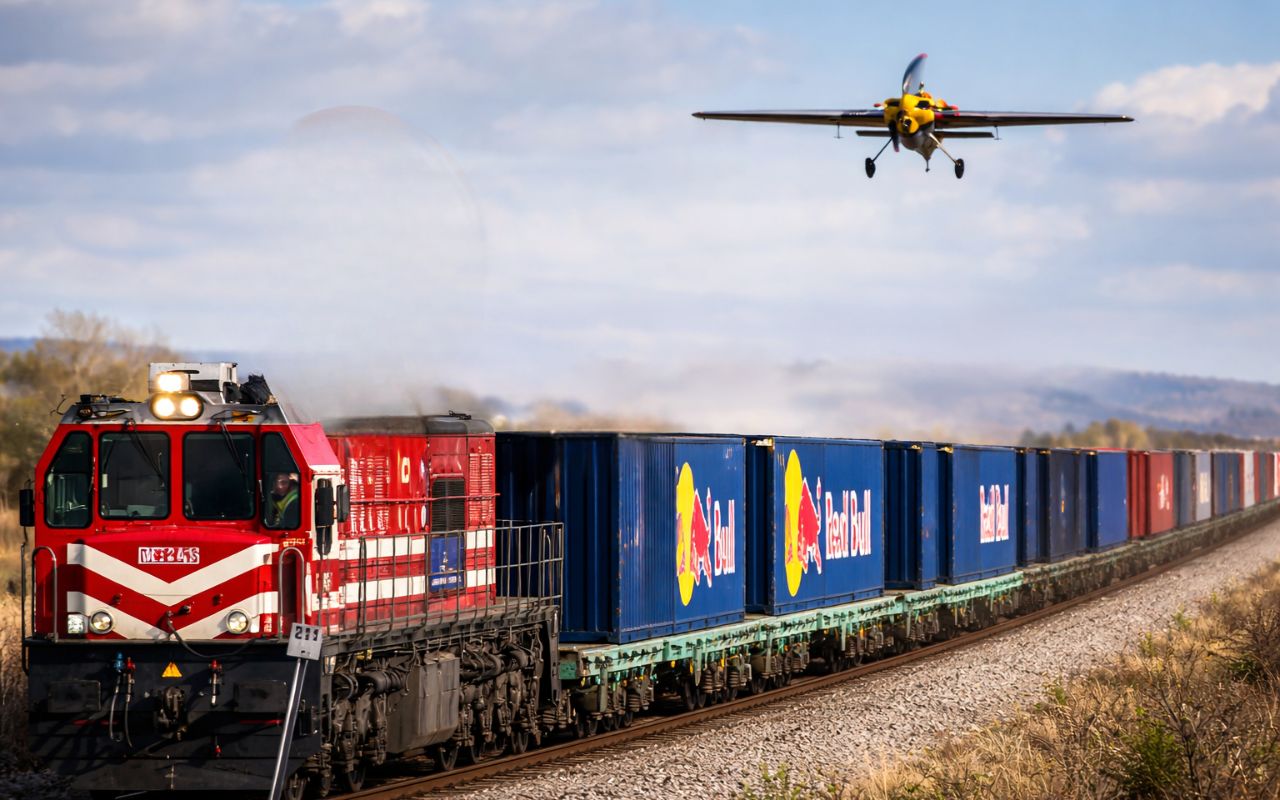
(Video): Italian pilot lands plane on moving train at 120 km/h and achieves unprecedented feat in aviation, even with a narrow runway and without direct visual contact.
-
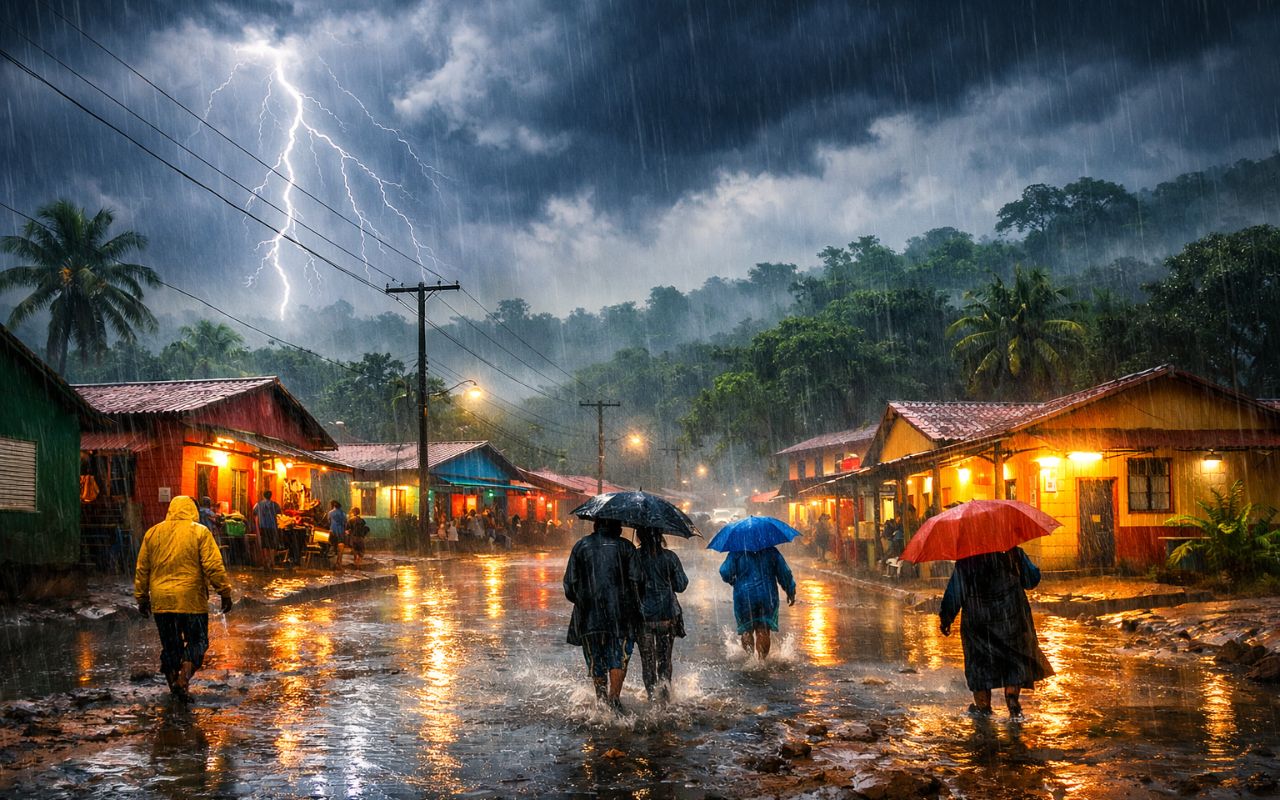
It seems to have come out of a science fiction movie: A Brazilian city where it rains almost every day, recording over 4,000 mm per year, driven by climatic factors — a direct result of its strategic location in the Amazon.
-
The water crisis that could change everything this year has already begun; it’s not just about the climate, it affects technology, raises product prices, and can halt entire companies without warning.


After the end of this economic cycle, the city went through stagnation but managed to reinvent itself through river trade and tourism. Today, Iquitos lives between two worlds: that of possible modernity and that of the ancestral jungle that surrounds it. The local culture is a vibrant fusion of indigenous, Hispanic, and Amazonian influences, attracting visitors in search of medicinal tourism, spiritual retreats, and contact with traditional healers.
The Pulse of the Belém Market
The heart of local daily life beats strongly at the Belém Market, considered by many to be the largest open-air market in the Amazon in its style. It is a labyrinth of colors and smells where everything is sold: from fresh fish and medicinal roots to exotic meats like caiman and turtle. Some stalls offer delicacies that challenge foreign palates, such as suri, a larva consumed alive or roasted.
The market’s structure reflects the people’s adaptation to the geographical conditions of the largest isolated city in the world. The lower part, known as “Nova Veneza,” features houses built on stilts and wooden pillars. During the rainy season, this area is flooded, and commerce floats, with vendors adapting their stalls into canoes. However, periods of severe drought can transform the landscape, revealing the ground where there was once water, in a constant cycle of change.
Gastronomy and Wildlife

The cuisine in Iquitos offers unique flavors, with ingredients that only exist in this part of the world. One of the traditional dishes is Juane, made with rice, egg, chicken, and olives, all wrapped in a bijao leaf. Another specialty is the local tamales, which differ by including peanuts in the recipe. Food is a celebration of local identity, blending the catch of the day with fruits and seasonings from the forest.
Beyond the urban zone, the main attraction is nature itself. Just minutes outside the city, one can be in the heart of the Amazon rainforest, navigating through rivers that seem infinite. Adventure tourism takes travelers to lodges in the middle of the jungle, where electricity is limited to generators and cell phone signals disappear. In this environment, interaction with wildlife is direct, whether visiting monkey refuges or having fruit “stolen” mysteriously by animals that enter rooms during the night.
A Destination of Extremes
Visiting the largest isolated city means facing a reality where there are no conventional seasons like summer or winter. Here, the calendar is defined by the low water (from April to October) and by the flood (from November to March). It is a place where infrastructure tries to keep up with population growth and where tourism seeks the inexplicable and the wild. Iquitos resists the rush of time and invites the traveler to enter the rhythm of presence, proving that it is possible to build a complex and fascinating society far from the roads that connect the rest of the planet.
Would you dare to face days on a boat along the rivers of the Amazon to get to know this isolated city?







-

Uma pessoa reagiu a isso.