





 Portuguese
  English
  Spanish
  5 min of reading
  1 comment


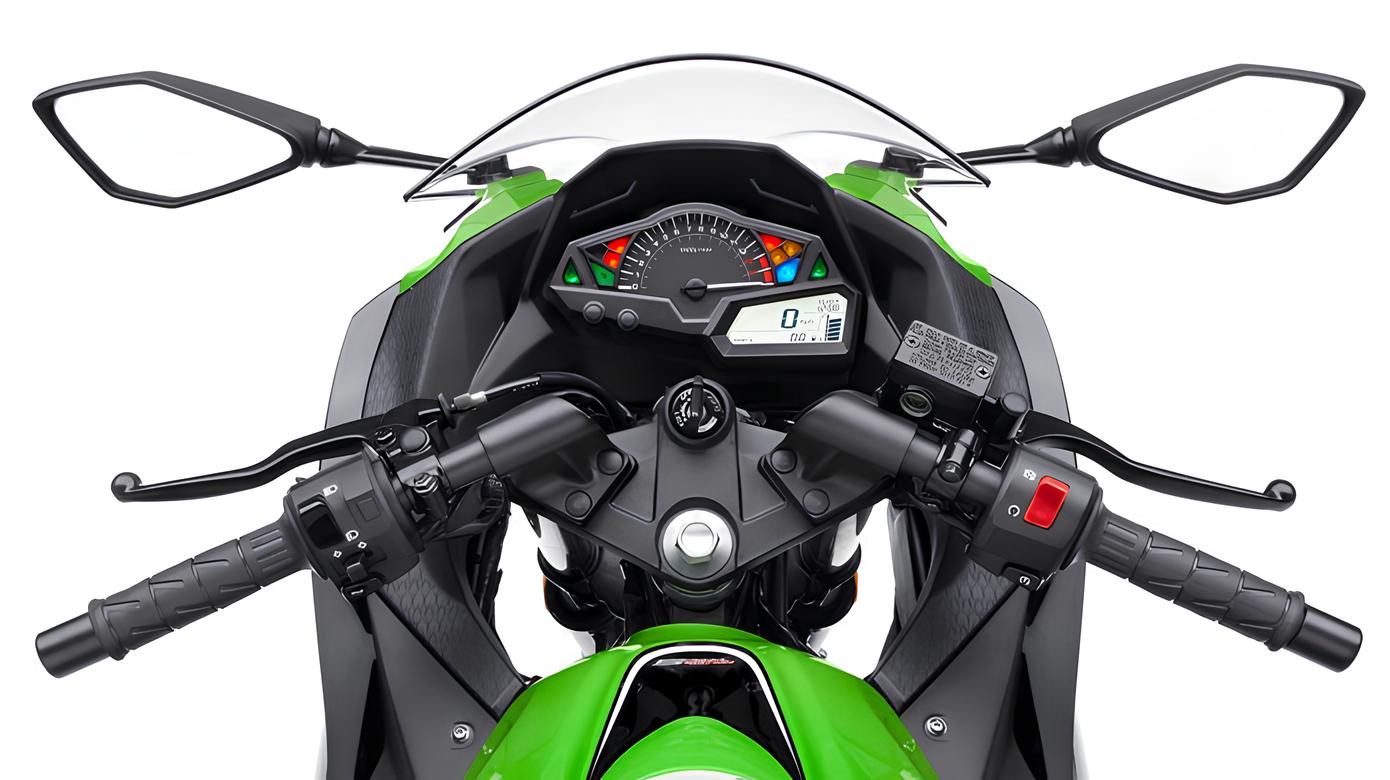


The Kawasaki Ninja 300 Was Discontinued in 2018, But Was Relaunched in 2023 and Now Continues to Be Sought After by Those Looking for an Economical Japanese 300cc Motorcycle with Precise Fuel Injection and Low Maintenance.
Not every motorcycle gets discontinued and falls into oblivion. Some, even after production ends, manage to remain in demand among those who know the market and value a good mechanical set, reliability, and low maintenance cost. This is exactly the case with this Japanese motorcycle that left stores about five years ago but continues to be sought in the used market: the Kawasaki Ninja 300.
While many look at newer motorcycles with increasingly complex (and expensive) technologies, a legion of motorcyclists still seeks the simplicity, robustness, and excellent cost-benefit that the Ninja 300 offers. Its reliable 300cc engine, precise fuel injection, and affordable maintenance have made this motorcycle a true darling among those who understand the subject.
The Farewell of the Kawasaki Ninja 300 and the Start of the Search for Used Models
The Kawasaki Ninja 300 ceased to be offered in Brazil in mid-2018, making way for the Ninja 400. However, the early exit from the national catalog did not diminish its appeal; on the contrary: over time, it has become increasingly sought after by those looking for an entry-level sportbike without giving up the Japanese DNA of reliability.
-
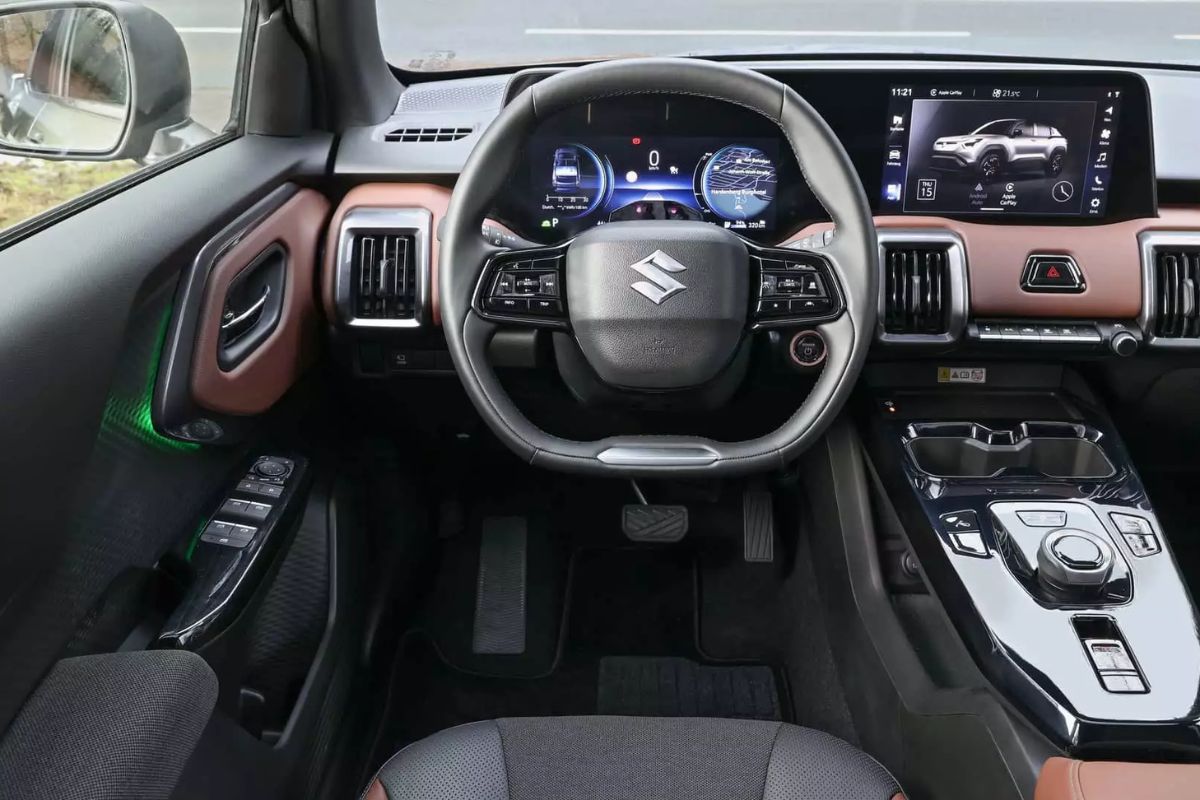
The 2026 electric Vitara arrives in Brazil and proves that Suzuki is not leaving: 4×4 traction, 184 hp, 61 kWh LFP battery, 293 km range, R$ 259,000, and a trunk capacity of 224 L.
-
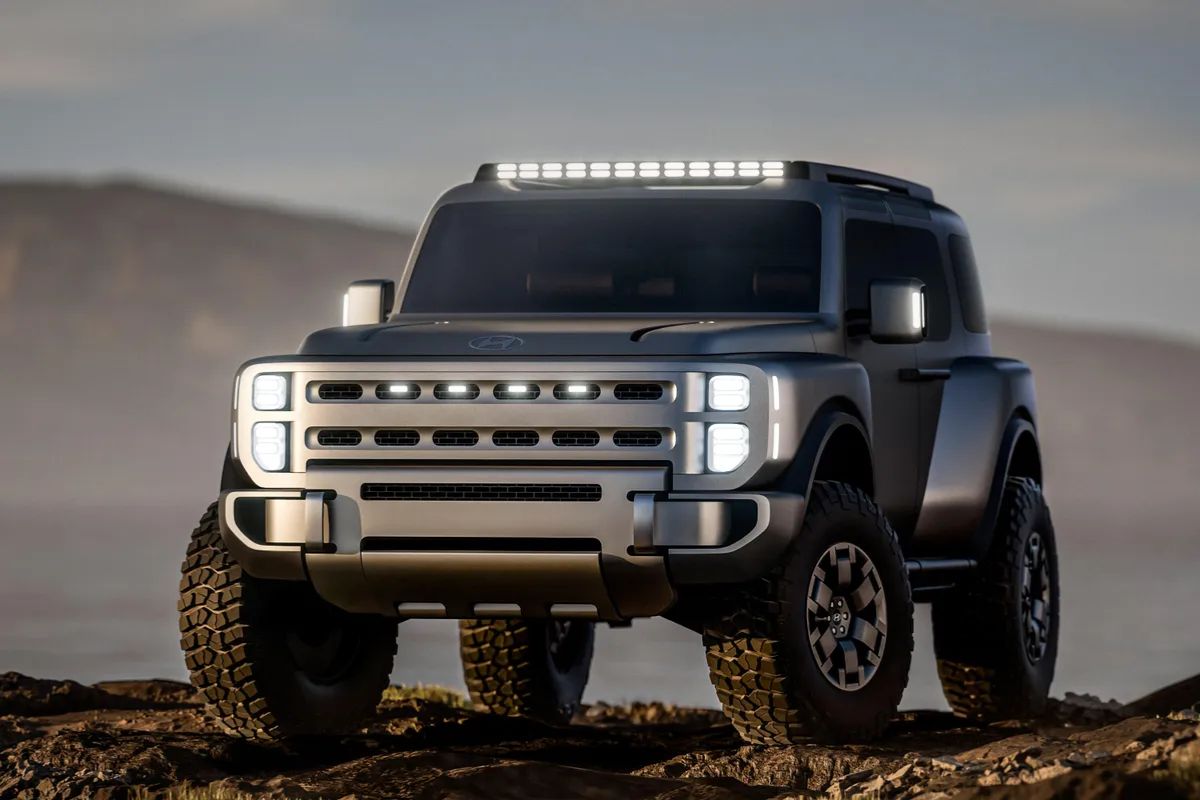
Hyundai has unveiled the Boulder, a square SUV with a body-on-frame design, 37-inch mud tires, and carriage-style doors that seems to be made to take on the Ford Bronco and the Scout Traveller in the United States.
-
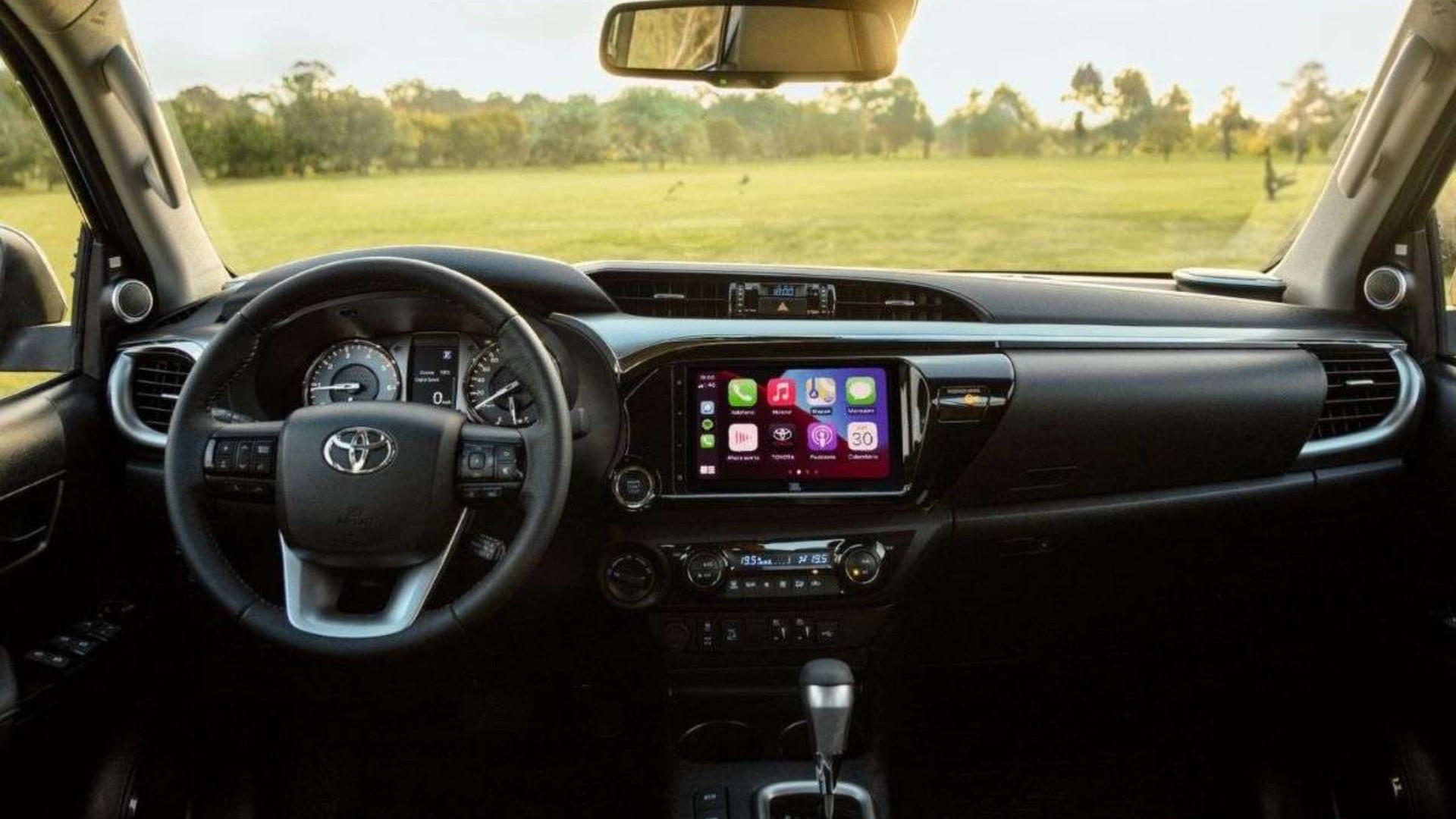
The Toyota Hilux is R$ 75.5 thousand cheaper and bets on the 2.8 turbodiesel engine with up to 204 hp and 50.9 kgfm to catch up with the VW Saveiro, which leads with 4,472 sales.
-
The new Renault Koleos has a screen exclusively for the passenger that is invisible to the driver, heated rear seats, and 29 assistance systems, but its Chinese competitors cost R$ 40,000 less and deliver more power.

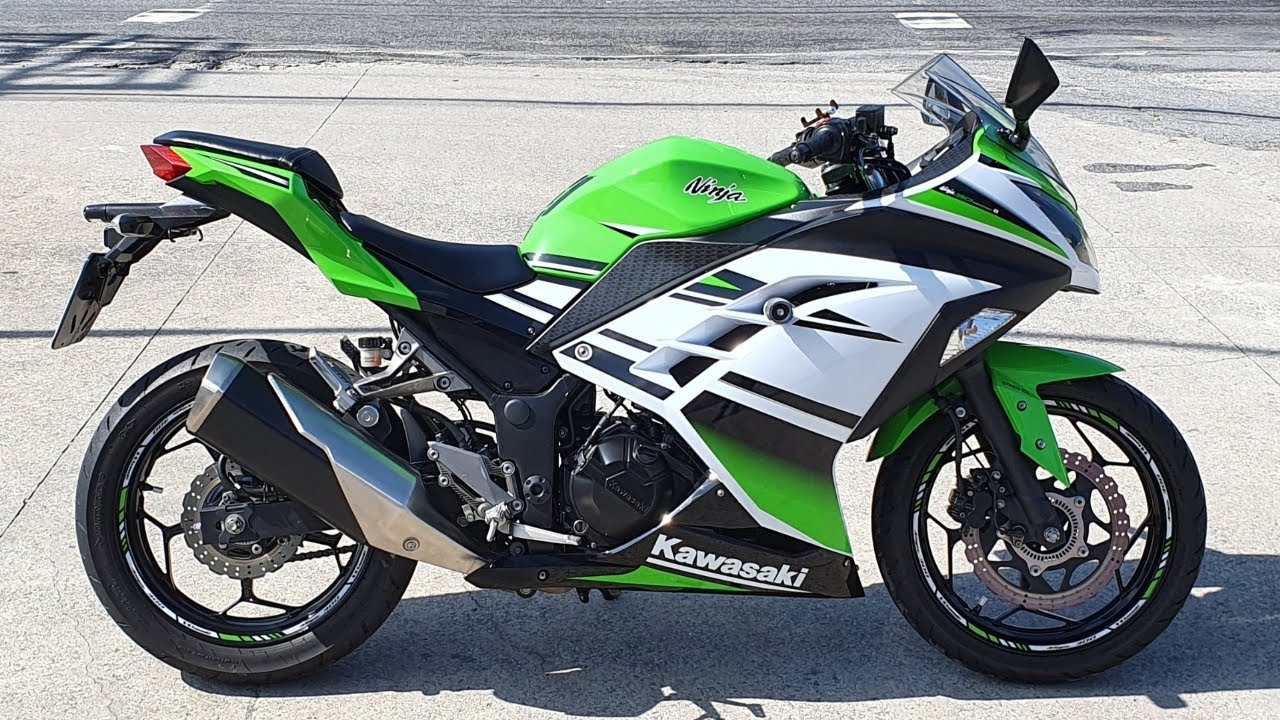
With sporty lines that still catch attention on the streets, the Ninja 300 has maintained the sharp looks of the Ninja family, with well-designed fairings, a pleasant riding position, and a performance that still impresses for its category.
Today, finding a well-maintained unit has become a mission for many novice or even experienced motorcyclists who want a balanced, economical, and reliable sports bike for daily use or short trips.
The Reliable Japanese Heart of 300cc
The Ninja 300’s greatest asset has always been its well-tuned mechanical set. The 296cc twin-cylinder engine, with liquid cooling and dual overhead camshafts, delivers 39 hp at 11,000 rpm and 2.8 kgfm of torque at 10,000 rpm.
But it’s not just the power that stands out. The Ninja 300’s engine is smooth, progressive, and surprisingly elastic. Riders quickly notice how the revs rise linearly, making the motorcycle fun both in urban areas and on highways.


Moreover, its durability has been widely proven. Many owners report easily exceeding 50,000 km without significant issues, provided that basic maintenance is respected — and it is precisely this reputation of being a reliable 300cc motorcycle that keeps the Ninja 300 valued even years after it was discontinued.
Precise Fuel Injection of the Kawasaki Ninja 300: Performance and Economy Just Right
The Ninja 300 features a well-calibrated motorcycle fuel injection system that works precisely for both fuel supply and emissions control. This allows the engine to maintain efficient combustion across various RPM ranges, directly contributing to its excellent fuel economy.
In everyday use, the Ninja 300 achieves averages between 22 km/l and 28 km/l, depending on riding style and road conditions. For a two-cylinder sportbike, these figures are impressive.
It is precisely this combination of good performance and low consumption that makes many consider the Ninja 300 one of the best options for those looking for an accessible sports motorcycle in their daily lives.
User-Friendly Riding and Almost No Maintenance – Kawasaki Ninja 300
Unlike larger and more aggressive sportbikes, the Ninja 300 has always been praised for its user-friendly riding experience. The riding position does not strain the back and wrists as much, making urban commuting less tiring. In addition, its lightweight of around 172 kg facilitates low-speed maneuvers.
In terms of maintenance, the Kawasaki Ninja 300 offers a cost well below that of larger models, precisely due to its mechanical simplicity and the brand’s excellent reliability record.
Preventive maintenance items such as oil, filters, spark plugs, and brake pads are affordably priced and easily found on the market. Furthermore, the Kawasaki dealership network in Brazil remains active, ensuring original parts and specialized labor are readily available.
For those transitioning from 150cc or 250cc bikes, the Ninja 300 represents a natural leap, offering a more sporty ride without the high maintenance costs that typically accompany larger displacements.
A Mature and Praised Project to This Day
Originally launched in 2013, the Ninja 300 was already a solid project when it arrived in Brazil. Its steel tubular frame ensures stability even at high speeds, while the ABS braking system (available in some versions) provides extra safety when braking.
Even as the years go by, the Ninja 300 continues to receive praise in specialized comparisons. Portals like Quatro Rodas Motos and various motorcyclist forums continue to cite the motorcycle as a reference in its category, especially for its mechanical reliability and the balance between performance and cost.
Heated Used Market
Over time, finding a well-maintained Kawasaki Ninja 300 has become increasingly difficult — and more expensive. Units with low mileage are quickly sought after in classifieds and sales groups, with prices that surprise due to their appreciation.
While other entry-level motorcycles depreciate quickly, the Ninja 300 maintains a stable price curve, precisely because of its reputation for robustness and the loyal audience it has garnered.
For those looking to invest in a reliable sports bike, the Ninja 300 still represents one of the most sensible purchases in the 300cc segment.
Even though it is discontinued, the Kawasaki Ninja 300 remains a strong reference in its category. Combining an elastic engine, precise fuel injection, controlled consumption, and low maintenance costs, it has managed to achieve what few models accomplish: being discontinued and becoming even more desired.
If you have not yet ridden a Ninja 300, it is worth giving it a chance. It may be exactly the economical, robust, and reliable Japanese sports bike that was missing in your garage.










Tenho uma branca 2013 com 17.582km original