





 Portuguese
  English
  Spanish
  3 min of reading
  0 comments


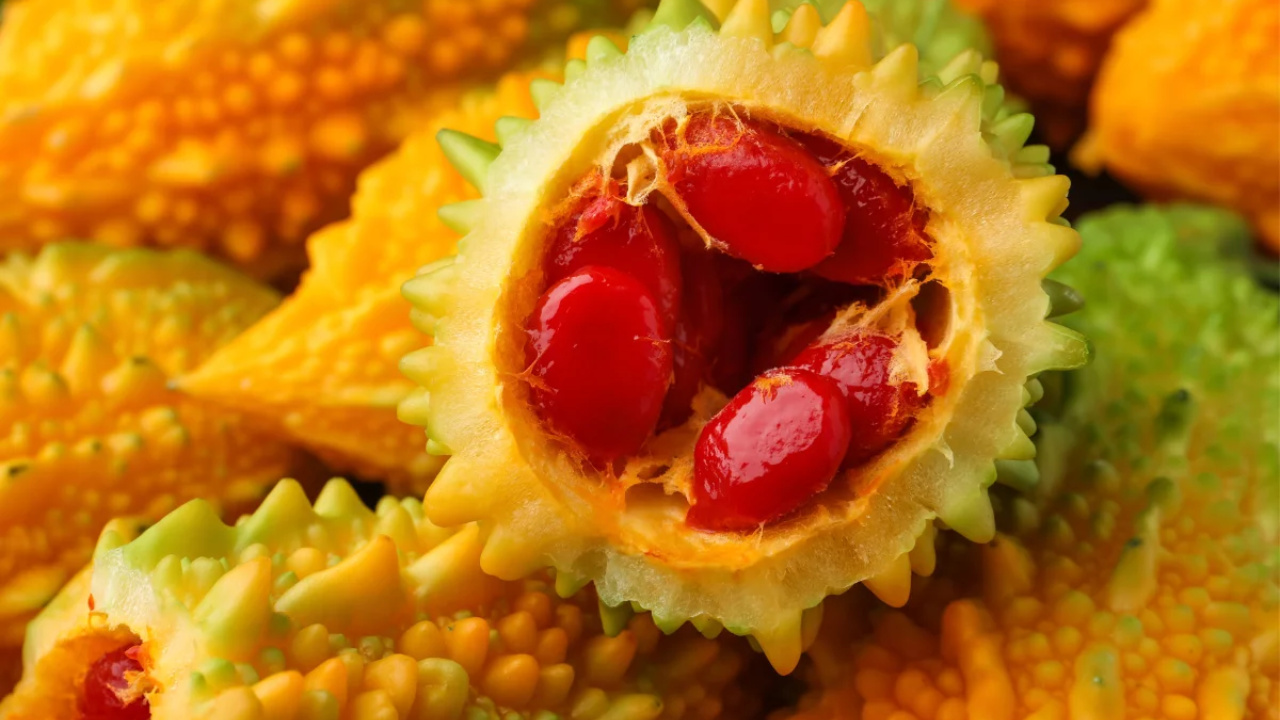
Known for Its Bitter Taste and Exotic Appearance, the Bitter Melon Intrigues with Its Medicinal Uses and Potential Risks. Discover How This Plant Can Be Both a Cure and a Danger.
With a skin full of bumps and a bitter taste, the Bitter Melon can be intimidating at first glance. However, this plant that appears toxic can actually be used as medicine.
Known by the scientific name Momordica charantia, the species is used in infusions, extracts, and even as an ingredient in Asian recipes. Today, it stands out in both natural medicine and the phytotherapy sector.
Potent, Bitter and Full of Possibilities
It’s not an exaggeration to say that the bitter taste of the Bitter Melon is its calling card.
-
Almost nobody imagines it, but farmers in Tunisia grow food in the sand and make the roots drink fresh water that floats on top of seawater in an agricultural system considered unique in the world.

-
More than 20,000 km² of wheat fields form nearly perfect lines and geometric shapes in Montana, creating an agricultural pattern so symmetrical that the landscape looks like an abstract artwork visible from space.

-
Bokashi, an Asian-origin fertilizer, is formed through the fermentation of husks, organic matter, and microorganisms, gaining traction in agriculture for strengthening beds and accelerating soil life.
-
Money with chickens: how much can 200 laying hens yield per month with eggs at R$ 12 per dozen?


This characteristic results from the presence of potent bioactive compounds, which function as the plant’s natural defense—yet in controlled doses, they can be used as medicine.
Among the identified compounds are charantin, vicine, and polypeptide-p, substances with antidiabetic, anti-inflammatory, and antibacterial actions.
Additionally, the plant provides good doses of vitamins A and C and important minerals.
Where Did the Bitter Melon Come From?
Originating from the tropical and subtropical regions of Asia, the Bitter Melon was domesticated in India and spread to other continents.
Its arrival in Brazil likely occurred during the colonial period, brought by Portuguese settlers or enslaved Africans.
In traditional medicine in India and China, its fruits, leaves, and roots have been used for centuries.
In Brazil, it began to grow spontaneously in backyards and vacant lots, often ignored or feared.
Rustic in the Field, Valued in the Industry
For farmers, this plant can represent a differentiator.
It grows easily, requires few inputs, and has good resistance to pests. It is ideal for those who invest in organic cultivation or agroecological systems.
With oblong fruits reaching up to 20 cm, covered with pointed reliefs, the Bitter Melon attracts attention.
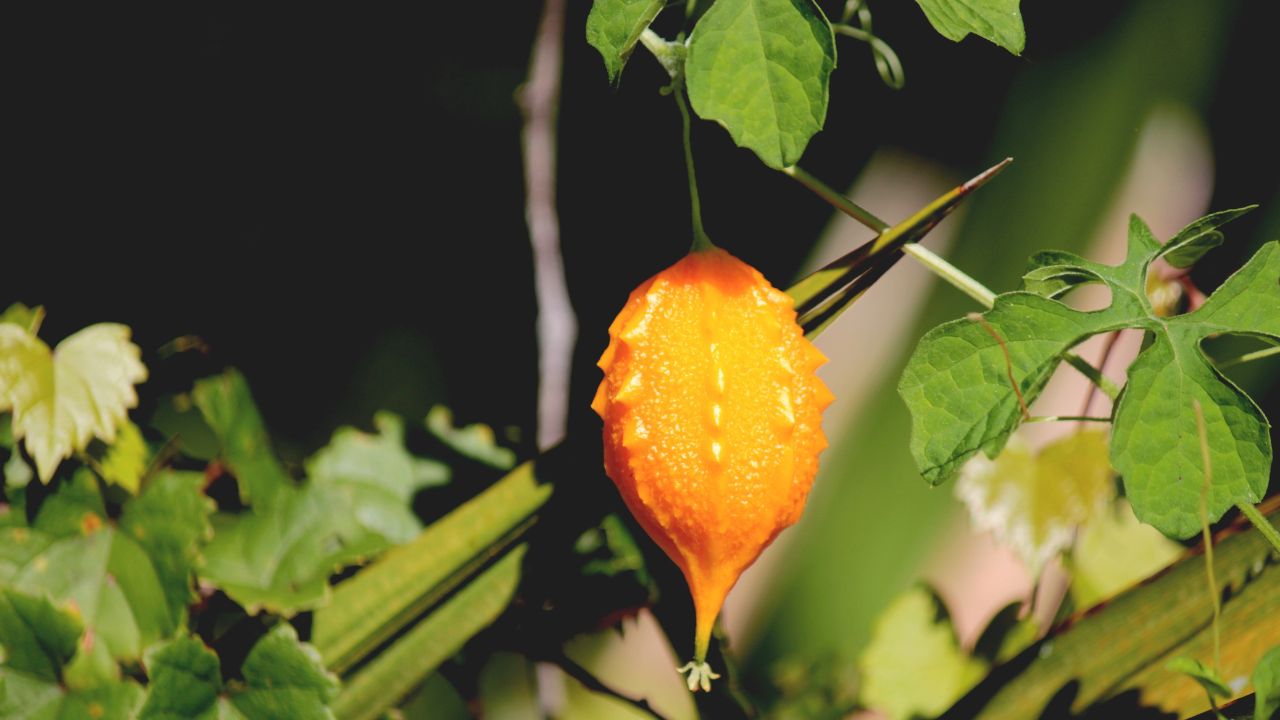
The climbing plant also produces unisexual yellow flowers and deeply lobed leaves.
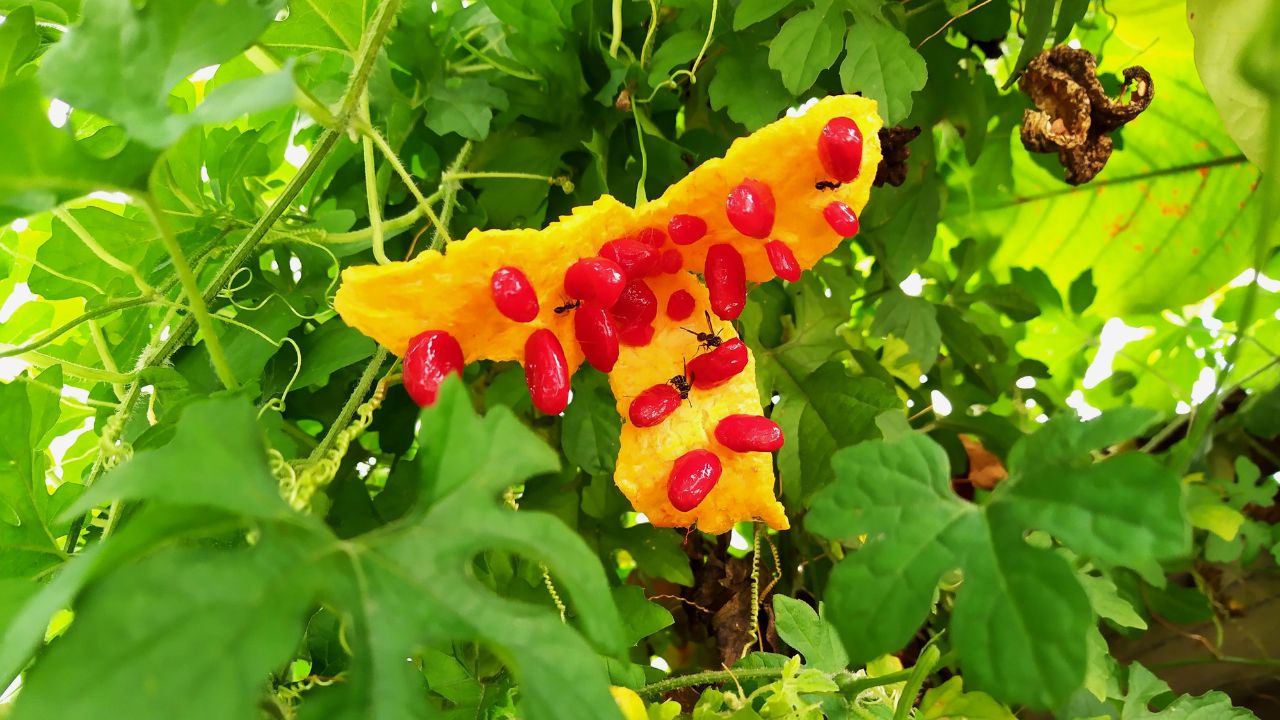
The harvest is selective: green fruits are used in cooking; ripe ones, which open revealing seeds surrounded by red pulp, are used for medication production or seed extraction.
The leaves, in turn, can be harvested frequently.
From Field to Shelf: New Ways of Marketing
The market potential for the Bitter Melon is varied. The fruits are sold fresh in Asian markets and restaurants.
The dried leaves are gaining ground among natural products and medicinal teas. The seeds are of interest to the cosmetic and phytotherapy industries.
Rural producers can add value with simple practices, such as drying leaves for infusion or producing extracts.
Partnerships with natural product brands are also a viable alternative.
Direct sales to consumers, at fairs or specialty stores, can be complemented by channels such as cooperatives and organic production networks.
Having a certification seal can raise the final price, highlighting the product in the functional food sector.
Use Responsibly: What to Avoid
Although it can be used as medicine, the use of the Bitter Melon requires caution. Some individuals should completely avoid it or use it only under medical guidance. These include:
- Pregnant and breastfeeding women, due to the risk of abortifacient effects;
- People with hypoglycemia or medicated diabetics, because of glucose-reducing action;
- Individuals with liver problems, due to interactions with liver metabolism.
The plant may also interfere with treatments involving anticoagulant medications or blood sugar control.
Therefore, before any therapeutic use, it is essential to consult a healthcare professional.
With information from Estadão.









-

Uma pessoa reagiu a isso.