





 Portuguese
  English
  Spanish
  3 min of reading
  0 comments



Italy Warns About the Risks of the European Plan That Prohibits Combustion Engines by 2035, Supporting Synthetic Fuels and Biomass Fuels as Viable Alternatives and Protection for Industrial Jobs
The Italian Prime Minister, Giorgia Meloni, has once again urged the European Union to review the climate target that aims to end combustion engines by 2035. In recent statements, she stated that “we cannot impose a transition that destroys our automotive industry” and insisted that the EU keeps the doors open to all low-carbon technologies, not just electric cars.
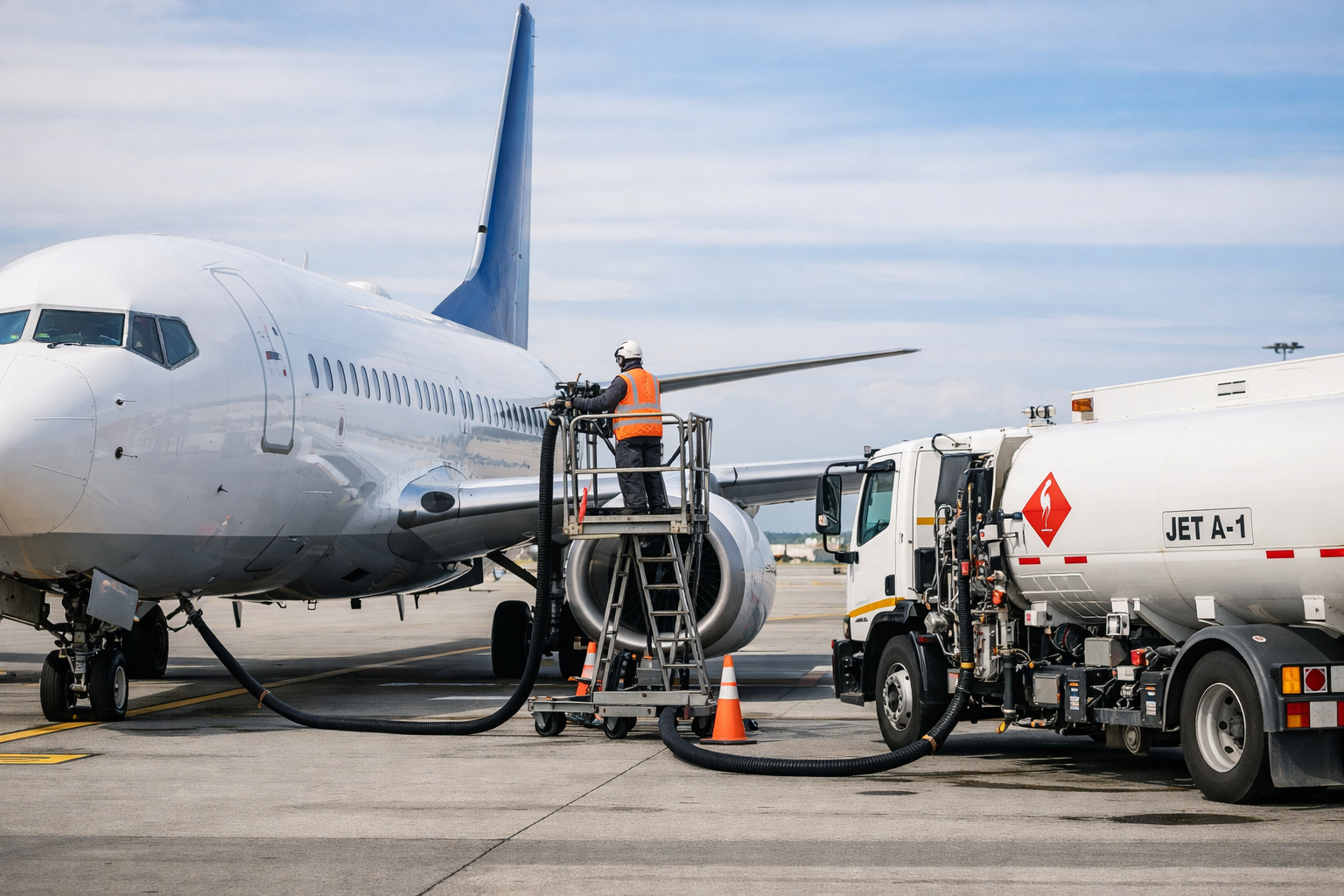
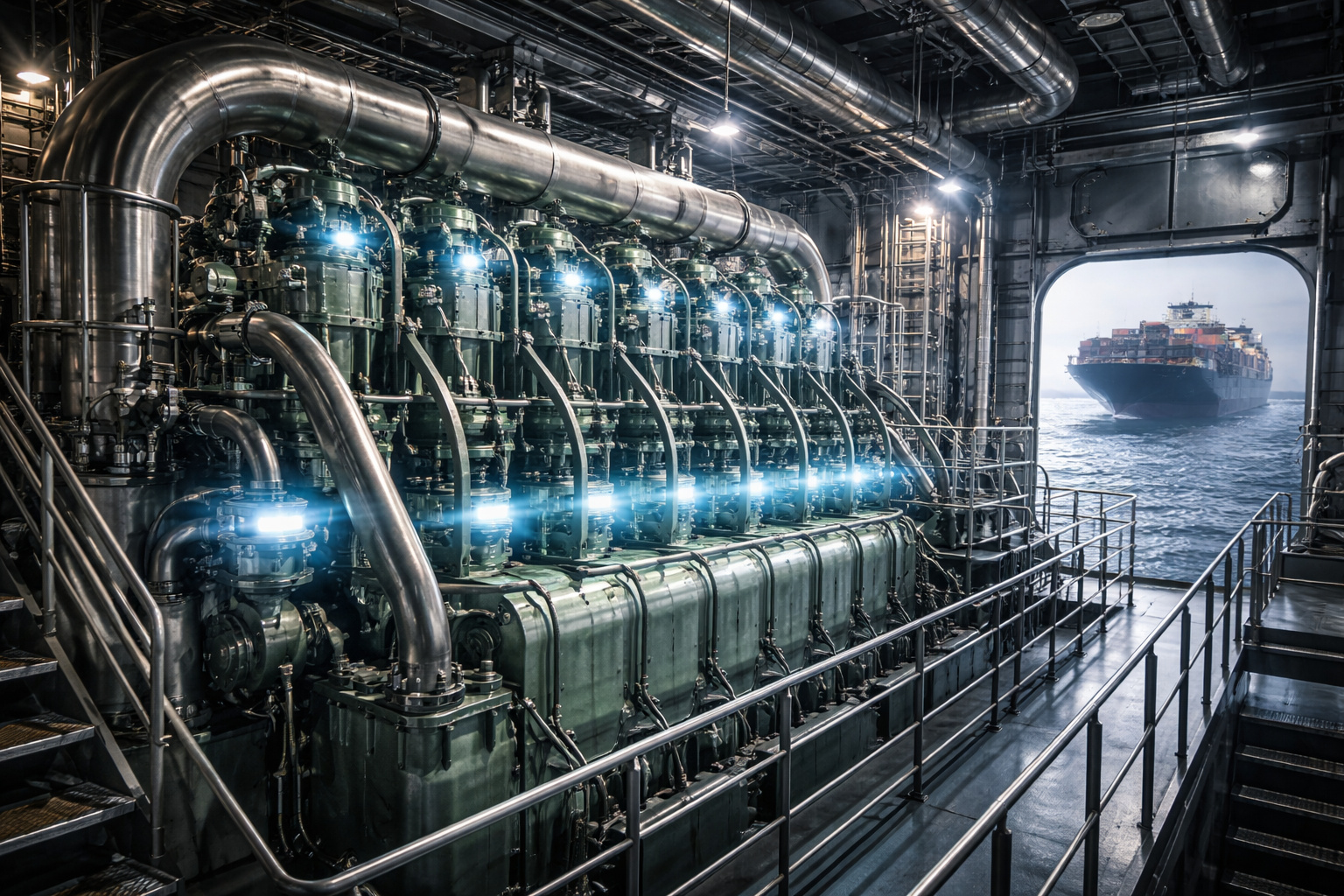
Meloni argued that the issue is not the decarbonization target itself, but the chosen approach. According to her, the industry needs a “clear yet realistic timeline,” and biomass fuels and synthetic fuels should be allowed after 2035.
For the Italian government, the regulation approved in 2023, which mandates zero emissions for new cars and vans, must be reviewed in the name of “technological neutrality.”
-
The Himalayas continue to grow to this day, with tectonic plates advancing 5 cm per year, mountains rising up to 10 mm annually, and the 2015 earthquake that killed 9,000 people may have increased the risk of an even larger seismic mega-event.

-
At an altitude of 400 km by astronauts from the International Space Station, Paris transforms at night into a golden mesh so precise that it reveals the outline of the Seine River, avenues, and entire neighborhoods like a luminous map drawn over the Earth.

-
iPhone 17 reaches historic low price with 256 GB, 120 Hz display, and drops to R$ 5,703 on Shopee, featuring A19 chip, dual 48 MP cameras, battery life of up to 30 hours, and advanced AI features.

-
Trip to Mars getting closer: Pulsar Fusion, from the UK, advances with plasma ignition in fusion engine and could drastically reduce space travel time, making crewed missions faster, safer, and economically viable.
This principle, according to Rome, would allow manufacturers and countries to choose the solutions most suitable for their production systems.
Urgent Interventions in the Automotive Sector
The Prime Minister also linked the climate debate to industrial competitiveness. As in previous meetings with Ursula von der Leyen, Meloni called for “urgent interventions in the automotive sector and reduction of electricity prices.”
She emphasized that high energy costs harm the competitiveness of European electric vehicles compared to those manufactured in China, which could accelerate the relocation of production and cause job losses in the supply chain for components.
Italy found partial support from countries like Germany and Slovakia, which advocate for an early review of the European plan by the end of 2025.
The goal would be to make the review not just technical but also political, allowing more time and recognition of renewable fuels.
This stance also seeks to prevent the transition from blocking the use of hybrid and plug-in hybrid vehicles, especially in segments where full electrification is still unfeasible.
Industry Warns About “Unachievable” Targets
Italy’s concern is shared by key leaders in the European automotive sector. ACEA and supplier associations warn that the demand for electric cars is growing below expectations, making current targets “no longer achievable” without adjustments.
Executives from major manufacturers reinforced this warning. Oliver Zipse from BMW called the 2035 deadline a “big mistake” if other forms of decarbonization are not recognized.
Ola Källenius from Mercedes-Benz warned that Europe “could end up hitting a wall” if it insists on the unaltered plan. Oliver Blume from the Volkswagen Group classified the targets as “unrealistic.”
Meloni summed up Italy’s position by stating that the country does not contest the decarbonization of transport but rejects the idea that the only possible path is electric by 2035. For her, this position should be clearly included in the review that the European Commission is preparing for the end of 2025.
Germany and Spain Take Different Paths
The German Chancellor Friedrich Merz also advocated for changes to the European plan. In recent statements, he asserted that “there will be no abrupt cut in 2035 if it depends on me” and reiterated support for technological neutrality, which would allow coexistence between combustion engines with low-carbon fuels, hybrids, and electric vehicles.
However, Germany has not yet consolidated an official position. Merz consulted key manufacturers, but the federal government is awaiting the Commission’s proposal before defining a common guideline. Within the coalition, there are divergences: the SPD prefers to relax deadlines and create exceptions rather than abandon the plan.
In Spain, President Pedro Sánchez has not commented on the issue this week. However, in documents sent to Brussels, the country—alongside France—has supported maintaining the date of 2035 as a reference.
Thus, Madrid positions itself among the governments that wish to uphold the original objective and avoid setbacks in climate policy, even without recent public statements from the Prime Minister.







-

Uma pessoa reagiu a isso.