





 Portuguese
  English
  Spanish
  2 min of reading
  0 comments


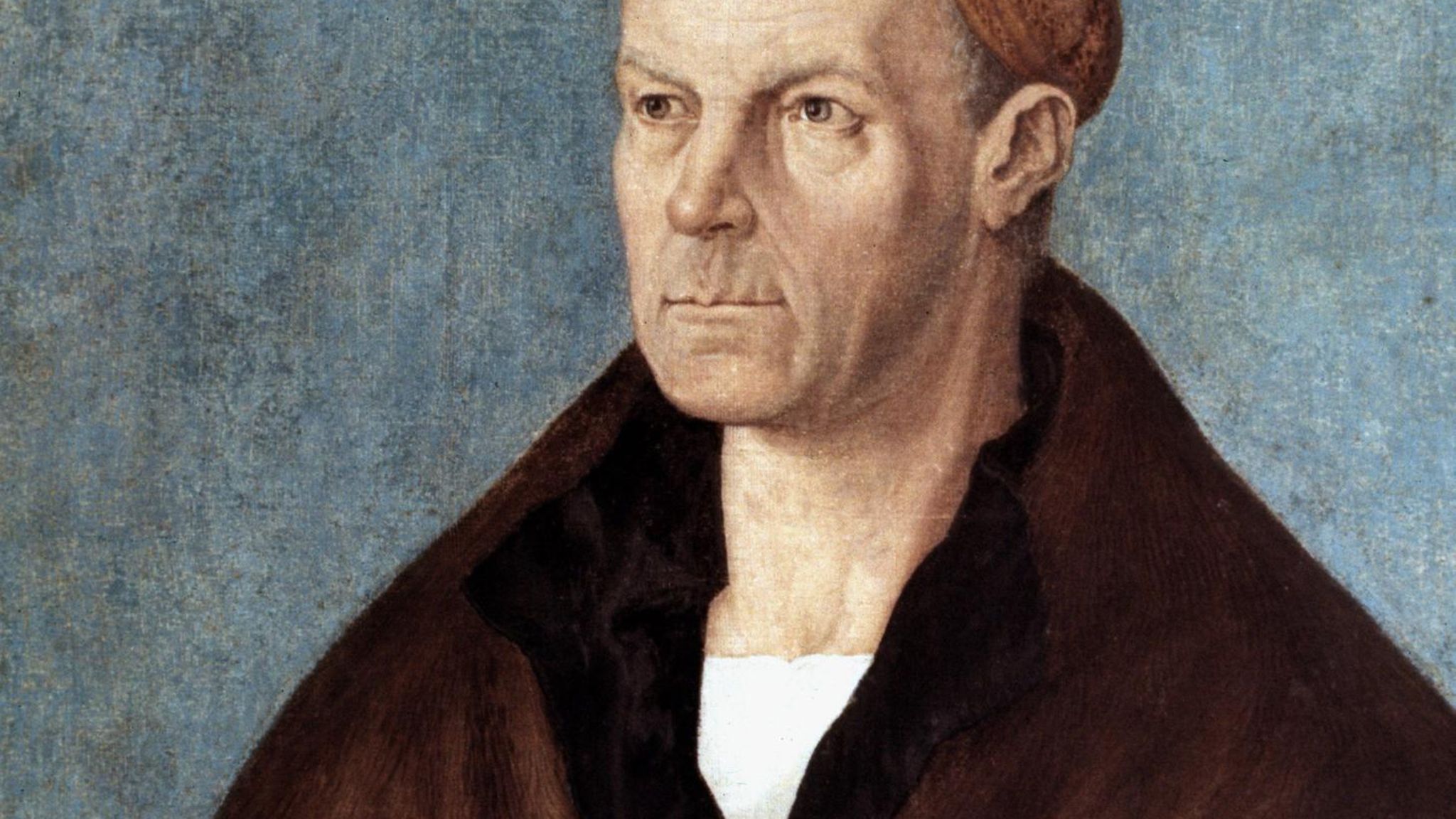
With An Estimated Fortune Of 10% Of European Wealth And Control Of 2% Of The Continent’s Economic Production, Jakob Fugger Financed Emperors, Kings, And The Vatican, Operating On An International Scale In A Period Without Central Banks, Stock Exchanges, Or A Structured Modern Financial System
Jakob Fugger, known as “The Rich,” amassed an estimated fortune of 10% of Europe’s wealth by the end of the Middle Ages, about US$ 400 billion today, financed monarchs and institutions, and influenced political decisions on a continent without a modern financial system.
Dimension Of The Fortune And Historical Metrics
According to journalist and biographer Greg Steinmetz, Fugger controlled approximately 10% of the total wealth of Europe. In today’s values, this would correspond to around US$ 400 billion, surpassing any billionaire alive today.
Another metric cited by Steinmetz indicates that, by the time of his death in 1525, Fugger concentrated about 2% of all European economic production. This level placed him far ahead of modern magnates, considering the economic scale of the period.
-
House without a door and without a window: a resident lives high in the mountains, says he enjoys the “free life,” mentions that the cat comes and goes hunting bats and rats, and that when it rains he wakes up with wet feet.

-
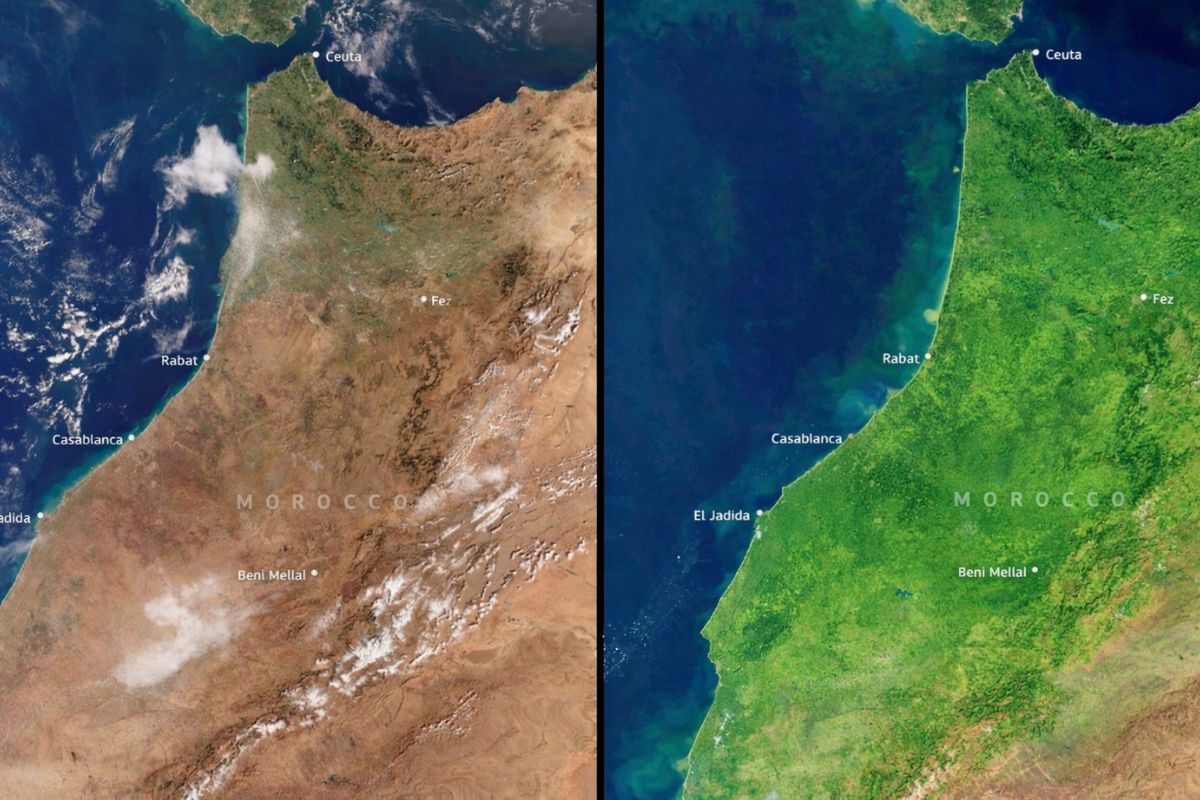
Satellite images show that Morocco became so green in 2026 that the country looks different from space: two months of heavy rains transformed arid land into dense vegetation for the first time in a decade.
-
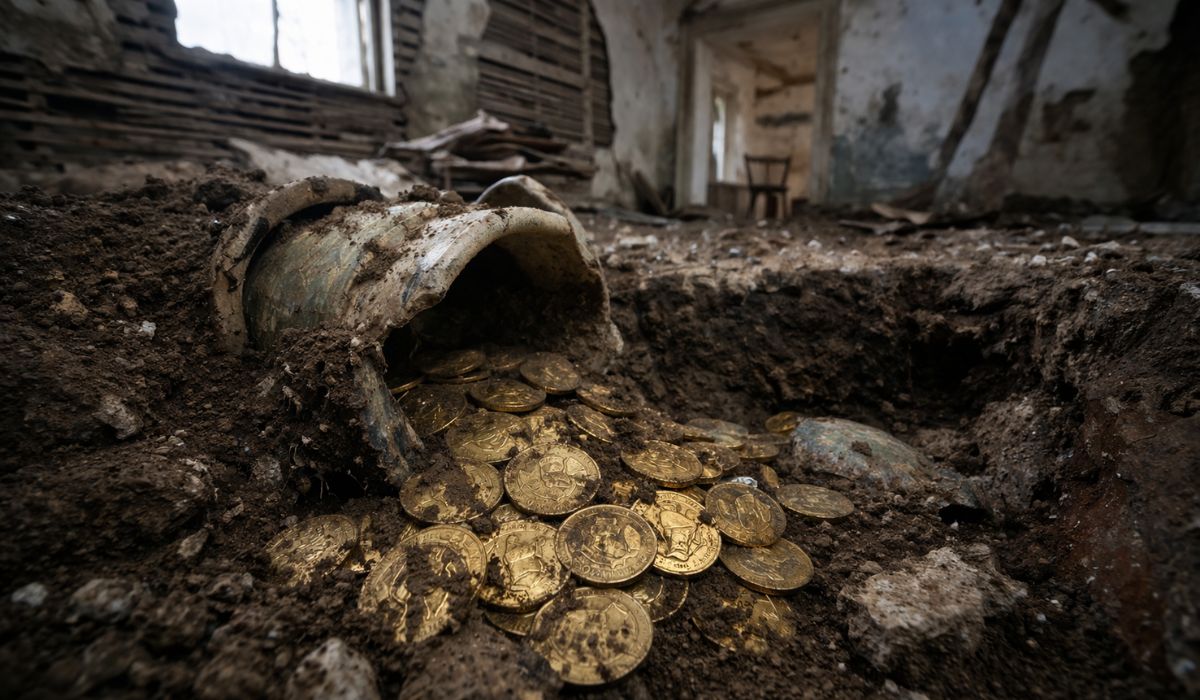
Archaeologists were excavating the foundation of a historic house in Russia when they discovered a buried treasure with gold coins, left behind in the final days of the Russian Empire and now valued at over R$ 2.8 million.
-
The Mediterranean has become the target of the largest underwater archaeological mission ever coordinated by UNESCO: eight countries have joined forces to map shipwrecks and protect a historic corridor.


Performance In An Incipient Financial System
Born in Augsburg, Fugger operated in a politically fragmented Europe, without central banks, organized exchanges, or a structured financial system. Nevertheless, he projected businesses on an international scale and helped, in some ways, to shape practices that preceded modern capitalism.
His empire encompassed copper and other metal mining, large-scale trade, and credit operations. The diversification of activities was central to sustaining his economic power over decades.
Financing Political And Religious Power
Fugger financed figures such as Maximilian I, Charles V, and Henry VIII, as well as the Vatican itself, providing resources for wars, coronations, and major political decisions. These operations expanded his direct influence over the course of Europe.
Despite this, Fugger maintained a discreet profile, avoiding public offices, the spotlight, and the patronage of great artists, unlike families such as the Medici or Borgia.
Lasting Financial And Social Legacy
In an interview with BBC Mundo, Steinmetz stated that Fugger was “without a doubt the most powerful banker of all time.” Among his legacies are principles of asset diversification, recommending dividing wealth among stocks, real estate, bonds, and gold.
In 1521, he created the Fuggerei, considered the oldest social housing complex still in operation in the world, maintained by foundations from his descendants to this day, a rare achievement for the time.







-

-

-

-

-

8 pessoas reagiram a isso.