





 Portuguese
  English
  Spanish
  5 min of reading
  0 comments


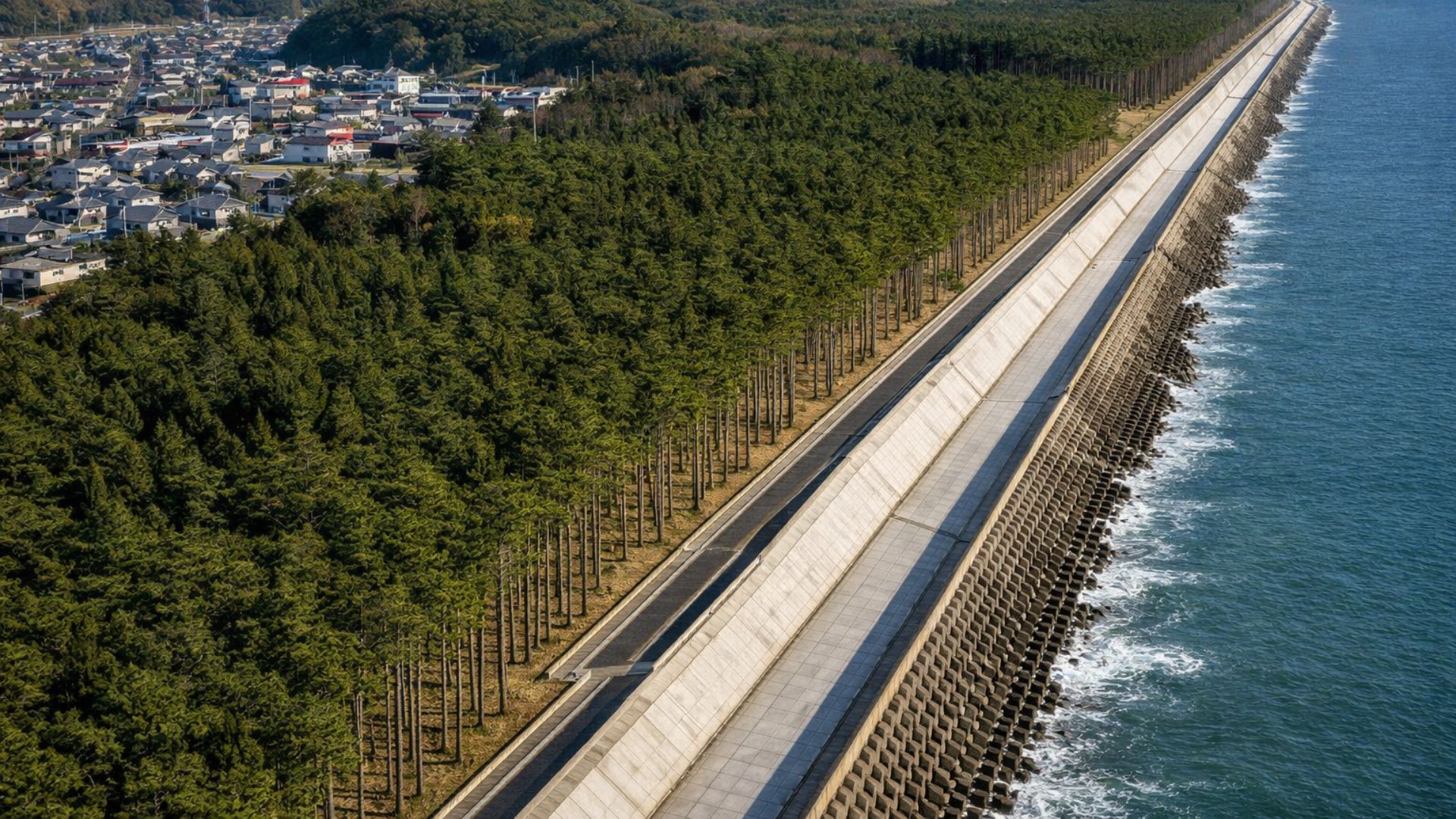
Japan Builds Colossal 400 Km Wall Investing US$ 12 Billion in Concrete, 25-Meter Foundations, Giant Tetrapods, and Technology to Gain Vital Minutes Against the Sea
Billion-Dollar Coastal Defense System Redesigned the Japanese Coastline After the 2011 Tragedy, When Waves Surpassed Existing Barriers, Destroyed Entire Cities, and Exposed the Limits of Traditional Engineering, Leading the Country to Invest in Higher Walls, Deeper Foundations, and Structures Capable of Delaying Flooding.
Japan has expanded, over the past decade, one of the largest coastal defense systems ever implemented in the world after the earthquake and tsunami of March 11, 2011, which devastated cities in the northeast of the country.
The strategy combined the reconstruction and reinforcement of concrete levees and sea walls, along with other associated works, with the main goal of delaying water entry and extending evacuation time in areas exposed to the ocean.
The initiative gained national scale because the structures existing before 2011, at various points, did not withstand the waves.
-
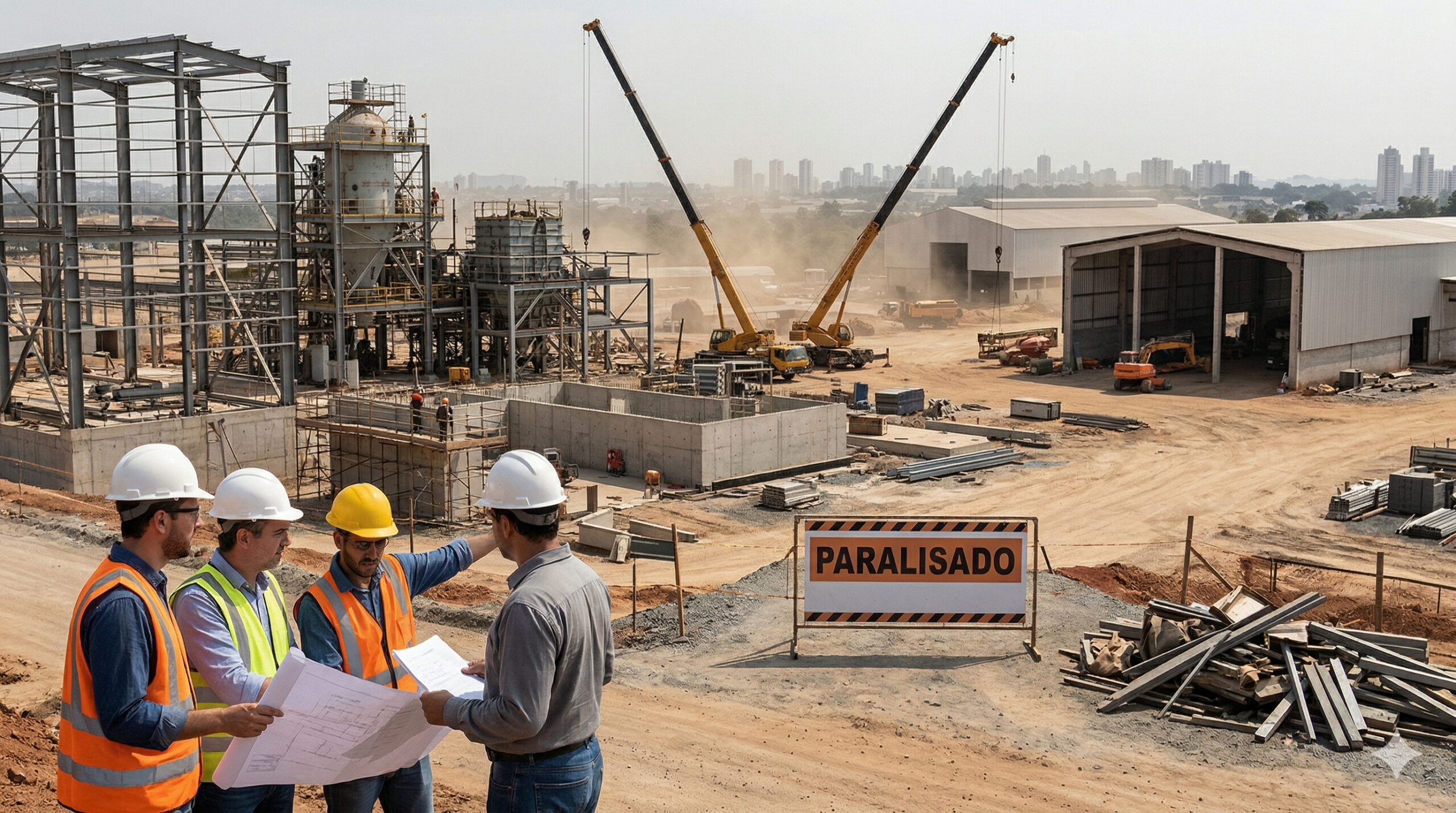
The lack of welders, electricians, and operators becomes a structural threat in 2025, with the construction industry and manufacturing already suffering from delays, cost pressures, and labor shortages in Brazil.
-
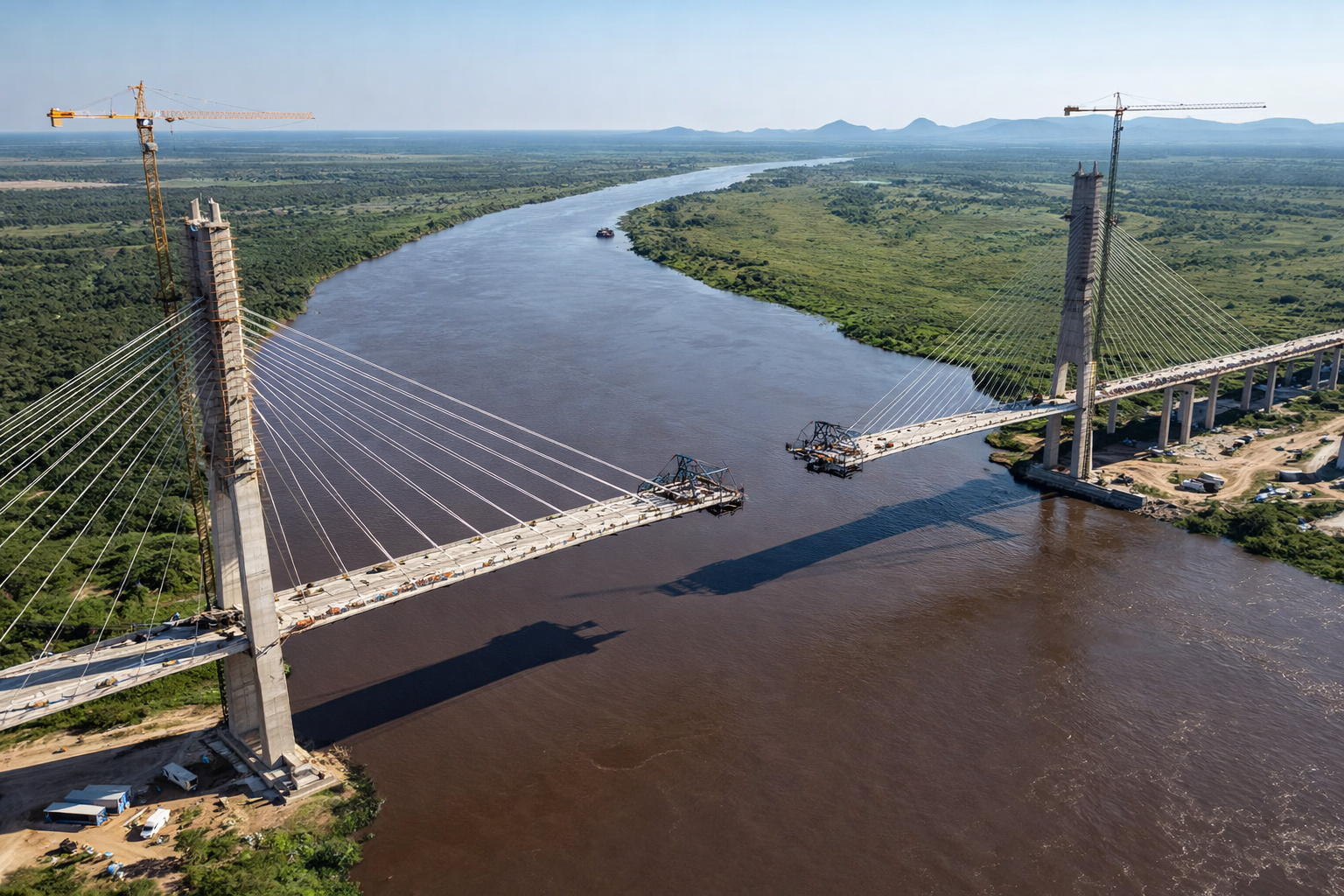
Brazil and Paraguay are just 46 meters away from a historic union on the bioceanic bridge that promises to revolutionize trade between the Atlantic and the Pacific.
-
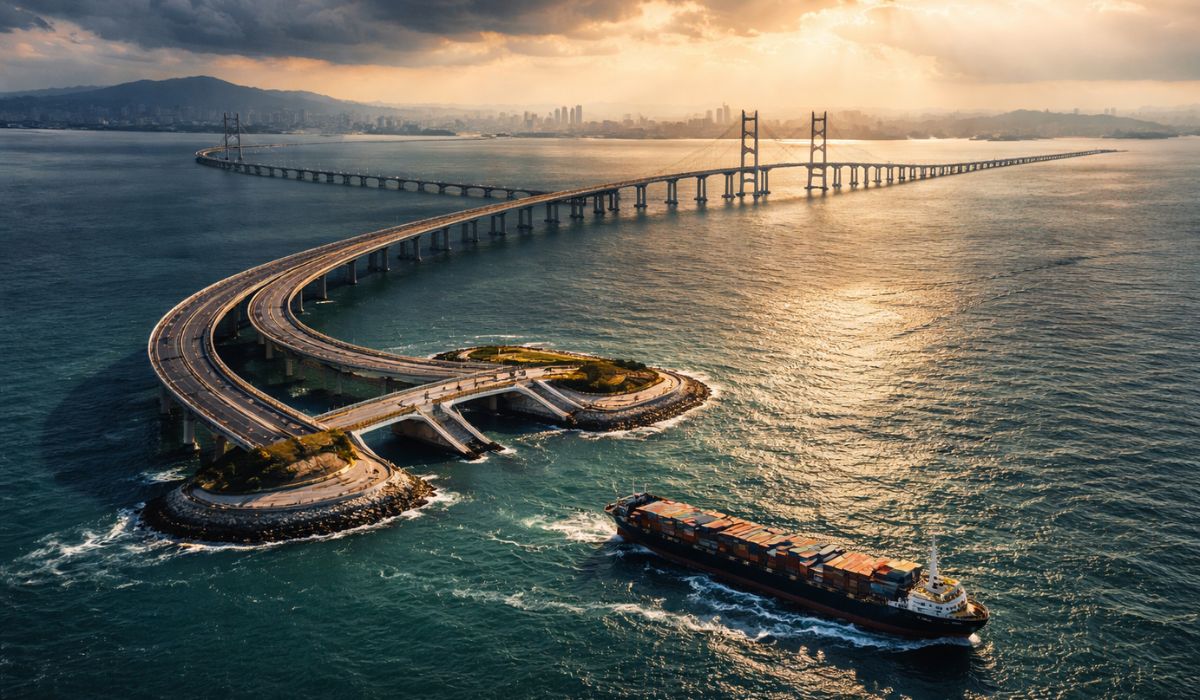
With 55 km over the sea, a cost of US$ 20 billion, and enough steel to build 60 Eiffel Towers, China’s largest project has connected Hong Kong, Zhuhai, and Macau in a colossal bridge that defies the logic of engineering.
-
A trick with joint compound transforms a Styrofoam ceiling into a plaster-like ceiling: leveled panels, wires and mesh at the joints, sand, paint, and change the environment while spending little today.

In several stretches, barriers of about 7 to 8 meters high were overcome, and water rapidly advanced inland, dragging debris and destroying entire neighborhoods.
As a result, Japanese coastal engineering began to treat “protection” not as a promise of absolute blockage, but as a set of measures to reduce energy, control flow, and create crucial minutes for escape.
2011 Tsunami Exposed the Limits of Existing Coastal Defenses
On the afternoon of March 11, 2011, a magnitude 9.0 earthquake shook Japan and displaced the seabed, forming waves that struck the coast with extreme force.
In many localities, flooding occurred within minutes, and most deaths were caused by the tsunami, not by the quake itself.
The final numbers vary depending on the criteria used by the authorities.
Official Japanese records consolidated around 18,500 people among confirmed dead and missing, while some estimates round the total to nearly 20,000 victims.

The difference exists because some people were never located, and official balances tend to separate confirmed deaths from unresolved disappearances.
Meanwhile, the extent of the impact made evident a structural fragility.
Walls and breakwaters designed for smaller events were insufficient when the volume of water exceeded the expected height, invading ports, crossing avenues, and turning debris into projectiles.
Why Concrete Walls Do Not Prevent Tsunamis
The image of a concrete wall suggests a definitive solution, but the technical debate in Japan follows a different logic.
Even taller structures can be surpassed by exceptional waves, and no wall completely eliminates the risk of flooding.
Still, there is a practical effect considered central by authorities and researchers.
Coastal barriers can delay the advance of water, even when they cannot contain it entirely.
According to researchers in the field, when the tsunami is larger than the wall, the structure tends to delay flooding and ensure more time for evacuation.
This notion shifts the project’s objective.
The focus changes from “holding back the sea” to gaining time to save lives.
On the other hand, the performance of these defenses depends on variables outside the direct control of engineering.

Actual wave heights, shoreline shapes, sea depth, the presence of rivers, and the amount of debris transported directly influence the outcome.
Almost 400 Km of Walls and Billions in Investments
After 2011, Japan started a broad coastal reconstruction program in the northeast of the country.
The project included long stretches of concrete walls and levees distributed along the most vulnerable coastline.
The total length is often described as around 400 kilometers, although consolidated surveys indicate approximately 395 to 396 kilometers of new structures.
The cost also appears rounded, which is common in projects executed over several years.
International reports indicate that the walls totaled 1.35 trillion yen, an amount equivalent to about US$ 12.7 billion at the exchange rate of that period.
This figure helps to gauge the size of the effort and explains why the topic provokes debates about cost, landscape, and public priorities.
At the same time, engineering sought to reinforce the stability of these structures.
In some sections, deep foundations were adopted, anchored tens of meters deep, to reduce the risk of failure due to erosion, scouring, and pressure from maritime flow.
The height of the walls varies by section, with areas considered more vulnerable receiving taller barriers than those existing before 2011.
How the Engineering of the New Japanese Wall Works
The system is not formed by a continuous and uniform wall along the entire coast.
It is composed of segments adapted to the characteristics of each bay, port, and community.
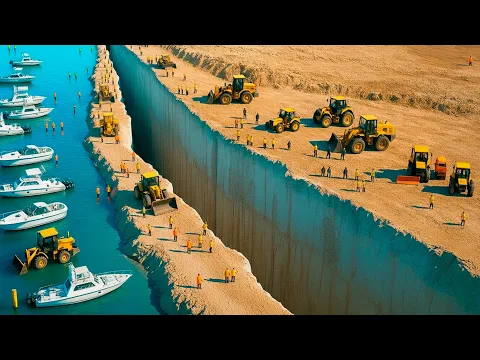

In addition to the main walls, the project includes complementary works designed to dissipate wave energy.
In many parts of the Japanese coastline, interlocking concrete structures, such as tetrapods, have already become part of the repertoire for protection against marine erosion.
These blocks help to break the strength of the waves before they directly hit the wall.
They do not replace the main wall but function as an additional line of cushioning, depending on the design used in each section.
In practice, the goal is to reduce water speed and the intensity of the initial impact.
If the sea’s entry takes a few more minutes, alert systems, sirens, and evacuation routes gain effectiveness.
When flooding occurs almost immediately, the chances of escape drop dramatically, especially for the elderly and people with reduced mobility.
Coastal Defense and Evacuation Go Hand in Hand
The experience of 2011 reinforced in Japan the idea that physical works do not function in isolation.
Coastal defense and evacuation need to operate in an integrated manner to reduce the number of victims.
Even a tall wall does not solve the problem if the population does not have quick access to safe routes, elevated areas, adequate signage, and training.
In some cities, in addition to the interventions on the coast, there were significant urban changes.
Housing was relocated to higher areas, and entire neighborhoods underwent reconfiguration.
As a result, the wall became part of a broader risk management package.
The central objective shifted from the promise of invulnerability to diminishing damage and preserving lives.
Throughout this process, local criticisms emerged regarding visual impact and the loss of sea views.
Fishing communities also raised concerns about their everyday relationship with the coast.
The topic remains under debate in Japan as it involves long-term decisions about safety, urban planning, and lifestyle.
If the main function of these structures is to gain time for evacuation, how can we accurately calculate how many minutes each city truly gains when a new tsunami hits the coastline?






-

2 pessoas reagiram a isso.