





 Portuguese
  English
  Spanish
  5 min of reading
  0 comments


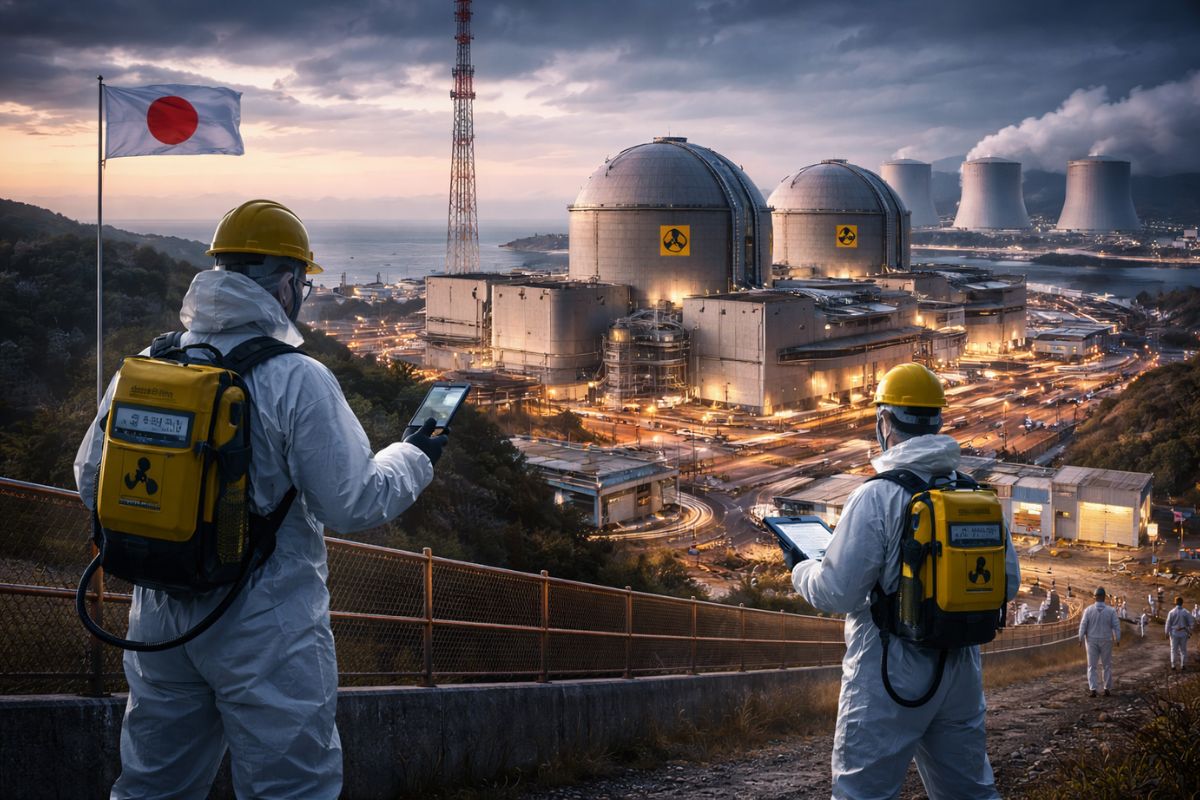
Decision To Restart The Largest Nuclear Power Plant In The World In Kashiwazaki Kariwa, Approved By The Niigata Assembly In December 2025, Exposes Conflict Between Energy Need For Artificial Intelligence Data Centers, Climate Goals And Residents Still Marked By Fukushima Trauma And Fearing Another Local Nuclear Disaster
Japan took the final political step to reconnect the largest nuclear power plant in the world, Kashiwazaki Kariwa, about 220 kilometers northwest of Tokyo. The Niigata prefectural assembly approved a vote of confidence in Governor Hideyo Hanazumi, who had already declared himself in favor of the restart, paving the way for the plant’s return nearly fifteen years after the earthquake and tsunami in 2011 that devastated Fukushima Daiichi and triggered the worst nuclear accident since Chernobyl.
The resumption of Kashiwazaki Kariwa, the main nuclear asset of Tokyo Electric Power Company (TEPCO), takes place in a context where the Japanese government seeks to strengthen energy security, reduce the dependence on imported fossil fuels, and ensure extra electricity for the expansion of artificial intelligence data centers, all while part of the population of Niigata and former evacuees from Fukushima continue to denounce that the country is normalizing unresolved risks surrounding the largest nuclear power plant in the world.
From The Shutdown In 2011 To The Resumption In 2025

Kashiwazaki Kariwa is part of the group of 54 reactors shut down after the Fukushima disaster in 2011, when Japan opted to suspend almost all nuclear generation for safety review.
-
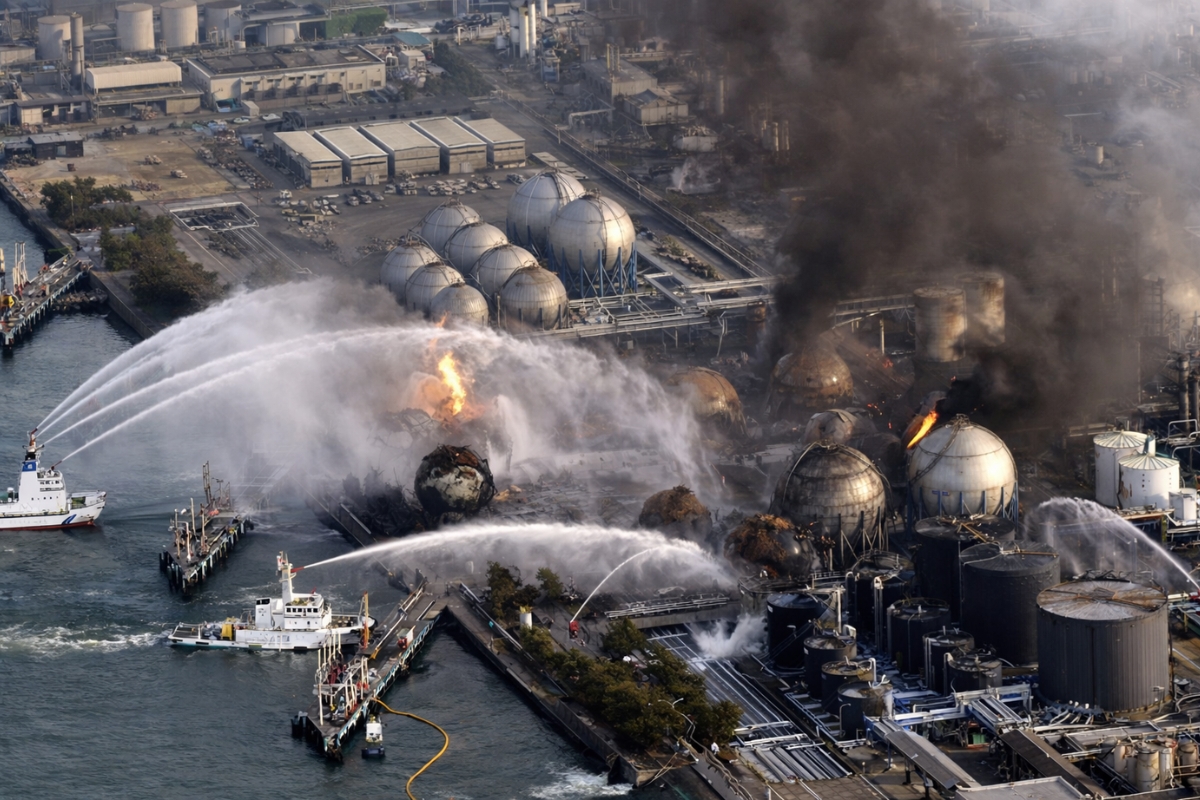
Fukushima Marks A Turning Point In Japan’s Energy Policy: After The Disaster, The Country Shut Down Its 54 Nuclear Reactors And, 15 Years Later, Only A Small Portion Have Returned To Operation
-
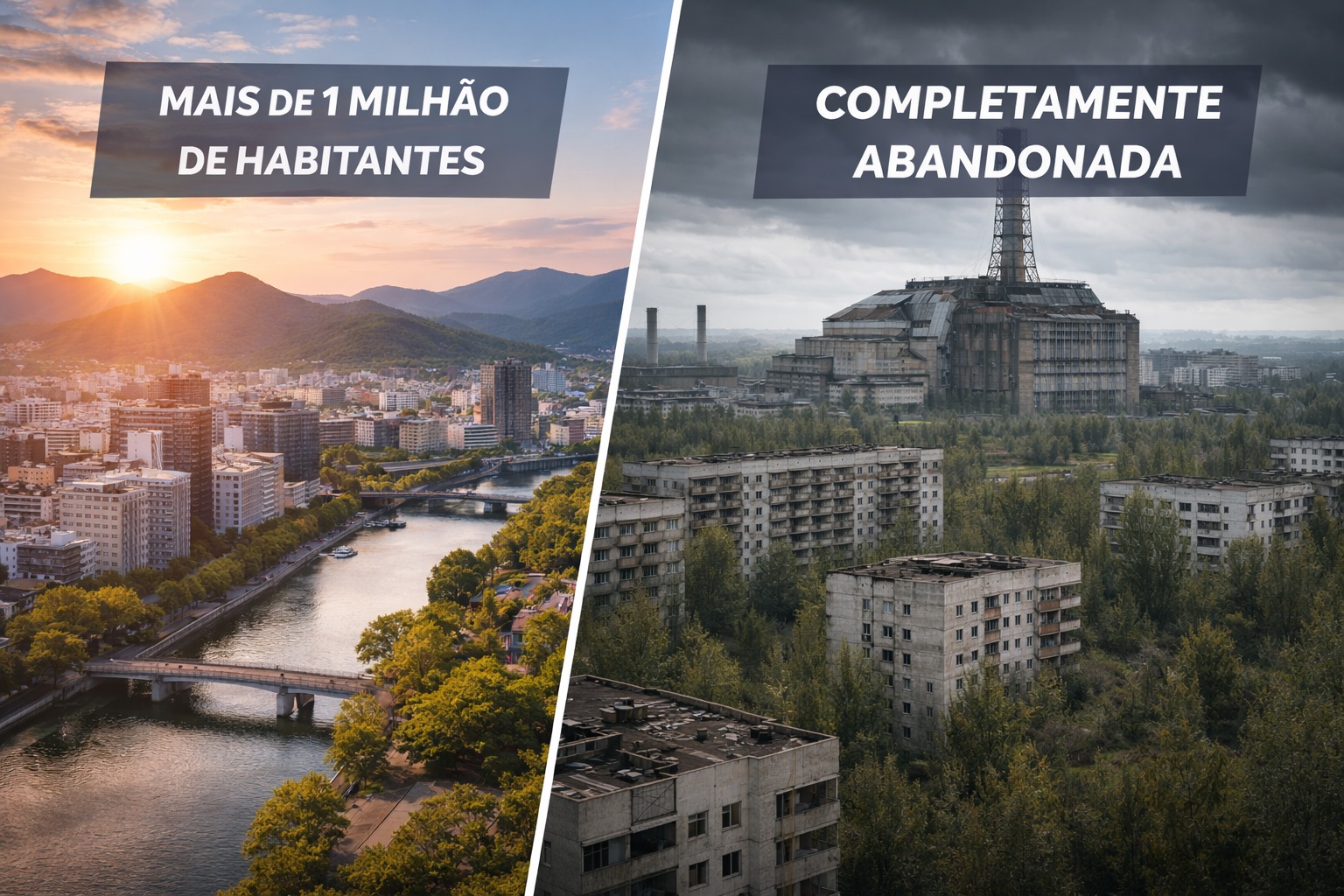
How Japan Overcame The Nuclear Bomb And Now Houses Millions In Hiroshima, While Ukraine Lost Chernobyl?
-
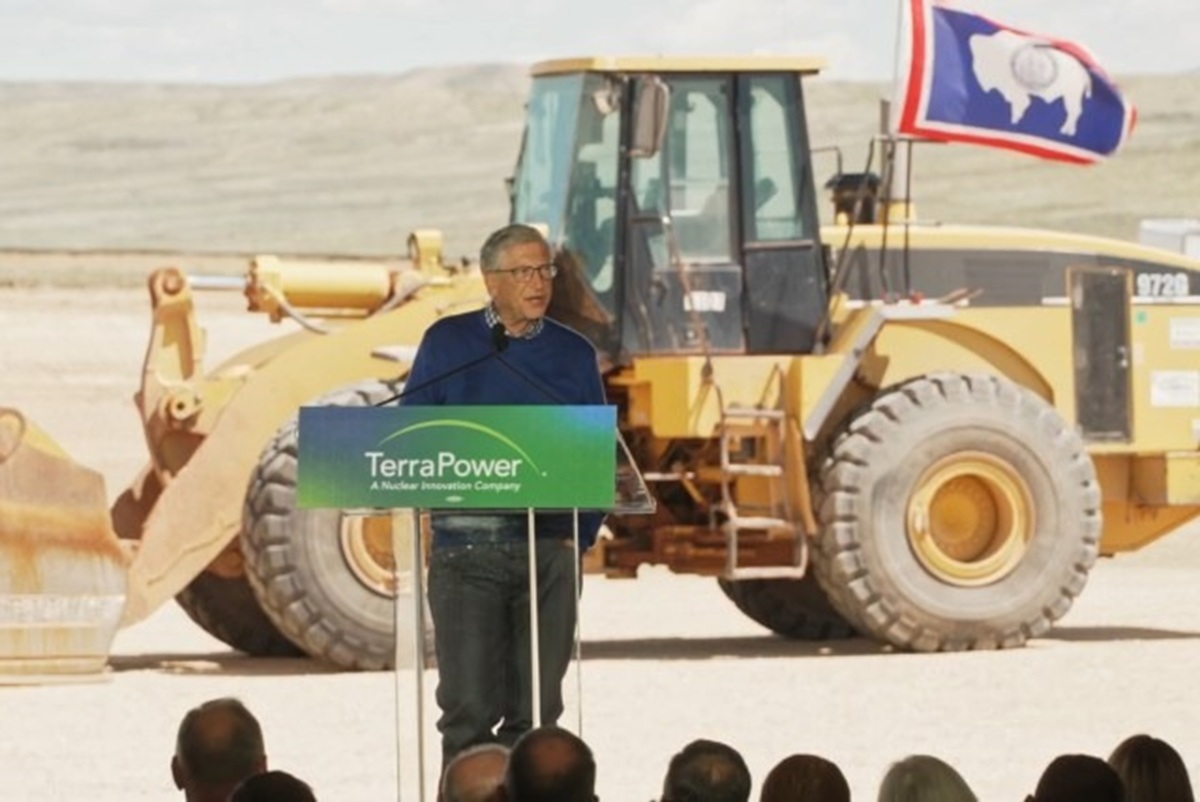
Bill Gates Receives Historic Approval to Build Giant 345 MW Nuclear Plant in the U.S. and Promises to Generate Up to 500 MW of Energy with Innovative Technology
-
India Opens Nuclear Energy to Private Capital to Accelerate Projects and Attract Billions, While Brazil Remains Stalled at Angra 3 and Discusses Who Will Foot the Bill for Completion
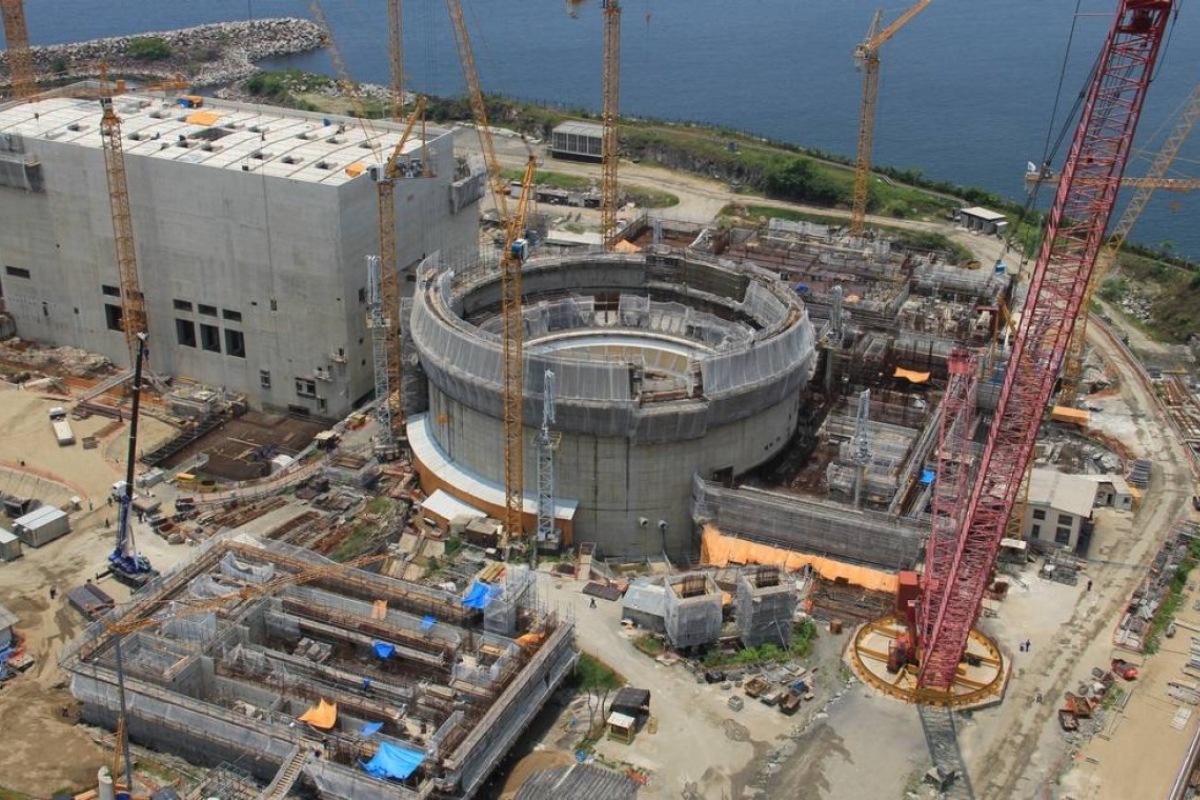
Since then, only 14 of the 33 operational plants have been restarted under new regulations, and the largest nuclear power plant in the world remained shut down while TEPCO tried to regain credibility.
The vote in Niigata was treated as the last political obstacle before the restart of the first of the seven reactors in the complex.
TEPCO is studying to reactivate the first unit starting January 20, in an operation that, alone, could increase electricity supply to the Tokyo region by about 2 percent, according to estimates from the Japanese Ministry of Commerce.
For the central government, Kashiwazaki Kariwa is a key piece to reopen the nuclear agenda at a national scale.
Protests In Niigata And Memory Of Fukushima
Outside the assembly, about 300 protesters, mostly elderly, gathered with signs against the restart, in temperatures close to 6 degrees Celsius.
The banners called for “support for Fukushima” and rejection of the plant’s reactivation.
As a symbolic act, the group sang “Furusato,” a traditional song about connection to one’s homeland, turning the session into a clash between local safety and the resumption of the largest nuclear power plant in the world.
Among the critics is Ayako Oga, now 52, a farmer and anti-nuclear activist who moved to Niigata after fleeing the 20-kilometer exclusion zone around Fukushima in 2011, along with part of the 160,000 evacuees.
She claims to still suffer from symptoms similar to post-traumatic stress and considers the return of Kashiwazaki Kariwa a “new risk at her doorstep.”
For residents like Oga, the country cannot forget the real impact of a nuclear accident by restarting the largest nuclear power plant in the world in a coastal region prone to earthquakes.
TEPCO Tries To Rehabilitate Itself With Billion-Dollar Investments
TEPCO, operator of both Fukushima Daiichi and Kashiwazaki Kariwa, has been trying to rebuild its image since 2011.
In 2025, the company promised to invest 100 billion yen over ten years in Niigata prefecture, in a package that includes local projects and indirect compensation, in an attempt to demonstrate commitment to safety and development around the largest nuclear power plant in the world.
Despite the financial offensive, a survey released by the prefecture in October shows that about 60 percent of residents do not believe that the conditions for restart are fully met, and nearly 70 percent say they are concerned about TEPCO managing the complex.
The contrast between investment promises and persistent distrust indicates that the relationship between the operator and the community continues to be marked by fissures opened by the Fukushima disaster.
Energy Strategy, Decarbonization And Pressure From AI Data Centers
The return of Kashiwazaki Kariwa fits into a broader strategy of Prime Minister Sanae Takaichi, who took office two months before the vote and advocates for the reactivation of reactors as a way to reduce the fossil fuel bill.
In 2024, Japan allocated about 10.7 trillion yen for the import of liquefied natural gas and coal, equivalent to one-tenth of the country’s total import spending, in a scenario where 60 to 70 percent of electricity generation still depends on these sources.
At the same time, the government projects an increase in energy demand over the next decade, despite population shrinkage, due to the accelerated expansion of high-energy-consuming artificial intelligence data centers.
The official goal is to double the share of nuclear energy in the matrix to around 20 percent by 2040, and the full operation of the largest nuclear power plant in the world is treated as a technical and political milestone to achieve this objective.
Public Acceptance, New Projects And Expert Alert
Analysts like Joshua Ngu from the consultancy Wood Mackenzie consider the acceptance of Kashiwazaki Kariwa by public opinion a “crucial milestone” for the nuclear resumption plan.
In parallel, Kansai Electric Power started studies for a new reactor in the west of the country, the first entirely new project since 2011, signaling that discussions about Japan’s nuclear future are not limited to the largest nuclear power plant in the world.
Still, the governor Hanazumi, who supported the restart, says he desires “an era in which Japan does not have to depend on energy sources that generate anxiety,” a phrase that highlights the central paradox of current policy:
Using nuclear energy as a bridge to decarbonize the matrix and fuel the digital economy, while part of the population continues to see the largest nuclear power plant in the world as a permanent reminder of the risks of a new disaster.
Given this history of Fukushima, the protests in Niigata, and the pressure for more electricity for artificial intelligence data centers, do you think Japan is right to restart the largest nuclear power plant in the world or does it assume an unnecessary risk in the name of energy and economic growth?






Seja o primeiro a reagir!