





 Portuguese
  English
  Spanish
  4 min of reading
  0 comments


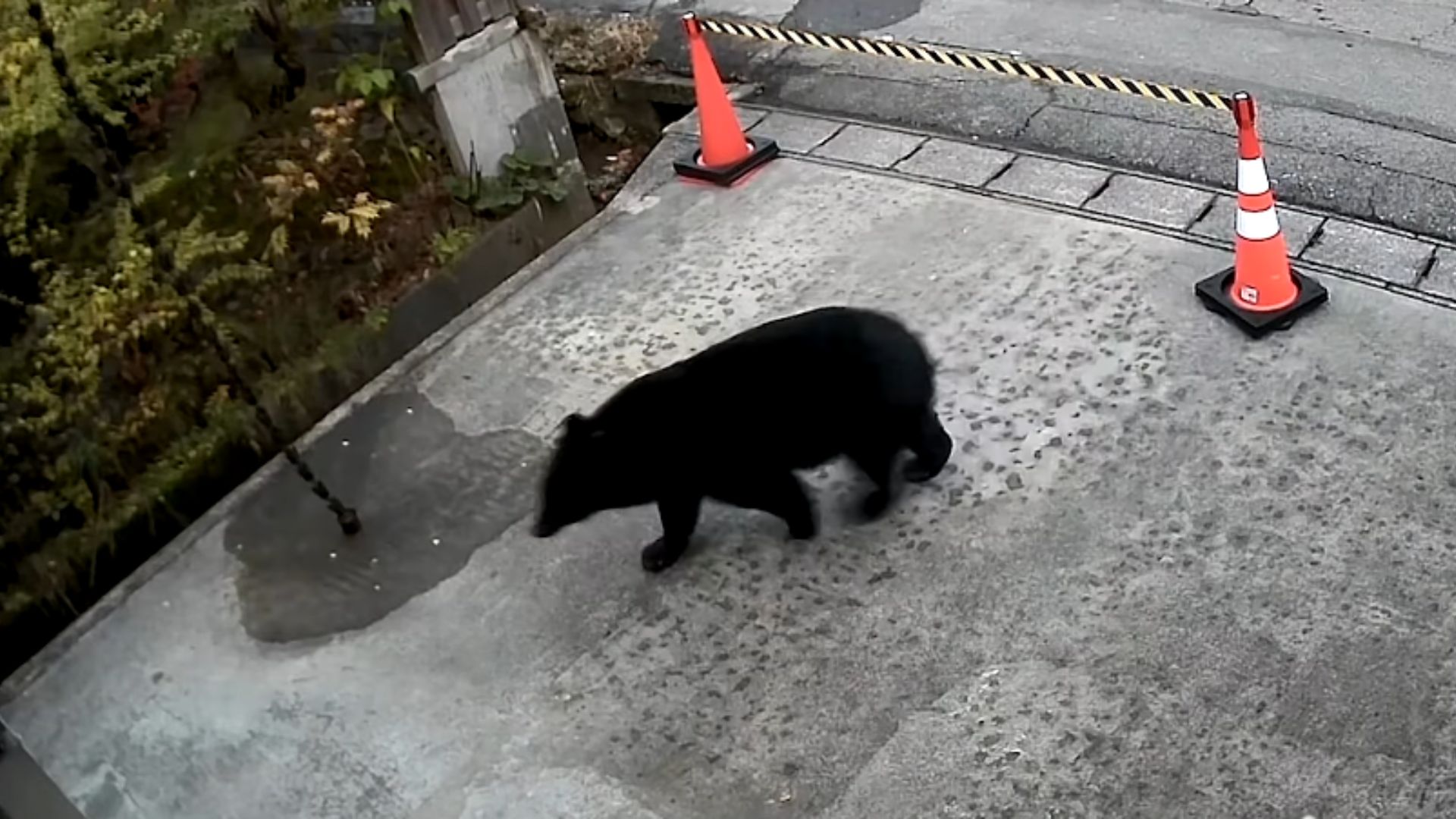
Japanese Authorities Turn To Innovation To Address Record Growth Of Dangerous Encounters Between Humans And Bears, Combining Public Safety, Remote Control And Non-Lethal Methods In Increasingly Vulnerable Urban Areas
Japan is facing an unprecedented risk scenario in urban areas. In recent years, the country has registered a 163% increase in bear encounters and attacks since 2021, culminating in a record number of fatalities last year, according to official data. In light of the escalating problem, authorities have decided to abandon conventional approaches and invest in a technological solution that promises to change the way wildlife is managed in inhabited regions.
The information was released by the website Vika Rosa, which detailed how the advance of animals into Japanese cities has come to represent a real threat to the population. Unlike the past, when the use of direct force was the main response, the new scenario demands creativity, precision, and, above all, a safe distance between humans and animals.
The decision marks a paradigm shift. Instead of direct confrontation, Japan is betting on aerial technology, remote control, and non-lethal methods to reduce risks, preserve human lives, and respect wildlife.
-
With a cost per shot close to zero, the DragonFire laser could change naval warfare in 2027 and provide British ships with nearly unlimited defense against drones.

-
A British startup creates tires that generate electricity in electric vehicles when passing over potholes, speed bumps, and cracks.

-
Scientists have created robots made with living cells that have their own nervous system, swim on their own, explore the environment, and self-organize without any genetic engineering, and now they want to do the same with human cells.

-
Students create a solar-powered ambulance that operates without a plug, without fuel, and still keeps medical equipment running in remote areas.


How Drones Are Being Used To Keep Bears Away Without Direct Confrontation

To tackle the problem, the company Terra Drone, in partnership with the city of Ishinomaki, has begun operating drones equipped with high-power repellent spray, developed specifically to deal with large wild mammals. The substance used is based on capsaicin, the same compound responsible for the heat of peppers.
When activated, the spray causes intense irritation in the bear’s eyes and nasal mucosa, causing immediate discomfort and forcing the animal to retreat. The effect is temporary and does not cause permanent damage, which complies with Japan’s strict regulations on the use of force against wildlife.
The key differential of the system is its operating range. Drones can be controlled from a distance of 0.5 km to 1 km, while the spray discharge occurs about 5 to 10 meters from the animal. This way, police and security teams avoid the extreme risk of a direct encounter with a bear in an urban environment.
In addition, the use of drones allows for a rapid response, mobility, and operation in hard-to-reach areas, something practically impossible with traditional methods.
Why Bears Are Increasingly Present In Japanese Cities
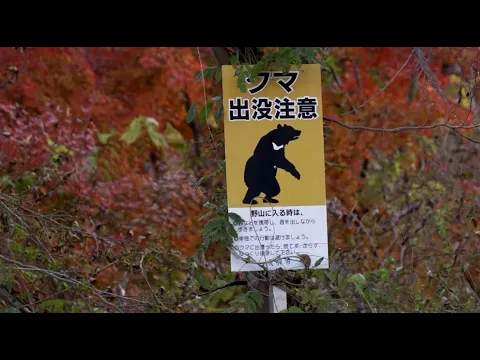

The encroachment of bears into urban centers is a direct result of social, demographic, and environmental changes in Japan. One of the most relevant factors is the gradual collapse of hunting activity in the country. In 1975, Japan had about 520,000 active hunting licenses. By 2020, that number had dropped to approximately 220,000, a drastic reduction over four decades.
In addition to the decline in the number of hunters, the age profile is also concerning. Most active hunters today are over 60 years old, which limits the ability to respond quickly in emergency situations involving wild animals.
At the same time, the expansion of cities into natural areas has reduced the bears’ habitat, forcing them to search for food in regions increasingly close to humans. Trash bins, crops, and leftover food have become easy targets, increasing the frequency of dangerous encounters.
Another decisive factor is the severe legal restrictions imposed on Japanese police forces regarding the use of lethal measures against wildlife, which makes non-violent alternatives virtually mandatory.
Drones, Creativity, And The Future Of Wildlife Control In Japan

This is not Japan’s first experience with drones to deal with animals. The previous year, the country tested pink drones with wide eyes, loudspeakers that imitated dog barks, and even firework launchers, all aimed at scaring bears and keeping them away from residential areas.
Moreover, drones equipped with lasers are already used on farms to keep birds away and reduce the risk of avian flu, demonstrating that the use of aerial technology in wildlife control is not an isolated novelty but part of a broader strategy.
With the introduction of capsaicin spray attached to drones, Japan takes another step toward a model that prioritizes human safety without resorting to the elimination of animals. The initiative represents a delicate balance between technological innovation, environmental protection, and adapting to challenges that traditional methods can no longer solve.
Source: Xataca







-

-

3 pessoas reagiram a isso.