





 Portuguese
  English
  Spanish
  4 min of reading
  0 comments


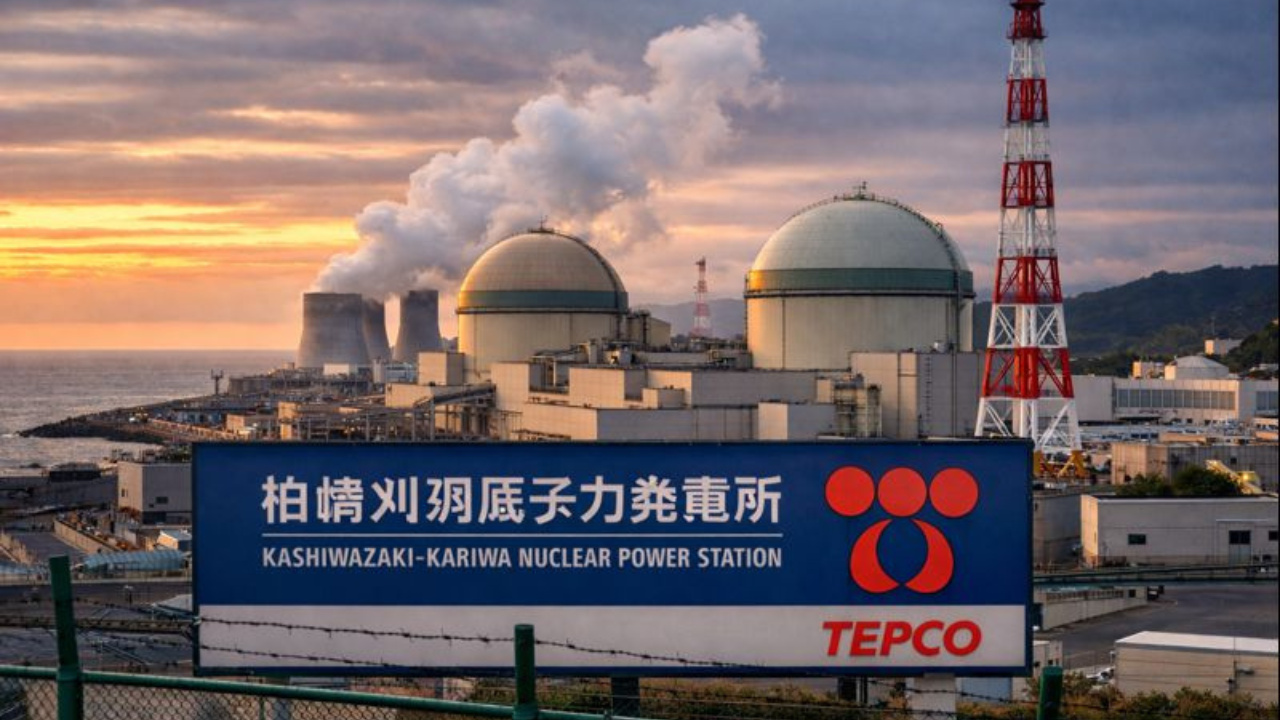
Japan’s Decision on the Kashiwazaki Plant Reinforces Nuclear Energy as a Pillar of the National Energy Transition.
The Japanese government authorized, this week, the resumption of operations of Nuclear Energy at the Kashiwazaki Plant, the largest in the world, after more than ten years of halt caused by the Fukushima Disaster.
The decision, approved by the Niigata prefecture assembly, allows the utility TEPCO to restart one of the reactors as early as January, as part of Japan’s Energy Transition, which aims to reduce reliance on expensive and highly polluting fossil fuels.
This measure comes at a strategic time for the country, which faces high energy import costs, rising electricity demand, and international pressure to cut carbon emissions.
-
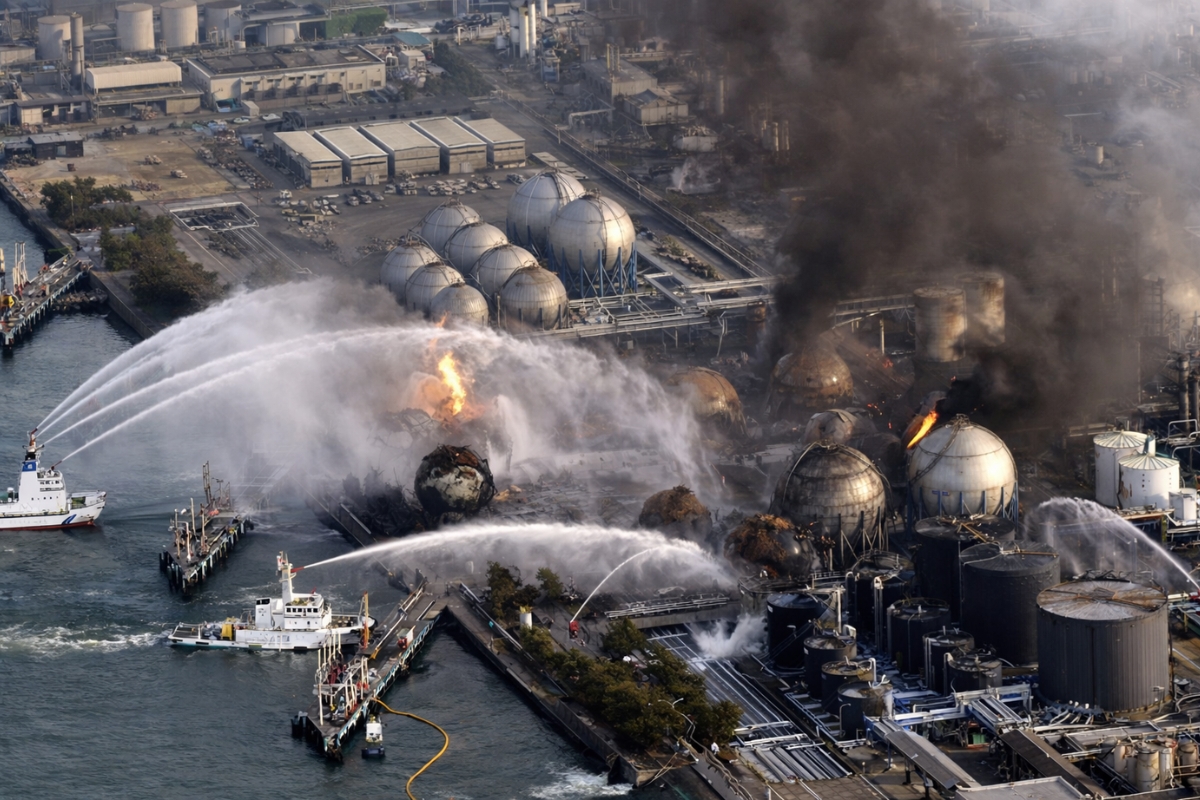
Fukushima Marks A Turning Point In Japan’s Energy Policy: After The Disaster, The Country Shut Down Its 54 Nuclear Reactors And, 15 Years Later, Only A Small Portion Have Returned To Operation
-
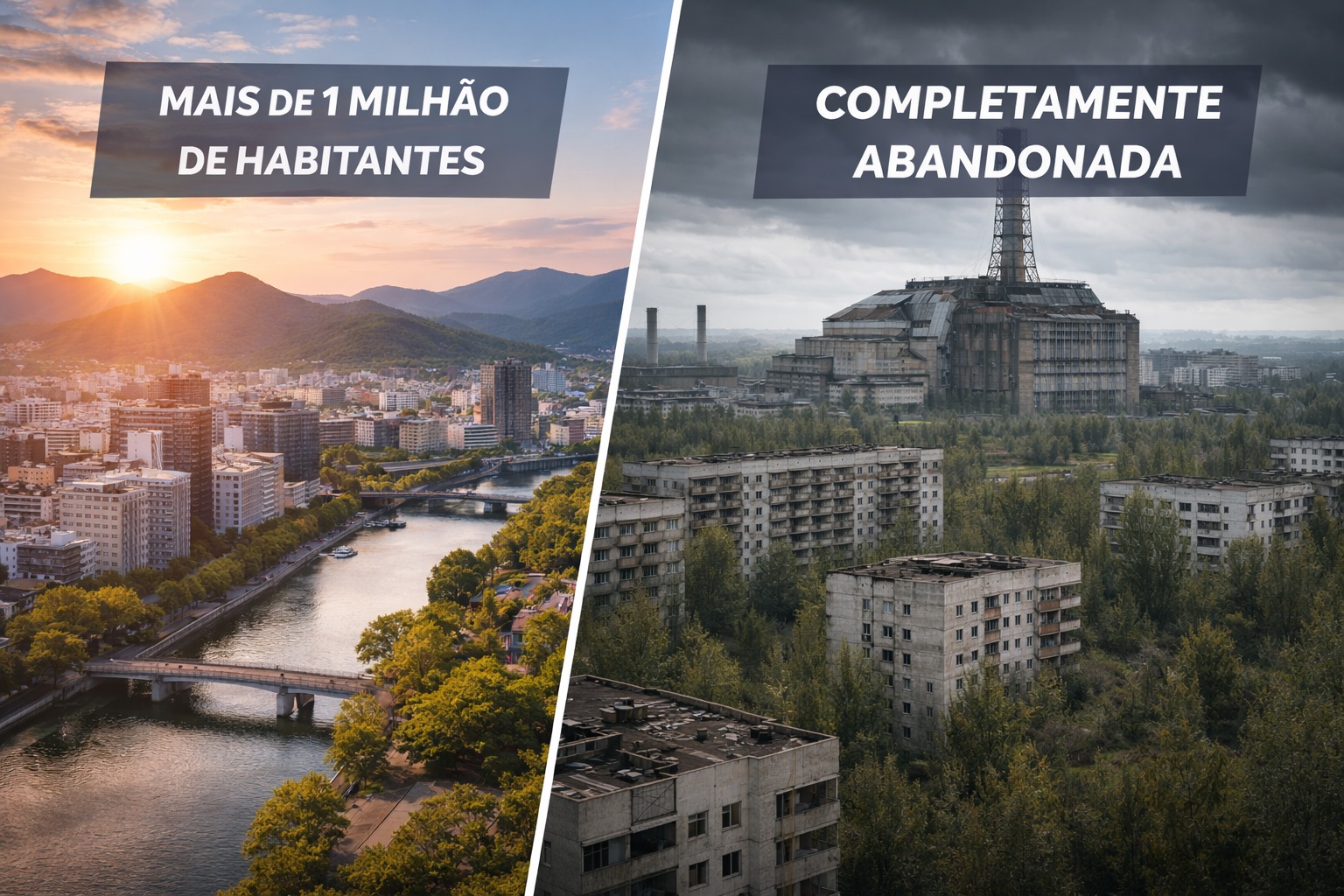
How Japan Overcame The Nuclear Bomb And Now Houses Millions In Hiroshima, While Ukraine Lost Chernobyl?
-
Bill Gates Receives Historic Approval to Build Giant 345 MW Nuclear Plant in the U.S. and Promises to Generate Up to 500 MW of Energy with Innovative Technology

-
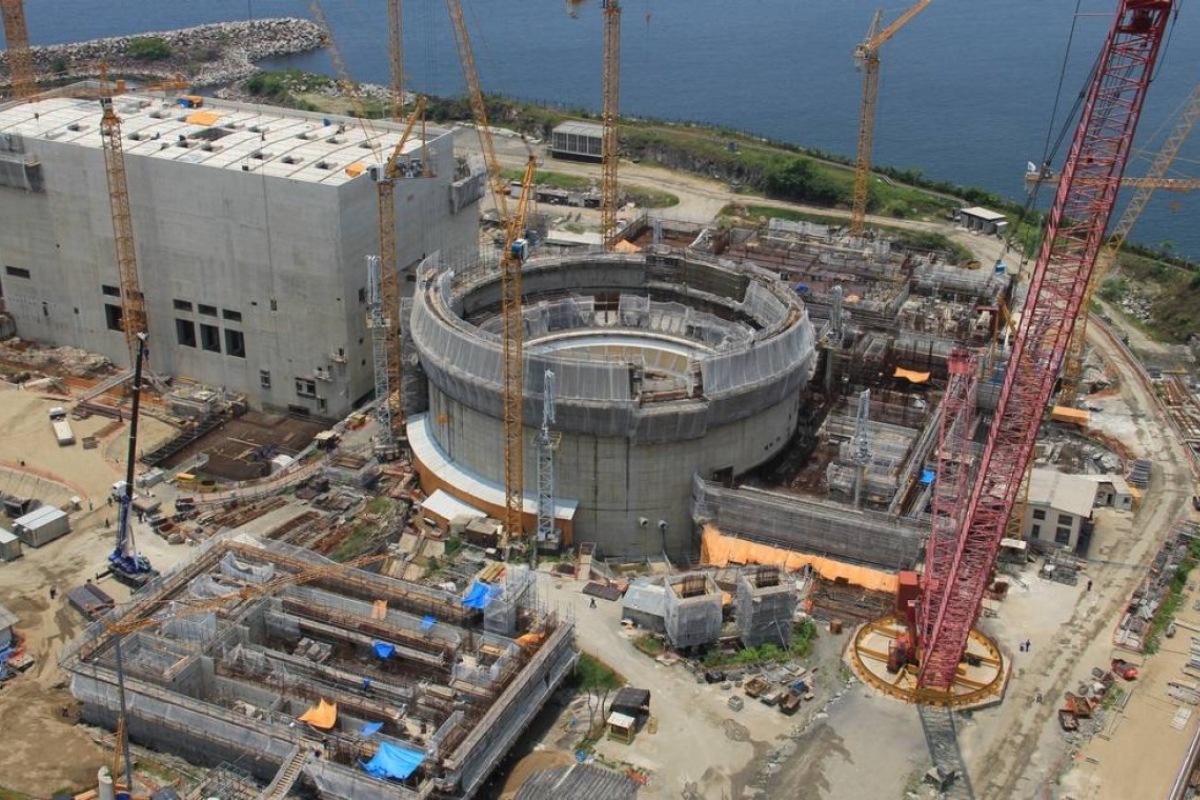
India Opens Nuclear Energy to Private Capital to Accelerate Projects and Attract Billions, While Brazil Remains Stalled at Angra 3 and Discusses Who Will Foot the Bill for Completion

Resumption of the Plant Marks Change in Japanese Energy Policy
The approval of the bill by the local assembly in Niigata represents a decisive step in the reintroduction of Nuclear Energy into the Japanese energy matrix.
The Kashiwazaki Plant, located on the coast of the Sea of Japan, has been completely inactive since 2011, when the earthquake and tsunami that hit the country led to the collapse of the Fukushima Daiichi plant.
With this decision, TEPCO plans to restart reactor number 6 around January 20, according to information from the public broadcaster NHK.
This is the first reopening of a reactor under the company’s management since the Fukushima Disaster, making the move even more sensitive from a political and social point of view.
Impacts of the Fukushima Disaster Still Shape Decisions
The Fukushima Disaster, which occurred in March 2011, was considered the worst nuclear accident since Chernobyl in 1986.
At that time, Japan shut down all of its 54 nuclear reactors, including the Kashiwazaki Plant, located about 320 kilometers from Tokyo, on the island of Honshu.
Since then, the country has only restarted 14 of the 33 reactors deemed technically operational, according to the World Nuclear Association.
The gradual resumption reflects a cautious stance, influenced by stricter regulatory requirements and the collective trauma left by the accident.
TEPCO Promises Enhanced Safety and Learning from Fukushima
Responsible for operating the plant, the Tokyo Electric Power Company has intensified efforts to regain the trust of the local population.
In a statement, the company claims that the Kashiwazaki Plant has undergone several technical inspections, as well as significant structural improvements.
“We remain firmly committed to never repeating such an accident and ensuring that the residents of Niigata never experience anything similar,” said TEPCO spokesperson Masakatsu Takata to Reuters.
According to the company, new flood walls and watertight doors have been installed to enhance protection against tsunamis.
Additionally, the plant has been equipped with mobile generators, more fire trucks, and upgraded filtration systems to contain the release of radioactive materials in emergency situations.
Dependence on Fossil Fuels Pressures Economy
Before the Fukushima Disaster, Nuclear Energy accounted for about 30% of the electricity generated in Japan. With the shutdown of the plants, the country became heavily reliant on imported fossil fuels, such as coal and natural gas.
Currently, between 60% and 70% of Japanese electricity comes from these sources, leading to a cost of approximately 10.7 trillion yen.
This situation has raised tariffs, pressured inflation, and widened the trade deficit.
Energy Transition and Climate Goals Come into Play
The country is the fifth-largest carbon dioxide emitter in the world, behind only China, the United States, India, and Russia.
Although investing in renewable sources such as solar and wind, the government acknowledges geographical and scale limitations.
The demand for energy is expected to grow further with the expansion of data centers and artificial intelligence infrastructure.
Local Resistance Remains Strong in Niigata
Even with the technical guarantees, the local population’s fear remains evident.
A survey released by the Niigata city hall in October showed that 60% of residents believe that the conditions for restarting the Kashiwazaki Plant have not yet been fully met.
Nearly 70% expressed specific concern about TEPCO‘s actions.
“We know firsthand the risk of a nuclear accident and cannot dismiss it,” said Ayako Oga, 52, to Reuters.
She moved to Niigata after fleeing the Fukushima exclusion zone and claims to still suffer from symptoms similar to post-traumatic stress.
Decision Signals New Chapter for Nuclear Energy in Japan
By authorizing the resumption of the Kashiwazaki Plant, Japan sends a clear signal that it intends to rebalance its energy matrix.
Although the weight of the Fukushima Disaster still influences public debate, the combination of high costs.
Thus, the reopening of reactor 6 may serve as a decisive test for the future of the Japanese nuclear sector and for the credibility of TEPCO.








Seja o primeiro a reagir!