





 Portuguese
  English
  Spanish
  5 min of reading
  6 comments


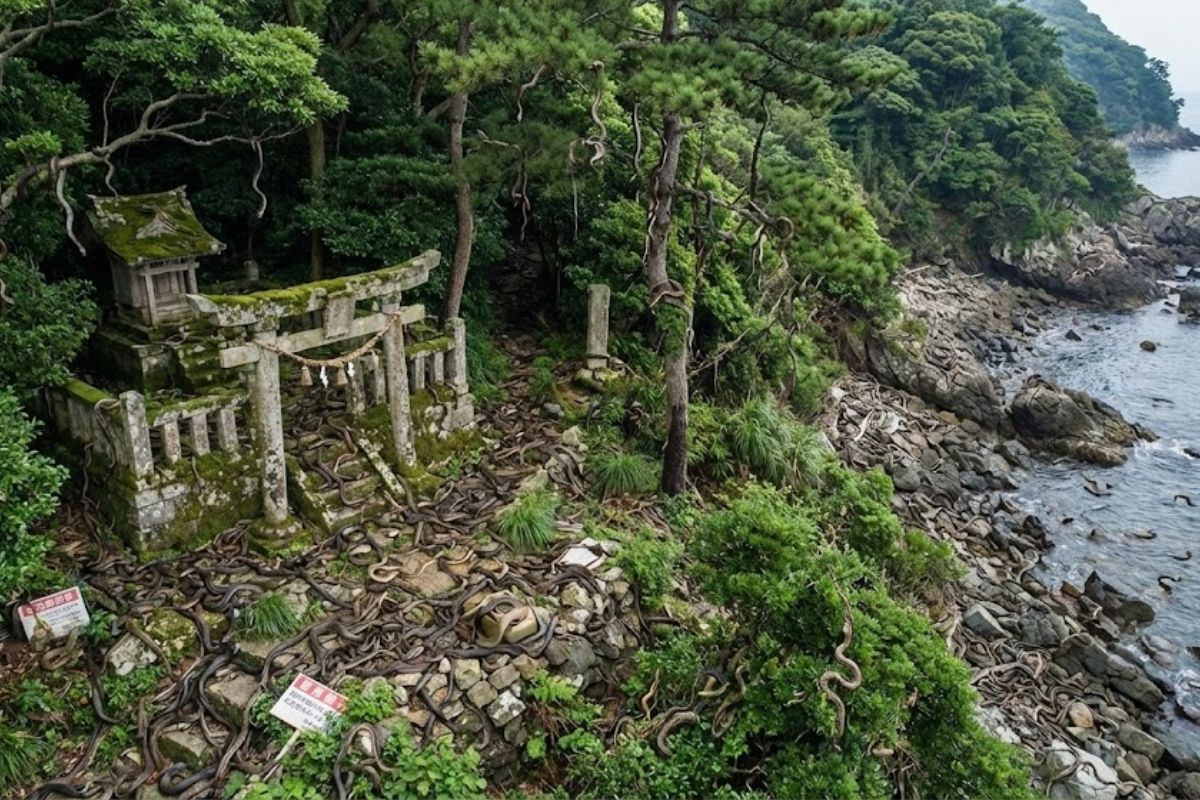


Snake Hunters Became a Symbol of a Japanese Plan That Brought 30 Mongooses to Amami Oshima in 1979. The Target Was the Habu, but Daytime Hunting Failed, Native Species Disappeared, and UNESCO Became a Showcase of Disaster. The Response Cost Nearly US$ 17 Million for 40 Full Years.
The snake hunters reached the top of a mountain of public decisions that seemed natural and cheap, but ended up as poorly calibrated ecological engineering. In Amami Oshima, an island recognized by UNESCO, the promise was simple: release the mongoose to reduce the habu and alleviate fear in the communities.
The history that supported the bet was real and measurable. In the 1970s, Japan estimated up to 150,000 snakes in the Ryukyu Islands, and the habu was described as the worst local nightmare. In 1980, over 400 people were bitten, and the lack of effective treatment and a cold chain to store antivenom kept survival low, before the 99% rate cited for today.
The Threat of the Habu and the Incentive That Fueled the Hunt

The habu belongs to the pit viper family and was associated with rural areas, sugarcane plantations, and bamboo forests, in addition to nighttime incursions into chicken coops and under houses.
-
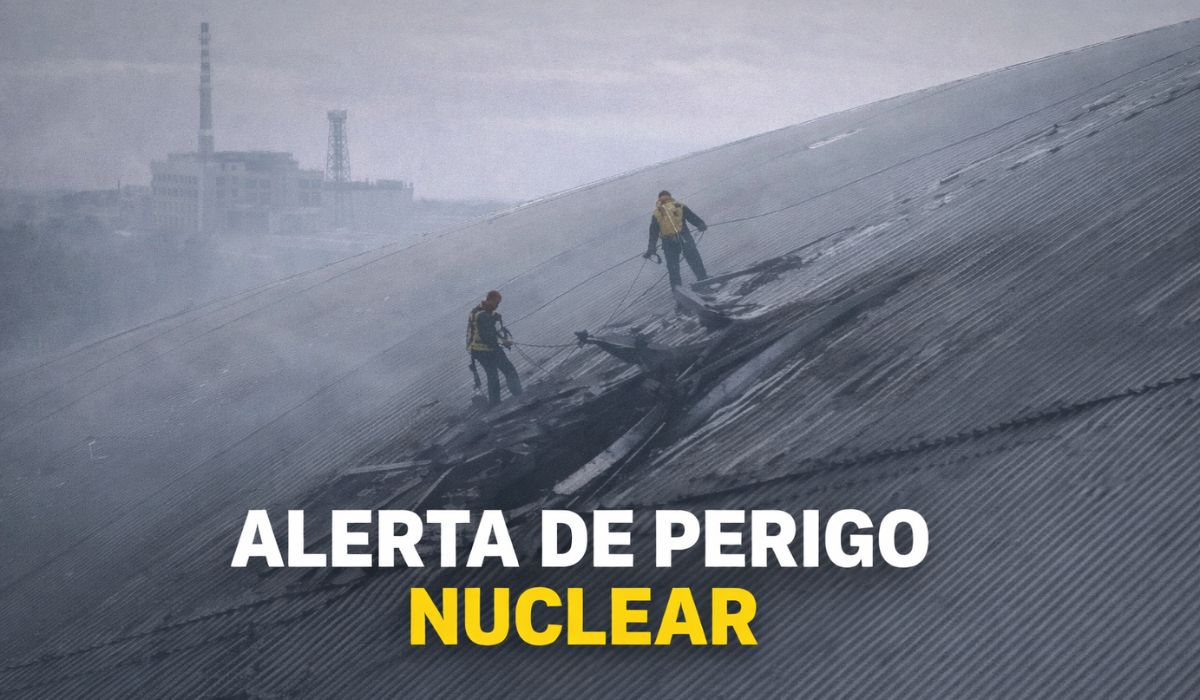
The gigantic steel shell built to contain Chernobyl for a century has been pierced by a drone, exposing a critical system and creating a hole that could cost over 500 million euros to repair.
-
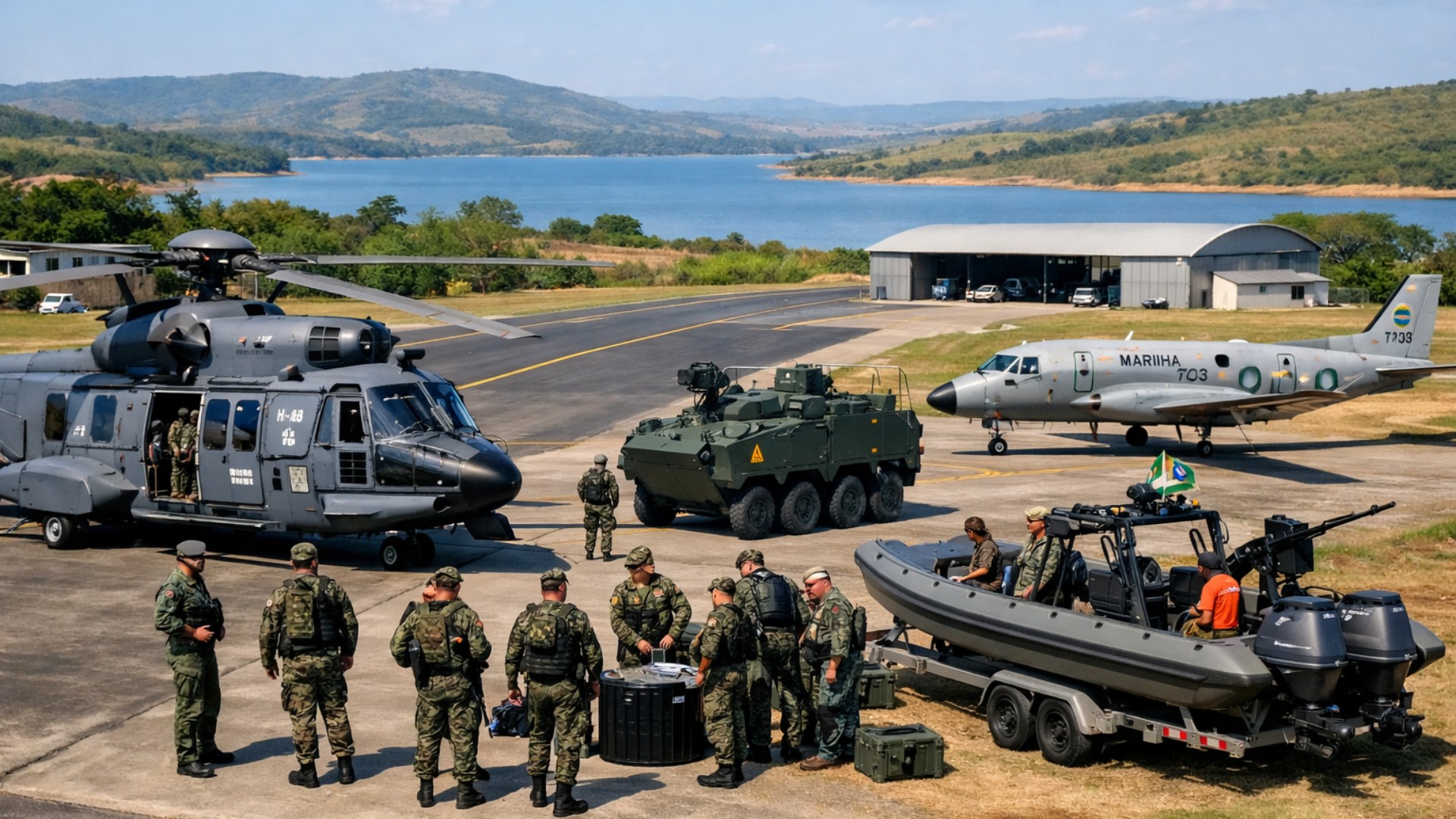
Brazilian Navy reaches a new level by taking over an airport with a 1,600-meter runway used by 1,800 military personnel and autonomous attack drone testing.
-
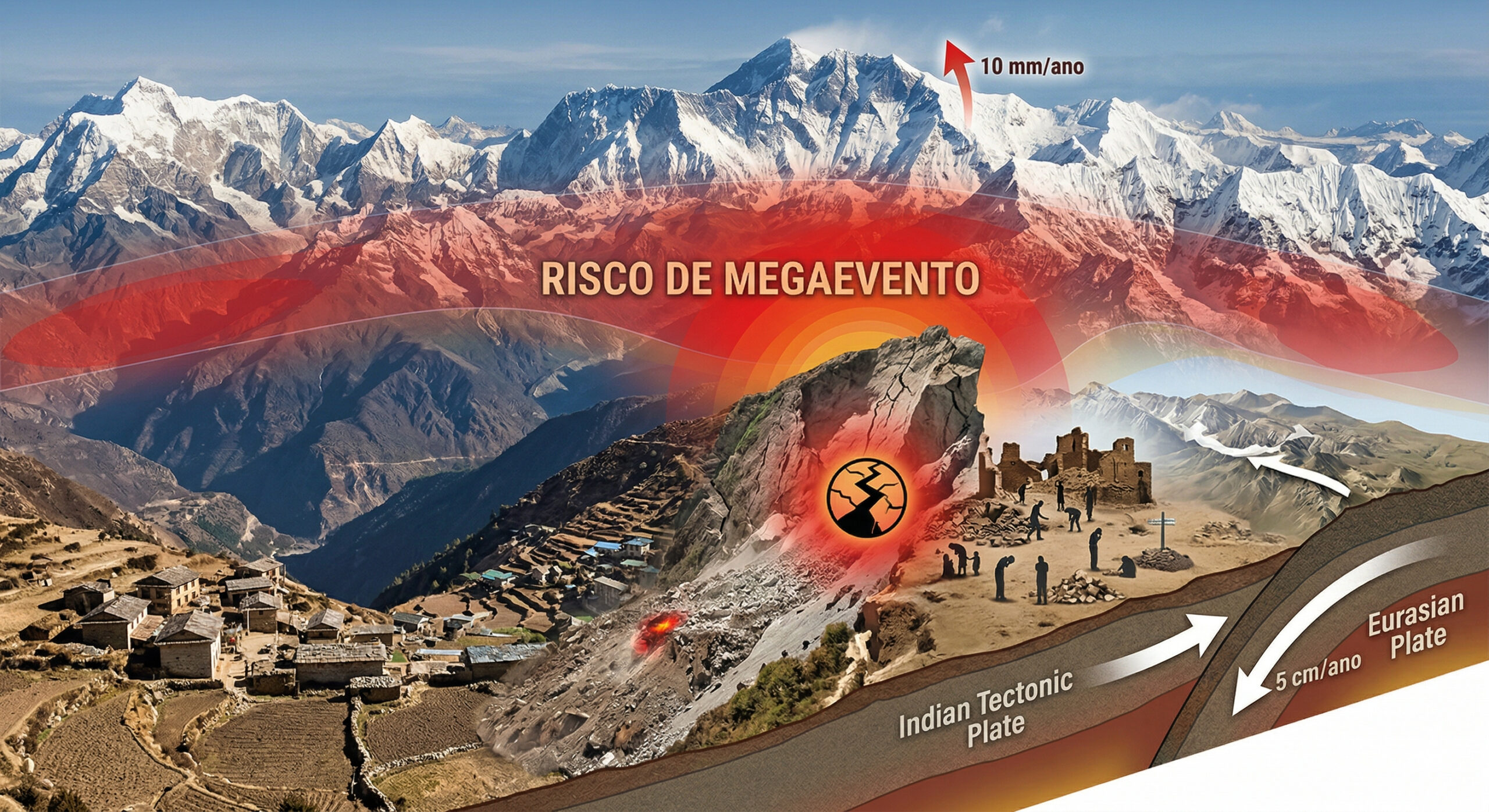
The Himalayas continue to grow to this day, with tectonic plates advancing 5 cm per year, mountains rising up to 10 mm annually, and the 2015 earthquake that killed 9,000 people may have increased the risk of an even larger seismic mega-event.
-
At an altitude of 400 km by astronauts from the International Space Station, Paris transforms at night into a golden mesh so precise that it reveals the outline of the Seine River, avenues, and entire neighborhoods like a luminous map drawn over the Earth.

The report describes the animal as about 6 feet long and weighing around 5 kg, with a maximum recorded length of 2.41 meters in Okinawa.
There is also a warning that the venom could take a life in 20 minutes, at a time when hospitals had wards dedicated to the habu.
The government tried to pay between 30 and 50 dollars for each captured habu, an amount described as about half a farmer’s monthly salary.
Entire villages rushed to hunt, and part of the market turned capturing into a product, with liquor sold with the whole snake.
The escalation, however, did not solve the root of the problem. Even with rewards and mobilization, the habu population did not decrease as expected, and the debate over natural solutions gained momentum.
It was in this environment that the snake hunters saw the 1979 plan take shape, with the arrival of the mongoose to Amami Oshima.
Why the Mongoose Did Not Find the Habu

The central mistake was one of biological clock. The habu is nocturnal, while the mongoose hunts during the day, which made the two species never encounter each other in practice, according to the report.
When hunger struck, the mongoose migrated to easier prey, such as rats, frogs, birds, eggs, and even chickens, amplifying the impact beyond the goal announced to the snake hunters.
Reproduction accelerated the loss of control.
The report points to three litters per year, with two to five pups at a time.
By the early 2000s, the cited estimate was of over 10,000 animals in Amami Oshima, in a scenario without natural enemies capable of holding back growth, pushing the food chain into chaos.
Amami Oshima, UNESCO, and the Cost of a Disequilibrated Ecosystem
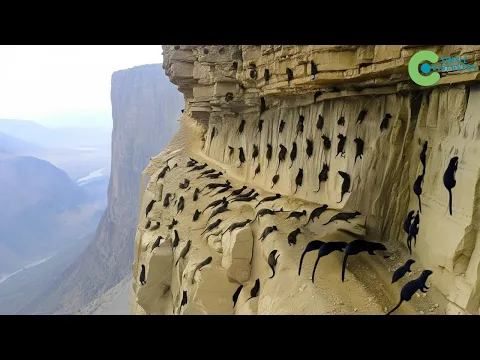

In 1993, the Ministry of the Environment of Japan officially announced that the number of mongooses had surpassed 10,000, while the habu continued to thrive.
The shock came in the native fauna: 15 species began to disappear, and the Amami rabbit, listed as threatened on the International Union for Conservation of Nature’s red list, saw a decline of 80% in just one decade, according to the report.
The magnitude of the risk increased because Amami Oshima was not just another island.
The report describes it as natural heritage recognized by UNESCO, home to hundreds of endemic species.
Agriculture also felt the impact, with dead birds and devastated crops, and by 1995 the cited damages exceeded US$ 1.4 million. The mongoose ceased to be a guardian and became a vector of losses, in a territory associated with UNESCO.
The Medical Turn That Reduced the Fear of the Habu
The drop in panic did not come from the predator-prey encounter.
The report states that the mongooses never even came to know the snakes in real routine, and that the turning point occurred with applied science.
Throughout the 1980s, Japan developed a lyophilized antivenom that could be stored without refrigeration, which was described as impossible in villages without electricity.
The response network was expanded with distribution of antivenom, local medical infrastructure, and training for residents to recognize and treat bites.
As a result, by 1992 Japan did not register any deaths from snake bites in the cited period, and by the end of the 1990s, cases had fallen to about 60 per year, the lowest level in over half a century.
The natural solution, in practice, became the new problem, and the snake hunters began to deal with a broader side effect.
The 25-Year War Against the Mongoose and the US$ 17 Million Bill
The government launched, in the year 2000, the national campaign called Mongoose Project Buster, with a single objective: eliminate the invading mongoose from Amami Oshima.
The cited package includes one-way traps, biologically scented bait, trained sniffing dogs, thousands of RFID chips, and thermal cameras to monitor forest areas.
The capture rate shows the scale of the effort.
In just the first year, more than 3,200 mongooses were captured.
Over 18 consecutive years, the total surpassed 32,000 animals, at a cost of almost US$ 17 million.
In 2018, the Ministry of the Environment declared complete eradication of the mongoose in Amami Oshima, and the United Nations recognized the achievement as the only successful eradication project on a large island.
The Post-Eradication Phase and the Risk of Return
Even after eradication, the report points out that the mongoose still thrived in Okinawa, about 200 km away, and could return.
To prevent a repeat of the disaster, L-shaped fences were described, buried deeply, in addition to a network of sensors and cameras capable of detecting movements of invasive species in seconds.
The case of Amami Oshima became an ecology lesson on biological control that went wrong and was compared to other cited episodes, such as Hawaii, Jamaica, and Australia.
The report also mentions an attempt in Sri Lanka to train mongooses to detect illegal substances and smuggling, with a pilot that received 50,000 dollars, but was interrupted by budget cuts.
What began with snake hunters and the promise of addressing the habu with a mongoose ended in decades of imbalance, million-dollar costs, and a permanent alert in UNESCO territory. If you follow debates about invasive species, it’s worth observing how cheap decisions can be costly when they enter the food chain.
Would you have supported sending snake hunters and releasing mongooses in Amami Oshima?








Desinquilibrio na **** faz o descontrole aumentar pondo risco nas vidas humanas,o isolamento para estudos com racionalidade sem duplicar réptil ou mangusto pois o certo é intender a naturesa e nao invadir os abtates sem causar problemas ao meio ambiente exufluindo somente de soros contra picadas das pesoentas e com toda proteção direcionar estudos que contribuem com a humanidade salva guarda com biólogos treinados para extrair soros e isolando a saída dos répteis viperinos das pesoentas.
Seria muito mais eficaz soltar ratos com paracetamol.
Dar uma opinião depois de saber dos efeitos colaterais das soluções dadas com base nos conhecemos que tinham na época, fica fácil, né? Ninguém em sã consciência, tomaria uma decisão que afetasse toda ecologia de uma região.