





 Portuguese
  English
  Spanish
  5 min of reading
  2 comments


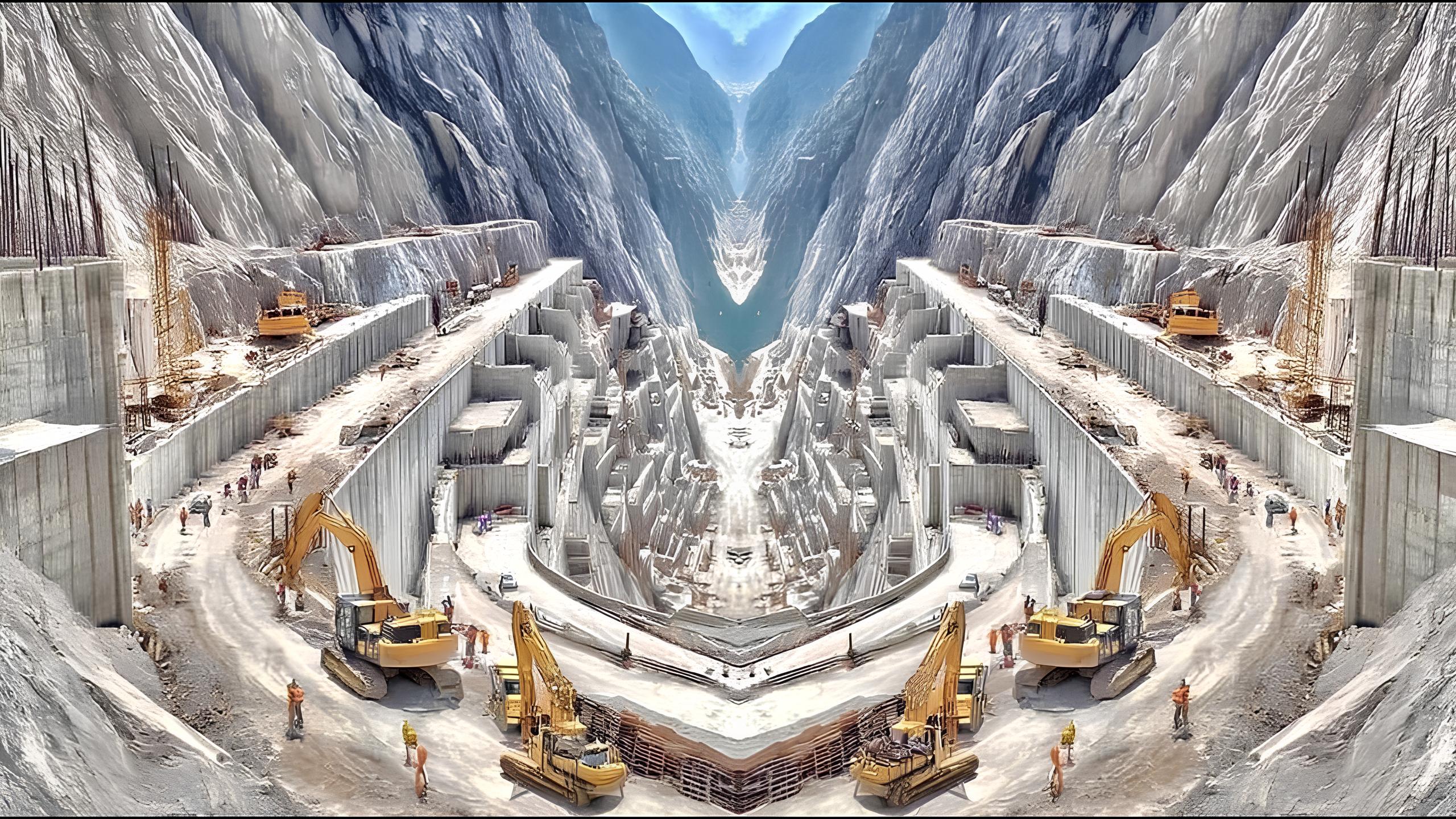


With a 275-Meter Dam and Up to 2,000 MW of Power, the Kambarata-1 Plant Advances in Kyrgyzstan as a Strategic Hydroelectric Project to Face Energy Crises.
In the Naryn River valley, in the center of Kyrgyzstan, a mountainous country in Central Asia with a history of energy crises in winter, one of the most ambitious hydroelectric projects ever attempted in the region is underway. This is the Kambarata-1 Hydropower Plant, originally planned during the Soviet era, officially resumed by the Kyrgyz government in the 21st century, and currently treated as a national priority. The project is led by the Kyrgyz Ministry of Energy, with participation from the state-owned Electric Power Plants OJSC, and has been discussed and technically updated since 2021, with formal announcements of progress between 2022 and 2024.
The proposal involves a demanding dam of approximately 275 meters in height, a colossal reservoir in alpine area, installed capacity estimated at up to 2,000 megawatts (MW), and investments that may exceed US$ 3 billion, according to government documents and official statements released by Kyrgyz authorities and multilateral organizations monitoring the project.
From the outset, Kambarata-1 is not just an engineering work. It is regarded by the government as a tool for economic survival, political stability, and regional projection, in a country that heavily relies on fossil energy imports during cold months and suffers from recurring blackouts when existing reservoirs reach critical levels.
-
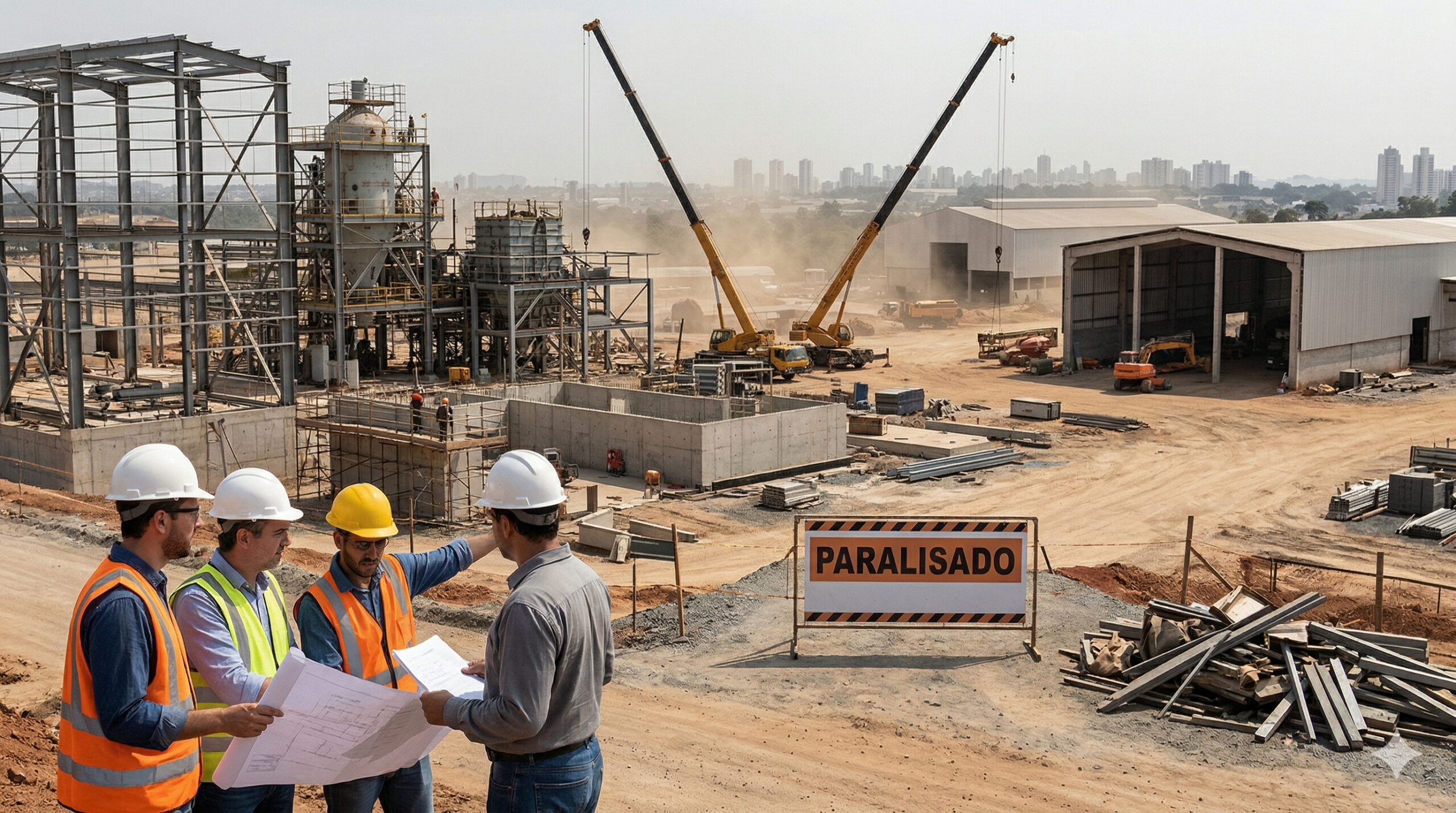
The lack of welders, electricians, and operators becomes a structural threat in 2025, with the construction industry and manufacturing already suffering from delays, cost pressures, and labor shortages in Brazil.
-
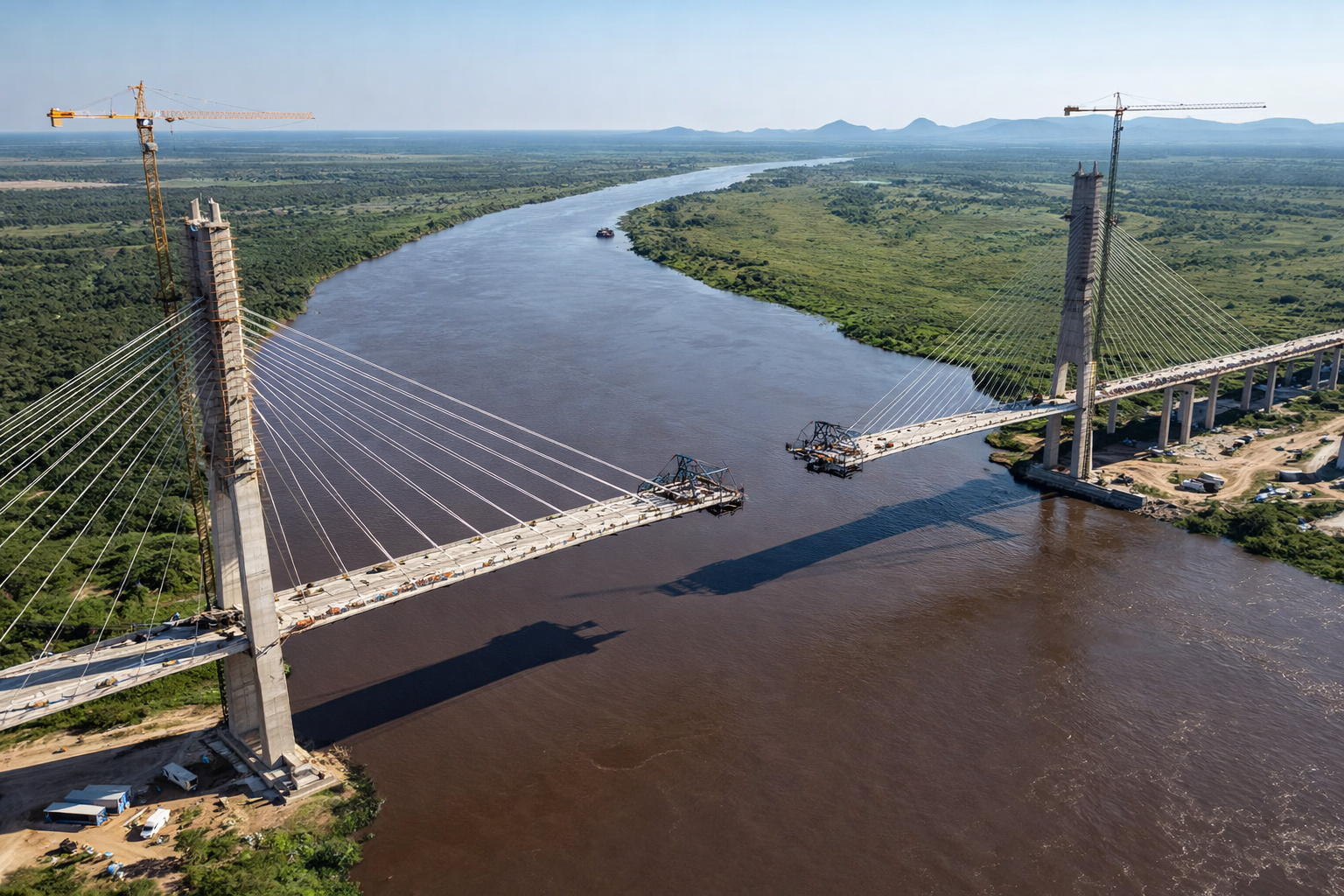
Brazil and Paraguay are just 46 meters away from a historic union on the bioceanic bridge that promises to revolutionize trade between the Atlantic and the Pacific.
-
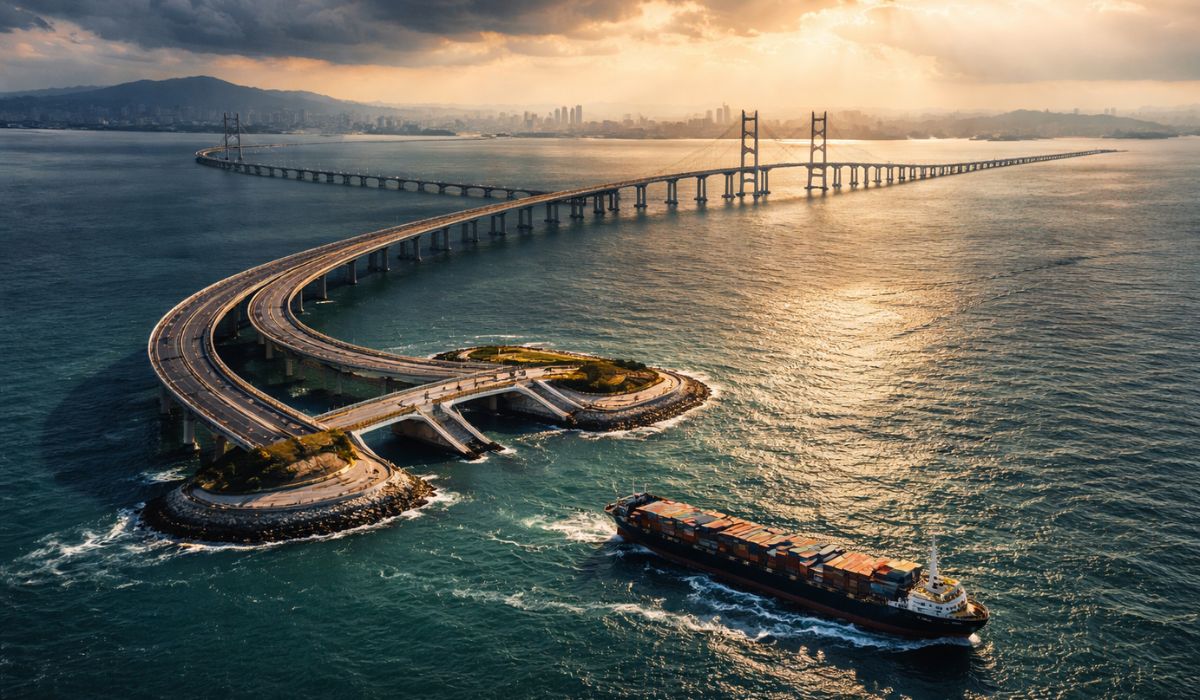
With 55 km over the sea, a cost of US$ 20 billion, and enough steel to build 60 Eiffel Towers, China’s largest project has connected Hong Kong, Zhuhai, and Macau in a colossal bridge that defies the logic of engineering.
-
A trick with joint compound transforms a Styrofoam ceiling into a plaster-like ceiling: leveled panels, wires and mesh at the joints, sand, paint, and change the environment while spending little today.


Next, what the project is, why it is technically extreme, what its economic and geopolitical impacts are, and why Kambarata-1 could redefine the future of the entire Kyrgyzstan.
What Is the Kambarata-1 Hydropower Plant and Why Is It Considered Strategic
The Kambarata-1 Hydropower Plant is planned to be built in the upper course of the Naryn River, the main tributary of the Syr Darya River, one of the most important river systems in Central Asia. The site was chosen back in the 1970s during Soviet energy planning when engineers identified an ideal geographical bottleneck for constructing a large gravity or embankment dam.
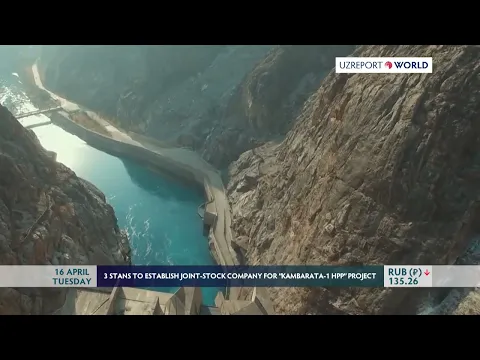

With a projected power of up to 2,000 MW, Kambarata-1 would surpass all the plants currently in operation in the country and become the main energy asset of Kyrgyzstan. By way of comparison, the total installed capacity of the country is around 3,900 MW, most of which is concentrated in older hydroelectric plants, such as Toktogul.
This means that a single project could account for around half of the national electrical capacity, something rare even in countries with a strong hydroelectric vocation.
Extreme Engineering: a Dam Among the Highest in the World
One of the aspects that make Kambarata-1 a colossally striking agenda is the physical scale of the dam. The most recent studies indicate a height close to 275 meters, which would place the structure among the tallest dams on the planet, alongside giants like Nurek (Tajikistan) and Jinping-I (China).
In addition to the height, the project involves:
• Massive volume of rock and compacted clay, due to the steep terrain
• Foundation in a seismic area, requiring advanced anti-seismic engineering
• High altitude reservoir, subject to ice, sudden variations in flow, and glacial sediments
• Bypass and intake tunnels excavated in mountain massifs

These characteristics make Kambarata-1 frequently classified by engineers as an extreme alpine hydroengineering project, more complex than projects in tropical plains.
Energy, Winter, and National Survival
Kyrgyzstan faces a structural problem: winter consumption peaks, when the demand for heating skyrockets, while hydroelectric generation falls due to reduced flows and partial freezing of reservoirs. This imbalance leads the country to:
• Import energy from neighbors
• Burn coal and fuel oil
• Suffer blackouts in dry years
The promise of Kambarata-1 is to regulate the flow of the Naryn River on an annual scale, storing water in summer and releasing consistent generation in winter. This would transform the energy profile of the country, drastically reducing dependence on imports and fossil sources.
According to the Kyrgyz Ministry of Energy, the plant would enable not only to meet internal demand but also to export electricity to neighboring countries in Central Asia.
The Geopolitical Role of the Naryn River and Syr Darya
The hydroelectric plant does not only affect Kyrgyzstan. The Naryn River feeds the Syr Darya, which crosses Uzbekistan, Tajikistan, and Kazakhstan before flowing into what remains of the Aral Sea.
This means that Kambarata-1 is, inevitably, a geopolitical project. Downstream countries have historically expressed concerns about:
• Flow control
• Excessive water retention
• Impact on agricultural irrigation
For this reason, the Kyrgyz government states that the project is being discussed within regional agreements for shared water use, and that the goal is not to reduce flows but to regulate and stabilize the hydrological system.
From Shelved Soviet Project to National Priority
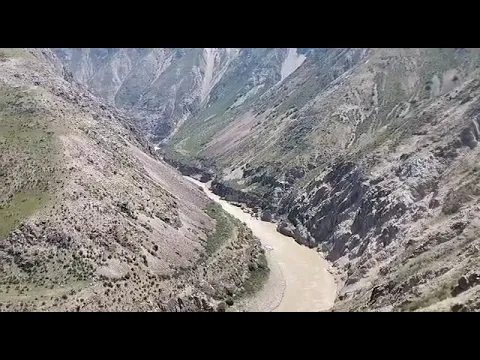
The original planning of Kambarata-1 dates back to the 1970s and 1980s, when the Soviet Union designed an integrated system of dams in Central Asia. With the collapse of the USSR in 1991, the project was abandoned due to lack of resources and political instability. For decades, Kambarata-1 existed only as:
• Technical studies
• Engineering models
• Lines in energy plans
The recovery only gained real momentum from 2021, when the government began to treat the hydroelectric project as a pillar of energy sovereignty. In 2022 and 2023, authorities announced updates to the feasibility studies, seeking international partners and revising the schedule.
Billion-Dollar Investments and Financial Challenges
The estimated costs for Kambarata-1 vary depending on the final configuration, but official analyses point to values between US$ 2.5 billion and US$ 3.5 billion.
For a country with a relatively modest GDP, this represents a massive financial effort. Therefore, the project depends on:
• International partnerships
• Multilateral development banks
• Possible participation from neighboring countries
Government authorities have already mentioned the interest of Russia, Kazakhstan, and Uzbekistan in discussing financial or energy participation, although the models are still under negotiation.
Monitored Social and Environmental Impacts
Like all megadam projects, Kambarata-1 also raises environmental and social questions. Impact studies assess:
• Resettling local communities
• Alteration of river ecosystems
• Accelerated sedimentation of the reservoir
• Seismic risks
The government states that the new studies follow international standards and that the project will only advance after complete licensing. Environmental organizations, in turn, advocate for transparency and continuous monitoring.
Why Kambarata-1 Could Determine the Future of the Country
For Kyrgyzstan, Kambarata-1 is not just a power plant. It represents:
• Energy Self-Sufficiency
• Reduction of Winter Crises
• Stable Revenue Source from Exports
• Greater Political Weight in Central Asia
In a poor, mountainous country with few natural resources beyond water, controlling a hydroelectric system of this scale could completely redefine its economic trajectory.
If completed as planned, Kambarata-1 will join the select group of projects that not only generate energy but rewrite the role of an entire country in its region.










Obra de engenharia bastante desafiadora. Será mais um marco ao lado das grandes hidrelétricas mundiais: Itaipu, 3 Gargantas,…
Paisecos falidos e sugados pela união bostérica por vários anos.