





 Portuguese
  English
  Spanish
  5 min of reading
  1 comment


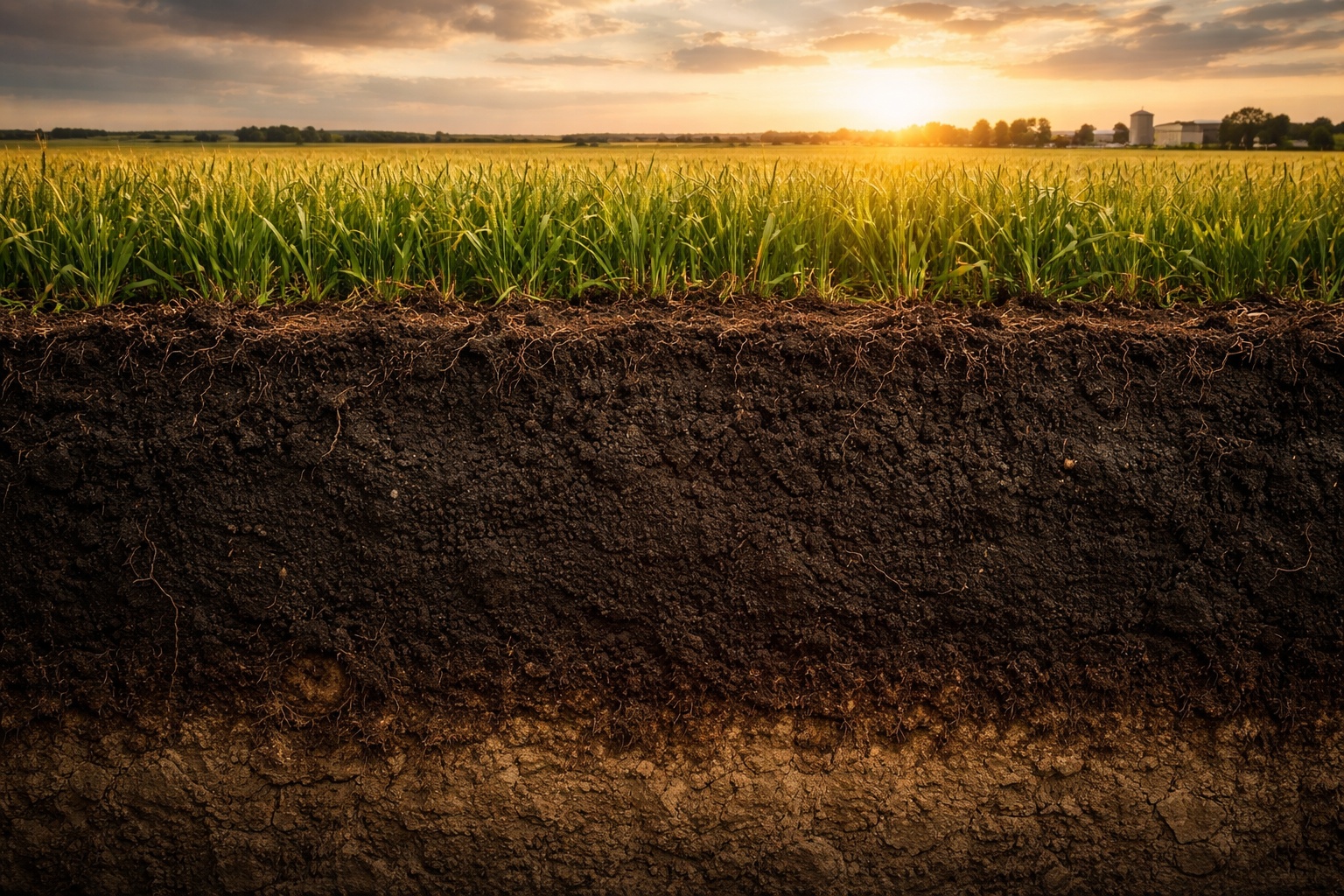


With Deep Humus Layers and Incomparable Natural Fertility, Chernozem Soil Has Transformed Eastern Europe into an Agricultural Power and Strategic Geopolitical Asset.
In few regions of the planet has geography been so decisive in shaping economy, power, and global disputes as in the vast plains covered by chernozem, the soil that experts classify as the most fertile in the world. Commonly referred to as “black gold of agriculture,” this type of soil not only sustains massive harvests for thousands of years but also explains why certain areas of Eurasia have become essential for global food security. Its continuous, deep, and naturally productive presence allows for high-scale agriculture with input levels far lower than those required in other parts of the world.
The impact of this soil goes far beyond farming. It influences international food prices, export policies, the economic stability of entire countries, and even armed conflicts, as controlling areas of chernozem means controlling one of the largest natural reserves of agricultural productivity on the planet.
What Is Chernozem and Why Is It Considered the Most Fertile Soil in the World?
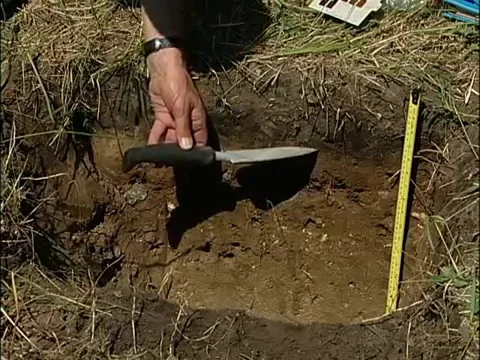
Chernozem is a dark, almost black soil formed over thousands of years in regions with a continental climate, characterized by cold winters, hot summers, and extensive areas of natural pastures. Its main feature is the extremely high concentration of humus, organic matter resulting from the slow decomposition of deep roots and herbaceous vegetation.
-
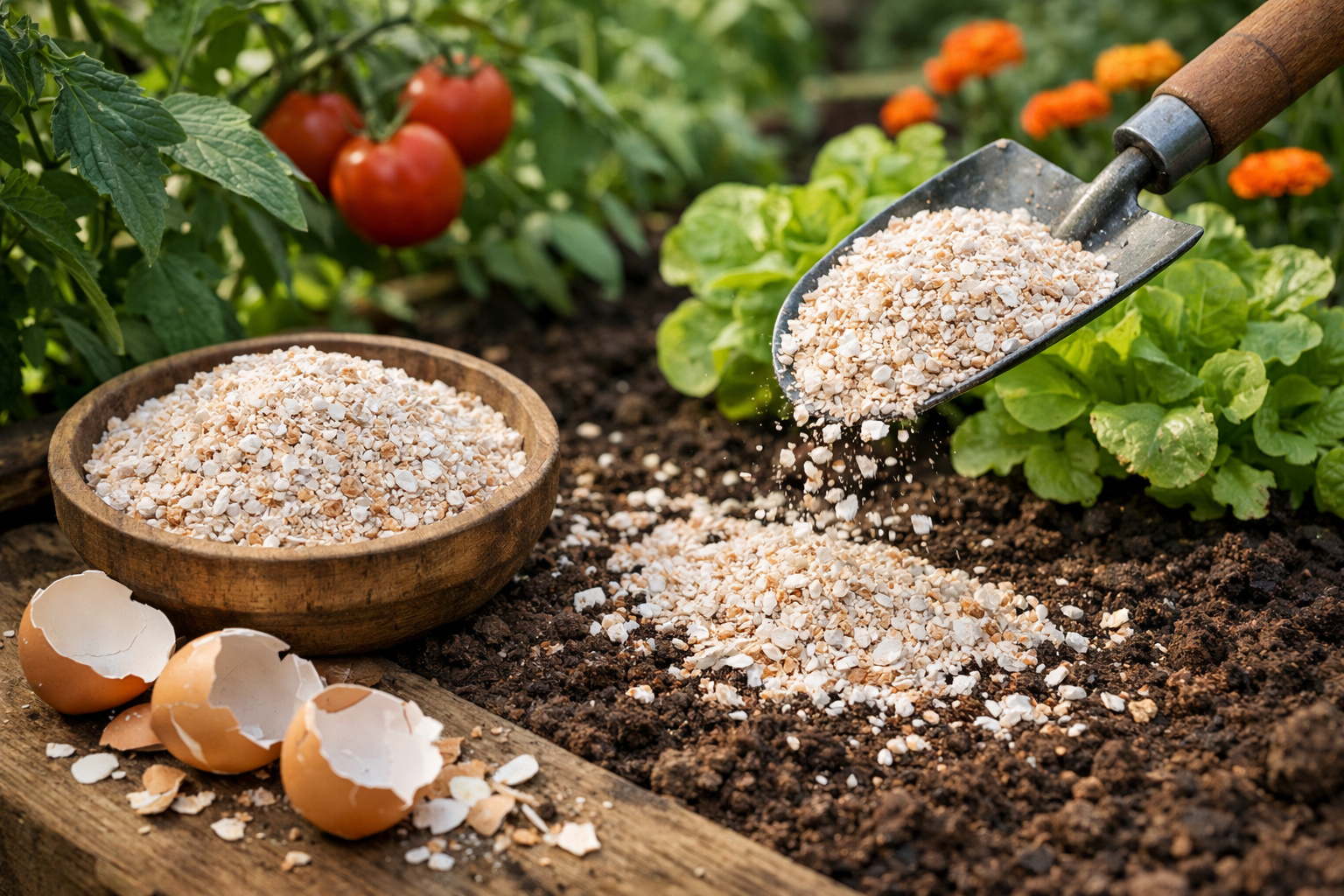
The eggshell that almost everyone throws away is made up of about 95% calcium carbonate and can help enrich the soil when crushed, slowly releasing nutrients and being reused in home gardens and vegetable patches.
-
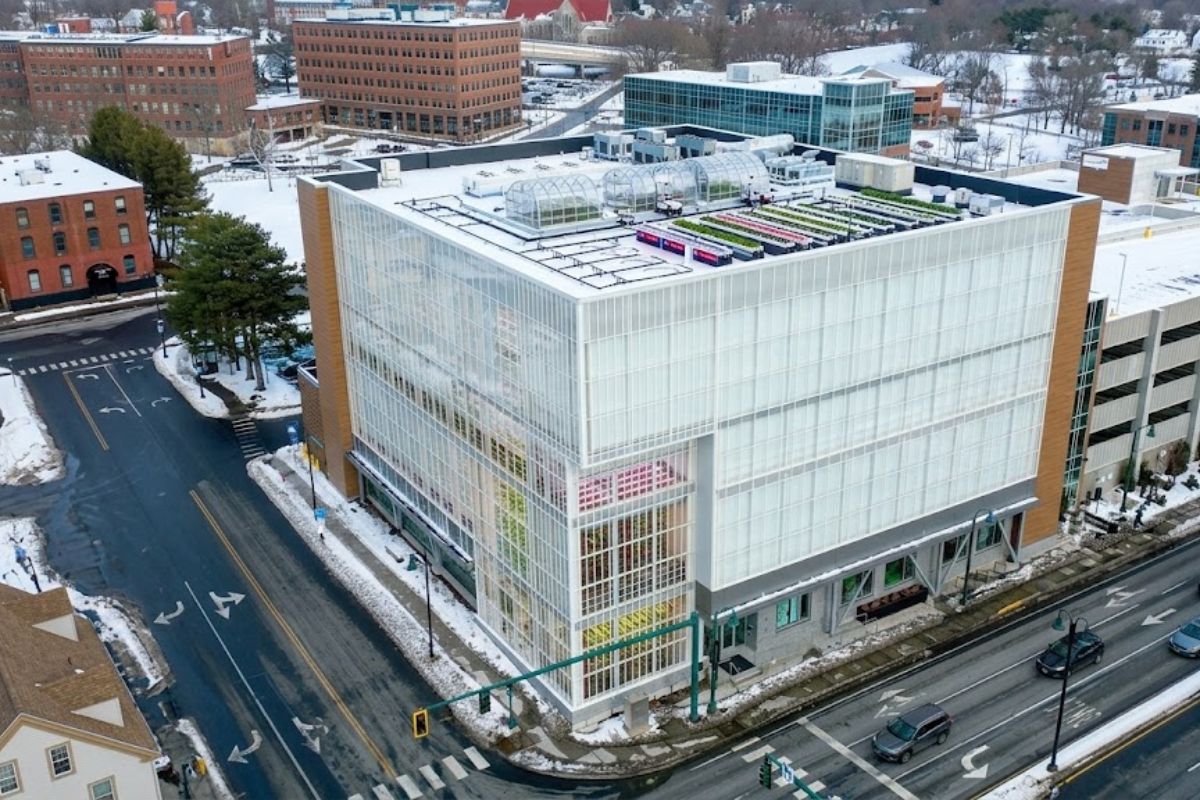
This farm in the United States does not use sunlight, does not use soil, and produces 500 times more food per square meter than traditional agriculture: the secret lies in 42,000 LEDs, hydroponics, and a system that recycles even the heat from the lamps.
-
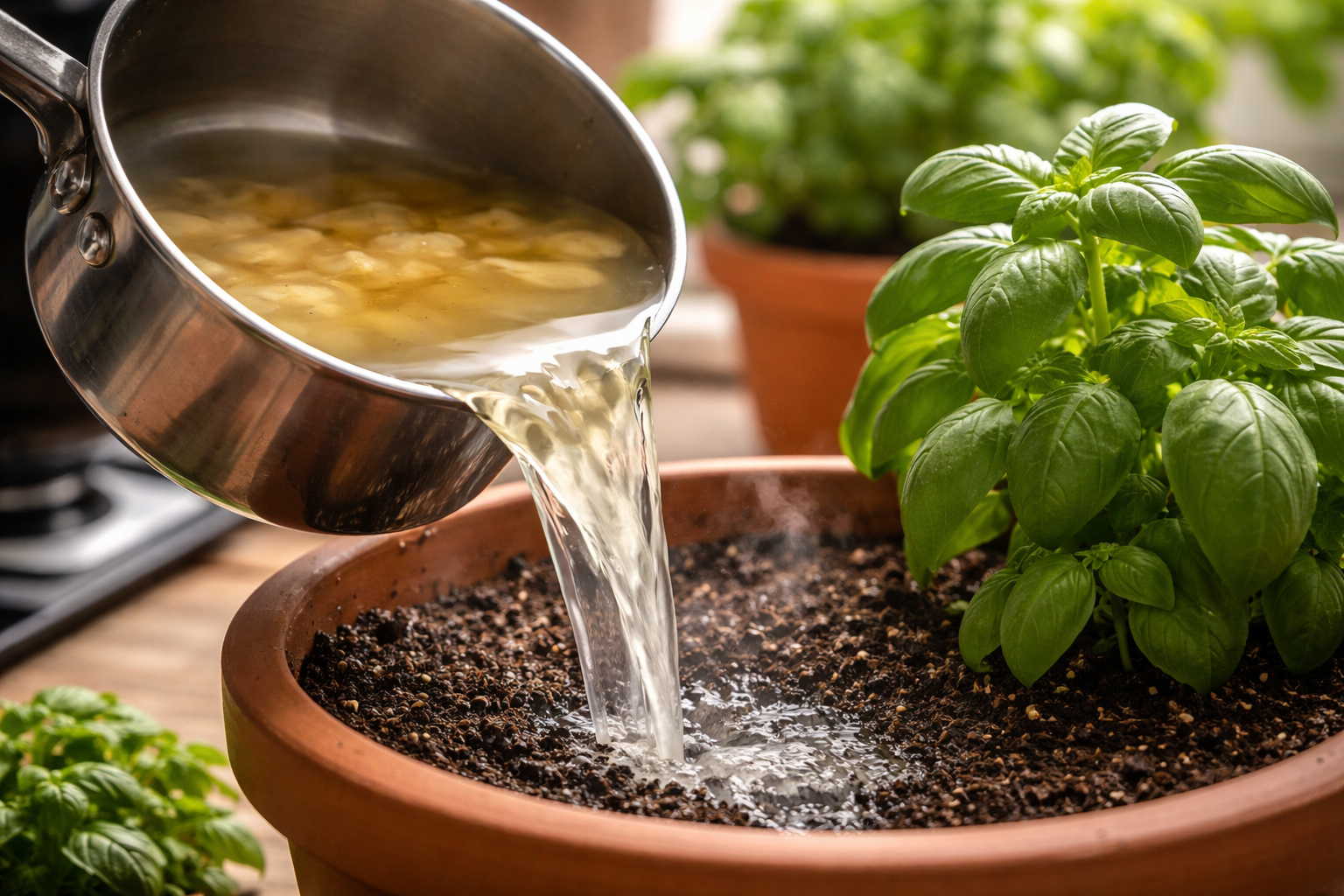
The water that almost everyone throws away after cooking potatoes carries nutrients released during the preparation and can be reused to help in the development of plants when used correctly at the base of gardens and pots, at no additional cost and without changing the routine.
-
The sea water temperature rose from 28 to 34 degrees in Santa Catarina and killed up to 90% of the oysters: producers who planted over 1 million seeds lost practically everything and say that if it happens again, production is doomed to end.




In classic areas of the so-called “chernozem belt,” the fertile layers can exceed 1 meter in depth, which is extremely rare in agricultural soils worldwide. This depth allows for efficient water retention, continuous nutrient supply, and great physical stability for root development.
Another determining factor is the natural chemical balance. Chernozem has high levels of calcium, phosphorus, and nitrogen, along with a near-neutral pH, reducing the need for artificial corrections. In practical terms, this means high productivity even with limited use of industrial fertilizers.
Where Is the “Black Gold of Agriculture” Concentrated
The largest continuous expanses of chernozem on the planet are located in Eastern Europe and Central Asia. Ukraine, southern Russia, and northern Kazakhstan host some of the most productive agricultural areas ever recorded, forming a true belt of natural fertility.
In Ukraine, for example, it is estimated that about two-thirds of the agricultural territory is covered by chernozem soils, explaining its historical position as a major exporter of wheat, corn, barley, and sunflower oil.
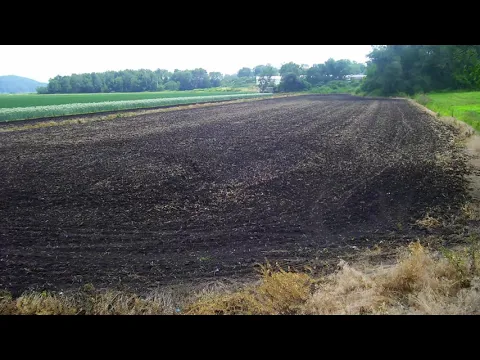
In Russia, these areas are essential for internal supply and for strategic grain exports. Kazakhstan, in turn, uses these plains for extensive durum wheat production, with relative low costs.
This geographical concentration creates a silent global dependency. A significant portion of wheat consumed in the Middle East, North Africa, and parts of Asia has a direct or indirect origin in these black lands.
Absurd Productivity with Less Inputs
One of the most impressive aspects of chernozem is its agricultural efficiency. Under proper management conditions, these soils can sustain high productivity for decades without severe degradation, something unthinkable in tropical regions without constant nutrient replenishment.
While poorer soils require high doses of nitrogen, phosphate, and corrective fertilizers, chernozem allows for simpler and cheaper production systems. This reduces costs, increases margins, and makes local agriculture extremely competitive in the international market.
This structural advantage means that even in years of low prices, producers on chernozem remain economically viable, while farmers in less favored regions face losses.
A Strategic Asset That Goes Beyond Agriculture
Throughout history, chernozem has always been a strategic asset. Ancient empires, such as the Late Roman and the Byzantine, valued these lands as natural granaries. In the 20th century, the Soviet Union treated these regions as national heritage, investing heavily in mechanization and agricultural expansion.
In the contemporary scenario, the value of chernozem has gained new dimensions. In a world pressured by population growth, climate change, and food insecurity, naturally fertile soils have become geopolitical resources of the highest order.
Controlling areas of chernozem means ensuring large-scale food production capacity even in the face of global crises, energy constraints, or fertilizer shortages. Therefore, these lands frequently find themselves at the center of territorial disputes, economic sanctions, and long-term strategies of great powers.
Chernozem, Climate, and Environmental Changes
Another crucial point is the relationship between chernozem and climate. Although extremely fertile, this soil depends on environmental balance to maintain its properties. Changes in rainfall patterns, aggressive agricultural practices, and erosion can slowly degrade its organic layer.
Studies show that the loss of just a few centimeters of humus can significantly reduce productivity over time. For this reason, countries that depend on this soil are increasingly investing in conservation practices, crop rotation, and management of plant residues to preserve this strategic resource.
In a scenario of global warming, areas of chernozem are also viewed as more resilient agricultural reserves, as their water retention capacity helps withstand drought periods better than shallow or sandy soils.
Why the “Most Fertile Soil in the World” Influences the Future of Global Agriculture
The chernozem is not just a geological curiosity. It represents a rare structural advantage, built by nature over millennia and impossible to replicate artificially on a continental scale.
As the world seeks solutions to feed billions of people with less environmental impact, naturally productive soils gain even greater importance. They reduce dependence on chemical inputs, consume less energy per ton produced, and offer greater agricultural predictability.
Therefore, when discussing food security, agricultural power, and geopolitical balance, the “black gold of agriculture” remains one of the most silent yet decisive elements on the global chessboard.









Por isso q a Rússia/U. Soviética invadiu e incorporou a Ucrânia e vários países da Ásia.
Agora, quer anexar a Ucrânia novamente.