





 Portuguese
  English
  Spanish
  3 min of reading
  9 comments


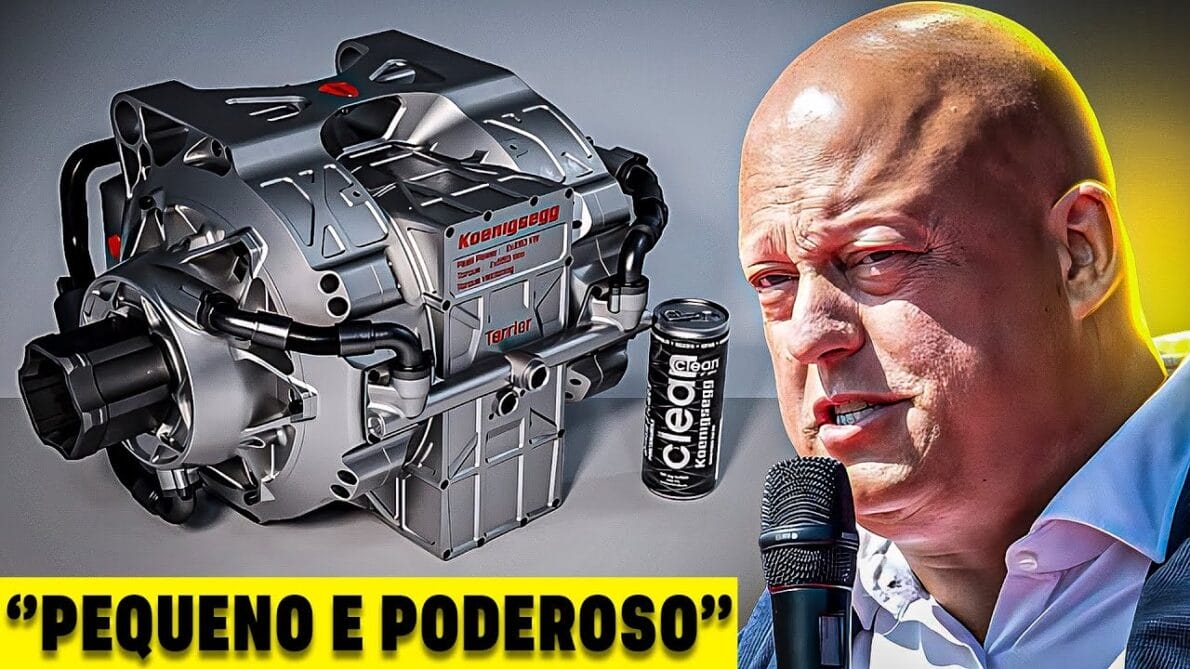

Koenigsegg Engine Promises to Revolutionize the Automotive Market. The New Electric Engine, Called the Quark Propulsor, Weighs Less Than 28 Kg and Delivers 340 Hp of Power.
Koenigsegg, the Swedish manufacturer of high-performance models, is also committed to the energy transition. The manufacturer, which introduced an innovative six-phase inverter, has now revealed its new electric engine and its first transmission dedicated to zero-emission vehicles. We are talking about the revolutionary Quark propulsor, which weighs less than 30 kg!
Introducing Koenigsegg’s New Engine – Quark Propulsor


The new electric engine, called the Quark propulsor, has a peculiar operation. Having to ensure very high levels of power and torque, as required by all cars manufactured by the brand, it adopts an architecture that combines the advantages of a radial engine (power) and those of an axial engine (more torque).
Precisely because of this dual structure, the technology has been called Axial Flow. Koenigsegg’s new engine is particularly lightweight and compact and, as mentioned, combines the layout of a radial flow engine, which is much more widespread in today’s electric cars, with that of an axial flow engine, more innovative, like the one produced by Yasa, a company that now belongs to Mercedes.
-
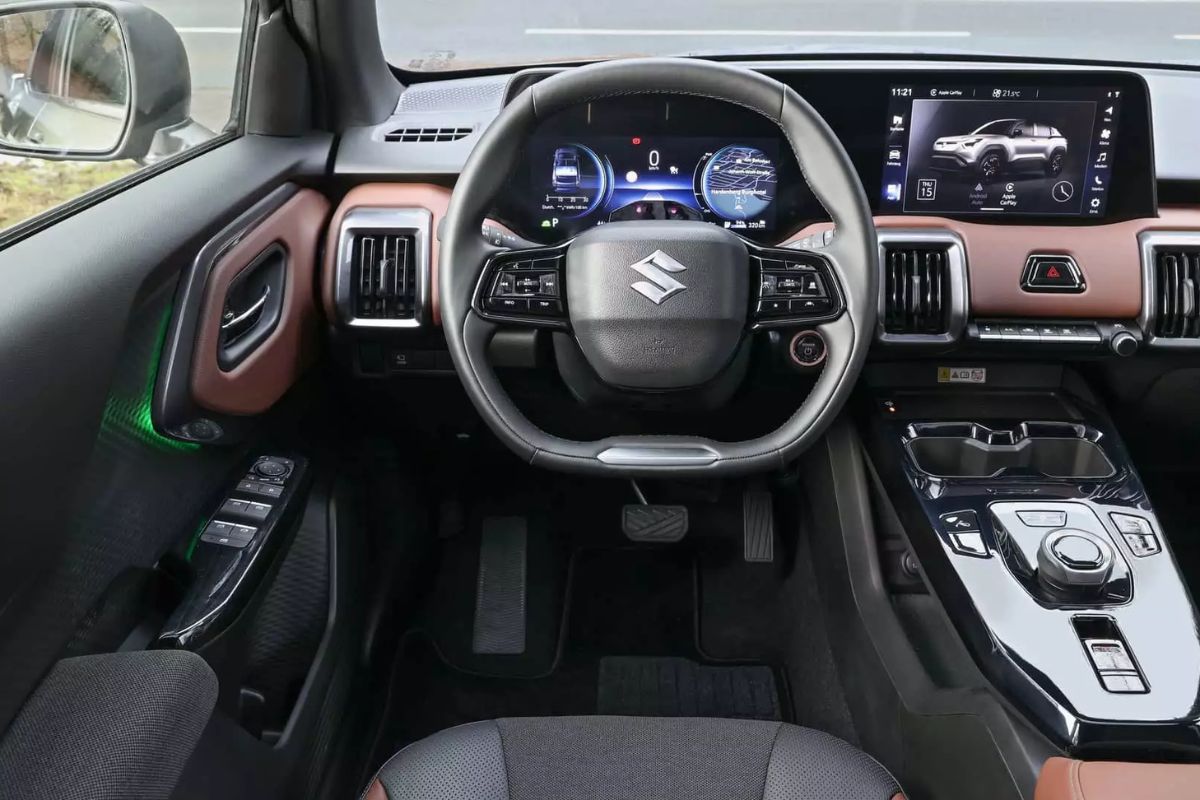
The 2026 electric Vitara arrives in Brazil and proves that Suzuki is not leaving: 4×4 traction, 184 hp, 61 kWh LFP battery, 293 km range, R$ 259,000, and a trunk capacity of 224 L.
-
Hyundai has unveiled the Boulder, a square SUV with a body-on-frame design, 37-inch mud tires, and carriage-style doors that seems to be made to take on the Ford Bronco and the Scout Traveller in the United States.

-
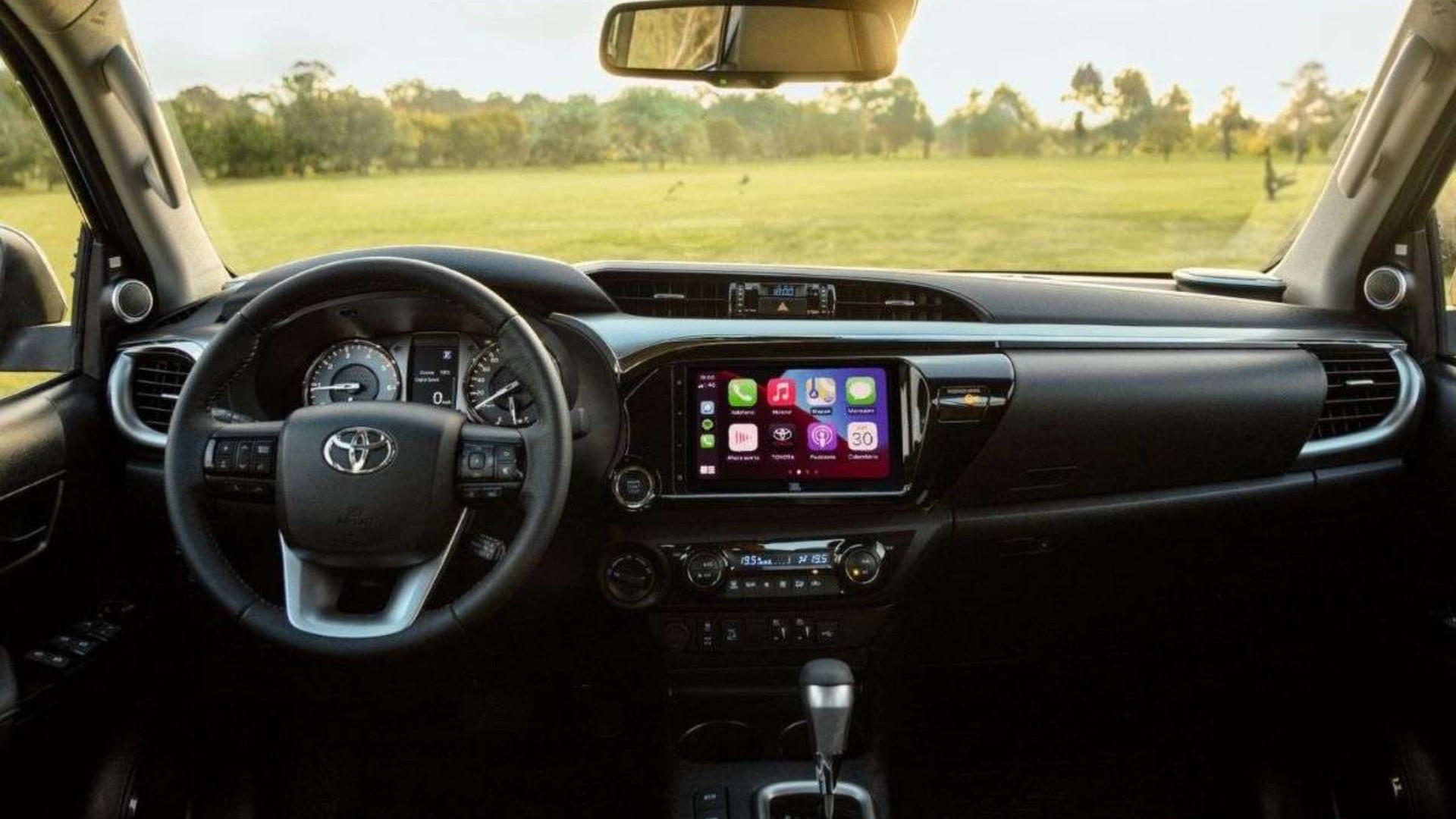
The Toyota Hilux is R$ 75.5 thousand cheaper and bets on the 2.8 turbodiesel engine with up to 204 hp and 50.9 kgfm to catch up with the VW Saveiro, which leads with 4,472 sales.
-
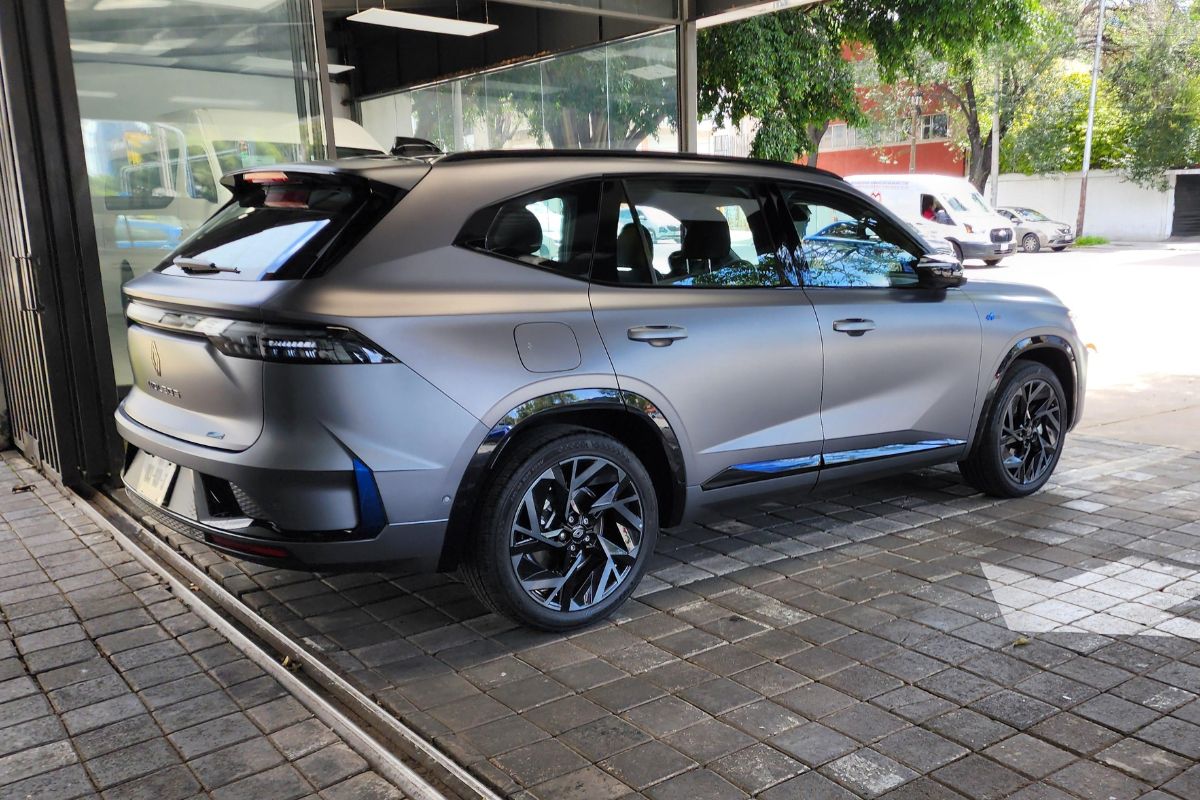
The new Renault Koleos has a screen exclusively for the passenger that is invisible to the driver, heated rear seats, and 29 assistance systems, but its Chinese competitors cost R$ 40,000 less and deliver more power.

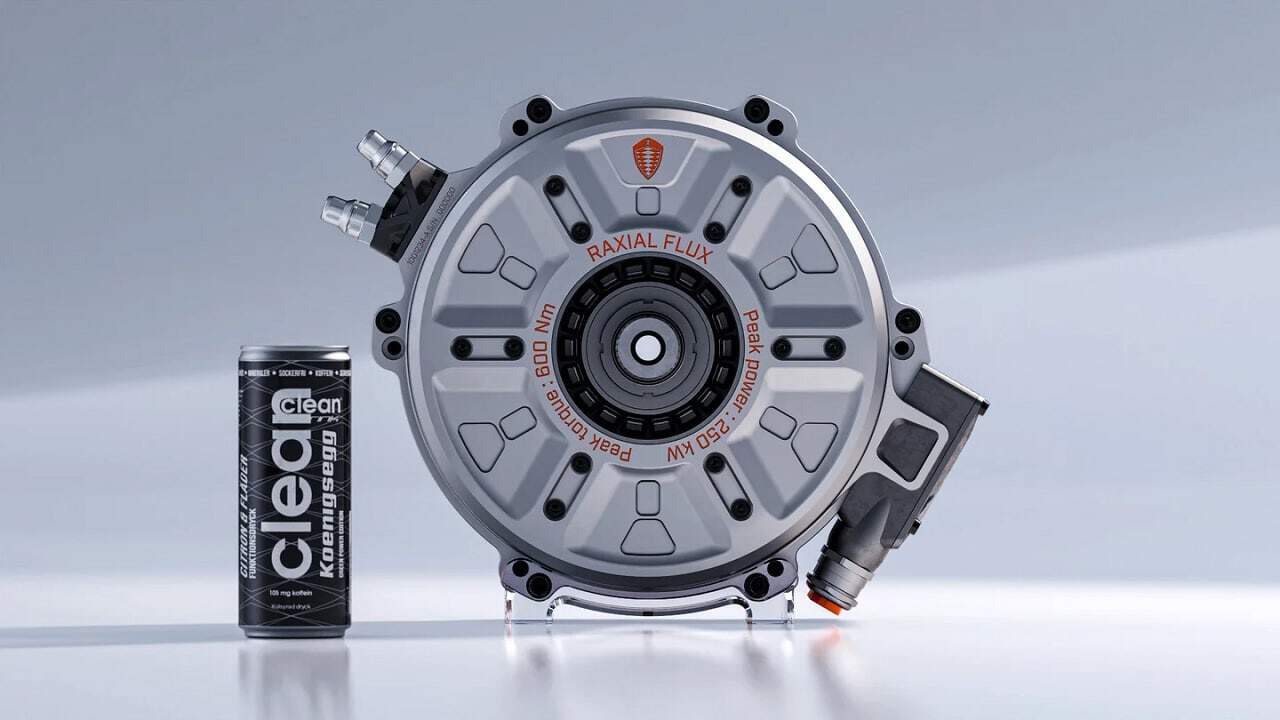
The first has a configuration of magnets acting on the edge of the rotor, and the second has magnets acting on one side (or both) of the rotor. The Chief Engineer of Koenigsegg, Dragos-Mihai Postariu, for the design of electric motors, stated that the Quark propulsor was developed to ensure strong leverage at low speeds.
With that, as can be seen in the Gemera (a hypercar with a plug-in setup capable of generating 1,700 hp), there are brutal accelerations even if you mount thermal engines whose power is only effective at high speeds. Due to Raxial Flux technology, it is possible to reach from 0 to 400 km/h with continuous thrust and no energy loss.

New Electric Engine Weighs Less Than 30 Kg and Delivers 340 Hp of Power
To develop the new electric engine, Koenigsegg opted for high-strength steels from the aerospace industry. According to Andreas Szekely, responsible for the development of the company’s electric motors, it was necessary to minimize weights as much as possible. Additionally, a direct cooling system was also adopted, which is more efficient and allows for a more compact layout.
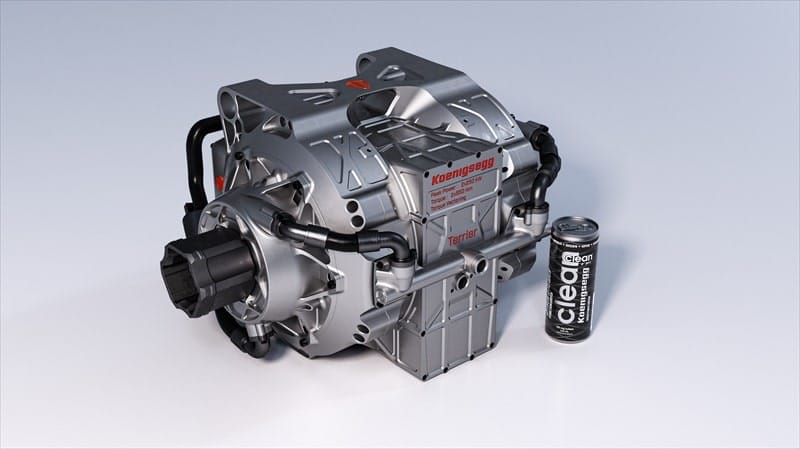
For the rotor, for example, Swedish technicians opted for Koenigsegg Aircore carbon fiber, which the company already uses for steering wheels, seats, and other components, and which has also been used by Unplugged Performance for the development of aerodynamic kits for Teslas.
Szekely states that the electric engine is lighter and smaller than the Gemera and believes there are no other motors in this class that are so compact.
No new electric engine weighing 30 kg can deliver 600 Nm of torque and 340 hp of power like the Quark propulsor. Without the necessary elements and accessories in the Gemera, the Quark reaches 28.5 kg.
Other Advantages of Koenigsegg’s New Electric Engine
There is another advantage related to this particular engine: it can be used in various areas without a transmission being mounted.
According to Koenigsegg’s CEO, Christian von Koenigsegg, there are equally compact engines with a high number of revolutions that can generate even greater peak power, but to push a car to certain speeds they must be combined with a gearbox, adding weight and losing efficiency. Instead, with the Quark propulsor, you can have direct transmission even in maritime or aerospace fields.
To transmit the motion to the wheels, the engine alone is not sufficient; therefore, Koenigsegg, which also partners with Rimac in the development of electric propulsion systems, developed a complete scheme called Terrier, which consists of 2 Quark motors and a David inverter.









No meu entendimento, esta tecnologia de veículos elétricos, só será satisfatoriamente entregue ao público consumidor, quando o veículo além de ter a regeneratividade energética, usar uma capacete células fotovoltaicas em toda sua estrutura externa, gerando e suprindo carga continuamente, estando ou não em movimento.
Simplesmente incrível
Evoluir para mobilidade 100% eletrica, vai fazer voce se livrar daquele motor ineficiente com centenas de pecas moveis. Nao vai mais precisar comprar e queimar combustivel, comprar e descartar oleo lubrificante, comprar e descartar velas, comprar e descartar filtros, comprar e descartar correias, e comprar e descartar aquelas pecas moveis que quebram com frequencia……
E de quebra vai rodar com performance superior e custo entre 1/4 e 1/5 do custo de um motor termico.
A mobilidade eletrica vai fazer com idustria de combustiveis o mesmo que a fotografia digital fez com a industria de filmes e papeis fotograficos.
Problema é um só,baterias,hegehe,fica mais caro que a manutenção do ciclo oto