





 Portuguese
  English
  Spanish
  9 min of reading
  0 comments


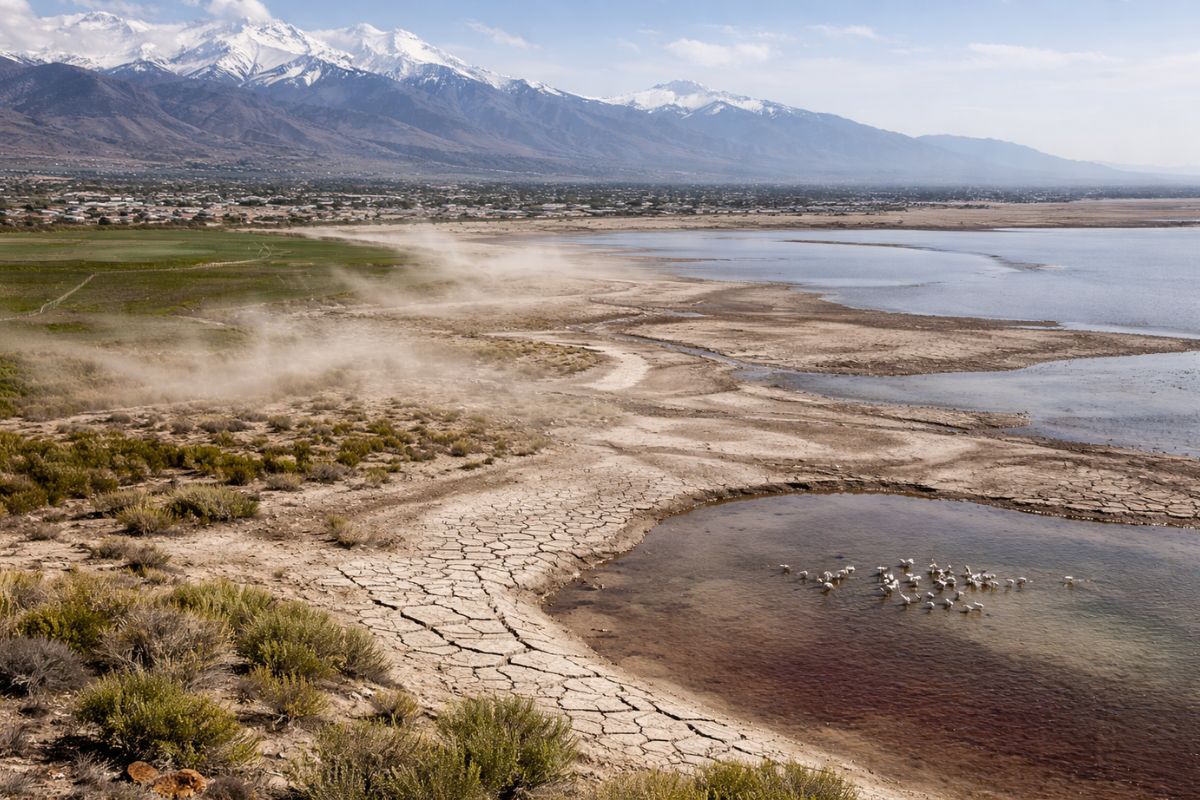
While The Great Salt Lake Sinks Into A Water Crisis In Utah, Toxic Dust With Arsenic Spreads, Affecting Health, Real Estate, Skiing, And Migratory Birds.
Researchers Warn That The Great Salt Lake May Disappear This Century, Transforming The Heart Of Utah Into A Giant Source Of Toxic Dust With Arsenic, Damaging Property Values, Affecting Skiing, Agriculture, And Millions Of Migratory Birds Along The Pacific Flyway.
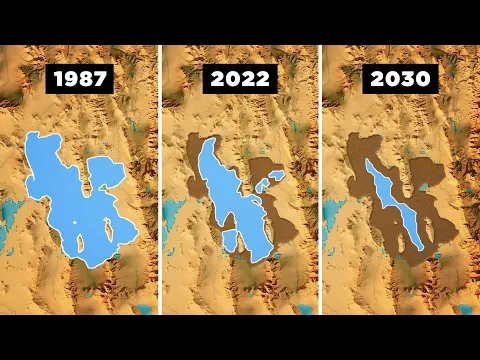
In Early 2023, A Report From Brigham Young University Sounded The Alarm: If Nothing Is Done Quickly, The Great Salt Lake, The Largest Navigable Salt Lake In The Western Hemisphere, Could Dry Up In About Five Years. Since Its Peak In 1987, The Lake Has Shrunk By More Than 71 Percent In Area, Leaving Behind A Dry Basin Larger Than The Island Of Maui. Despite A Temporary Respite With Record Snowfall Soon After, The Trend Remains Long-Term Decline In A State That Consumes Water Far Beyond What Its Rivers Can Replenish.
How The Great Salt Lake Came To The Brink Of Collapse
The Great Salt Lake Is The Successor Of A Much Larger Body Of Water, The Ancient Lake Bonneville, Which Existed During The Last Ice Age. During That Period, The Climate Was Colder, There Was More Rain, And Evaporation Was Lower.
-
With a cost per shot close to zero, the DragonFire laser could change naval warfare in 2027 and provide British ships with nearly unlimited defense against drones.

-
A British startup creates tires that generate electricity in electric vehicles when passing over potholes, speed bumps, and cracks.

-
Scientists have created robots made with living cells that have their own nervous system, swim on their own, explore the environment, and self-organize without any genetic engineering, and now they want to do the same with human cells.

-
Students create a solar-powered ambulance that operates without a plug, without fuel, and still keeps medical equipment running in remote areas.


Bonneville Covered About 51,000 Square Kilometers And Was Over 300 Meters Deep, An “Inland Sea” Comparable To Lake Michigan.
When The Climate Warmed And Rainfall Decreased, This Giant Lake Began To Shrink And Left Three Main Successors: Lake Sevier, Lake Utah, And The Largest Of Them, The Great Salt Lake.
Even In Its Reduced Size, It Remains One Of The Largest Lakes Entirely Within The United States By Surface Area And Supports One Of The Largest Oases Of Life Surrounded By Deserts In North America.
For Centuries, There Was A Delicate Balance. In Winter, Intense Snowstorms In The Wasatch Mountains Accumulated Snow. In Spring, Melting Snow Feeds The Bear, Weber, And Jordan Rivers, Which Discharge Water Into The Great Salt Lake.
The Lake Has No Natural Outlet; The Only Way It Loses Water Is Through Evaporation. Every Summer, The Water Level Dropped By About 60 Centimeters And The Following Year, The Snow Would Return That Volume. The Rivers Brought Minerals, The Water Escaped As Vapor, And The Salts Remained, Making The Lake Saltier Than The Ocean And Giving It Its Current Name.
This Balance Began To Collapse In The 20th Century, With Dams, Canals, And Pipelines Diverting Increasing Amounts Of Water From The Rivers For Agriculture, Industry, And Cities.
At The Same Time, Climate Change Has Warmed The Region, Increased Evaporation, And Further Strained The System.
An Urban Oasis Surrounded By Deserts

If You Look At The Map, The Great Salt Lake And Its Neighboring Lakes Form An Oasis Nestled Among A Series Of Deserts: Great Basin, Colorado Plateau, Arizona And New Mexico Plateaus, Mojave Desert, And Others.
In The Middle Of This Arid Landscape, A Green Corridor About 160 Kilometers Long Emerged Between The Lakes And The Wasatch Mountains, Where Urban Life Became Possible.
It Was There That, In 1847, Mormon Pioneers Settled, Founded Salt Lake City On The Banks Of The Great Salt Lake, And Built The Worldwide Headquarters Of The Mormon Church.
For Almost A Century, The Population Grew Slowly, Within The Limits Of What The Available Water Could Support. By 1950, The Wasatch Front Area Was Home To About 500,000 People.
From The Second Half Of The 20th Century, Everything Changed. Post-War, New Highways, Lower Cost Of Living Compared To California, And Spectacular Natural Scenery Transformed The Region Into A Migration Hub. By 1980, The Population Reached 1 Million.
In Just A Few Years, It Doubled Again. Today, More Than 2.8 Million People Live In The Urban Corridor Connecting Ogden, Salt Lake City, Clearfield, And Provo. More Than 80 Percent Of Utah’s Residents Are Concentrated In This Urban Front, Which Continues To Be Among The Fastest Growing Regions In The United States.
This Growth Brought Jobs, Real Estate, Construction, And Revenue. It Also Brought Immense Pressure On The Same Water Source That Sustains The Great Salt Lake. And That’s Where The Math Starts To Not Add Up.
The Math Of Water Does Not Add Up Anymore
Under Natural Conditions, The Great Salt Lake Received About 3.1 Million Acre-Feet Of Water Annually From The Rivers That Feed It, Plus About 600,000 Acre-Feet Of Direct Precipitation On Its Surface.
Annual Evaporation Was About 2.6 Million Acre-Feet. This Would Leave A Theoretical Margin Of 1.1 Million Acre-Feet For Human Use Without Compromising The Lake.
But The Reality Is Far From This Limit. Today, Humans Withdraw About 2.1 Million Acre-Feet Of Water Annually From The Upstream Rivers, Almost Double What Would Be Sustainable, And Companies Extracting Minerals From The Lake Itself Consume An Additional 200,000 Acre-Feet.
The Result: The System Has Operated With A Deficit Of Approximately 1.2 Million Acre-Feet Per Year For Years, Pushing The Lake’s Level Down Season After Season.
At The Same Time, Research Indicates That Human Emissions Of Greenhouse Gases Have Warmed Northern Utah By About 4 Degrees Fahrenheit Since The Early 20th Century.
This Increased The Evaporation Rate Of The Great Salt Lake And Accounts For Part Of The Decline Observed Since The Late 1980s.
The Largest Share Of The Decline, However, Comes Directly From Water Diversions For Agriculture, Cities, And Industry.
In 1987, The Lake Reached Its Most Recent Maximum Extent. From Then Until Early 2023, It Shrunk By More Than 71 Percent In Area. In Recent Years, It Has Received Less Than One-Third Of The Water That Used To Naturally Flow Through The Rivers Prior To The Mass Occupation Of The Region.
Thirsty Alfalfa, Green Lawns, And Stalled Politics

When Looking At Where This Water Is Going, The Picture Is Clear: The Largest Consumer Of The Water That Should Feed The Great Salt Lake Is Agriculture, Followed By Urban Uses That Are Often Inefficient.
Summing The Entire Watershed, About 74 Percent Of The Water Withdrawn From The System Goes To The Field. Within That, A Huge Slice Is Dedicated To A Single Crop: Alfalfa.
Alfalfa Has Adapted To Utah’s Soils And Climate, Can Be Harvested Several Times A Year, And Feeds The Cattle That Supply The State’s Dairy And Beef Industries, But Requires Gigantic Volumes Of Water.
Even So, Alfalfa Represents A Very Small Part Of Utah’s Total GDP. The State’s Economy Is Driven By Services, Technology, Tourism, Mining, And Construction, Not By Bales Of Hay. However, Politically, Touching Alfalfa’s Water Is Delicate.
Farmers And Ranchers Form The Economic And Electoral Base Of Rural Areas, Which Tend To Support The Same Political Group Dominating The Utah Legislature. Cutting Water From Alfalfa Means Picking A Fight With An Influential And Organized Base.
On The Urban Side, The Picture Is Also Revealing. Cities And Industries Consume A Relatively Smaller Share Of Total Water, But Use Much More Than They Need.
A Large Part Of Urban Water Is Spent On Outdoor Consumption: Bright Green Lawns In A Desert State, Gardens, Irrigation Of Residential And Commercial Areas.
On Average, Residents Of Salt Lake City Use More Water Per Person Per Day Than Residents Of Other Desert Cities Like Tucson Or Los Angeles.
Despite The Great Salt Lake Already Collapsing, Utah Continues To Approve Suburban Expansion And Plans For More Population Growth In The Wasatch Front For The Coming Decades, Without A Clear Plan To Halve Water Consumption, Which Is What Would Be Necessary To Stabilize The Lake.
Toxic Dust With Arsenic: The Disaster That Is Already Drawn
As The Great Salt Lake Recedes, What Appears Is Not Just Wet Sand. The Lakebed Has Accumulated, Over Decades, Mining Residues, Agriculture, Urban Runoff, And Coal Burning.
This Means That The Exposed Sediments Concentrate Contaminants Like Arsenic, Lead, Mercury, Copper, Antimony, Zirconium, And Other Toxic Metals.
With The Smaller Lake, More And More Of This Contaminated Surface Becomes Dry, Breaks Loose, And Is Carried By The Wind In The Form Of Clouds Of Fine, Highly Toxic Dust.
These Particles Can Worsen Respiratory Diseases, Increase Ocular And Cardiovascular Issues, Affect Fertility, And Raise The Risk Of Certain Types Of Cancer Among The Millions Of Residents In The Wasatch Front.
A Smaller Example Illustrates The Magnitude Of The Danger. The Salton Sea In Southern California Has Shrunk And Exposed A Bed Loaded With Pollution.
The Surrounding Area Has Only A Fraction Of The Population Living Near The Great Salt Lake, But Has Already Registered Three Times The State Average Of Childhood Asthma And Billions Of Dollars In Real Estate Losses Due To Dust.
The Great Salt Lake Has The Potential For A Much Greater Impact. The Area Of The Lake Is About Ten Times That Of The Salton Sea At Its Peak, And The Utah Metropolitan Area Is Several Times More Populous.
If The Lake Dries Up, Toxic Dust Storms Could Degrade Air Quality Throughout The Salt Lake Basin And Even Travel To Neighboring States Like Nevada, Idaho, Wyoming, Colorado, And Arizona, Contaminating Farmlands And Harming Other Communities.
Less Snow, Less Skiing, Less Water, Less Economy
The Collapse Of The Great Salt Lake Does Not Only Threaten Health And Real Estate. It Also Interferes With Snow, Tourism, And Long-Term Water Availability.
Today, The Lake Helps Intensify Winter Snowstorms Through The So-Called Lake Effect. The Cold Air Passing Over The Relatively Warmer And Moist Surface Of The Great Salt Lake Absorbs Moisture And, Upon Reaching The Wasatch Mountains, Dumps Snow Downwind.
This Mechanism Contributes To Utah’s Famous Snow, The Basis Of The Skiing And Snowboarding Industry.
With A Smaller Lake, This Effect Is Already Weakened. Studies Show That The Loss Of The Great Salt Lake Could Reduce Average Snow Coverage In The Wasatch Mountains By Several Percentage Points, Shortening The Ski Season And Decreasing Natural Water Recharge.
In Years When The Lake Has Been At Historically Low Levels, The Ski Season Has Ended Weeks Earlier Than It Would Under Normal Conditions.
This Is Serious For An Industry That Generates Billions Of Dollars A Year And Supports Tens Of Thousands Of Jobs.
Ski Resorts, Hotels, Restaurants, Stores, And The Entire Winter Tourism Chain Are In The Risk Zone, As Are Plans To Host Major Winter Sports Events In The Coming Decades.
Less Snow Also Means Less Meltwater Feeding Rivers, Agriculture, And Cities, Closing A Cycle Of Scarcity.
Additionally, The Loss Of The Lake Would Destroy An Entire Chain Of Activities Directly Linked To Saline Water. The Extraction Of Potassium, Salt, Magnesium, And Other Minerals, Which Currently Creates Thousands Of Jobs And Supplies Agriculture And The Packaging Industry, Would Disappear.
The Local Brine Shrimp Industry, Which Relies On The Great Salt Lake And Accounts For A Large Share Of The Global Supply Of Aquaculture Feed, Would Also Collapse, Taking With It Jobs And Economic Output.
The Lake Remains One Of The Most Important Points Along The Pacific Flyway, Sustaining Over 10 Million Birds A Year From Hundreds Of Different Species.
Without The Great Salt Lake, This Link Disappears, And The Entire Migratory Route Would Need To Reorganize, Impacting Biodiversity And Birdwatching Tourism.
Between Doing What Hurts Now And Paying More Later
In Light Of All This, The Message From Scientists Is Clear: Saving The Great Salt Lake Requires Halving Water Consumption In The System, Especially In Uses That Add The Least Value, Like Over-Irrigated Alfalfa And Green Lawns In The Desert.
This Means Facing Established Interests, Reevaluating Urban Growth Priorities, Adjusting Subsidies And Incentives, And Changing Consumption Habits Throughout The Wasatch Front.
The More Comfortable Path, Which Is To Do Nothing, Almost Guarantees A Scenario Of Toxic Dust, Falling Property Values, Collapse Of Entire Economic Sectors, And Loss Of Quality Of Life For Millions Of People.
The More Difficult Path, Which Is To Cut Water Now, Impacts Producers, Builders, And Consumers, But Avoids Turning The Great Salt Lake Into Yet Another Symbol Of Irreversible Environmental Collapse.
In Your Opinion, Will Utah Face Water Cuts To Save The Great Salt Lake Or Will The State Keep Pushing The Problem Until Another Great Lake Disappears From The Map?






-

Uma pessoa reagiu a isso.