





 Portuguese
  English
  Spanish
  5 min of reading
  0 comments



Living Abroad Has Stopped Being Just a Distant Project and Has Become Part of the Planning of Thousands of Brazilians, After Recent Changes in Migration Rules, Creation of Specific Visas, International Recruitment Programs, and New Requirements for Qualification, Language, and Income Verification for 2026
The interest in living abroad has increased in the face of economic uncertainties and the search for long-term planning. In response to labor shortages and an aging population, European countries have adjusted their migration policies, creating specific mechanisms aimed at foreign workers.
The information gathered comes from the account of a Brazilian resident in Europe, who describes opportunities available for Brazilians who wish to live abroad in 2026, focusing on work visas, government programs, and formal requirements, without involving immediate citizenship processes.
Italy Opens the Way for Those with Italian Heritage
The Italy appears as one of the main options for those planning to live abroad, especially for descendants of Italians. The country is facing a labor shortage and has created a work visa exclusively for foreigners with Italian heritage.
-
Beneath Mexico City lies an entire buried Aztec capital, and it all began when workers discovered a 3.25-meter stone disk featuring a dismembered goddess, revealing temples, skulls, and palaces beneath 22 million people.

-
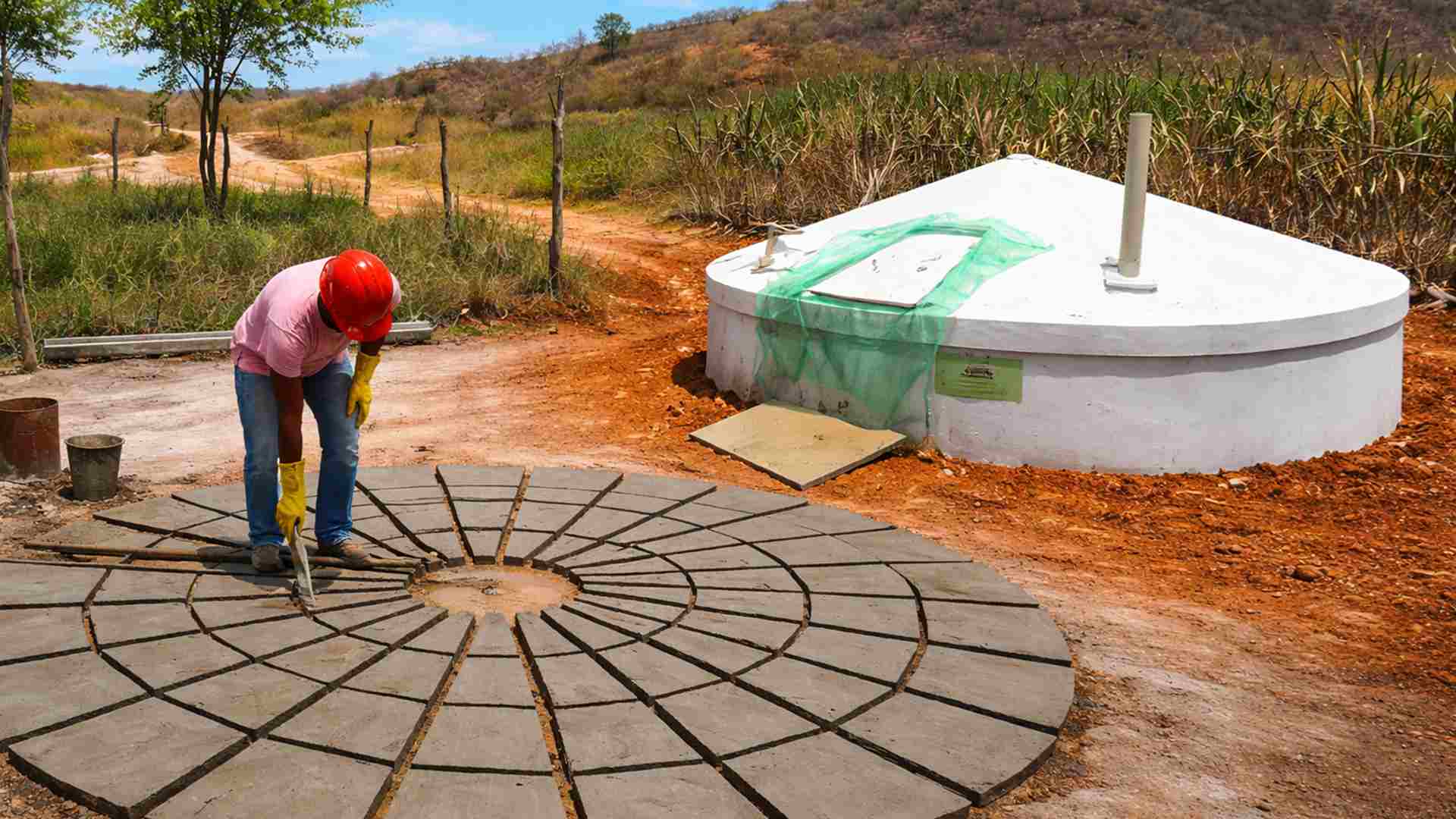
How to build a 35,000-liter cistern with 60 by 50 cm panels and rainwater for drinking and cooking without relying on water trucks or the city hall.
-
A woman went out for a regular walk and ended up finding a treasure buried for over 900 years, with more than 2,000 medieval silver coins compared by archaeologists to a lottery prize and considered one of the most significant finds in recent years in the country.

-
Scientists revealed 11 signs that very intelligent people exhibit in their daily lives, and most people have no idea that some of these common behaviors are directly linked to an above-average brain.


According to mentioned data, there are about 30 million descendants of Italians in Brazil, which represents approximately 15% of the population. This group has gained access to a specific visa, even without recognized Italian citizenship.
The main feature of this new visa is that it is not linked to the decreto flussi, the annual quota system that limits the number of work visas granted by the Italian government. This means that descendants can apply outside of this limitation.
To apply for the visa, it is necessary to provide documented proof of Italian origin and present a formal job offer from a company based in Italy. Recognition of citizenship is not required.
The Italian government aims to fill vacancies in sectors such as tourism, transportation, logistics, construction, and technology. The construction sector, in particular, has shown growth following recent changes in European housing rules.
Platforms like LinkedIn, Indid.it, Daarate, and lory.it are recommended as channels to seek employment from Brazil. The central recommendation is to start learning the Italian language before applying, as the language is considered essential for work and bureaucracy.
Health Professionals Have Special Rule Until 2027
For Brazilians in the health sector who wish to live abroad, Italy offers a temporary rule valid until December 31, 2027. The regulation allows doctors, nurses, and physiotherapists to work in the country without prior validation of their diplomas.
The measure is primarily aimed at doctors and nurses, addressing the urgent demand of the Italian health system. The guidance is to take advantage of the timeframe, as the validity of the rule is limited.
This mechanism reduces one of the main barriers faced by foreign professionals and expands the possibilities for quick insertion into the job market.
Germany Invests in Qualification and Points System
The Germany emerges as an alternative for those wishing to live abroad based on professional qualifications. The country launched the Chance Card, a visa that allows individuals to stay for up to one year in Germany to seek employment.
The system works on a points basis, similar to models adopted by Canada and Australia. Candidates fill out a profile with information about education, professional experience, and language knowledge, accumulating points for eligibility.
In-demand areas include technology, engineering, construction, electricians, welders, plumbers, and health. Unlike Italy, Germany requires proof of German language proficiency for most positions.
The Chance Card allows Brazilians to arrive in the country without a prior job offer, increasing direct contact with companies and enhancing local hiring chances.
Additionally, there is the Working Holiday Visa, aimed at Brazilians between 18 and 30 years old. This category allows individuals to stay for up to one year in the country without requiring education, qualifications, or language proficiency.
During this period, young people can work temporarily and, if they find an opportunity, migrate to another type of visa. It is seen as a gateway for those considering living abroad for the first time.
Spain Offers Citizenship in a Reduced Time
The Spain is highlighted as one of the most advantageous options for those seeking to live abroad in the long term. The main difference is the possibility of applying for Spanish citizenship after two years of legal residence.
The digital nomad visa has become one of the most sought-after, allowing professionals to work remotely for foreign companies, including Brazilian ones, without an employment relationship with Spanish companies.
One of the requirements is to provide proof of a minimum monthly income of €2,600. The visa caters to different professional profiles and has been used by remote workers.
Another alternative is the traditional work visa. Spanish companies recruit foreigners through platforms like LinkedIn, Fojobs.net, and Tecnoemplo, and some cover the costs of the migration process.
This model facilitates the transition and regularization, creating a clear path to legal residency and subsequent application for citizenship.
Finland Recruits Brazilians Directly from Brazil
The Finland emerges as a destination that has been actively investing in attracting Brazilians. The government, through the Working Finland program, participates in recruitment events in Brazil and conducts in-person selections in São Paulo.
According to the presented account, the Brazilian professional profile is valued in the Finnish market for complementing local cultural characteristics. To reinforce this strategy, the Discover Finland project was created.
The program offers free mentoring, assistance in building resumes, and guidance for selection processes, preparing the candidate even before their move. The proposal is to facilitate hiring before the relocation.
This approach indicates that Finland does not expect the professional to arrive in the country on their own, but actively seeks foreign talent.
Planning Defines Who Can Live Abroad
The options presented show that living abroad in 2026 is viable through legal pathways, as long as the interested party evaluates language, professional area, and specific requirements of each country.
Italy, Germany, Spain, and Finland adopt different strategies, but all aim to meet labor market demands with clear rules and structured programs.
The author of the account emphasizes that she does not act as an immigration consultant but shares her own experience as an immigrant in Italy. The goal is to present practical information and broaden the range of choices.
By gathering these four countries, the landscape shows that, despite restrictions in some contexts, Europe keeps opportunities open for Brazilians who organize in advance and conduct the process in a planned and informed manner.








-

-

-

-

-

11 pessoas reagiram a isso.