





 Portuguese
  English
  Spanish
  6 min of reading
  6 comments


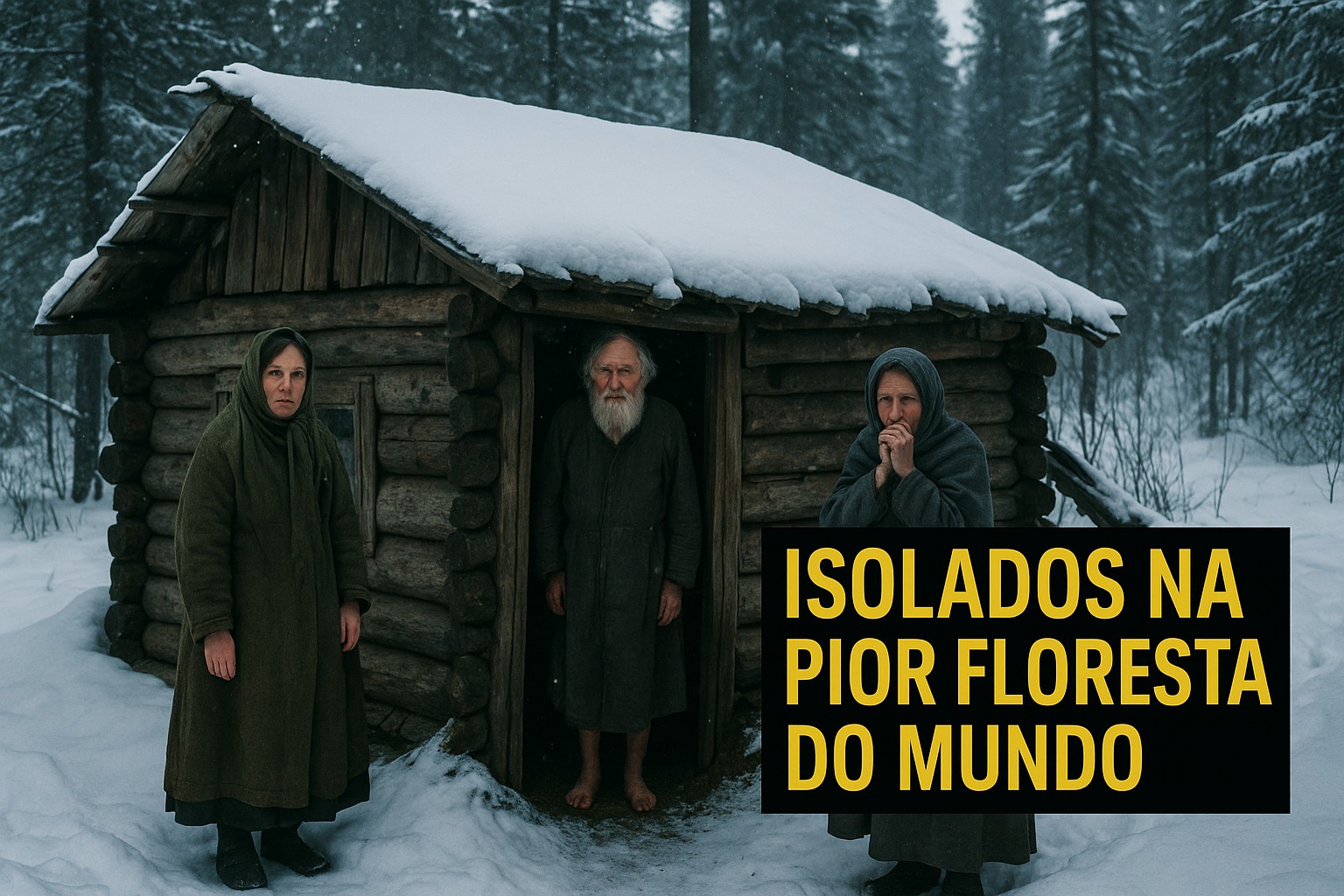


In The Midst Of The Frozen Expanse Of Siberia, A Family Lived Four Decades Isolated From The Modern World, Sustained Only By Faith, Nature, And The Will To Survive
The Siberian taiga is one of the last wild regions on the planet, with dense forests, raging rivers, and winters that last nearly all year round. It was in this extreme environment that, in 1978, a group of Soviet geologists made one of the most remarkable discoveries of the 20th century.
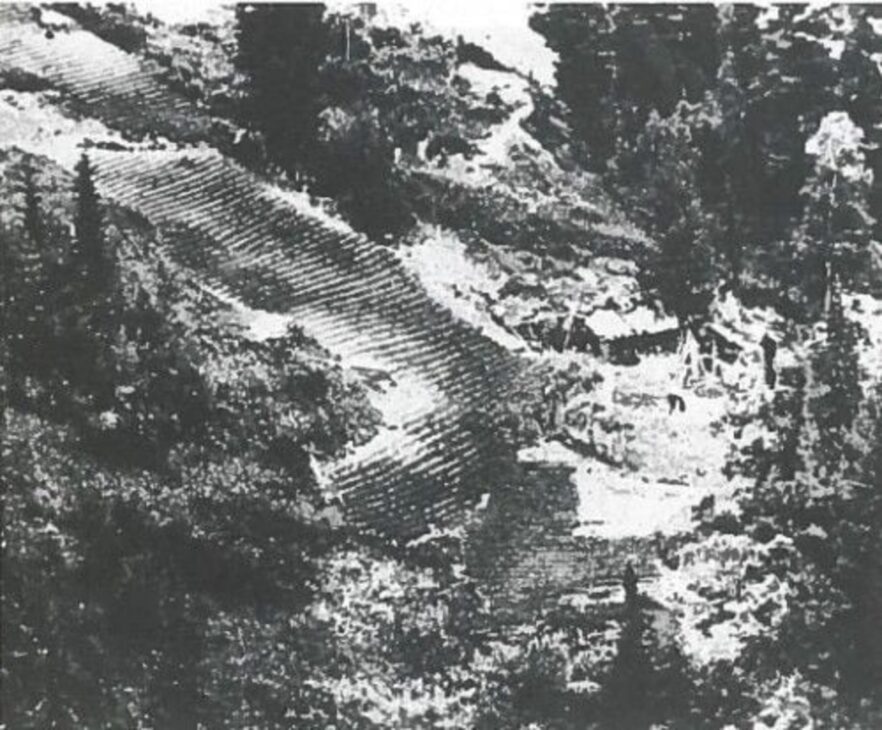
During a reconnaissance flight near the border with Mongolia, the team noticed a rectangular clearing in the middle of the frozen expanse, with marks indicating human cultivation, even though the location was over 240 kilometers from any known village.
The surprise was immediate. There were no records of residents in that isolated part of the forest. Driven by curiosity, the scientists decided to investigate.
-
These living root bridges and ladders are over 700 years old and help indigenous people survive in one of the rainiest regions in the world.

-
From sertanejo star to international investor: Ana Castela invests millions in a mansion in the USA, creates a themed accommodation in Orlando, and shows that the “boiadeira” also wants to grow away from the stage.

-
The 10 most stunning motorhomes in the world: a $3 million trailer with a rooftop nightclub and garage for a Ferrari, “palaces on wheels” with Italian marble, private cinema, and five-star hotel luxury for billionaires.

-
Trump wanted to spend $400 million on the White House, but the courts prohibited the million-dollar construction.



A Frozen Encounter In Time
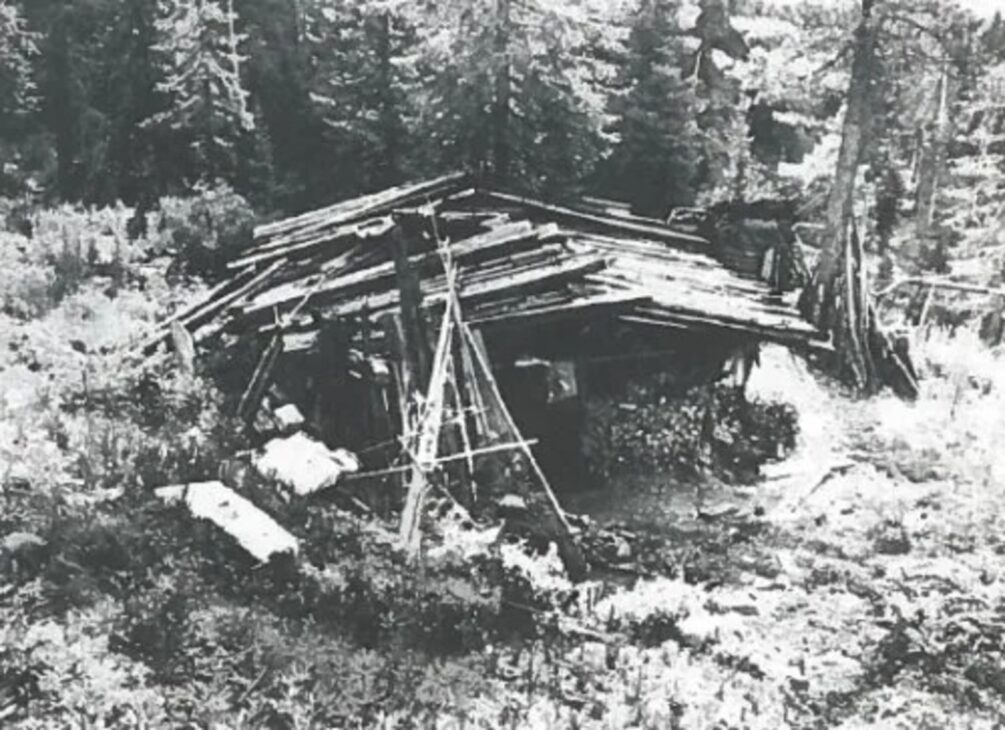
Following the coordinates, the geologists progressed through the wilderness until they found a rudimentary cabin made of logs.
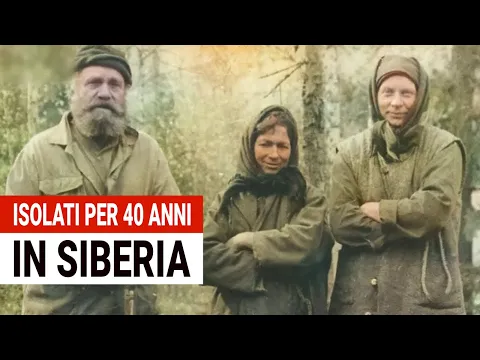
As they approached, an elderly man appeared, barefoot and frightened. He was Karp Osipovich Lykov. Behind him, two women were making the sign of the cross and crying. The scene looked like it was from another century.
In the following days, the visitors discovered that the family had lived completely isolated for over forty years, with no contact with the outside world.
Escape by Faith And The Beginning Of Solitude
Karp was a “Old Believer,” a follower of an orthodox branch that resisted the Russian religious reforms of the 17th century.
During the atheistic campaigns of the Soviet Union in the 1930s, his brother was killed, which led him to flee with his wife Akulina and two small children to the heart of the forest.
Year by year, the family drifted further away, until they completely lost contact with civilization.
In the taiga, two more children were born, Dmitry and Agafia. All grew up knowing nothing but the forest.
Childhood Without Civilization
Without school, electricity, or any form of communication, the children learned to read using only the Bible and old prayer books. The lessons were drawn with birch twigs, and learning followed the rhythm of the seasons.
They were unaware of the outside world. They did not know what wars, satellites, planes, or governments were. Time was measured by the harvests and religious rituals. Life consisted of work, faith, and endurance.
The Hard Routine And The Limits Of Survival
The clothes were woven from the flax they cultivated. Pans, when broken, were replaced by containers made from tree bark. Winter struck mercilessly.
In the 1950s, harvests began to fail. In 1960, a snowstorm destroyed the entire crop. Without food, the family began to eat roots and leather. Akulina, the mother, sacrificed herself to spare her children and died of hunger in 1961.
What saved the survivors was a single rye grain that germinated, allowing them to slowly begin planting again. From it, they rebuilt their livelihood, preserving each seed like a treasure.
The Discovery That Changed Everything
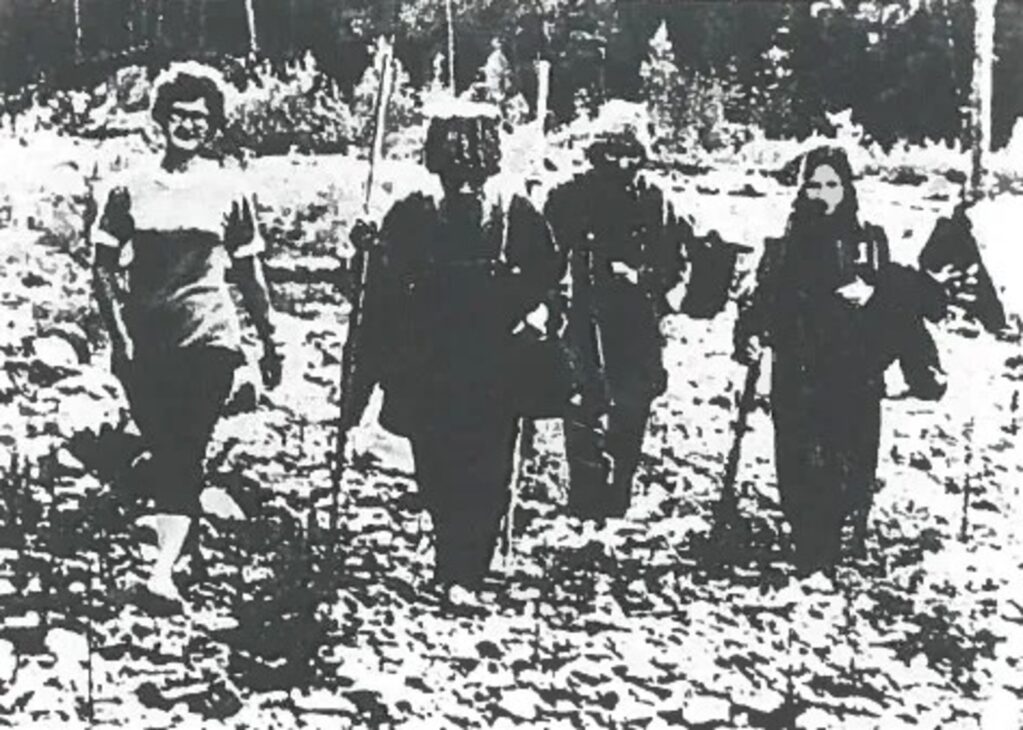
When the geologists finally arrived in 1978, they were amazed by the ingenuity of the Lykov family.
Dmitry, the eldest son, walked for kilometers in the snow without shoes. Agafia, the youngest, displayed unusual curiosity and strength.
Karp, now aged, remained firm in his religious traditions and rejected almost everything the visitors offered.
He accepted only salt, which had been absent for forty years. Later, he allowed them to take blankets and some seeds.
The scientists were surprised by the family’s calmness and faith. Television intrigued them, but they preferred to return to their prayers.
The Tragedy After The Reunion
The joy of reunion with the modern world was short-lived. In 1981, just three years after the discovery, three of the four children died.
Savin and Natalia, weakened by a lack of nutrients, suffered renal failure. Dmitry fell ill with pneumonia after helping the visitors and refused treatment, faithful to the idea of not abandoning the forest.
Only Karp and Agafia remained. Even with help and offers of shelter, they refused to leave.
The Choice To Remain In The Taiga
As time passed, the Soviet government tried to convince them to move. They offered a house, medical assistance, and security. Nothing worked.
Agafia even visited nearby towns, but returned deeply disturbed. The noise, haste, and pollution left her in shock. She said she preferred the silence and purity of the forest, even with hunger and cold.
When Karp died in 1988, she buried him alone, helped only by some geologists who kept in touch. After that, she decided to stay there, faithful to the family traditions.
The Last Lykov And Her Life In The Forest
Over the decades, Agafia became a legendary figure. She continued living in the same clearing, amidst the taiga, sustaining herself with a small garden and the occasional hunt.
Due to her age, she began to accept outside help. Volunteers began bringing food, tools, and medicines.
A Russian businessman even built a new wooden house for her to face the winter more safely.
Even so, Agafia never left the forest. She sleeps surrounded by pines and wakes to the sound of the wind.
The Lykov Family: The Symbol Of Human Resistance
The story of the Lykovs continues to fascinate because it represents the extreme of faith and human endurance. They renounced everything – comfort, society, technology – in the name of a spiritual conviction.
For almost half a century, they lived invisible to the world, sustained only by work and belief. When they were found, they seemed like time travelers.
The faith that isolated them also kept them alive. Each prayer and each harvest were ways to survive spiritually and physically.
Agafia, The Guardian Of A Way Of Life
Today, Agafia is the last guardian of this story. She continues to follow the same rhythm her father established: wake up early, pray, tend the garden, and keep the fire burning.
Despite the limitations of age, she has no thoughts of leaving the taiga. For her, isolation is not punishment, but destiny.
In the cabin, time seems still. Winter arrives, snow covers the mountains, and everything remains the same. Each season reinforces the cycle of survival and faith.
The Story Of The Family That Defies Time
The case of the Lykovs became a symbol of an almost incredible resistance. The family lived on the fringes of the 20th century, facing cold, hunger, and loneliness without ever renouncing their beliefs.
Their journey shows how far a human being can go in the name of faith. Even after the deaths of her brothers and father, Agafia remained true to the legacy.
As the world changes, the small piece of forest where she lives remains untouched. There, time does not run. Nature dictates the rules.
The Essence Of Fidelity And Loneliness
Agafia’s life is, today, a mixture of memory and resistance. She symbolizes the strength of those who choose to remain true to their convictions, even in the face of all changes.
The taiga remains cold, vast, and silent. But inside that simple cabin, there is still a flame burning.
It is the faith that resisted the century, the loneliness that became destiny, and the story of a woman who refuses to leave the world she has always known.
With information from Smithsonianmag.






É inacreditável esse fato .O mundo é cercado de mistério!,Só a fé para sustentar uma vida dessa tão temerária!
Impressionante a história desta família, a semente de centeio que restou poderia significar a semente do cristianismo que quase foi dizimado na Rússia por Stalin.
Onde compravam suas roupas?
Do lado onde moravam tinha uma loja da Renner. Eles trocavam sementes por roupa e perfume!
De acordo com a matéria, eles tecia suas roupas com linho que cultivavam.
…Stalin era tão “maluco” quanto Hitler!…matou milhões com a ideia do Expurgo!…que descanse lá no inferno juntos…os doiskkkkk…😈