





 Portuguese
  English
  Spanish
  5 min of reading
  0 comments



With An Investment Of R$ 60 Million, Ludfor Strengthens Projects In PCHs And Reinforces Its Commitment To Renewable Energy And The Energy Transition In Brazil
On October 2, 2025, Ludfor announced an investment of R$ 60 million in Small Hydroelectric Plants (PCHs), aiming to expand its operations in the production of renewable energy and accelerate the energy transition in Brazil.
The information was disclosed by the newspaper Estadão, highlighting the company’s strategic move to diversify its energy matrix and strengthen sustainability in the national electrical sector.
Strategic Expansion Of Ludfor Focused On Renewable Energy
This investment marks a significant advance in the search for clean and efficient energy solutions, aligned with global climate goals and the demands of the Brazilian market.
-
The Brazilian state accelerates industrial competitiveness with a focus on the extraction of strategic minerals to boost the energy transition in Goiás.

-
A Canadian retiree creates a hydroelectric system on a real river, generating energy continuously throughout the day and demonstrating how the power of water can supply a house with stability even in a simple structure.

-
Petrobras reaffirms its commitment to the market and ensures that it will carry out the energy transition safely to maintain national sovereignty.

-
Researchers discover a possible hydrogen deposit of up to 46 million tons beneath an ancient coal basin, and the volume could exceed half of the entire global production.


Ludfor, a mining company with over 20 years in the free energy market, is taking an important step by investing in its own generation. The initial focus will be on acquiring and developing PCHs in the South and Southeast regions of Brazil, where there is a higher concentration of assets with generation potential.
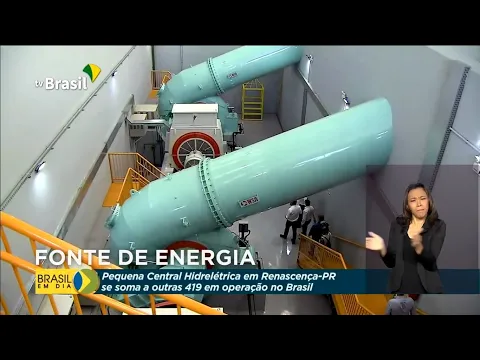
Small Hydroelectric Plants are projects with an installed capacity between 5 MW and 30 MW, recognized for their low environmental impact and high efficiency. The choice of this model reinforces Ludfor’s commitment to sustainability and the provision of quality renewable energy.
According to the company’s CEO, the goal is to integrate its own generation into its trading portfolio, offering greater predictability and competitiveness to customers. This strategy also strengthens Ludfor’s position as an active player in the Brazilian energy transition.
PCHs As A Vector For The Clean Energy Transition
Ludfor’s bet on PCHs aligns with the global trend of diversifying the energy matrix. According to data from the National Electric Energy Agency (ANEEL), Brazil currently has more than 400 PCHs in operation, representing about 3% of the national installed capacity.
These plants offer advantages such as shorter construction time, lower environmental impact, and proximity to consumption centers, which reduce transmission losses. Additionally, they are considered stable and reliable sources, contributing to the country’s energy security.
By investing in PCHs, Ludfor reinforces its role in building a cleaner, more efficient, and decentralized energy system.
R$ 60 Million Investment By Ludfor To Accelerate Renewable Generation
The investment announced by Ludfor will be directed towards acquiring already operational assets and developing new projects. The expectation is that the initial operations will be completed by the second half of 2026, with the capacity to generate about 100 GWh per year in renewable energy.
Part of the resources will also be used to modernize existing assets, incorporating automation and remote monitoring technologies. This will allow for greater operational efficiency and cost reduction, as well as ensuring better control over energy production.
This robust investment positions Ludfor as a leading player in the Brazilian energy transition, contributing to meeting climate goals and consolidating a more sustainable energy market.
The Role Of Ludfor In The National Energy Transition
The energy transition is one of the main global challenges today. In Brazil, this process gains momentum with the increasing participation of renewable sources in the electrical matrix. According to the Ministry of Mines and Energy, more than 80% of the energy generated in the country comes from clean sources such as hydropower, wind, and solar.
Ludfor’s entry into the self-generation segment strengthens this scenario, promoting greater decentralization and innovation. Moreover, initiatives like this help reduce dependence on fossil sources and mitigate the impacts of climate change.
Studies from the Energy Research Company (EPE) indicate that the potential for expanding PCHs in Brazil exceeds 20 GW, representing a significant opportunity for investors and operators in the sector.
Benefits For Consumers And The Environment
Ludfor’s operations in renewable generation through PCHs bring direct benefits to consumers in the free energy market. With self-generation, the company will be able to offer more competitive contracts, with greater price predictability and lower exposure to market volatility.
Furthermore, the use of renewable sources contributes to the preservation of natural resources and the reduction of the carbon footprint of contracting companies. This sustainable approach is increasingly valued by consumers and investors seeking solutions aligned with ESG (Environmental, Social, And Governance) practices.
The initiative also positively impacts local communities, generating jobs, promoting regional development, and strengthening energy infrastructure.
Renewable Energy As A Driver Of Innovation And Competitiveness
Ludfor’s decision to invest in PCHs reflects a strategic vision for the future. In an increasingly competitive market, the ability to offer sustainable and efficient energy solutions is an important differentiator.
In addition, renewable generation allows for greater control over costs and operations, reducing risks and increasing predictability. This is especially relevant in the context of energy transition, where the demand for clean sources tends to grow exponentially.
Ludfor demonstrates that it is possible to reconcile profitability, innovation, and environmental responsibility, contributing to a more modern and resilient electrical sector.
Prospects For The PCH Sector In Brazil
The PCH market in Brazil presents great growth potential. According to the ABRAPCH (Brazilian Association Of PCHs And CGHs), there are more than 1,000 projects in the licensing or study phase, indicating a strong demand for investments and technological development.
The entry of companies like Ludfor into this segment is an indicator of the sector’s maturity and attractiveness. With appropriate public policies and regulatory incentives, PCHs can consolidate as one of the main sources of renewable energy in the country.
Furthermore, the integration of digital technologies and intelligent management systems can further enhance the efficiency and competitiveness of these enterprises.

Paths To A Sustainable Energy Future
Ludfor’s announcement represents more than a financial investment — it is a commitment to the future of energy in Brazil. By betting on PCHs, the company reinforces its mission to promote clean, accessible, and efficient energy solutions.
This strategic move contributes to building a more sustainable, resilient electrical system that aligns with the demands of the 21st century.
Focusing on innovation, environmental responsibility, and renewable generation, Ludfor positions itself as a reference in the sector, inspiring other companies to follow the same path.
The energy transition is not just a trend — it is a necessity. Initiatives like this show that Brazil is capable of leading this process with intelligence, strategy, and a commitment to sustainable development.








Seja o primeiro a reagir!