





 Portuguese
  English
  Spanish
 5 min of reading
  90 comments


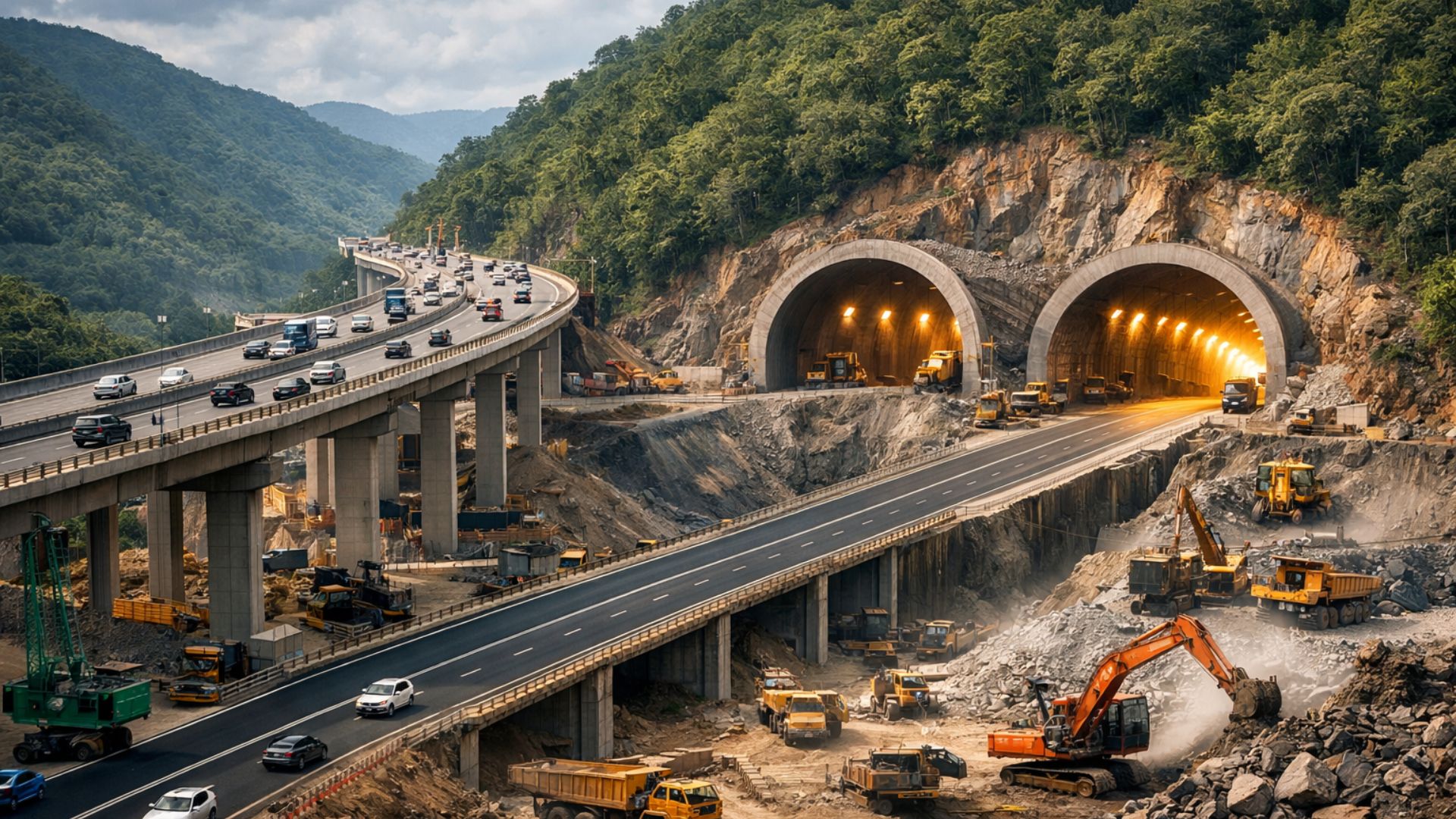


Billion-Dollar Investment Unlocks Old Project on BR-101 in Santa Catarina, Plans Tunnels on Morro dos Cavalos, Reorganizes Concessions, Involves DNIT and the Ministry of Transportation, and Arises After Successive Interdictions That Exposed Logistical Fragilities in One of the Most Strategic Road Corridors in the South of the Country.
The federal government announced the construction of two tunnels on Morro dos Cavalos, a section of BR-101 in Palhoça, in Greater Florianópolis, with estimated investment of up to R$ 3 billion and completion forecast in 2029.
The announcement was made during the caravan On the Road of Brazil – South Edition, an initiative of the Ministry of Transportation that travels along strategic highways to monitor works and talk to users of the federal network.
The proposal, drafted by DNIT, comes with a contractual reorganization that transfers about 23 kilometers of the highway, between km 221 and 244, from the contract of Arteris Litoral Sul to the concession operated by CCR ViaCosteira.
-
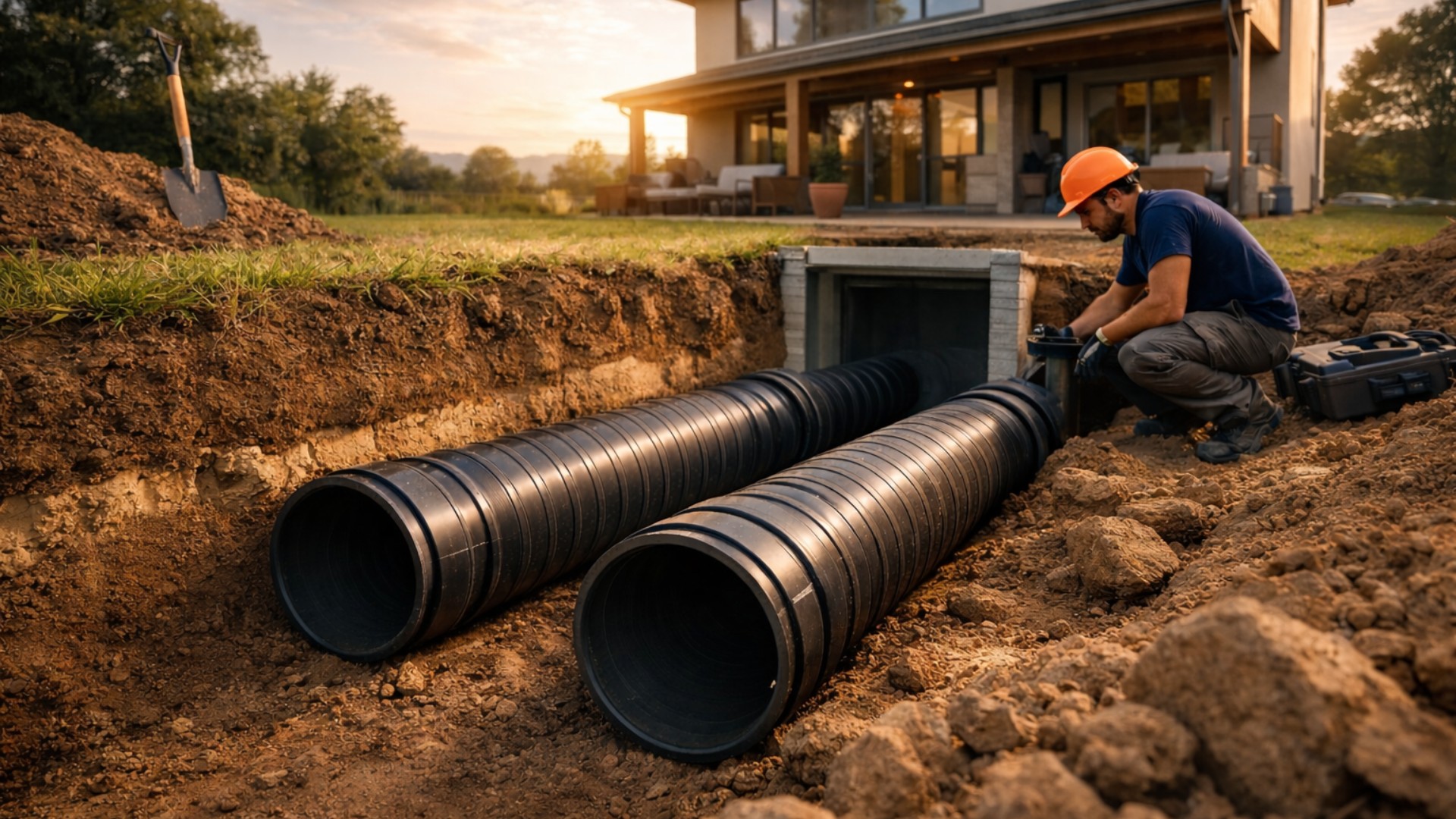
Architects are burying plastic pipes 2 meters deep and using ducts up to 30 meters long to cool homes without electricity, with low-consumption fans and natural heat exchange that drastically cuts the electricity bill.
-
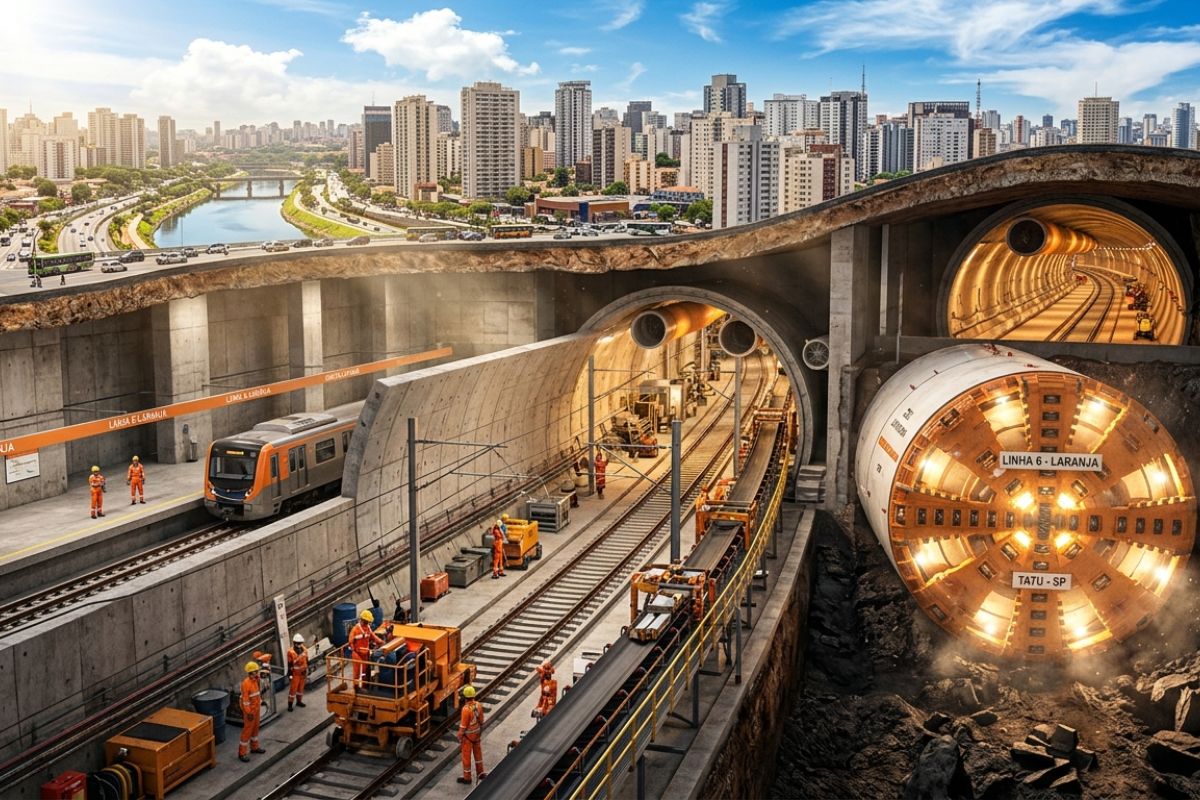
Under São Paulo, Line 6-Orange reaches 15.3 km and 15 stations, promising 23 minutes from Brasilândia to the Center and 633,000 passengers per day; with autonomous trains, it will open a partial section in October 2026.
-
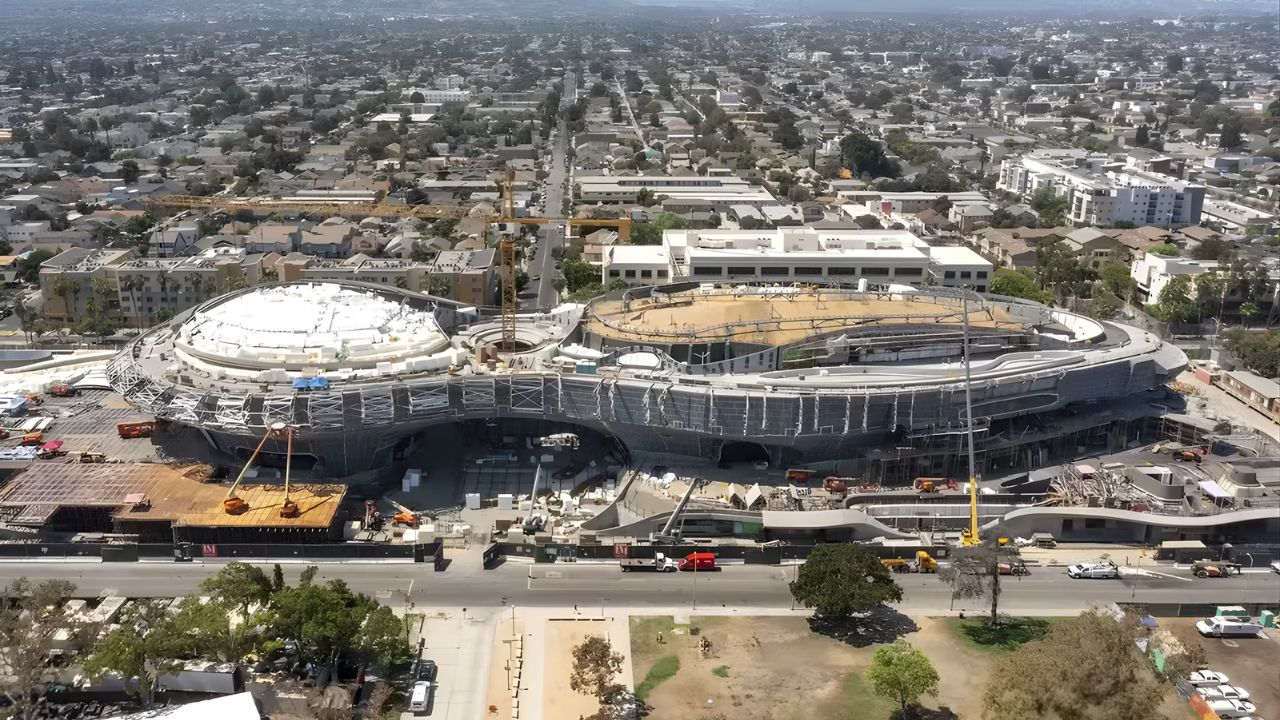
Created by George Lucas with over $1 billion, a futuristic museum in the shape of a spaceship with 1,500 curved panels is about to open in Los Angeles and will house one of the largest private collections of narrative art in the world.
-
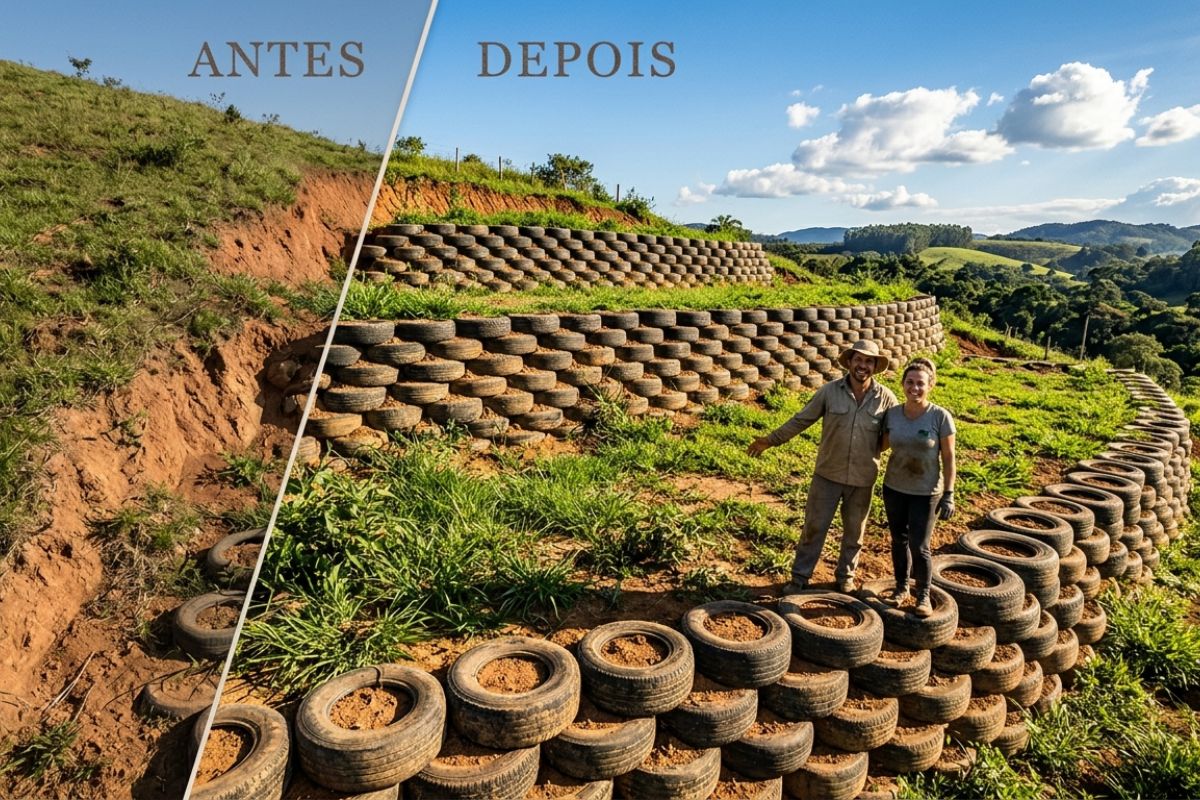
Couple shows how they built a retaining wall on their property using 400 old tires: sloped land turned into plateaus, tires are aligned, filled, and compacted with layers of soil, with grass helping in support and at almost zero cost.

The initiative gained momentum after a series of interdicts and recurrent traffic jams in the area, including a total blockage caused by a landslide and damage to the road during an intense rain episode in April 2024.
At that time, traffic was compromised for more than two days, affecting alternative routes and the flow of cargo.
Tunnel Project Aims for Safety and Smooth Flow on Morro dos Cavalos

The plan provides for two tunnels designed to increase safety and improve flow at one of the most sensitive points of BR-101 in Santa Catarina.
The Ministry of Transportation informed that the project already has an environmental license and will be conducted in dialogue with indigenous communities in the region, a topic that has historically been part of discussions about interventions around the hill.
During the announcement, the Minister of Transportation, Renan Filho, stated that the project is defined and that the solution will be the construction of two tunnels.
“The solution will be the construction of two tunnels, with total safety, in agreement with the indigenous peoples and without burdening the society of Santa Catarina,” said the minister, detailing that the project is already completed, has an environmental license, and was developed by DNIT.
Although the schedule can still be adjusted, the government is working with a contractual deadline of up to 12 months for the start of the works.
The official prediction indicates completion in 2029 and a total schedule of 48 months, with 36 months allocated for carry out the interventions at Morro dos Cavalos.
Change in Concession Alters Control of BR-101
The central piece to enable the work is the transfer of the section between concessionaires.
According to the Ministry of Transportation, the segment between km 221 and 244 will no longer be part of the contract of Arteris Litoral Sul and will pass to the contract of ViaCosteira, managed by Motiva.

The formalization should occur through contractual addenda.
In the government’s communication and in local reports, the justification presented is to create more favorable contractual conditions, with the expectation of keeping lower tariffs and opening up space for an investment that was not accounted for in the previous arrangement.
It was also recorded the promise that there will be no tariff increase until the works begin.
The change also affects the toll booth of Paulo Lopes, which should be transferred to the management of ViaCosteira starting in August 2026.
Historical Bottleneck Exposes Logistical Fragility of the Highway
For those who rely on the road, the announcement represents the prospect of ending a routine marked by delays and losses.
Truck driver for seven years on Morro dos Cavalos, Moisés Silva de Oliveira, who transports fruits and vegetables to Rio Grande do Sul, São Paulo, Rio de Janeiro, and Espírito Santo, reported the constant impacts of the interdicts on the stretch.
The Morro dos Cavalos concentrates local, tourist, and cargo traffic in a corridor that connects strategic regions of the South to the Southeast of the country.
In practice, any occurrence on the stretch tends to radiate effects beyond Greater Florianópolis, with queues forming quickly and impacting delivery deadlines and daily travel.

This scenario became evident during the April 2024 interdict, when the landslide led to preventive blockages at different kilometers of the stretch.
With the highway closed, drivers were directed to limited alternatives, and the slowness spread through municipal and state accesses.
The Ministry of Transportation itself describes the point as marked by recurring congestion and accidents, treating the intervention as a structural response to a problem that has persisted for years.
With four decades of experience on the roads, former truck driver Sergio João Vilder stated that the accumulated troubles on Morro dos Cavalos generate physical wear, stress, and additional costs for those who depend on the highway.
“If there is no infrastructure, how are we going to drive?,” he said.
Investment, Tariff, and Points Still Open
Although the contractual deadline for the start of the works is up to 12 months, the Ministry of Transportation is working to bring forward the start of construction still this year.
The official estimate released by the government places the investment at up to R$ 3 billion, while regional reports indicate a range between R$ 2.5 billion and R$ 3 billion, depending on the execution model within the concession.

One of the discussions surrounding the announcement is how the investment will be accommodated in the contract and to what extent it may reflect in tariffs.
The Ministry of Transportation indicated that any tariff adjustments linked to the investment would occur only after the start of the works and gradually.
Details about ceiling values and calculation mechanisms, however, still do not appear fully in public communication.
Another closely watched point is the possibility of future expansions of BR-101, mentioned as an ambition associated with the redesign of the section.
According to the government, the project was designed to allow expansion, but the execution of new expansions will depend on future decisions.
Local authorities also highlighted the expected impact on daily life. The vice mayor of Palhoça, Rosiney Horácio, stated: “This work is very important for our region. This highway records many deaths, accidents, and kilometer-long queues.”
In your view, reader, will this historic work finally come to fruition or will it repeat promises that Santa Catarina has heard before?







O Brasil espera que o governo após às eleições, não abandone as obras como de costuma! O governo anterior concluiu diversas e por causa isso está sendo morto pelos atuais DONOS do Brasil, exemplo XANDÃO roubando, prendendo e matando e ele mesmo se auto julga!
Deve ser no nível da obra da transposição do rio São Francisco, se começar mesmo só seus netos irão ver essa obra
O nível do mar está subindo por causa do aquecimento global, essa rodovia vai virar mar, que nem Camboriú e seu prédio mega alto. Uma pena, vai ser tudo perdido.