





 Portuguese
  English
  Spanish
  5 min of reading
  0 comments


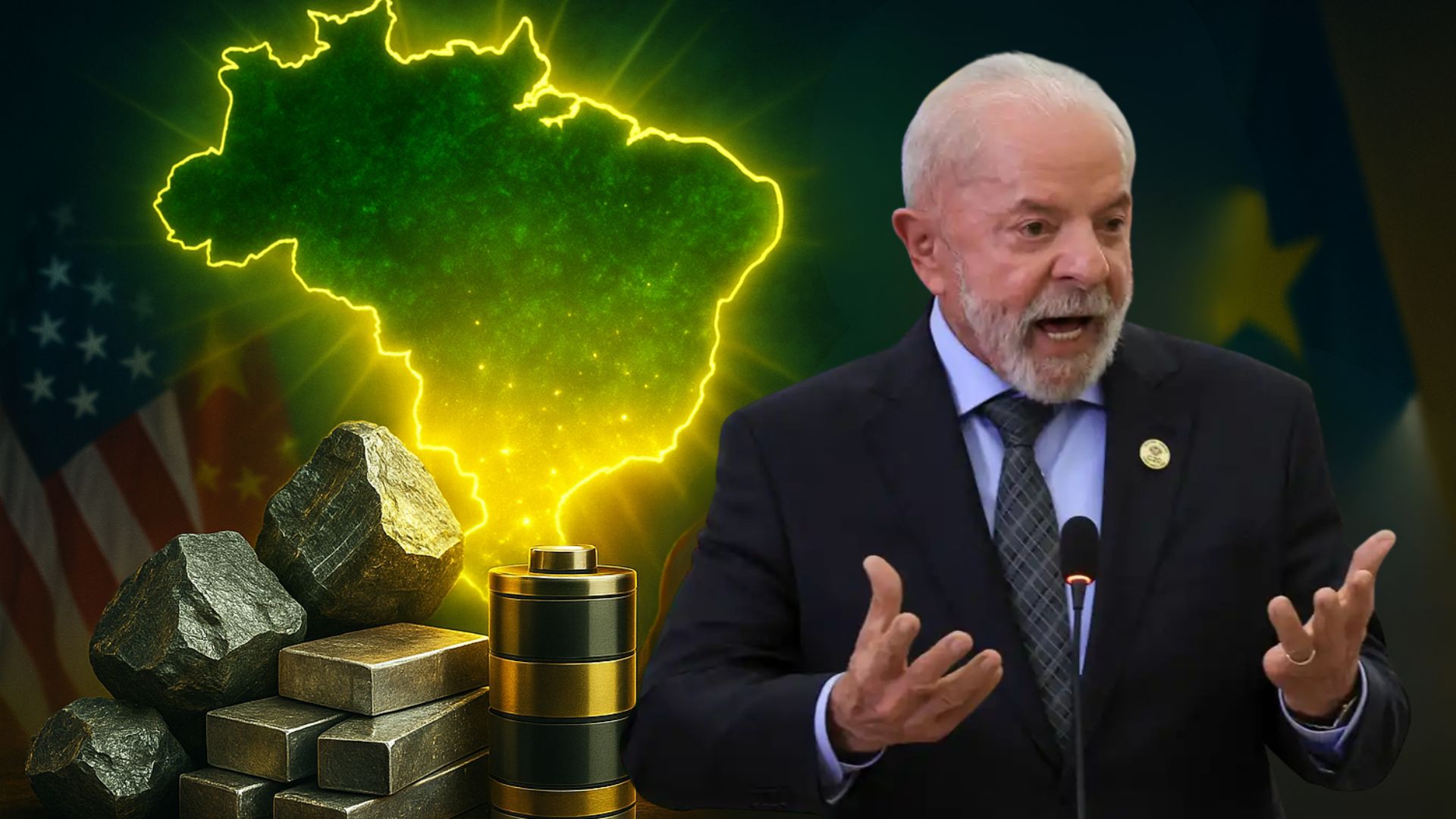
Brazil Signals Change In Strategy For The Use Of Critical Minerals And Conditions Foreign Exploration On Industrial Investments In The Country.
The president Luiz Inácio Lula da Silva stated this Monday (24), in Maputo, that Brazil will no longer accept the role of being a mere supplier of critical minerals and conditioned access to these reserves on the establishment of industries within the national territory.
According to him, interested countries, such as the United States and China, will only be able to explore these resources if they contribute to generating jobs, income, and technology within Brazil, and not just take the raw materials and leave “only poverty.”
Industrialization Linked To Critical Minerals
During his participation in a business forum that gathered authorities and Brazilian and Mozambican entrepreneurs in the capital of Mozambique, Lula declared that the country intends to change the way it positions itself in the global supply chain of these strategic inputs.
-
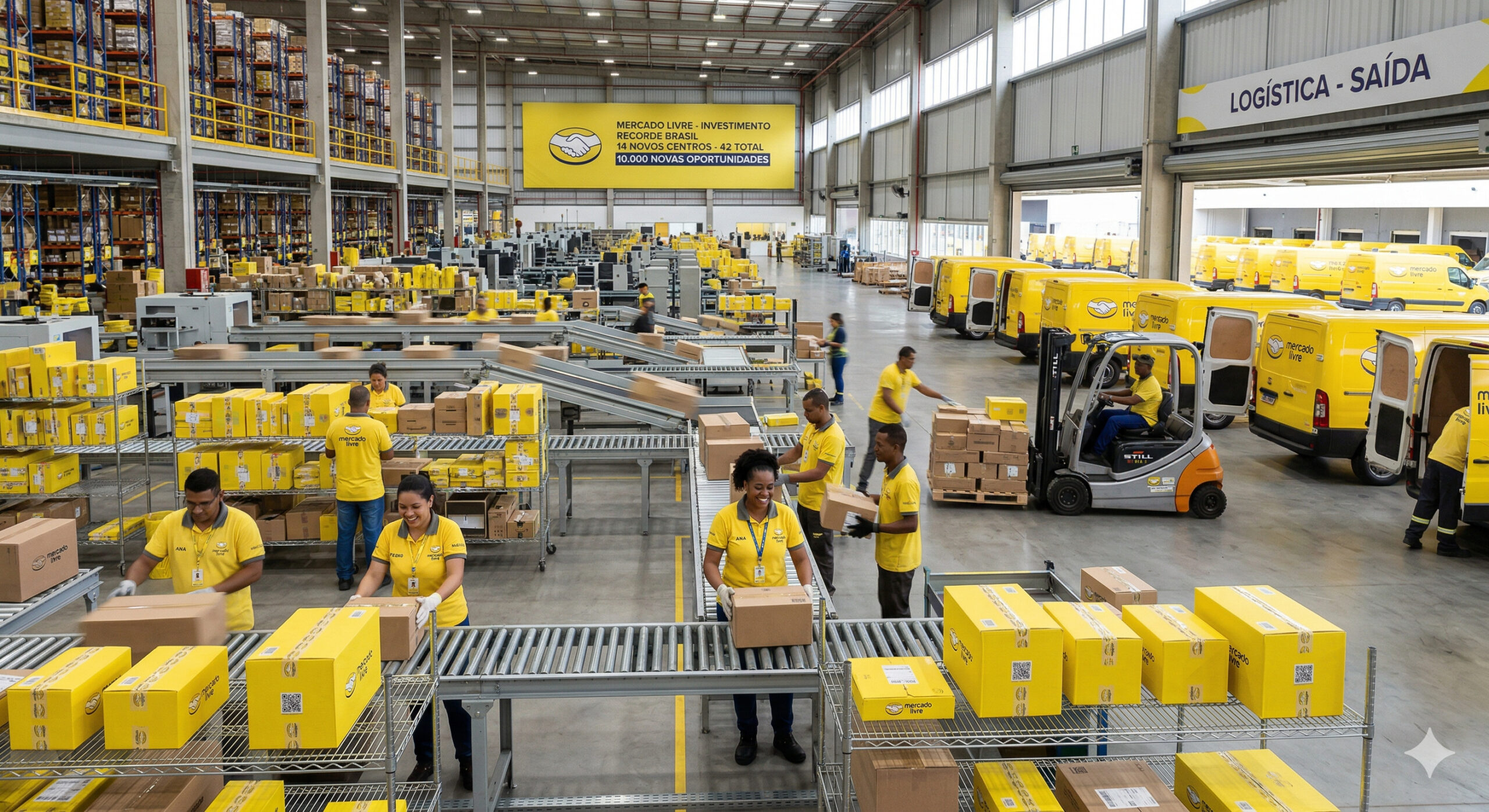
Mercado Livre “opens the vault” and announces a record investment of R$ 57 billion in Brazil in 2026, a value 50% higher than the previous year, with an expansion plan that includes 14 new logistics centers, totaling 42 units in the country and hiring an additional 10,000 employees.
-
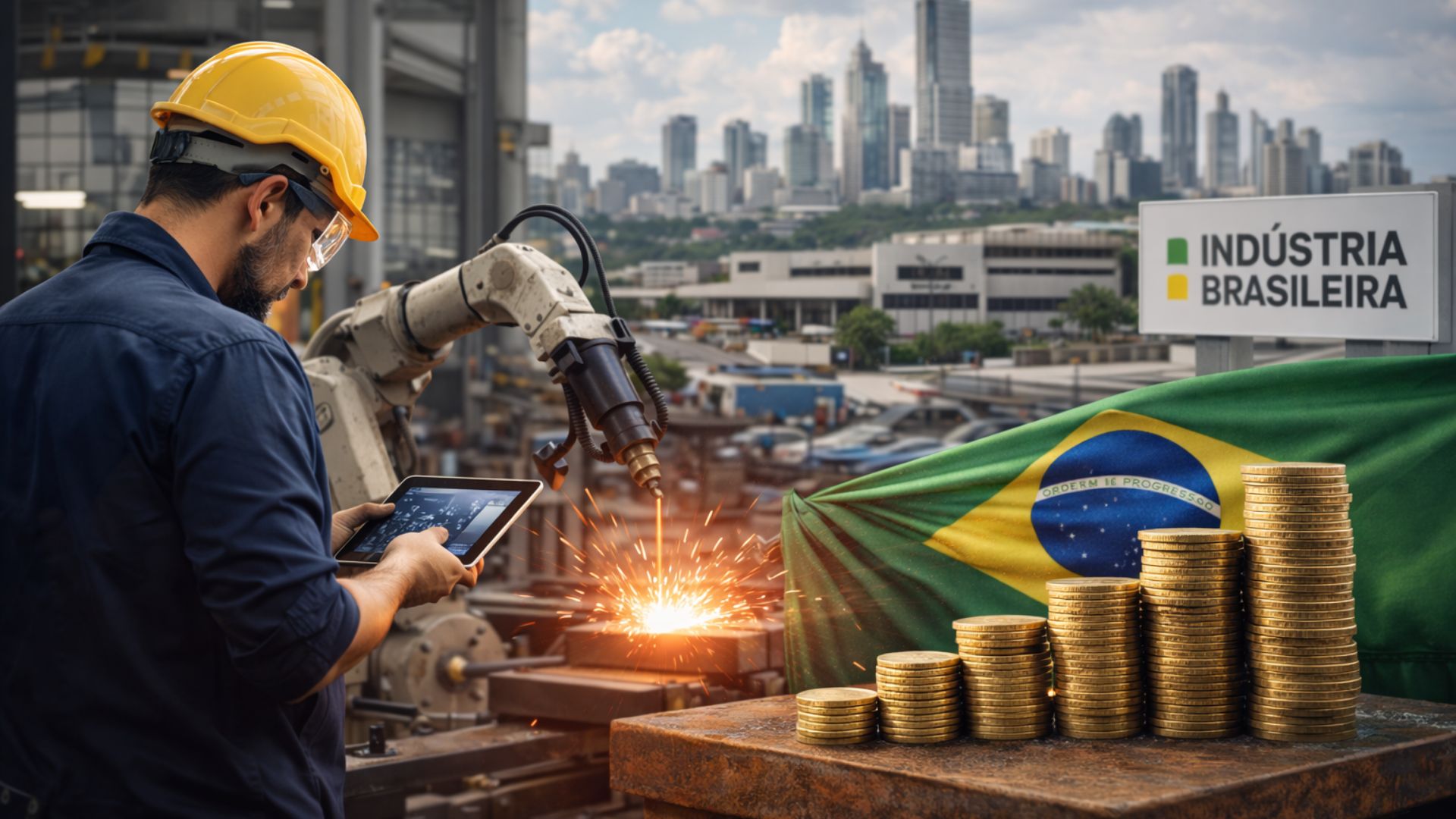
How investment in technology can revolutionize the national economy and enhance industrial gains, according to a study that highlights the direct impact on productivity, innovation, and wealth retention within Brazil.
-
The largest food company on the planet, JBS, has just opened a 4,000 square meter laboratory in Florianópolis to develop customized proteins that modulate muscle mass gain, immune response, and metabolic performance.

-
After nearly 30 bids and competition among industry giants, a Spanish company purchases one of the largest airports in Brazil for almost R$ 3 billion and takes over the management of Galeão in a concession that will last until 2039.


“We will not be exporters of critical minerals. If you want to, you will have to industrialize in our country so that our country can earn that money,” the president stated, advocating that natural riches should be used to drive a new cycle of internal development.
Lula emphasized that he considers it urgent for countries with large reserves of these minerals to define clear exploration rules that guarantee concrete benefits for the local population.
For him, it is no longer acceptable to repeat the model in which foreign companies extract resources, export them at low value, and leave behind inequality and low productive diversification.
Either Brazil takes advantage of “the riches that God gave us” to transform them into well-being for the population, the president said, or it will continue to see “the usual countries digging holes in our country, taking our ore, while we remain hungry and in poverty.”

Energy Transition And Impact Of Strategic Minerals
The so-called critical minerals are inputs considered strategic for the contemporary economy.
Included in this category are, for example, lithium, cobalt, nickel, graphite, and rare earth elements, essential for the manufacture of batteries, wind turbines, solar panels, and electronic equipment.
Lula has been using the topic to associate natural resources policy with the agenda of energy transition and reindustrialization.
In recent speeches, including at the G20 summit held in South Africa, he emphasized that these minerals are central both to technological innovation and to changing the global energy matrix.
According to data cited by the Brazilian government, the energy sector accounted for 85% of the global demand growth for critical minerals in 2024.
In this context, the president argues that countries with large reserves should not just be suppliers of raw materials but protagonists in higher value-added chains.
For Lula, discussing critical minerals is also about discussing sovereignty.
In a recent speech, he noted that sovereignty “is not measured by the amount of natural deposits but by the ability to transform resources through policies that bring benefits to the population.”
Brazil Reinforces Presence In International Forums
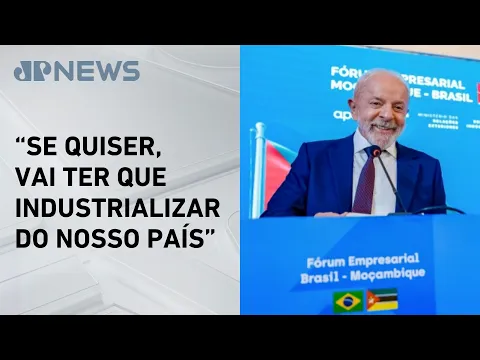

Lula’s visit to Maputo occurs amid a broader agenda on the African continent.
The president traveled to Mozambique after participating in the meeting of G20 leaders, a group that gathers the 19 largest economies in the world plus the European Union.
At the summit, he had already highlighted the risk of repeating, in the green economy cycle, the historical logic of resource exploitation in developing countries without structural counterparts.
The president stated that the energy transition cannot merely mean a new rush for minerals, leaving the countries that concentrate strategic reserves on the periphery of the system.
When speaking to entrepreneurs in Maputo, Lula indicated that Brazil intends to align its foreign policy, its industrialization strategy, and its actions in multilateral forums.
The central idea is to use the weight of critical mineral reserves as a bargaining tool to attract productive investments, technology transfer, and the generation of qualified jobs.
Internal Stability To Attract Investments
While demanding counterparts from countries and companies interested in exploring Brazilian minerals, Lula emphasized that Brazil needs to ensure institutional stability, legal security, and predictability.
These conditions, he asserted, are essential to attract long-term investments in industrial chains related to the energy transition.
The definition of a model that combines environmental protection, state participation, and the attraction of private capital is seen by the government as decisive for the country to leave the position of exporter of low-value raw materials.
In this scenario, cooperation with African countries was highlighted.
Brazil intends to strengthen South-South partnerships both for exchanging experiences in public policies and for forming productive chains and defending common interests.
Lula Receives Honoris Causa Title In Maputo

Still in Maputo, Lula received the title of Doctor Honoris Causa in Political Science, Development, and International Cooperation awarded by the Pedagogical University of Maputo.
The honor recognizes Brazil’s contribution to educational and scientific cooperation with Mozambique.
In an emotional speech, Lula stated that he feels “like coming home” whenever he visits the African continent.
The president said he does not perceive a difference between himself and the Mozambican people and highlighted historical and cultural ties between Brazil and Africa.
According to Lula, the honor symbolizes the fraternity between the two countries and reinforces the commitment to deepen partnerships in areas such as education, science, and technology.
The president reiterated that education is a central axis of an inclusive development project.
For him, there is no effective democracy when the population does not have access to knowledge, nor is there sustainable development when wealth is concentrated in the hands of a few.
Lula reiterated that no one should be prevented from studying due to social origin, place of birth, or religion.
He stated that it is the state’s responsibility to ensure equal opportunities for access to education.
Citing initiatives from his administrations, he linked policies for expanding higher education and social inclusion with efforts to reduce historical inequalities and enhance the international protagonism of Brazil and Mozambique.






Seja o primeiro a reagir!